

More Than 16 Billion Tenge to Be Allocated to Astana’s Utility and Energy Infrastructure
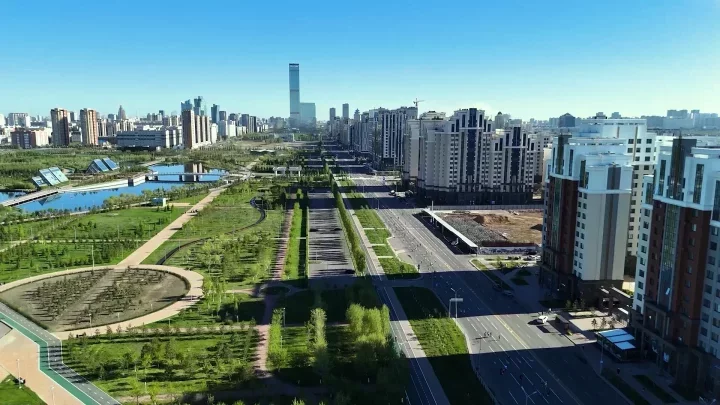 Photo: Astana akimat
The funding will come from the government reserve. Once the projects are completed, Astana’s sewerage, heating and power supply systems are expected to operate more reliably. The strain on these systems is increasing due to population growth and the construction of new housing, Orda.kz reports, citing the government press service.
A total of more than 16.2 billion tenge has been allocated. Of this amount, 8.7 billion tenge will be used to construct and modernize wastewater infrastructure.
In particular, the authorities plan to reconstruct the sewer main running from the existing treatment facilities in Astana’s Esil district to Lake Karabidayyk in the Akmola Region. A discharge pipeline will also be built to carry treated wastewater along Uly Dala, Hussein bin Talal and Chingiz Aitmatov streets and Turan Avenue to the Esil River.
The projects are expected to drain rainwater and drainage water from an area of 4,500 hectares and ensure the stable operation of treatment facilities with a capacity of approximately 70,000 cubic meters per day. This infrastructure is essential for Astana’s further development.
A total of 7.5 billion tenge will be allocated to the development of the capital’s energy infrastructure. The funding will be used to build the Karlygash 110/20 kV substation and modernize turbine unit No. 1 at Astana-Energy JSC’s CHPP-2.
The commissioning of the new substation will reduce the load on the existing Esil and Baiterek substations and supply electricity to approximately 80,000 residents living near Nurly Zhol railway station and in the Telman residential area. The additional capacity will also make it possible to commission new public facilities, including schools and clinics.
Following the modernization, the generating capacity of the CHPP-2 turbine unit will increase from 80 MW to 110 MW. This will improve the reliability of the capital’s energy supply as electricity consumption continues to grow each year.
Original author: Oksana Matviyenko
Read also:
Latest news
- Orda.kz Editorial Team to Cease Operations on September 1
- The Price of a Degree: How Students in Kazakhstan Pay for University
- Second Przewalski’s Horse Foal Born as Species Returns to Kazakhstan
- Kazakh Mining Companies Can Recalculate Purchases if Tenge Weakens
- Kazakhstan Names First Vice President in Three Decades
- What Almaty’s Bus Shelters Are Missing
- 400-Truck Queue Builds at Kazakh–Kyrgyz Border
- Kazakhstan Ready to Help Feed and Rebuild Gaza
- Tokayev Establishes New Presidential Security Body
- Almaty Takes Back Its Nearly Century-Old Hippodrome
- No More Guesswork on Savings: Kazakhstan Tightens Energy Audits for Businesses
- Public Money Could Be Used to Rescue Failing Kazakh Banks
- Third Kazakh Woman Reported Missing in Nepal-China Flood Zone
- Falconer Convicted Over 35 Protected Birds, Spared Punishment Under Amnesty
- Kazakh Citizen Detained in Yakutia in Phone Fraud Case
- Yuan Instead of Dollars? KazMunayGas Draws Record Demand in Asia
- China Gains Oil-Market Influence as OPEC+ Weakens
- Kazakhstan to Divide Smartphones Into White, Gray and Black Lists
- Kazakhstan’s Government Formally Resigns as First Kurultai Session Opens
- Rare Lynx Sighting Recorded in Northern Kazakhstan
