

Garbage Fines Now Fall Under Akimats: What the Changes Mean and What Risks Citizens Face
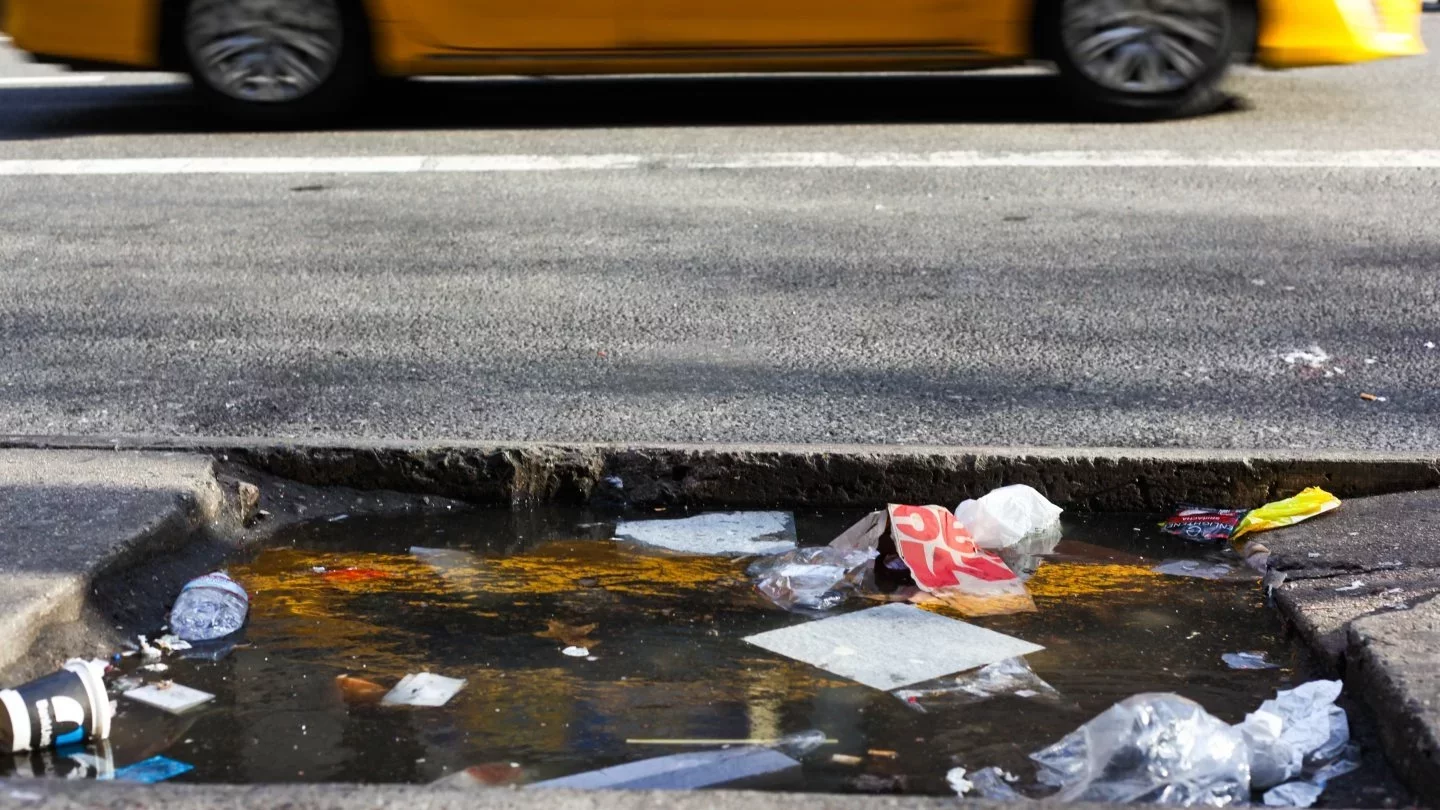 Photo: pixabay
Since early March 2026, akimats in all regions of Kazakhstan, as well as in the cities of Astana, Almaty, and Shymkent, have been granted the authority to draw up administrative protocols for polluting public spaces. Previously, only police officers had the power to impose such measures. Orda.kz looked into the details of the change.
The new rules concern littering in unauthorized places, pollution of streets and parks, and damage to public infrastructure and landscaping.
In response to an editorial inquiry, Almaty’s Department of Ecology and Environment said that the new powers were introduced through amendments to the Code of Administrative Offences.
Local executive bodies have been granted the right to draw up administrative protocols under Articles 434-2 and 505 of the Code of Administrative Offences of the Republic of Kazakhstan. These provisions establish liability for the pollution of public spaces and violations of rules on the maintenance and improvement of populated areas.the department said.
The akimat added that in Almaty, authorized employees of local executive bodies, including staff from akimat departments and district akimats, will be responsible for drawing up the protocols. For now, organizational work is still underway: officials are determining the list of authorized personnel and conducting explanatory and training work.
Which akimat employees now have the authority to issue fines for littering:
- employees of improvement departments;
- housing and communal services inspectors;
- other staff members to whom akimats delegate the authority to draw up protocols under this article.
A range of violations may lead to liability, including littering in unauthorized places, polluting public spaces, damaging landscaping facilities, and destroying or damaging green areas.
The size of the fine depends on whether the offender is an individual or a business entity. For littering in an unauthorized place, the penalty is:
- for a first violation, 10 monthly calculation indices (MCI), or 43,250 tenge in 2026, or 40 hours of community service;
- for a repeat violation within one year, 20 MCI, or 86,500 tenge, or 80 hours of community service.
The authorities expect the new measures to strengthen control over the sanitary condition of cities and increase public responsibility for cleanliness.
Original author: Elvira Ivannikova
Read also:
Latest news
- Baikonur Prepares To Launch Progress MS-33 Cargo Mission To The ISS
- Kazakhstani Scientists Are Preparing a Cancer-Prevention Supplement From Tomatoes and Watermelons
- Garbage Fines Now Fall Under Akimats: What the Changes Mean and What Risks Citizens Face
- CEC Announces Final Results Of Constitution Referendum
- Applications Begin For Bolashak And Scientific Internships In Kazakhstan
- Road Construction Violations Worth Hundreds of Billions of Tenge Uncovered in Kazakhstan
- Winter Paralympics End In Italy As Cortina Hosts Closing Ceremony
- CEC Announces Preliminary Results Of Vote On New Constitution
- Gasoline Has Risen In Price Again In Kazakhstan
- New Constitution Day And Parliamentary Elections: Tokayev’s Key Statements
- Nazarbayev Confirms Support For Tokayev And The New Constitution
- Xi Jinping And Tokayev Deepen Cooperation As Chinese Observers Monitor Referendum In Kazakhstan
- Kazakhstanis Abroad Complete Voting in Referendum
- Exit Polls Indicate Strong Support For Kazakhstan’s New Constitution
- Referendum In Kazakhstan: CEC Releases Preliminary Turnout Data
- Nauryz Celebrations In Almaty To Last Nearly 10 Days
- Kazakhstanis Were Fined for Online Polls on the New Constitution
- 217 New Schools Built In Kazakhstan Over Three Years
- Erbol Khamitov Brings Kazakhstan Gold At The 2026 Paralympics
- Why Are Kazakhstanis Leaving Southern Regions In Large Numbers?
