

Garbage Fines Now Fall Under Akimats: What the Changes Mean and What Risks Citizens Face
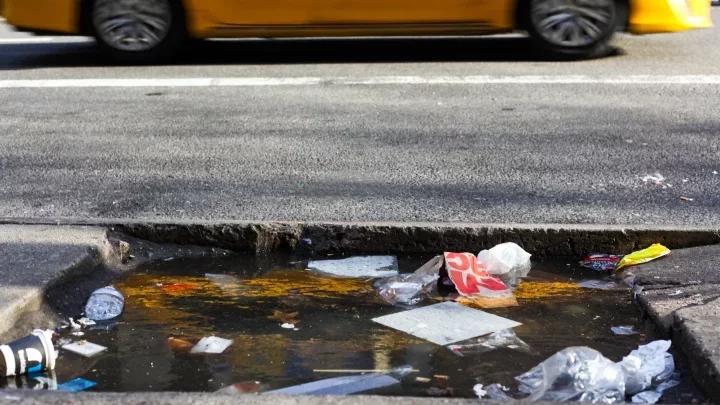 Photo: pixabay
Since early March 2026, akimats in all regions of Kazakhstan, as well as in the cities of Astana, Almaty, and Shymkent, have been granted the authority to draw up administrative protocols for polluting public spaces. Previously, only police officers had the power to impose such measures. Orda.kz looked into the details of the change.
The new rules concern littering in unauthorized places, pollution of streets and parks, and damage to public infrastructure and landscaping.
In response to an editorial inquiry, Almaty’s Department of Ecology and Environment said that the new powers were introduced through amendments to the Code of Administrative Offences.
Local executive bodies have been granted the right to draw up administrative protocols under Articles 434-2 and 505 of the Code of Administrative Offences of the Republic of Kazakhstan. These provisions establish liability for the pollution of public spaces and violations of rules on the maintenance and improvement of populated areas.the department said.
The akimat added that in Almaty, authorized employees of local executive bodies, including staff from akimat departments and district akimats, will be responsible for drawing up the protocols. For now, organizational work is still underway: officials are determining the list of authorized personnel and conducting explanatory and training work.
Which akimat employees now have the authority to issue fines for littering:
- employees of improvement departments;
- housing and communal services inspectors;
- other staff members to whom akimats delegate the authority to draw up protocols under this article.
A range of violations may lead to liability, including littering in unauthorized places, polluting public spaces, damaging landscaping facilities, and destroying or damaging green areas.
The size of the fine depends on whether the offender is an individual or a business entity. For littering in an unauthorized place, the penalty is:
- for a first violation, 10 monthly calculation indices (MCI), or 43,250 tenge in 2026, or 40 hours of community service;
- for a repeat violation within one year, 20 MCI, or 86,500 tenge, or 80 hours of community service.
The authorities expect the new measures to strengthen control over the sanitary condition of cities and increase public responsibility for cleanliness.
Original author: Elvira Ivannikova
Read also:
Latest news
- Orda.kz Editorial Team to Cease Operations on September 1
- The Price of a Degree: How Students in Kazakhstan Pay for University
- Second Przewalski’s Horse Foal Born as Species Returns to Kazakhstan
- Kazakh Mining Companies Can Recalculate Purchases if Tenge Weakens
- Kazakhstan Names First Vice President in Three Decades
- What Almaty’s Bus Shelters Are Missing
- 400-Truck Queue Builds at Kazakh–Kyrgyz Border
- Kazakhstan Ready to Help Feed and Rebuild Gaza
- Tokayev Establishes New Presidential Security Body
- Almaty Takes Back Its Nearly Century-Old Hippodrome
- No More Guesswork on Savings: Kazakhstan Tightens Energy Audits for Businesses
- Public Money Could Be Used to Rescue Failing Kazakh Banks
- Third Kazakh Woman Reported Missing in Nepal-China Flood Zone
- Falconer Convicted Over 35 Protected Birds, Spared Punishment Under Amnesty
- Kazakh Citizen Detained in Yakutia in Phone Fraud Case
- Yuan Instead of Dollars? KazMunayGas Draws Record Demand in Asia
- China Gains Oil-Market Influence as OPEC+ Weakens
- Kazakhstan to Divide Smartphones Into White, Gray and Black Lists
- Kazakhstan’s Government Formally Resigns as First Kurultai Session Opens
- Rare Lynx Sighting Recorded in Northern Kazakhstan
