

Orda Discusses New NGO Law in Kazakhstan With Experts
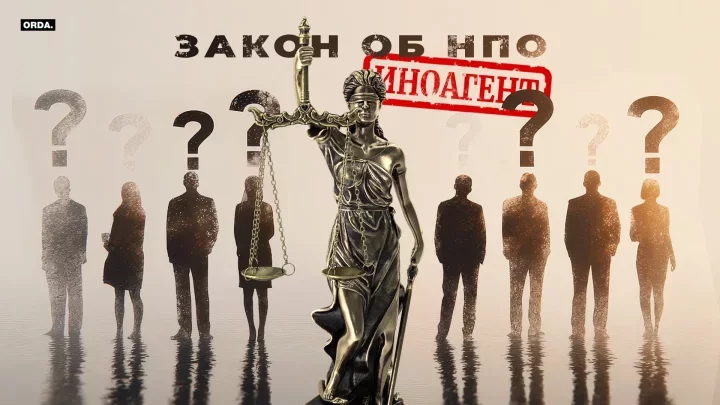 Photo: Orda
Kazakh authorities are drafting a new law on non-governmental organizations (NGOs). Officially, it is being developed to strengthen civil society, but activists and experts warn it could bring more bureaucracy, labels, and state control instead.
There are also concerns that Kazakhstan may introduce a “foreign agent” status similar to Russia’s, Orda.kz reports.
The work began in April 2025, when the Civil Society Committee of the Ministry of Culture and Information launched the drafting process. At the same time, Prime Minister Olzhas Bektenov announced a working group to prepare the draft law “On Non-Governmental Organizations.”
On paper, the goal is to “improve legislation.”
Still, civil society groups say each attempt at rewriting the rules risks producing new restrictions instead of support. Their concern deepens as the new Tax Code introduces additional obligations for organizations funded by foreign donors.
Combined with the closure of the USAID office and frequent accusations of “foreign influence,” many fear the bill is a backdoor for a “foreign agent” law in Kazakhstan.
What Are NGOs?
An NGO is any group created not for business, but for solving social problems — whether helping children, protecting the environment, supporting women, or defending the rights of people with disabilities.
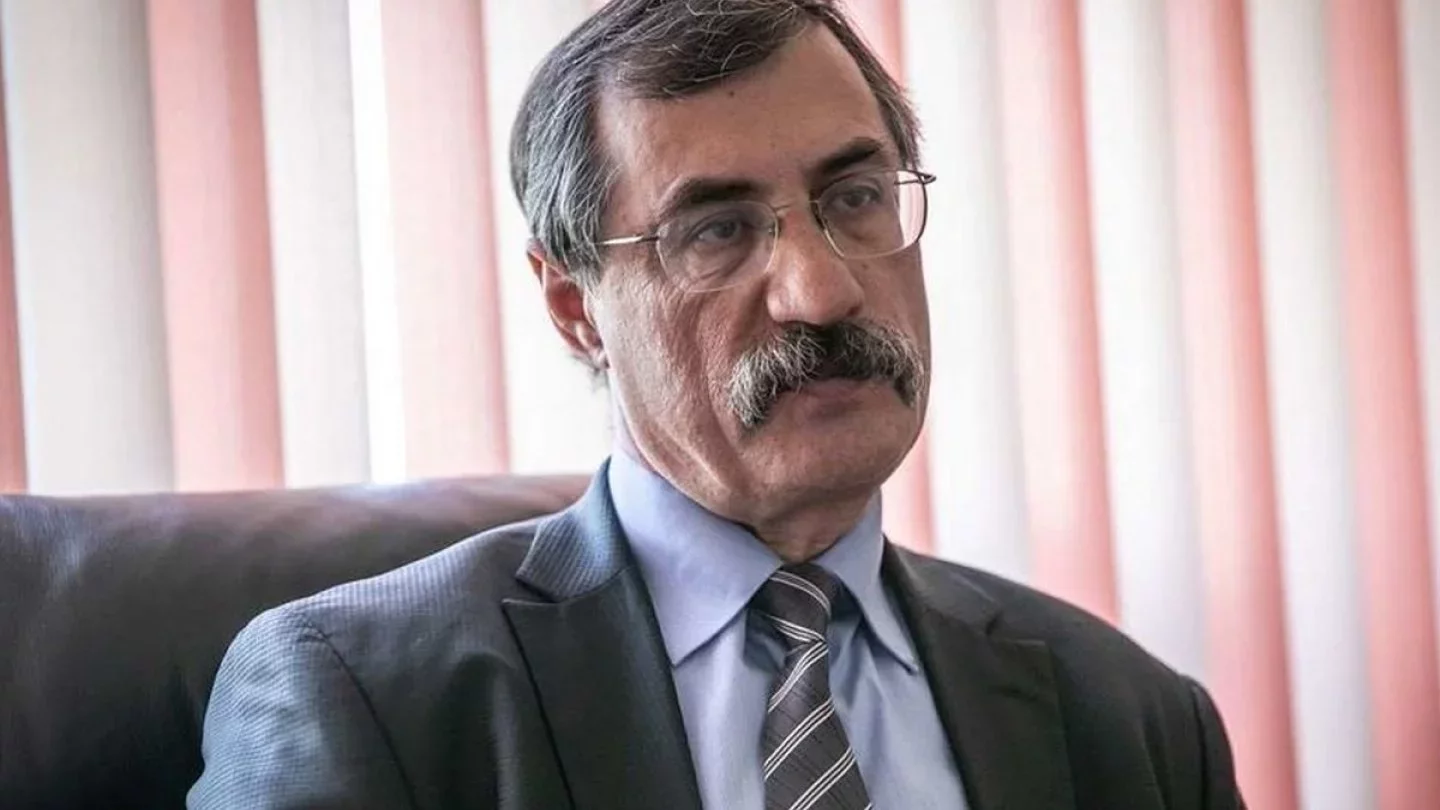
Man is a social being. People unite in any sense with absolutely different goals. They live in a team, a family, a community, anything. They can unite for commercial or non-commercial purposes, to solve private problems of some group, some club. But They unite. This is simply a natural human right to unite. As such, it is enshrined in international treaties, etc. That is, it is simply like the right to speak,
explains Evgeniy Zhovtis, founder of the Kazakhstan International Bureau for Human Rights and member of the OSCE expert council.
Opaque Process and Risks
According to Aigul Kaptayeva, regional legal adviser for the International Center for Not-for-Profit Law in Kazakhstan, the drafting process itself raises concerns.
What do we see in this bill? We are currently discussing the concept. And they are throwing us a ready-made bill written by the Civil Alliance and saying: ‘Let’s discuss the bill, why waste time on the concept?’ Here we already stopped and said: let’s discuss what problem we are trying to solve because we cannot pass laws simply because we want to pass a new law,
says Kaptayeva.
Activists fear the bill could:
- Impose new layers of bureaucracy, reports, and inspections
- Strengthen state oversight of independent NGOs
- Create a “special status” requirement for NGOs seeking grants or council seats
- Discriminate against independent groups in favor of “loyal” ones
- Follow the Russian path of stigmatizing organizations as “foreign agents”
As a general rule, non-profit organizations should be free to register if they want to receive status. They should be free to operate, they should enjoy tax benefits. And then comes reporting and responsibility. But I don’t quite understand why NGOs should have more reporting than non-profit organizations? Why is that? What have they done wrong, so to speak? Why is there a presumption of innocence for non-profit organizations pursuing the public interest?
asks Zhovtis.
Activists propose another direction: simplify registration and reporting, create real tax incentives, build an independent grant distribution mechanism, and reject stigmatizing labels.
They also demand an end to the Civil Alliance’s monopoly on representing NGOs.
Kaptayeva stresses that the current version “narrows the civil space, narrows our rights and creates unequal conditions” rather than empowering organizations.
Every time I see attempts to introduce some, let’s say, preventive articles or threats into the law on NGOs, NPOs — talk about how it is forbidden to create a terrorist organization — I am always very surprised. Why don’t we write in every law on state bodies that it is forbidden to steal or engage in corruption? The law on non-profit organizations is a law about helping law-abiding non-profit organizations develop, Zhovtis addsю
Nevertheless, the drafting of the law continues. Without an open dialogue between the authorities and civil society, the document risks becoming another instrument of control.
Kazakhstan faces a choice: strengthen the civil sector by recognizing it as a partner, or drive it into a corner.
Original Author: Alina Pak
Latest news
- Orda.kz Editorial Team to Cease Operations on September 1
- The Price of a Degree: How Students in Kazakhstan Pay for University
- Second Przewalski’s Horse Foal Born as Species Returns to Kazakhstan
- Kazakh Mining Companies Can Recalculate Purchases if Tenge Weakens
- Kazakhstan Names First Vice President in Three Decades
- What Almaty’s Bus Shelters Are Missing
- 400-Truck Queue Builds at Kazakh–Kyrgyz Border
- Kazakhstan Ready to Help Feed and Rebuild Gaza
- Tokayev Establishes New Presidential Security Body
- Almaty Takes Back Its Nearly Century-Old Hippodrome
- No More Guesswork on Savings: Kazakhstan Tightens Energy Audits for Businesses
- Public Money Could Be Used to Rescue Failing Kazakh Banks
- Third Kazakh Woman Reported Missing in Nepal-China Flood Zone
- Falconer Convicted Over 35 Protected Birds, Spared Punishment Under Amnesty
- Kazakh Citizen Detained in Yakutia in Phone Fraud Case
- Yuan Instead of Dollars? KazMunayGas Draws Record Demand in Asia
- China Gains Oil-Market Influence as OPEC+ Weakens
- Kazakhstan to Divide Smartphones Into White, Gray and Black Lists
- Kazakhstan’s Government Formally Resigns as First Kurultai Session Opens
- Rare Lynx Sighting Recorded in Northern Kazakhstan
