

Recruitment And Diplomatic Silence: Inside A Webcam Network Allegedly Involving Kazakhstani Women In Vietnam
 AI-generated illustration
Strong stigma around the sex industry in Kazakhstan keeps many of its workers in the gray zone and prevents them from speaking openly about their work. Some enter the industry not by choice, but after being recruited with promises of quick money. Orda.kz does not offer moral judgments in this story. We are publishing an investigation of a Vietnamese man who says he uncovered a webcam network that allegedly moved from Kazakhstan to Vietnam.
We should state this clearly from the start: we cannot rule out that the authors of the investigation may have their own interests, including a desire to remove competitors from the market. But that does not erase the substance of the story. The allegations deserve attention, and if Kazakh citizens abroad need help, they should receive it.
“No One Is Interested”
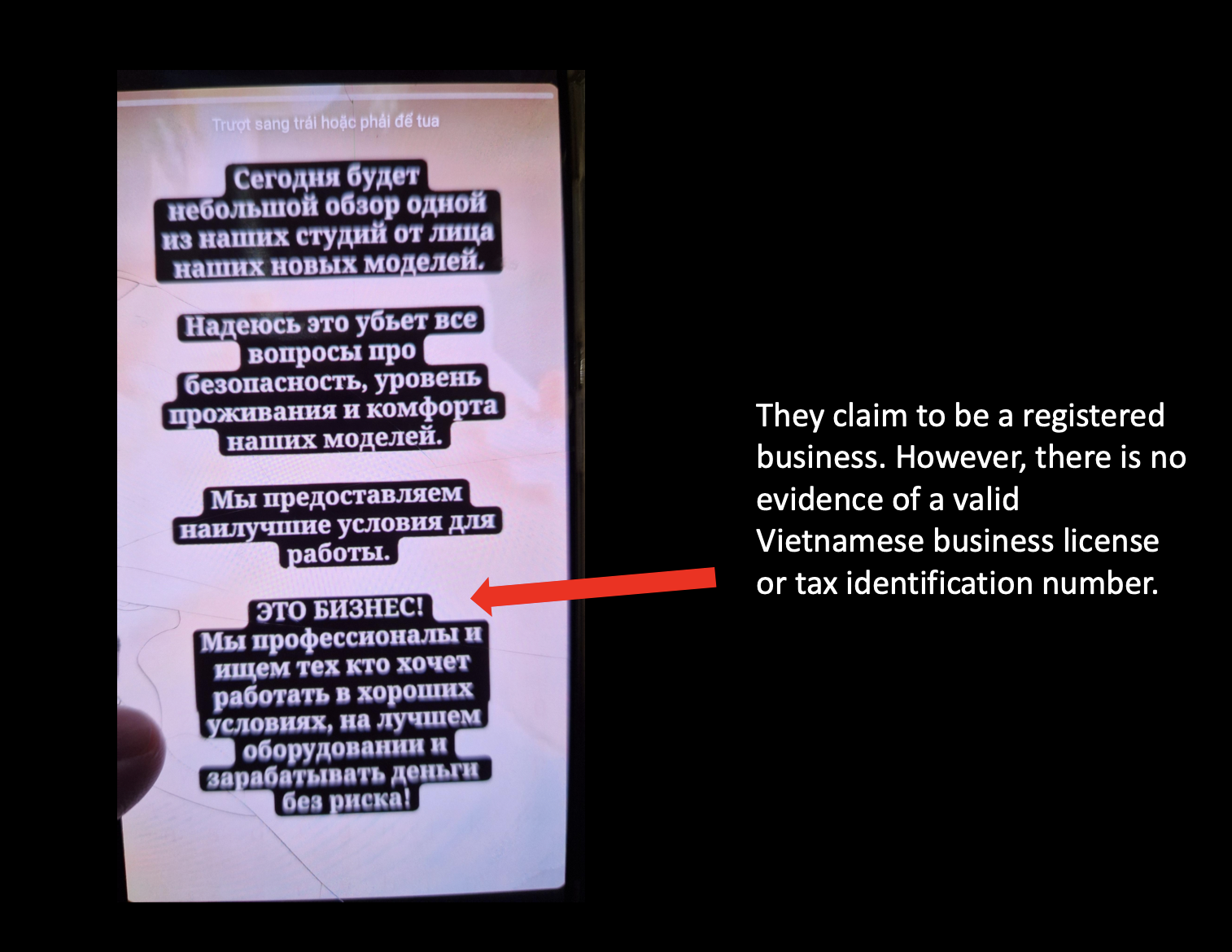
A man named Khoa contacted Orda.kz. He says that for almost two years, he and his team investigated the work of a webcam network that, according to his information, has involved more than 50 women from Kazakhstan. He claims the process has been systematized and is still ongoing.
At first, I tried to resolve it through official channels. I filed reports with the Vietnamese police and wrote to the Embassy of Kazakhstan in Hanoi. I hoped Kazakh diplomats would pay attention to the story and request an official inspection from the Vietnamese authorities. Months passed, but the Embassy of Kazakhstan in Vietnam did not respond to any of my letters,Khoa told Orda.kz.
According to him, he eventually managed to contact the embassy through Facebook. Khoa says embassy staff asked him to prepare a dossier in English. He did so. After that, he claims, they stopped communicating with him.
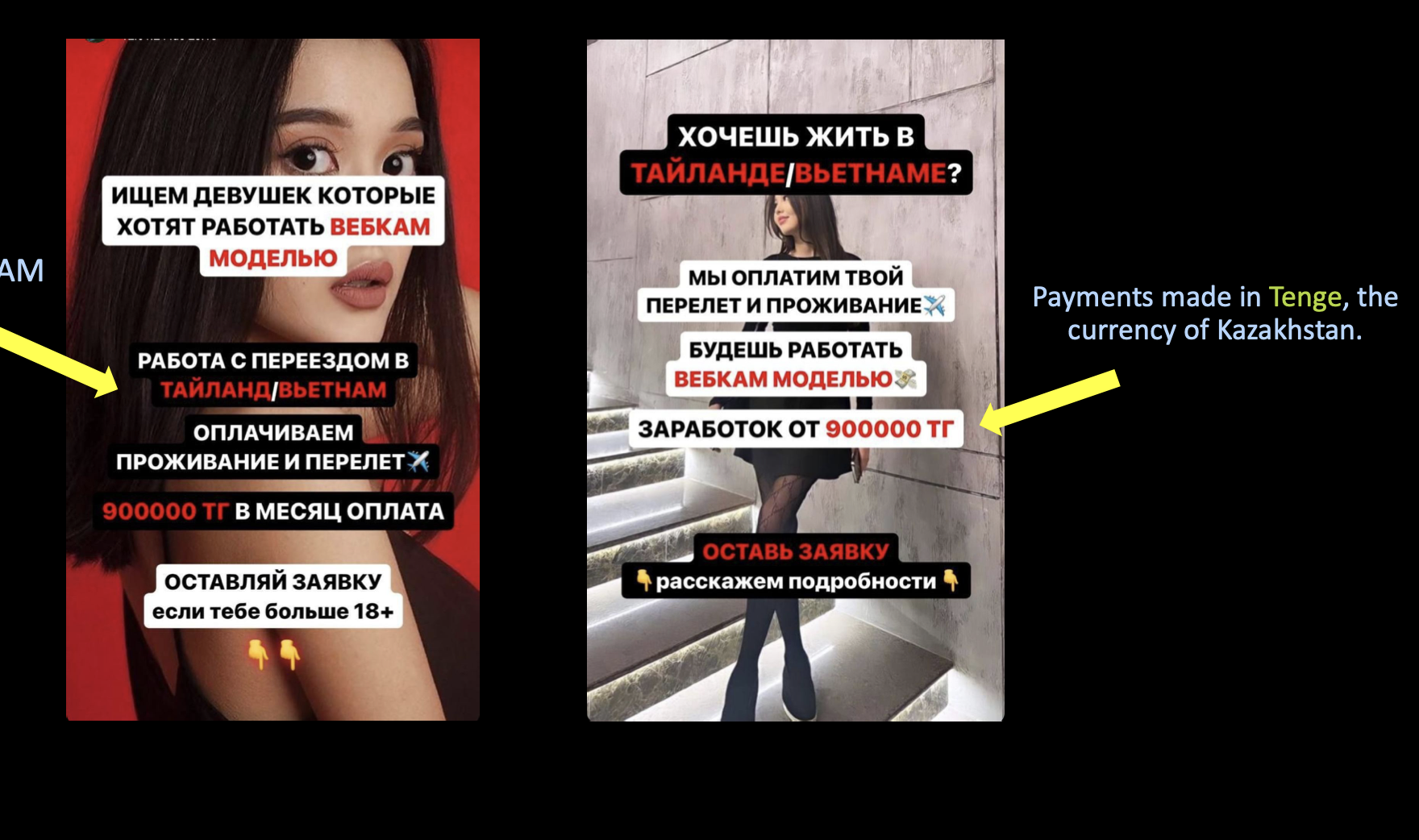
During this time, new girls from Kazakhstan and other CIS countries continued to arrive in Vietnam to work as webcam models. We even started calling it a ‘webcam epidemic from the CIS,’ because the flow of girls kept growing.
Khoa believes the activity may violate Article 326 of Vietnam’s Criminal Code, which bans the distribution and commercial production of pornographic content. According to him, Vietnamese police reviewed the materials and told him the case could involve violations of local law. However, he says the case did not move forward.
I was told that Vietnamese police cannot directly investigate cases involving foreign citizens without permission from Vietnam’s national security agency. And for that, as I was told, they need an official request from the Embassy of Kazakhstan or from the government of the country of origin.
According to Khoa, the embassy did not respond to his appeals, while police could not begin an investigation without a formal request.
That is why I have been trying for so long to get a response from the Embassy of Kazakhstan in Hanoi. But so far, those responsible for relations between Vietnam and Kazakhstan have taken no action.
Khoa sent Orda.kz a link to his investigation, which contains details of the case.
We will not publish the link or reveal the identities of the models. However, Orda.kz is ready to provide all available information to the competent authorities.
Forced Relocation Or A Move Away From Control?
In his dossier, Khoa suggests that after detentions and inspections of webcam studios in Kazakhstan and Kyrgyzstan, part of the market may have moved to Vietnam.
He says this could have happened for several reasons: visa-free travel for citizens of Kazakhstan and Kyrgyzstan, a Russian-speaking environment in Nha Trang, the availability of rental apartments, and limited attention from local law enforcement.
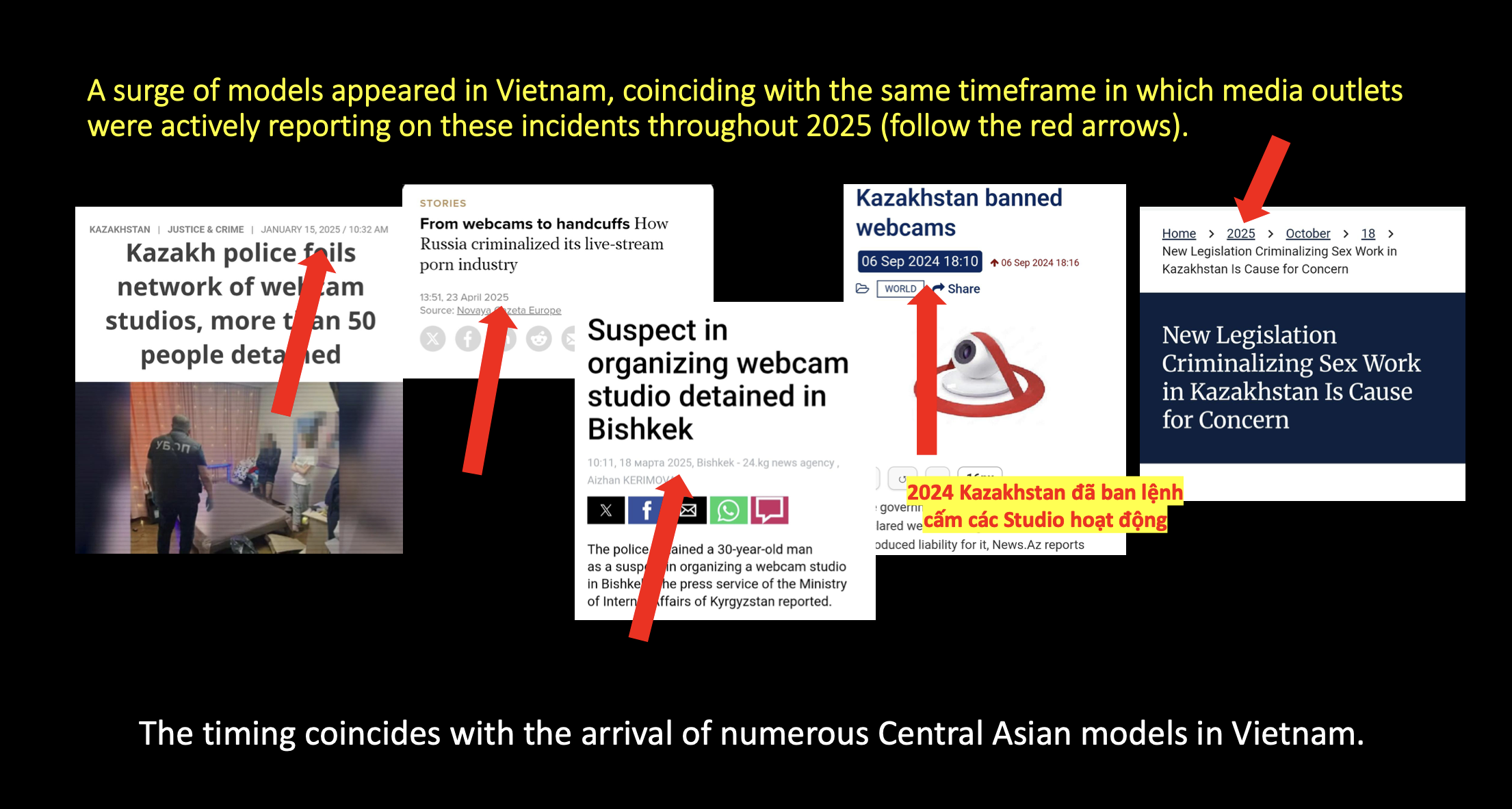
Khoa also suggests that tougher laws may have made it unprofitable for webcam agencies to remain in countries where, as he puts it, “local law enforcement agencies began demanding more money from their organizations”.
“Coincidence? I Don’t Think So”
Khoa says he began tracking accounts connected to the network. According to him, since late 2024, more than 40 models from Central Asia have worked in Vietnam. By June 2026, he believes that number may have exceeded 50.
For clarity, he compiled a list of webcam models. Orda.kz has hidden their faces and nicknames.
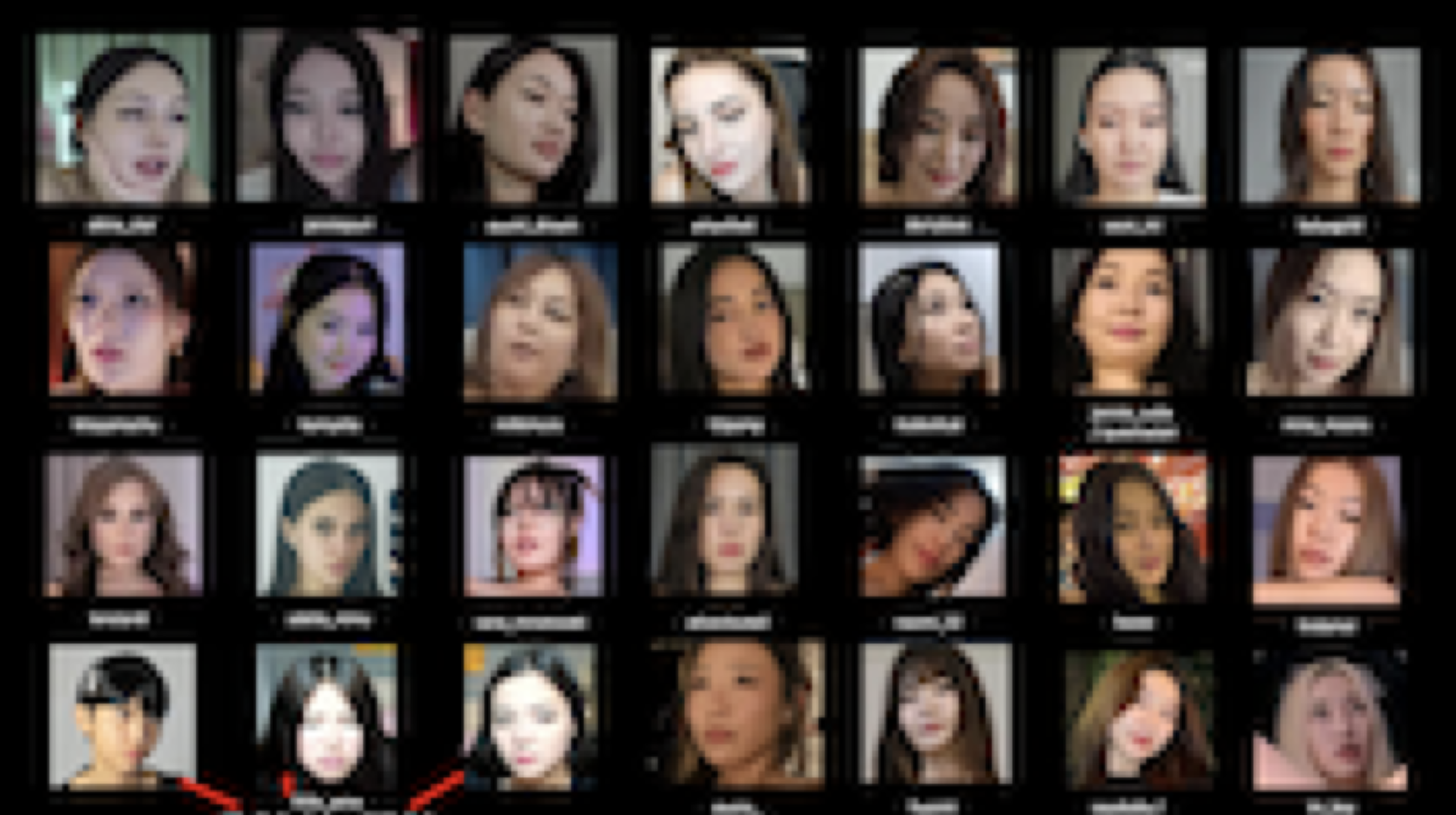
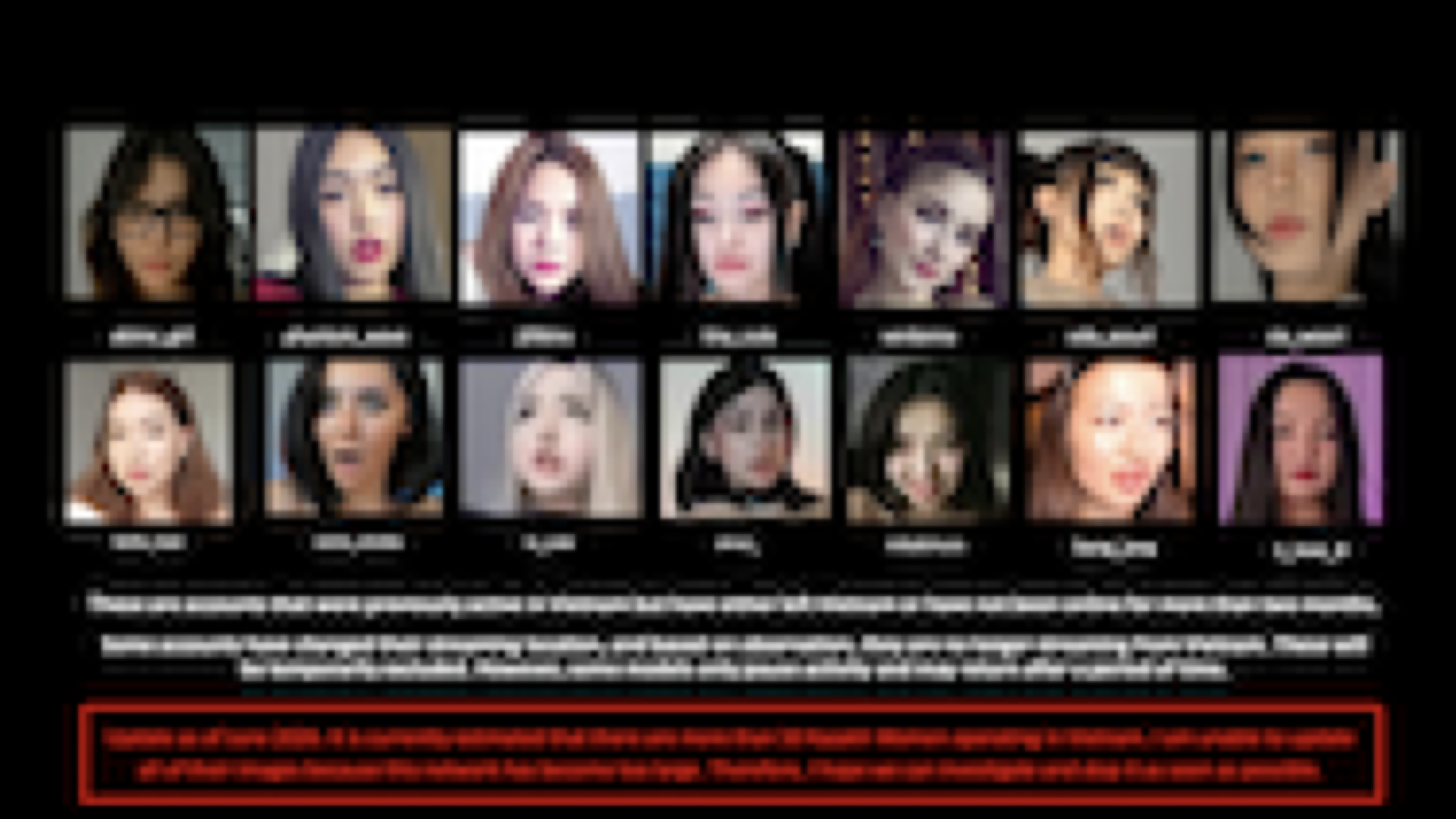
Khoa also claims some accounts blocked access from both Vietnam and Kazakhstan. In his view, this may indicate an attempt to hide the models’ real location and avoid attention both in Vietnam and at home.
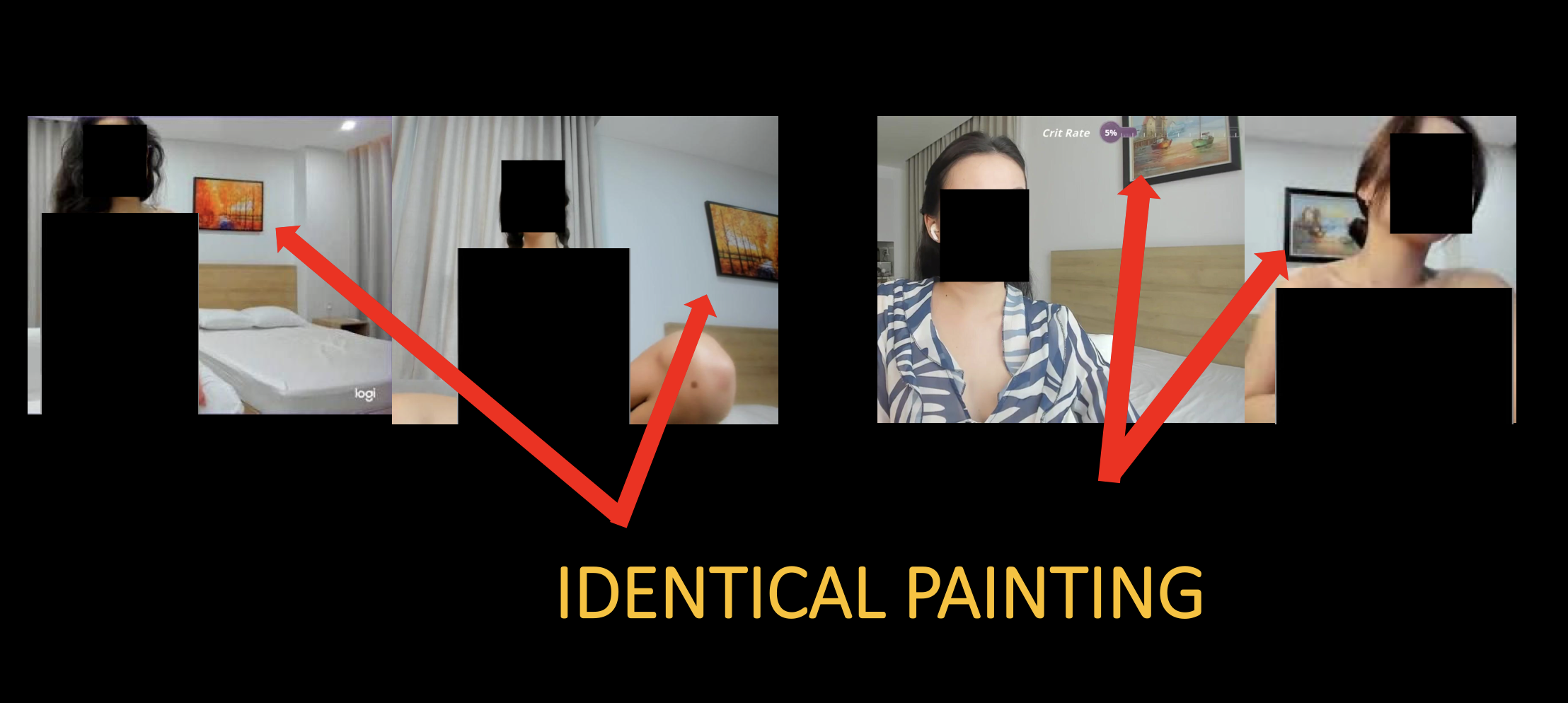
As additional evidence, he points to details visible during broadcasts: Vietnamese brands, local advertisements, Vietnamese-language signs, and backgrounds from Nha Trang. Some screenshots appear to show the same beds, cabinets, paintings, and rooms.
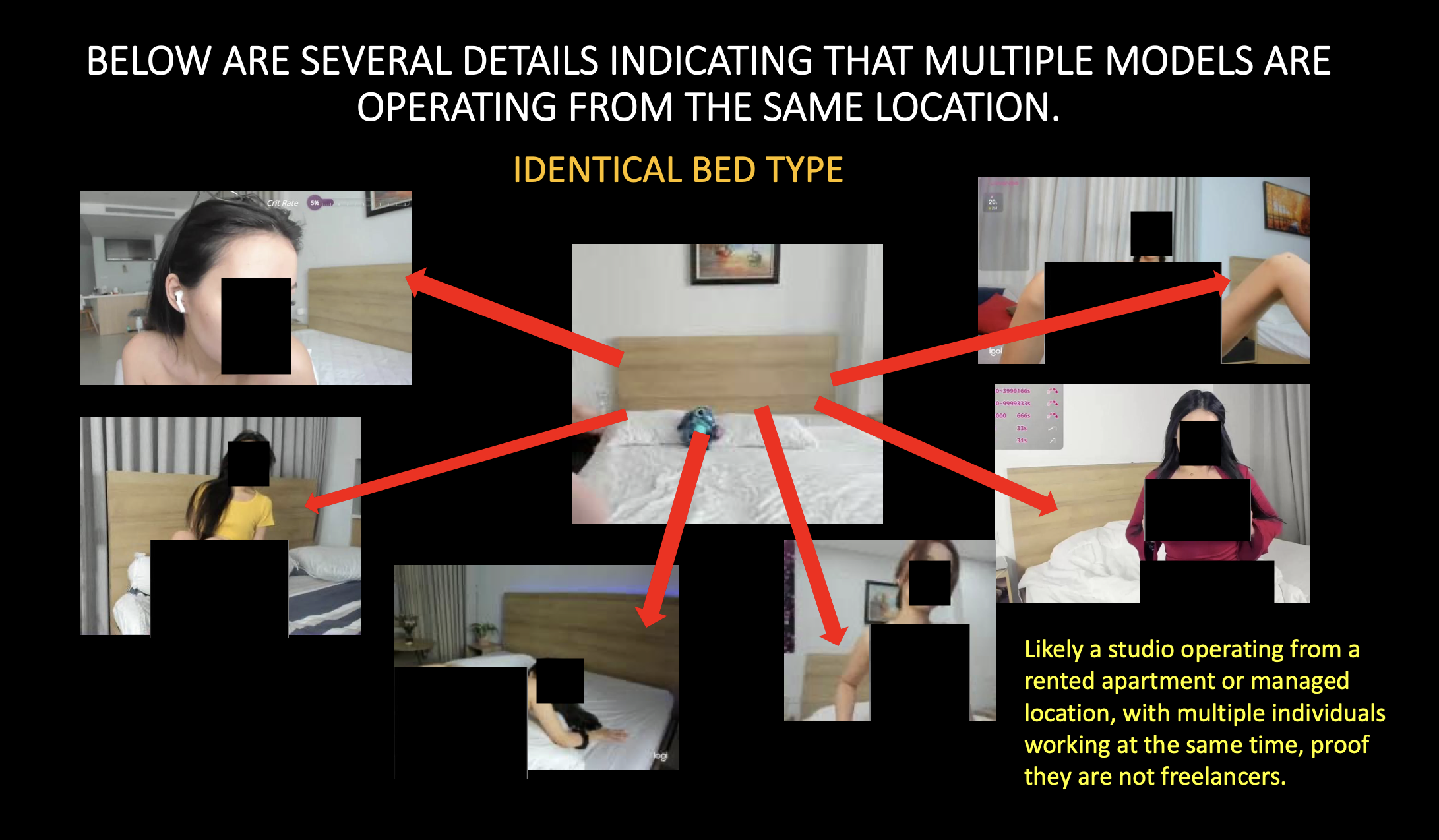
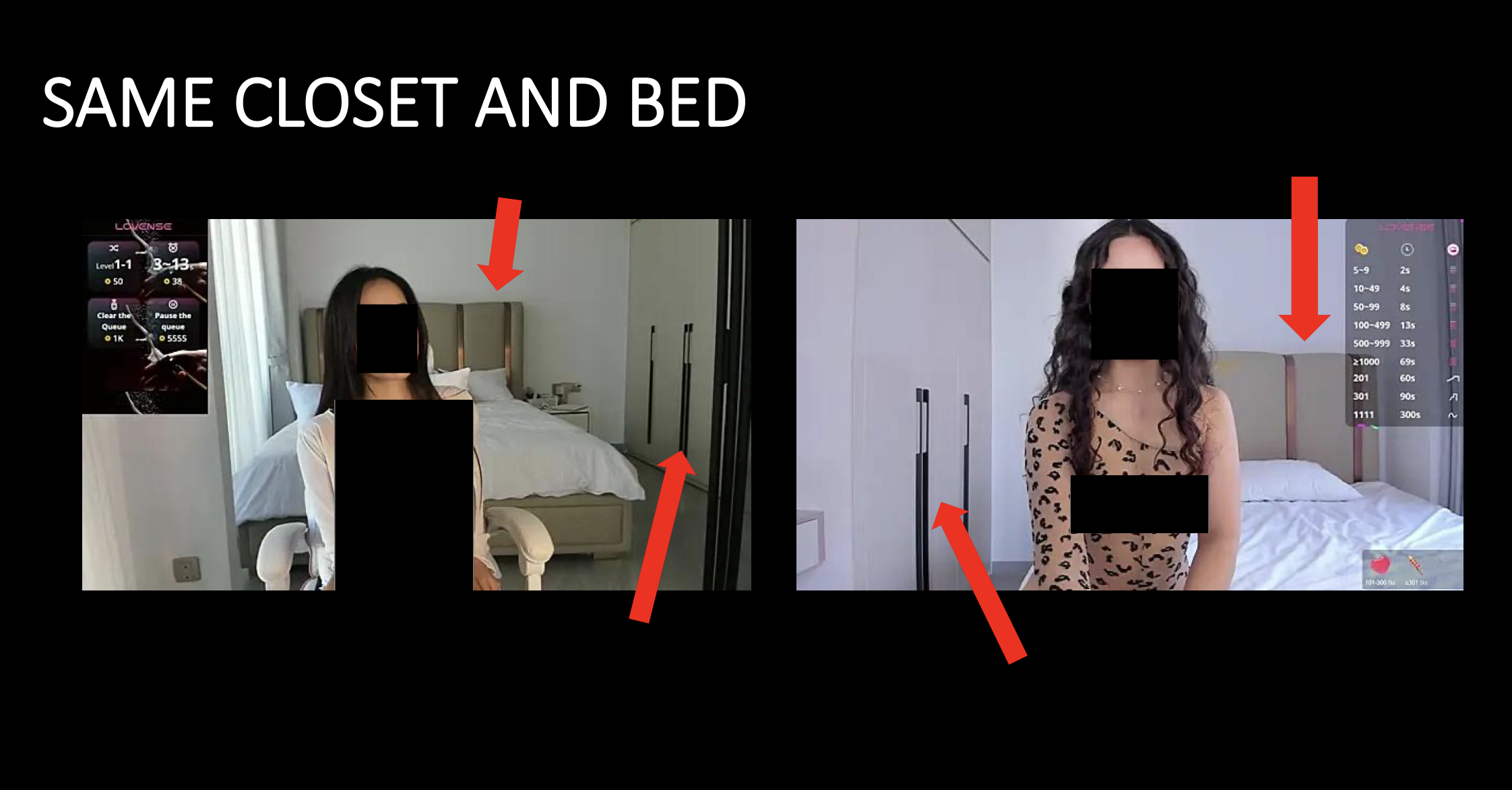
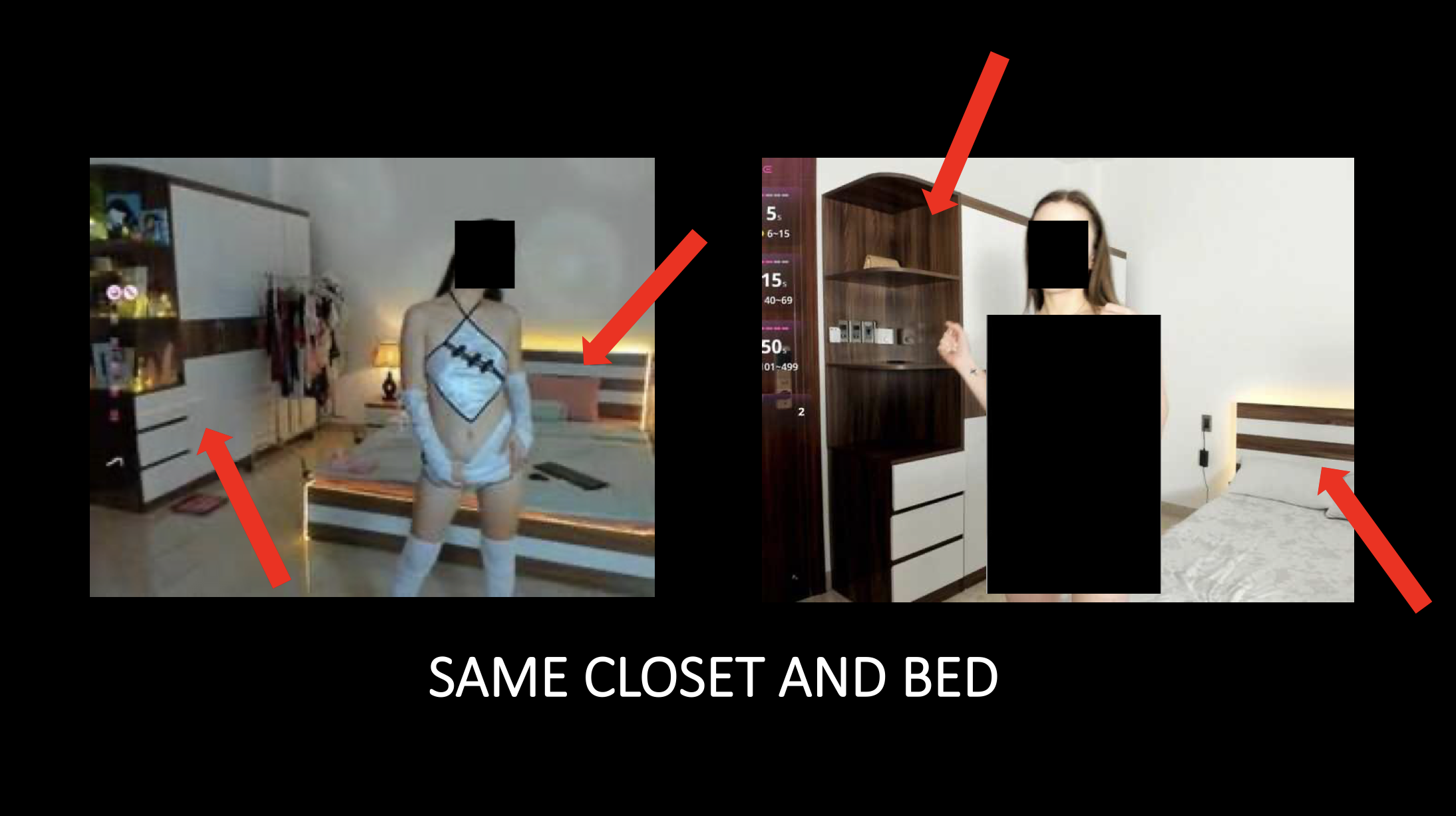
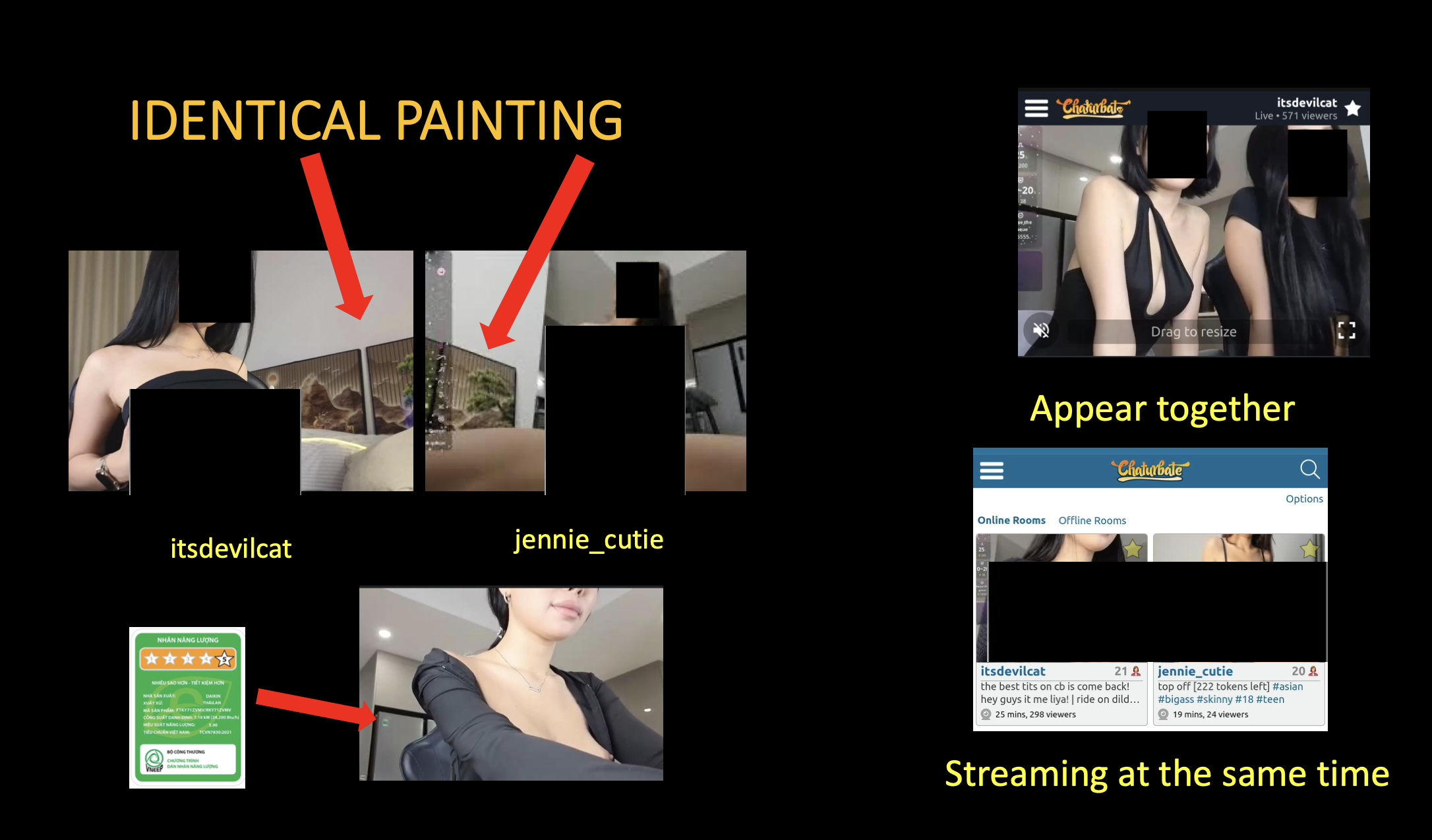
One separate detail was a package from a cosmetics store in Almaty. According to Khoa, this may connect some of the models to Kazakhstan.
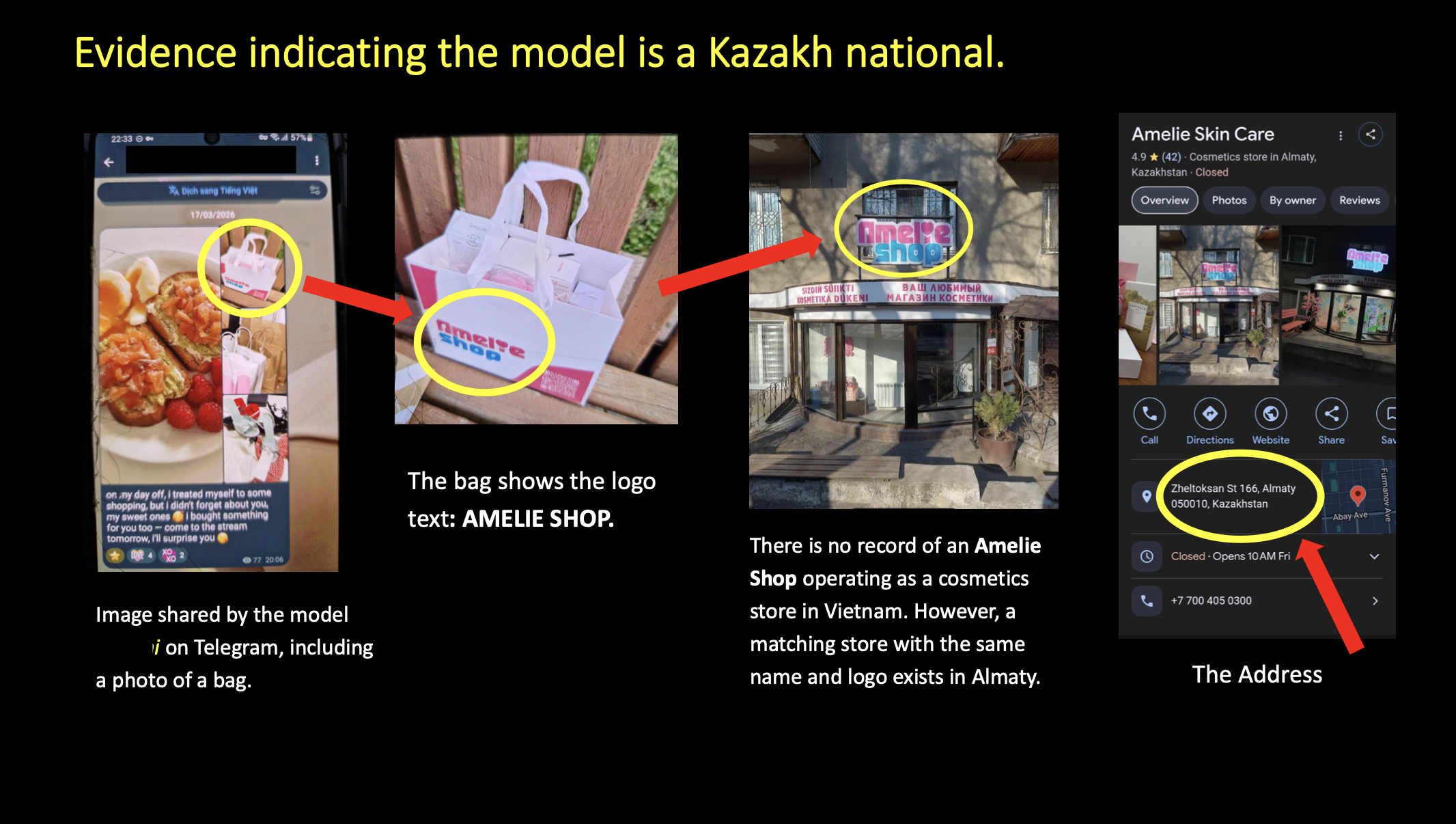
Taken separately, these details could be dismissed as coincidences. But when dozens of such details appear together, they begin to suggest a different picture.
Getting Out Of The Gray Zone
As long as the sex industry remains in the gray zone, stories like this often go unnoticed. They are not discussed openly, they are avoided publicly, and the people involved often cannot properly protect their rights because any conversation quickly turns into condemnation.
That creates space for people who know how to profit from someone else’s vulnerability.
That is why stories like this should be examined not through moralizing, but through possible violations of rights and security. If Kazakh citizens are abroad in conditions of dependence, if they may have been drawn into illegal activity, and if the information in the dossier is confirmed — including allegations that someone organized their travel, work, and accommodation — then this is not only a matter of personal choice. It may also be a matter of protecting citizens from possible human trafficking.
Orda.kz sent inquiries to the Ministry of Foreign Affairs, the Embassy of Kazakhstan in Vietnam, and other competent authorities. At the time of publication, the editorial office had no information on whether the models themselves had sought help or reported being forced to work. Khoa’s claims require verification by the competent authorities.
Read also:
- £195,000 In 13 Days: How Kazakhstan Ended Up In Prince Andrew’s Costliest Tour
- Child Suicides And Violence Rise In Kazakhstan
- Kazakh Woman And Israeli Citizen Sentenced In Kyrgyzstan In Child Trafficking Case
Latest news
- Orda.kz Editorial Team to Cease Operations on September 1
- The Price of a Degree: How Students in Kazakhstan Pay for University
- Second Przewalski’s Horse Foal Born as Species Returns to Kazakhstan
- Kazakh Mining Companies Can Recalculate Purchases if Tenge Weakens
- Kazakhstan Names First Vice President in Three Decades
- What Almaty’s Bus Shelters Are Missing
- 400-Truck Queue Builds at Kazakh–Kyrgyz Border
- Kazakhstan Ready to Help Feed and Rebuild Gaza
- Tokayev Establishes New Presidential Security Body
- Almaty Takes Back Its Nearly Century-Old Hippodrome
- No More Guesswork on Savings: Kazakhstan Tightens Energy Audits for Businesses
- Public Money Could Be Used to Rescue Failing Kazakh Banks
- Third Kazakh Woman Reported Missing in Nepal-China Flood Zone
- Falconer Convicted Over 35 Protected Birds, Spared Punishment Under Amnesty
- Kazakh Citizen Detained in Yakutia in Phone Fraud Case
- Yuan Instead of Dollars? KazMunayGas Draws Record Demand in Asia
- China Gains Oil-Market Influence as OPEC+ Weakens
- Kazakhstan to Divide Smartphones Into White, Gray and Black Lists
- Kazakhstan’s Government Formally Resigns as First Kurultai Session Opens
- Rare Lynx Sighting Recorded in Northern Kazakhstan
