

“Civilized Divorce”: Why Kazakhstan Still Needs the CIS
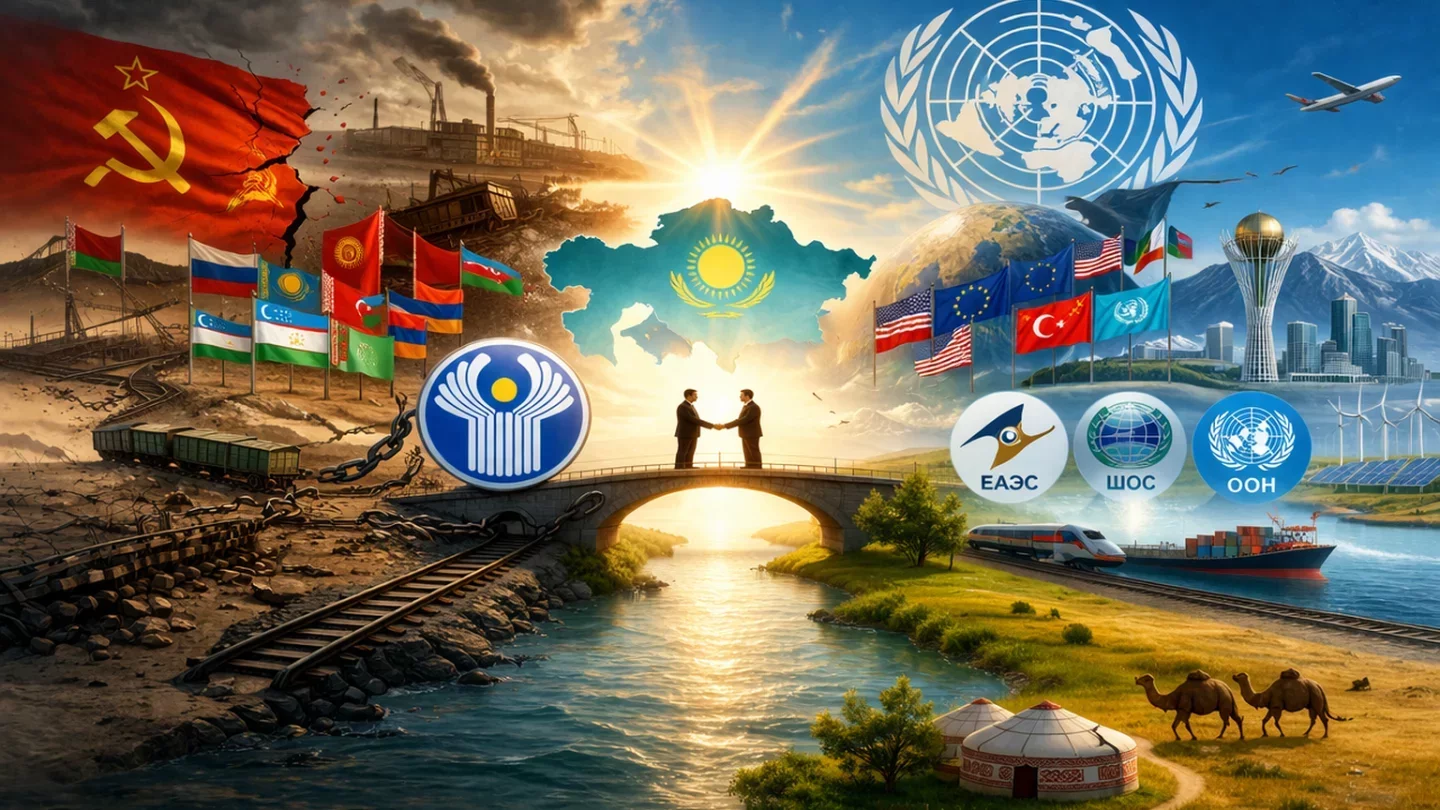 AI-generated illustration
After the collapse of the USSR, the countries of the former Union, including Kazakhstan, had to build new relations. This concerned not only property and the economy, but also the system of governance. Therefore, a new platform, the CIS, appeared to maintain ties between already independent states. However, in addition to brotherly relations with former compatriots, it was also necessary to build a global dialogue. And Kazakhstan gained another status — that of a full member of the UN. Decades later, people began to ask what role these platforms play and whether they are needed at all, Orda.kz reports.
According to political scientist Daniyar Ashimbayev, the Commonwealth of Independent States was originally created as a mechanism that would allow the post-Soviet countries to separate without serious conflicts.
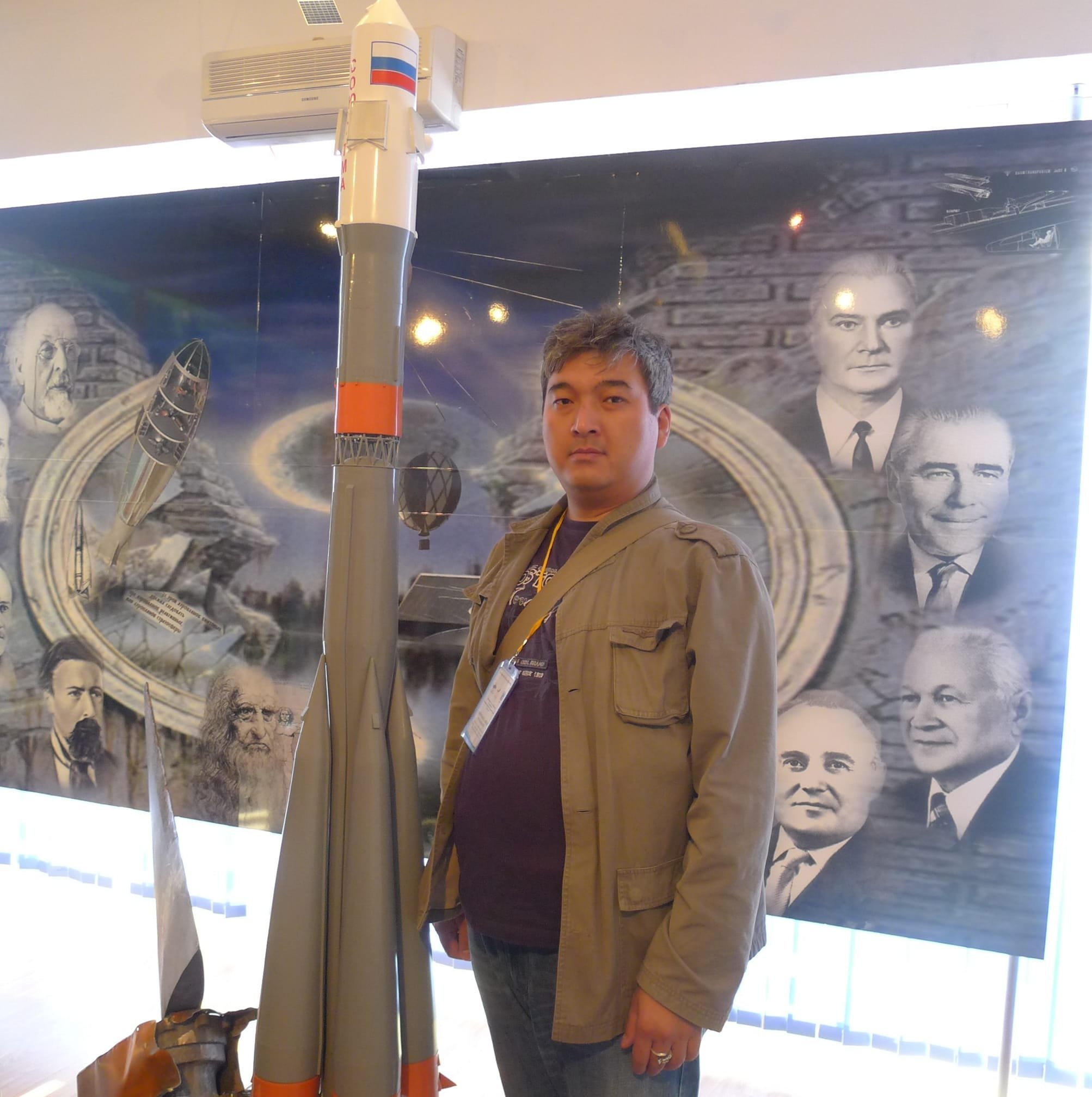
The task of the CIS was to make the divorce of the post-Soviet republics as peaceful as possible. There were issues of property, governance, the army, and infrastructure that needed to be arranged. The CIS gave a contractual basis on which the republics formalized their relations
But the importance of this platform is not limited only to history.
The CIS can be a fiction, a fake, but it is still the platform that operates and where issues can be calmly settled.Ashimbayev said.
But if some believe that the CIS is an active negotiating platform, others think it is not worth limiting ourselves to it.
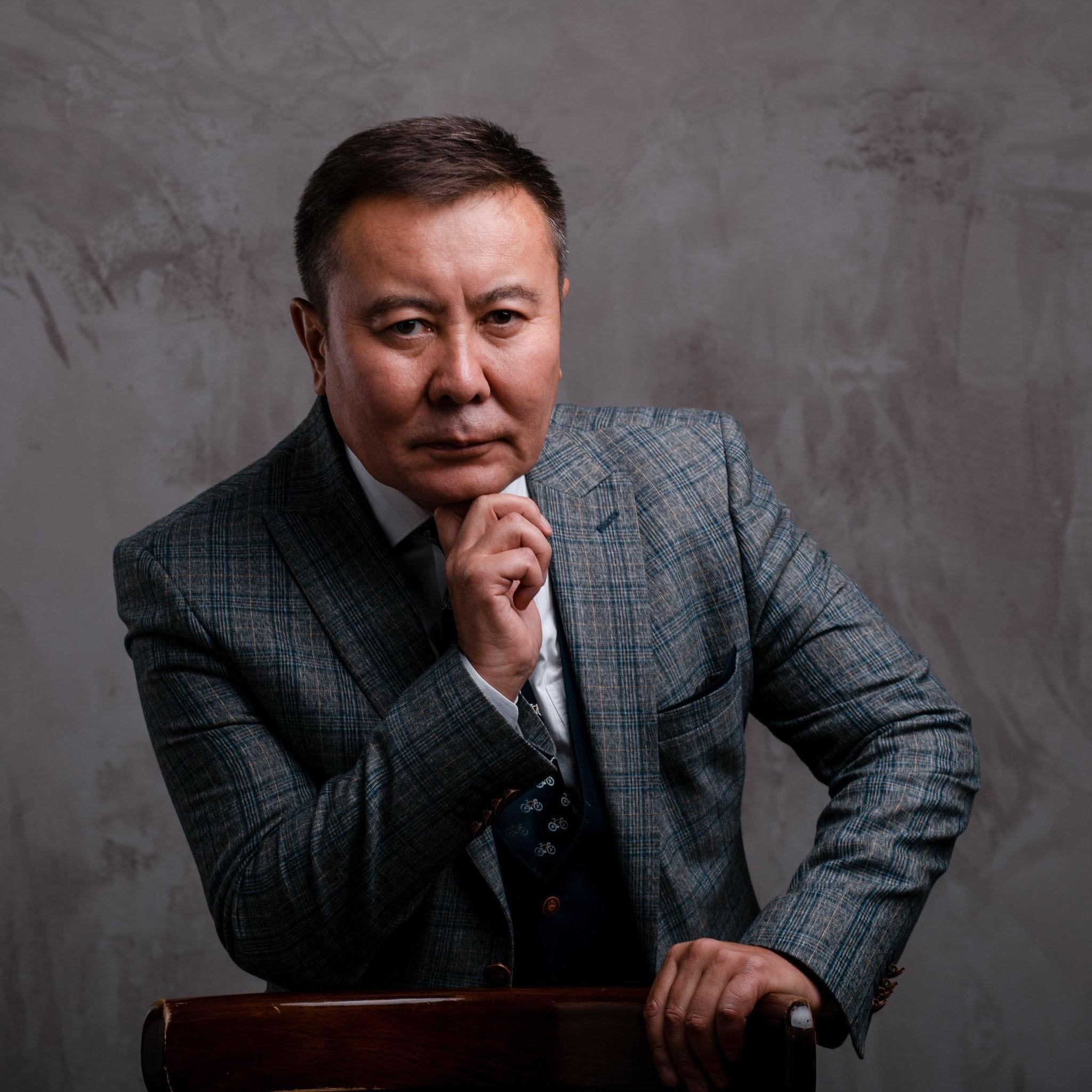
Political scientist Talgat Kaliyev focuses not on the past, but on Kazakhstan’s current position in world politics. According to him, the country consciously participates in several associations at once and does not place its bet on one platform.
We are part of almost all regional blocs. the expert said.
It is this multi-vector approach that makes the CIS a useful instrument:
Kazakhstan needs all the platforms. The CIS is historically one of the most significant because it covers areas that are not closed by other organizations.
At the same time, Kaliyev draws attention to the fact that the very logic of foreign policy is changing today. In the context of global changes, it is important for Kazakhstan to maintain flexibility and balance, and not to increase dependence on other countries. Ashimbayev explains why platforms such as the CIS remain in demand right now.
Every conflict affects the interests of Kazakhstan — be it Ukraine, Iran, or Afghanistan. It is in our interest to maintain normal relations with our neighbors and to be able to resolve issues on a common platform.he said.
Despite this, the CIS remains of practical importance, albeit against the background of declining political weight.
This is the only platform where, for example, Armenia and Azerbaijan can be in the same format and discuss issues.Ashimbayev believes.
Kaliyev adds that it is necessary to maintain participation in all available formats of interaction. According to him, it is precisely this model that allows Kazakhstan to remain embedded in different economic and political processes. Ashimbayev says that this is a whole strategy.
We, roughly speaking, enter both the Russian world, the Western world, the Chinese world, the Islamic world, and the Turkic world.he said.
The experts agree on one thing: the CIS is no longer some kind of development center, but it remains a working tool.
But if for Daniyar Ashimbayev it is primarily a platform for settlement and maintaining ties, then Talgat Kaliyev sees it as part of a broader system in which Kazakhstan builds a balance between different directions. And in the context of the rapid development of world politics, such associations, according to the experts, allow the country to maintain stability and preserve international relations.
Recall that the last meeting of the CIS heads of state was held in December 2025 in St. Petersburg. The leaders of the countries discussed further steps for developing cooperation and priority areas. Earlier, in October 2025, at the summit in Dushanbe, the agenda included issues of security, economic cooperation, the development of transport links, and humanitarian projects. Despite regular meetings and a working agenda, the CIS remains less noticeable to a wide audience compared with such associations as the EAEU, the UN, and the SCO.
The “divorce process” of the USSR was painful. Compatriots became foreigners to each other, and enterprises that had worked as one big chain were cut off. The authorities had to do something about it.
Original author: Alina Elgeldina
Read also:
Latest news
- Dozens of Officials Caught Betting With Bookmakers in Ulytau Region
- What Scheme Could Allow Kazakhstan to Supply Oil to Japan, Expert Explains
- What Will Happen to Gasoline Prices in Kazakhstan? Expert Outlines Three Scenarios
- More Than a Ton of Medicines Smuggled to Almaty Under Guise of Cosmetics
- Kazakhstani Man Suspected of Creating Multi‑Billion Tenge Pyramid Extradited from Georgia
- How Many Drugs Have Been Found in Kazakhstan Since Beginning of 2026, KNB Says
- “Civilized Divorce”: Why Kazakhstan Still Needs the CIS
- Fruit And Vegetable Exports Through Khorgos Rise To 137,000 Tons
- 80 People Defrauded of 40 Million Tenge in Fake UK Job Scheme
- From Taiga to Steppe: Red Book Amur Tigers to Be Resettled in Kazakhstan
- In Zhetysu, Authorities Begin Removing Fences That Blocked Animal Migration
- In Almaty, Over 400 Companies Received Fictitious Licenses for Construction Work
- Six Lives a Day: Why Road Accident Death Rate in Kazakhstan Is Higher Than in Europe and Central Asia
- What Will Change in Astana: New Law on Capital Status Submitted for Discussion
- Kazakhstan’s Foreign Ministry Comments On Conflict Involving Kazakhstanis In Russia
- Earth Hour: Kazakhstan Will Turn Off The Lights
- Vet Service in Turkestan Caught Making Fictitious Purchases
- Barriers Block Animal Migration in Zhetysu, Residents Demand Action
- Kazakhstani Citizens May Be Detained After Mass Brawl at Facility in Russia
- Egypt Removed From List of Countries Not Recommended for Kazakhstani Travelers
