

Pobeda Peak Climber: Woman Trapped in Kyrgyzstan Mountains Shows No Signs of Life
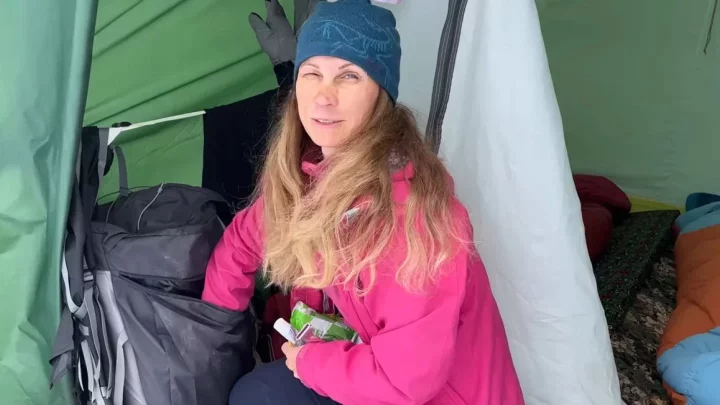 Photo: screenshot from Dmitry Sinitsyn’s video
Russian climber Natalia Nagovitsina, who broke her leg while descending from Pobeda Peak in Kyrgyzstan, is no longer showing signs of life. She was left without food and waited for help for more than a week, Orda.kz reports.
The 47-year-old athlete has been lying in a sleeping bag at an altitude of 7,200 meters since August 12. Temperatures there have already dropped to –23 degrees Celsius. The situation is further complicated by the fact that a rescue operation is almost impossible due to the terrain and severe weather. Even a strong, acclimatized team would need several days to bring her down the mountain.
Kyrgyz rescuers had planned to reach the place where the climber was stranded on Tuesday. But the climb could take up to six days: the closest starting point is the Southern Inylchek camp, located three and a half kilometers lower in elevation.
Meanwhile, several experienced climbers, without waiting for the official expedition, are preparing to set out independently in search of Natalia, according to the SHOT Telegram channel.
What Happened
A climber who ascended parallel to Natalia Nagovitsina’s group told URA.RU that the tragedy began after a successful summit attempt. During the descent, one of the participants fell and pulled Natalia down with him.
As a result, she broke her leg.
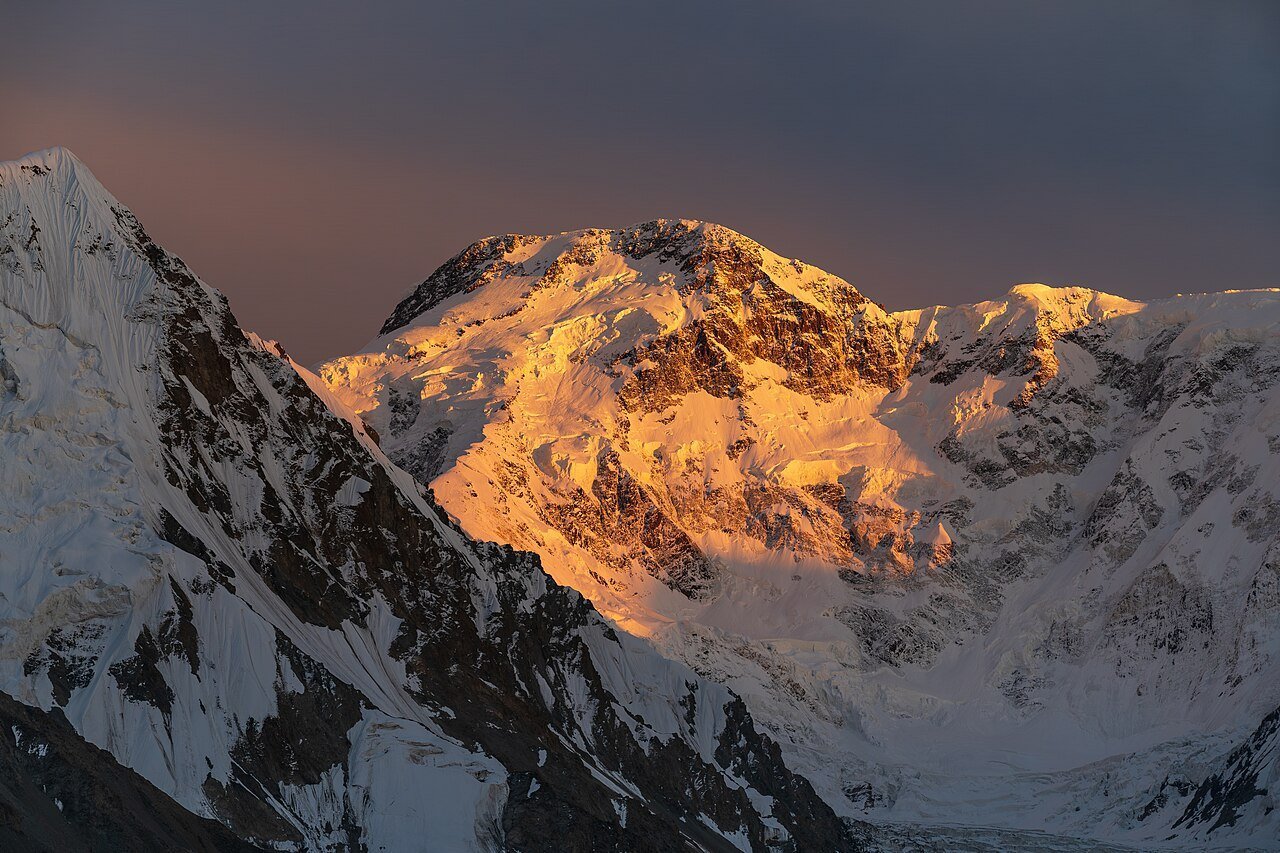
Pobeda Peak is the highest point of the Tien Shan and of Kyrgyzstan as a whole.
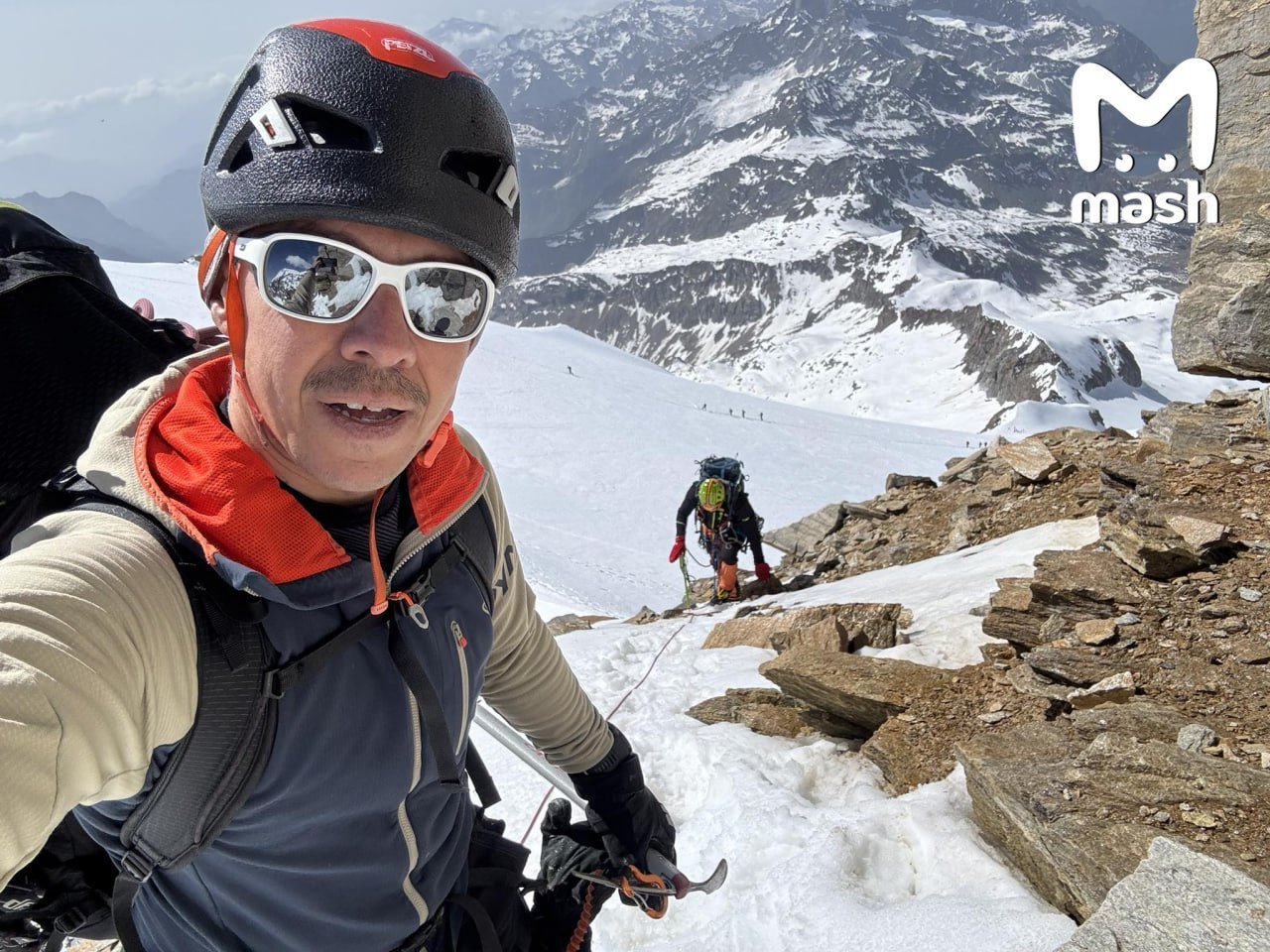
Natalia had to be left in a tent at an altitude of 7,200 meters, while the other climbers, exhausted and frostbitten, moved down. The next day, a German and an Italian climbed up to Natalia, giving her a sleeping bag, a stove, and food.
But their strength was spent, and they spent the night nearby. Later, the men tried to reach her again but were caught in a blizzard at 6,800 meters. Soon, the Italian fell ill, and a doctor on the radio suspected cerebral edema and frostbite of the hands.
On Friday, he died. His body still lies in a cave at an altitude of 6,900 meters.
The remaining climbers were evacuated by an Mi-8 helicopter sent by the Kyrgyz Ministry of Defense. But even the equipment could not withstand the extreme conditions.
When the rescuers were landing, the helicopter made a hard landing and flipped over, three rescuers were injured. Everyone was saved from Pobeda, except Natasha, the climber recalls.
The Defense Ministry had to send another helicopter, the Mi-17VM, which evacuated those from the first helicopter.
The victims were taken to Karakol airport, from where they were rushed to hospital. In addition, 13 rescuers were transported from the Tunduk Enilchek site to the Char-Kuduk camp. Doctors report that their condition is stable and gradually improving. Meanwhile, Natalia remains trapped in the snow.
Fading Chances
In the same place where Natalia is now, climber and master of sports Mikhail Ishutin died several years ago. On the descent from the summit, his heart stopped. His body has not yet been recovered.
At this altitude, winds reach 100 kilometers per hour, and temperatures fall to –26. According to drone footage, Natalia has stopped moving.
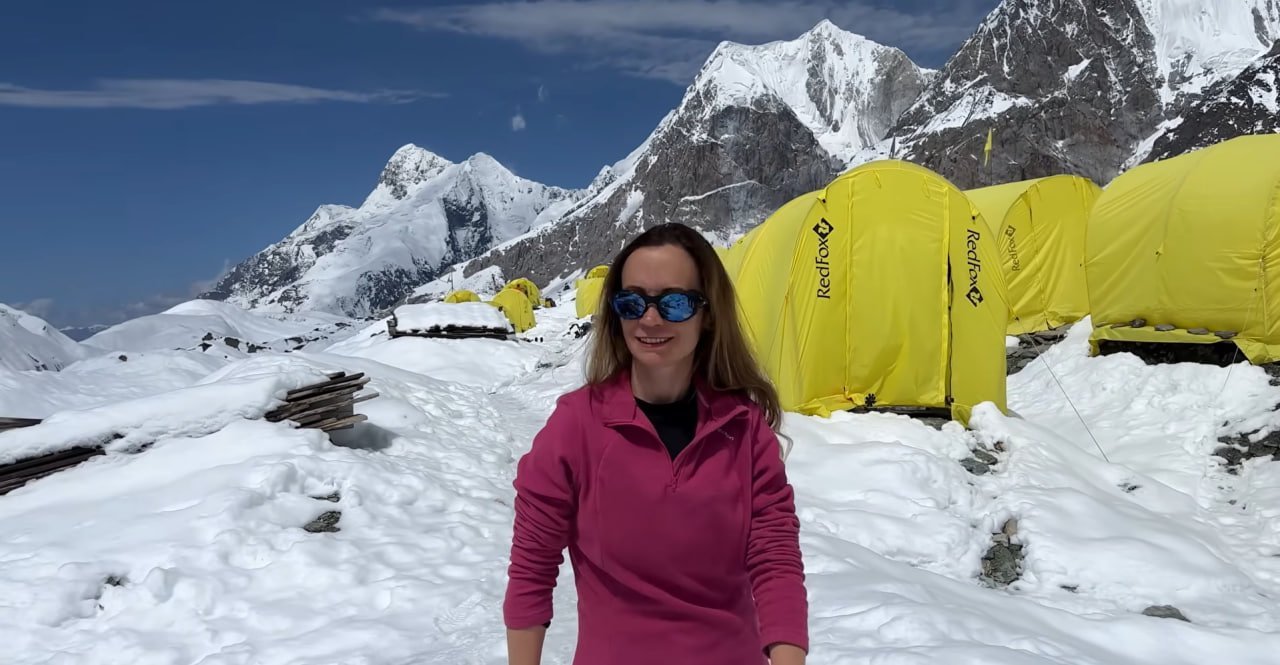
Natalia has already faced tragedy in the mountains. Her husband, Sergey Nagovitsyn, fell from the wall of Khan-Tengri towards Kazakhstan at an altitude of more than two thousand meters on the night of August 10, 2021.
The cause was sudden paralysis. Natalia refused to leave him and spent the whole night at his side, but it was impossible to save him.
A year later, she climbed to the summit again to install a memorial plaque. This episode became the basis of Dmitry Sinitsyn’s documentary Stay with Khan-Tengri.
Natalia herself began mountaineering in 2016. Four years later, she led her first expedition—to the eastern summit of Elbrus.
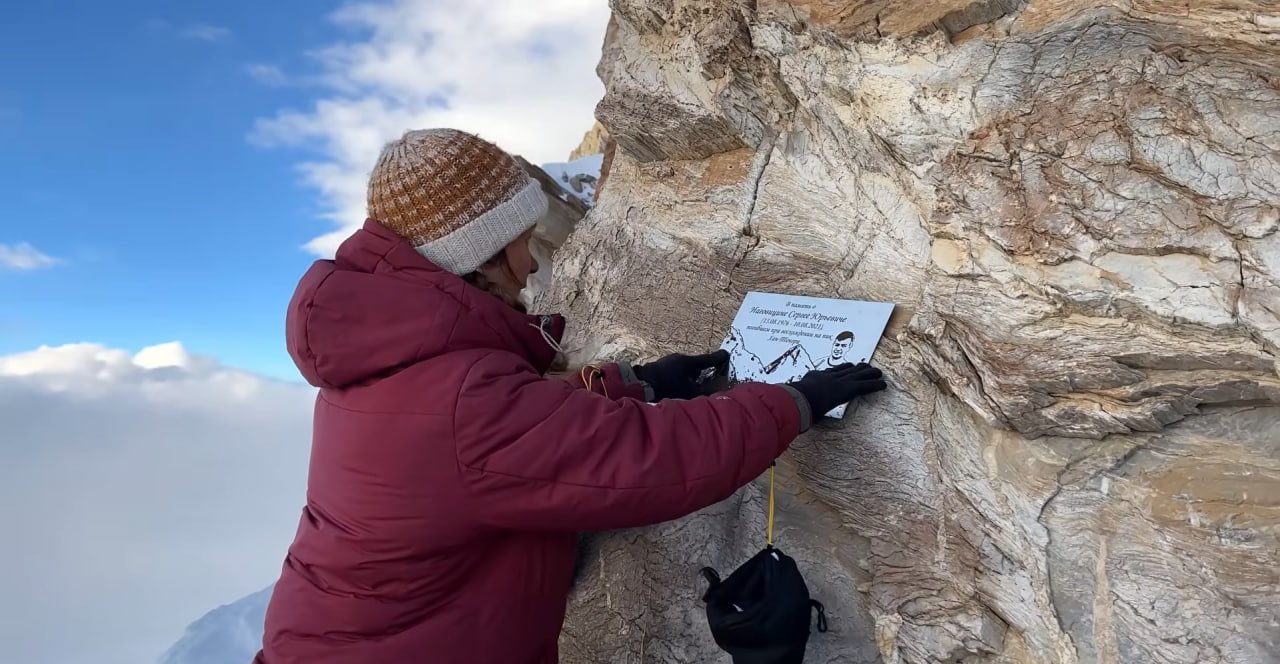
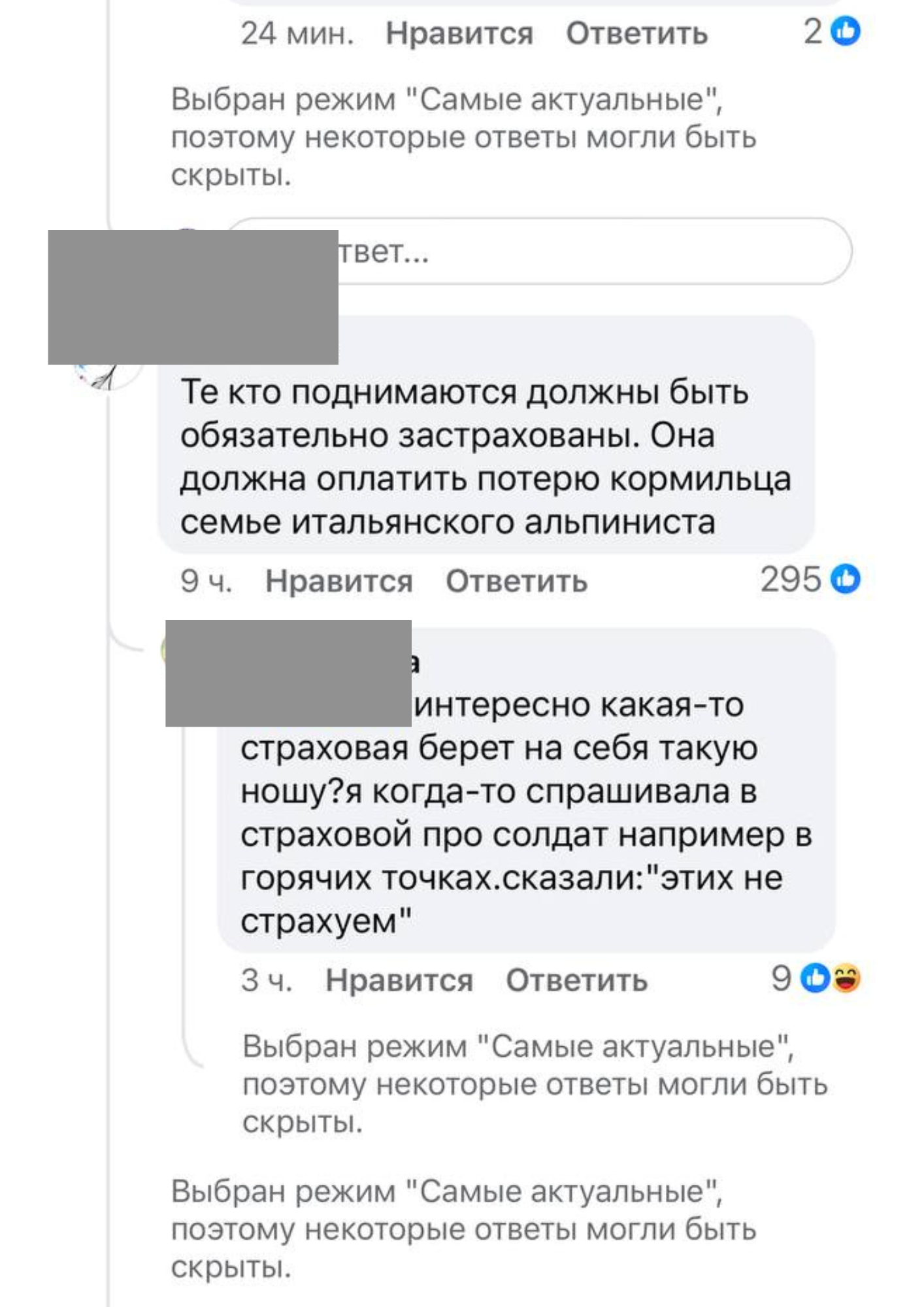
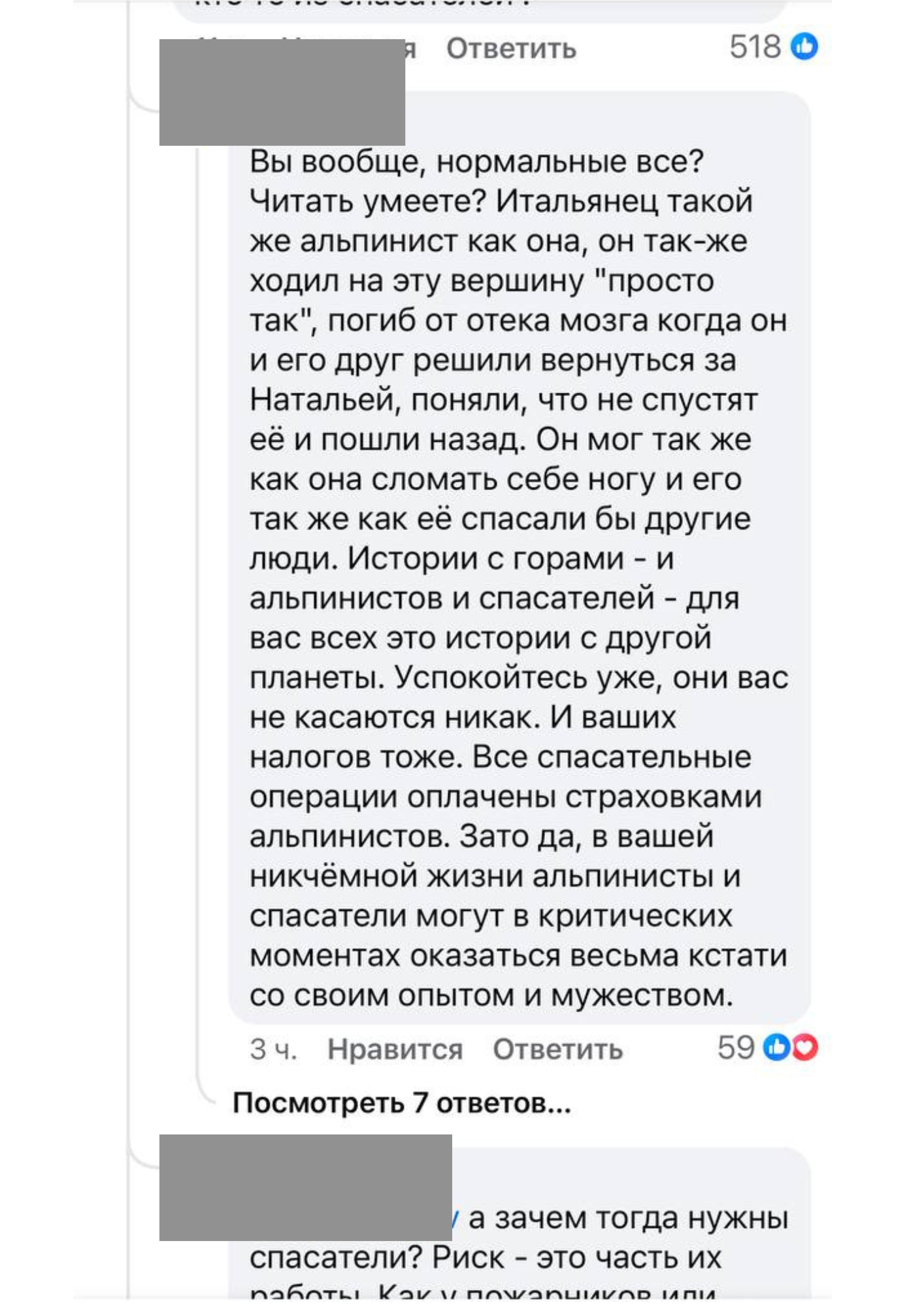
The documentary has gained popularity again after the current situation. Social media users are divided in their comments on Natalia: some support her, hoping she will survive; others criticize the risks, calling her passion foolish.

Opinions are also divided on the issue of insurance that climbers take out before expeditions.
Often, the coverage applies to tourist trips and active recreation, covering the risks of death or injury if they occur as a result of an accident during a trip or sport.
In Kyrgyzstan, foreign climbers are required to have a medical policy, and an ordinary “tourist” policy is not enough. Standard insurance will not cover a fall on a slope or frostbite at an altitude of six to seven thousand meters. The policy must include mountaineering, ice climbing, and extreme sports.
Such insurance can be obtained from an insurance company or through a travel agency, which can also organize a rescue operation. The most critical condition is the inclusion of helicopter evacuation and search-and-rescue operations.
- One hour of helicopter flight costs from $2,500
- A full-scale operation will cost at least $8,000–16,000
- If transportation abroad is required, the amount can rise to $70,000
At the same time, if you turn directly to the Ministry of Emergency Situations of Kyrgyzstan, the rescue operation may be delayed several times, since they rely on the equipment of the Armed Forces of the Kyrgyz Republic.
Insurance must also cover the treatment of altitude sickness — statistics show that most tourists climbing above three thousand meters experience its symptoms. Without an insurance policy, you risk not only being left without help but also receiving an enormous bill for every minute of the rescue operation.
It is also important to note that Kyrgyzstan does not require climbers to register ascents or declare routes in advance, since the “Regulations on the procedure for licensing tourist and mountaineering activities in the Kyrgyz Republic” were repealed in 2001.
According to Vesti.kg, this was followed by annual growth in tourist numbers — from 779,900 people to 2.4 million, nearly tripling in five years.
In 2004, Kyrgyzstan’s budget received more than 136 million soms (about 836 million tenge) in taxes, almost three times more than the year before. And by 2008, the state budget had grown by 245 million soms (about 1.5 billion tenge).
Authors: Alina Pak, Yegor Grozny
Latest news
- Orda.kz Editorial Team to Cease Operations on September 1
- The Price of a Degree: How Students in Kazakhstan Pay for University
- Second Przewalski’s Horse Foal Born as Species Returns to Kazakhstan
- Kazakh Mining Companies Can Recalculate Purchases if Tenge Weakens
- Kazakhstan Names First Vice President in Three Decades
- What Almaty’s Bus Shelters Are Missing
- 400-Truck Queue Builds at Kazakh–Kyrgyz Border
- Kazakhstan Ready to Help Feed and Rebuild Gaza
- Tokayev Establishes New Presidential Security Body
- Almaty Takes Back Its Nearly Century-Old Hippodrome
- No More Guesswork on Savings: Kazakhstan Tightens Energy Audits for Businesses
- Public Money Could Be Used to Rescue Failing Kazakh Banks
- Third Kazakh Woman Reported Missing in Nepal-China Flood Zone
- Falconer Convicted Over 35 Protected Birds, Spared Punishment Under Amnesty
- Kazakh Citizen Detained in Yakutia in Phone Fraud Case
- Yuan Instead of Dollars? KazMunayGas Draws Record Demand in Asia
- China Gains Oil-Market Influence as OPEC+ Weakens
- Kazakhstan to Divide Smartphones Into White, Gray and Black Lists
- Kazakhstan’s Government Formally Resigns as First Kurultai Session Opens
- Rare Lynx Sighting Recorded in Northern Kazakhstan
