

How to Reduce Kazakhstan’s Energy Losses: Expert Opinion
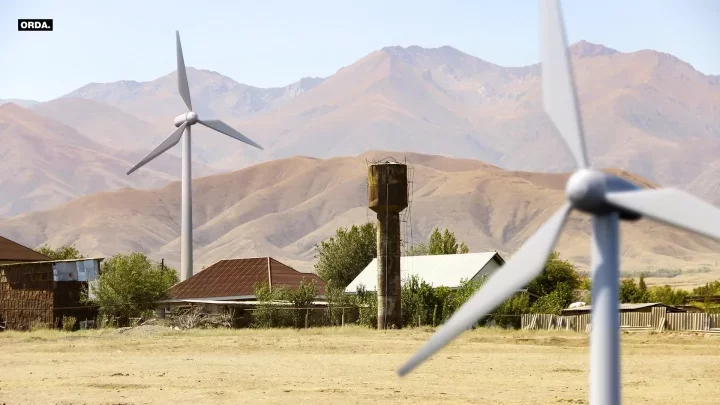 Photo: Orda, collage
"Energy deficits" have been a topical discussion as of late in Kazakhstan. The problem lies not only in production but also in electricity lost during delivery.
At the iRIF forum in Almaty, Orda.kz spoke with Eduard Siemens, director of the branch of Anhalt University of Applied Sciences in Kazakhstan, about possible solutions.

Wind and Solar Potential
Siemens pointed out that renewable sources could help offset losses — but not only in the form of large fields of turbines and panels.
In Germany, about 33% of electricity is generated by wind power plants. Most of them are located in the north of the country and the Baltic Sea. But a significant portion of large industrial enterprises are located in the southern federal states of Germany. And, of course, some electricity is lost when delivered from north to south.
In Kazakhstan, the challenge is even greater due to vast distances and low population density.
Siemens suggests small wind and solar plants near villages to supply local communities and minimize transmission losses.
Potential Solutions
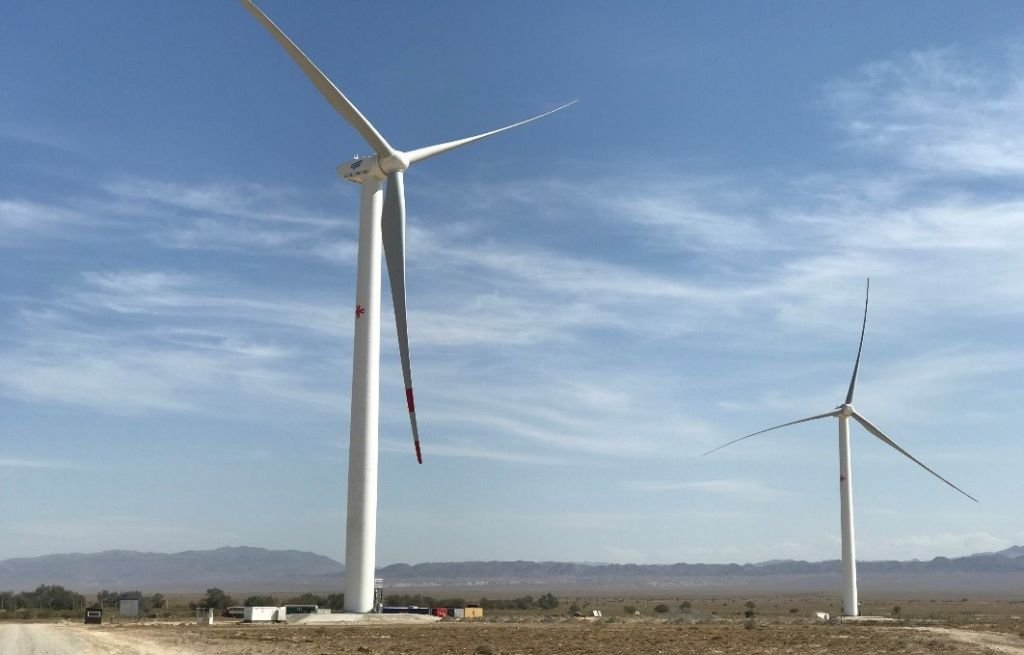
Siemens believes small-scale wind and solar installations could provide electricity directly, avoiding long-distance transmission.
Similar systems are already used in German industries to cut utility costs.
The expert also spoke about hydroelectric plants, highlighting risks tied to large facilities such as Russia’s Sayano-Shushenskaya plant (accident in 2009) and Ukraine’s Kakhovka plant (destroyed in 2023).
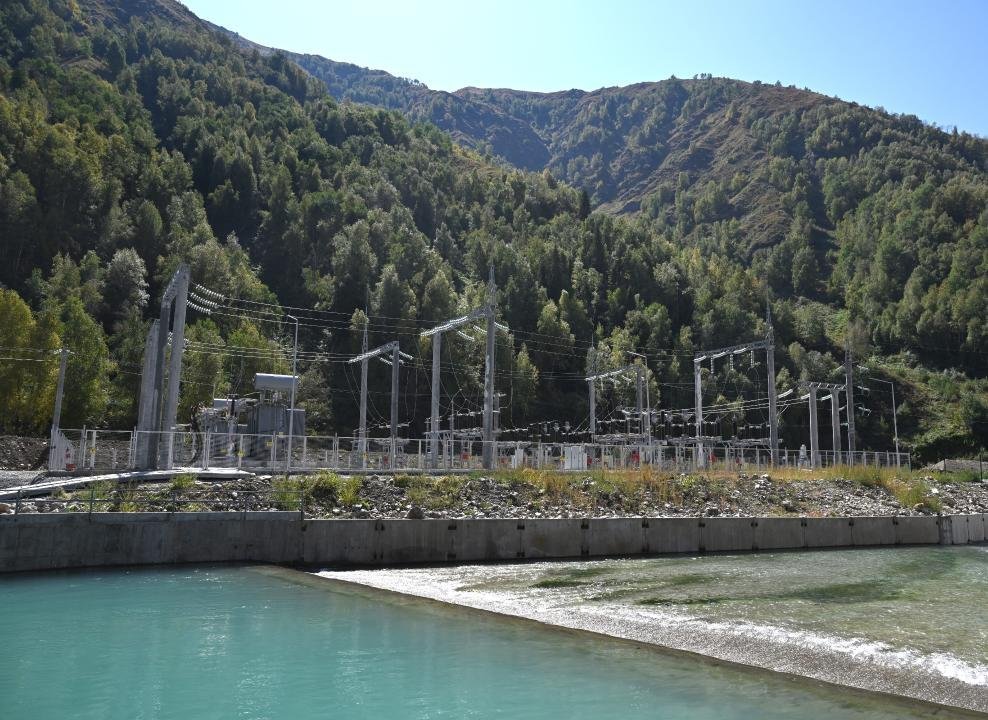
While Kazakhstan relies heavily on major hydroelectric stations, Siemens sees potential for small facilities — especially in Kyrgyzstan and Tajikistan, where mountainous terrain and rivers make them more practical.
Any introduction into the environment changes it. The smaller the introduction, the easier it is for nature to regenerate its consequences. But man cannot change the fact that he needs energy. You can go radical and say: 'Let's live completely without electricity.' And then we will ride horses and trample the grass. That's also an impact.
Siemens noted Kazakhstan’s fragile nature and pointed to past mistakes, such as the plowing of virgin lands, which damaged the soil.
Nuclear Energy
On nuclear energy, Siemens stressed that decisions are largely political — both in Kazakhstan, which is moving ahead with its first NPP, and in Germany, which shut down its plants.
Germany decided to abandon nuclear energy after the 2011 disaster at Fukushima. And there was an assumption that something like this could happen in Germany. I was talking about the Kakhovka hydroelectric power station, which was destroyed as a result of the war. If the same thing happens to the Zaporizhzhia nuclear power plant, it will be a disaster of a completely different nature. Five to ten years ago, we assumed that a full-scale war in Europe could not happen.
He added that Kazakhstan is likely to meet modern safety standards, but costs will be high.
In Germany, nuclear power was three to four times more expensive than wind power before it was shut down in 2023. And the argument 'it's cheaper' doesn't work. It doesn't work in Korea, France or England. And if it's done according to modern standards of reliability and safety, it will be a fairly expensive energy source.

Siemens also reminded that the issue of nuclear waste remains unresolved, though future solutions may emerge.
Original Author: Igor Ulitin
Latest news
- Orda.kz Editorial Team to Cease Operations on September 1
- The Price of a Degree: How Students in Kazakhstan Pay for University
- Second Przewalski’s Horse Foal Born as Species Returns to Kazakhstan
- Kazakh Mining Companies Can Recalculate Purchases if Tenge Weakens
- Kazakhstan Names First Vice President in Three Decades
- What Almaty’s Bus Shelters Are Missing
- 400-Truck Queue Builds at Kazakh–Kyrgyz Border
- Kazakhstan Ready to Help Feed and Rebuild Gaza
- Tokayev Establishes New Presidential Security Body
- Almaty Takes Back Its Nearly Century-Old Hippodrome
- No More Guesswork on Savings: Kazakhstan Tightens Energy Audits for Businesses
- Public Money Could Be Used to Rescue Failing Kazakh Banks
- Third Kazakh Woman Reported Missing in Nepal-China Flood Zone
- Falconer Convicted Over 35 Protected Birds, Spared Punishment Under Amnesty
- Kazakh Citizen Detained in Yakutia in Phone Fraud Case
- Yuan Instead of Dollars? KazMunayGas Draws Record Demand in Asia
- China Gains Oil-Market Influence as OPEC+ Weakens
- Kazakhstan to Divide Smartphones Into White, Gray and Black Lists
- Kazakhstan’s Government Formally Resigns as First Kurultai Session Opens
- Rare Lynx Sighting Recorded in Northern Kazakhstan
