

Debate Over “LGBT Propaganda” Amendments Emerges in Kazakhstan
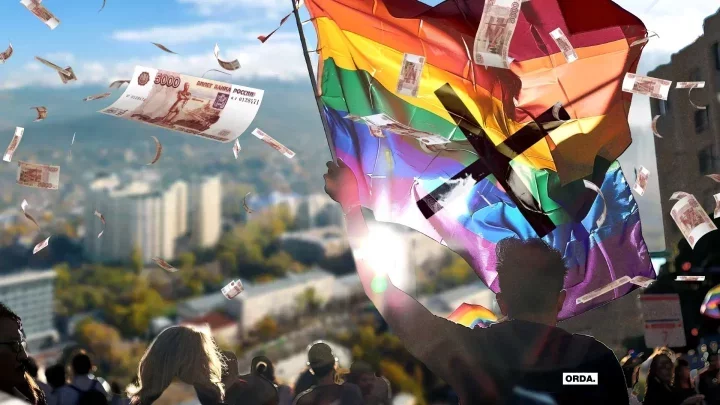 Photo: Orda collage
Kazakhstan’s social media is flooded with debate over amendments banning what deputies call “LGBT propaganda.”
Critics of the proposal argue that, under the pretext of protecting children, lawmakers are introducing a law that legitimizes social hostility and could pave the way for targeting people who do not conform to conventional norms.
Supporters of the amendments, however, back the deputies and argue that the law is necessary.
Orda.kz examined why opinions are so divided.
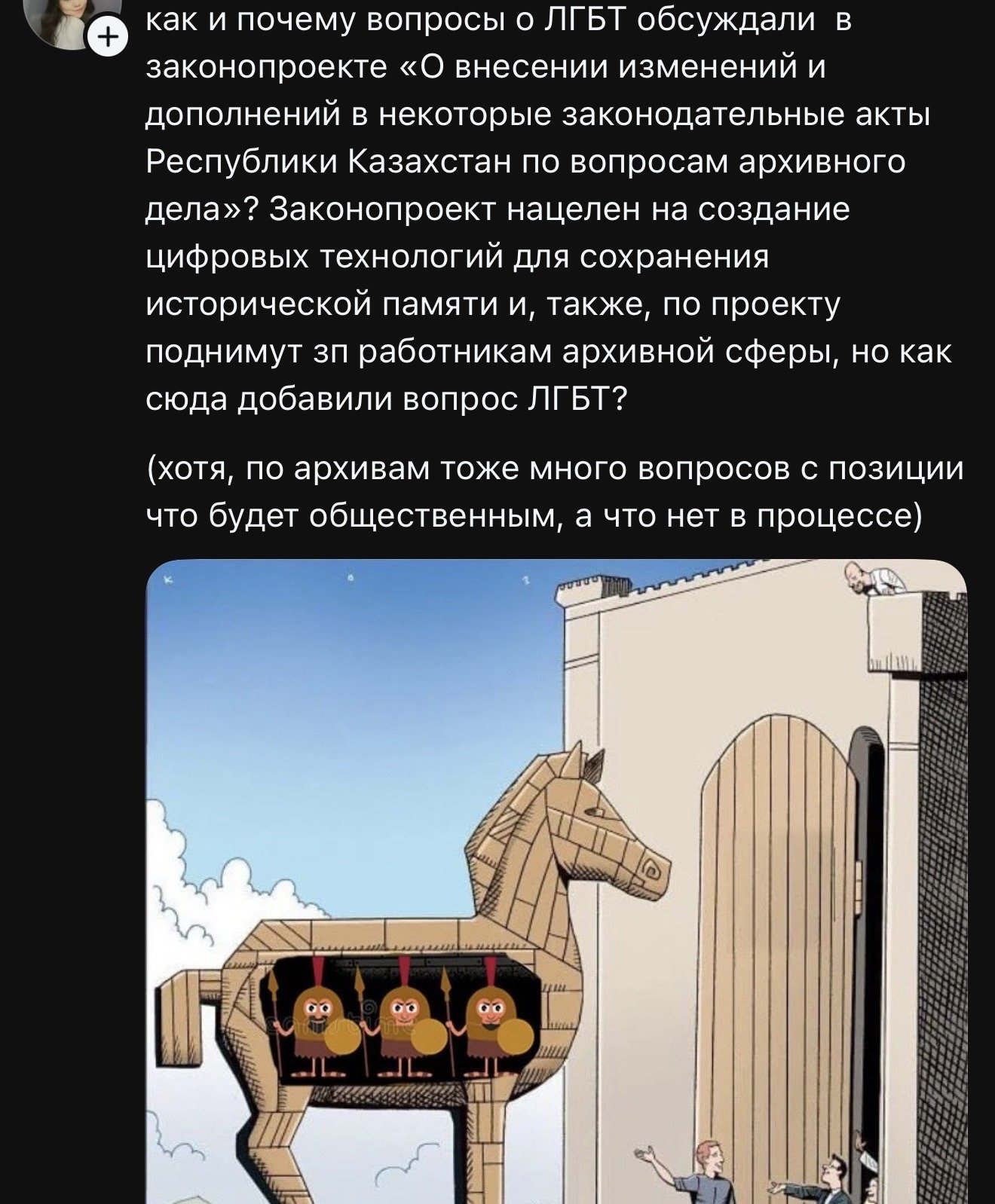
As a reminder, MPs inserted a clause on banning “LGBT propaganda” into a bill originally concerning archival regulations. The Majilis has already approved it in the final reading; it will then be reviewed by the Senate and then by the president.
We previously explained the possible results of the amendments.
Online Debate
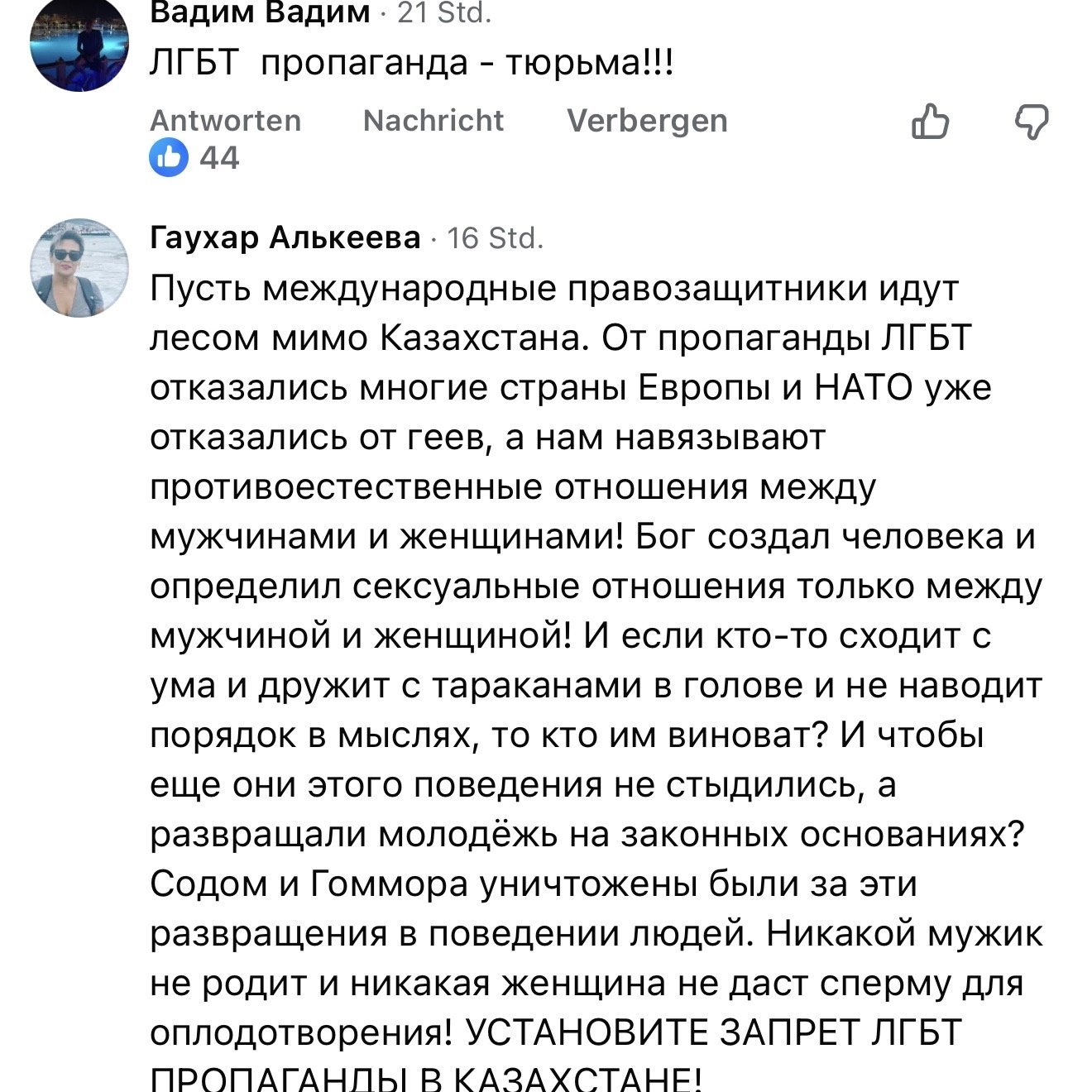
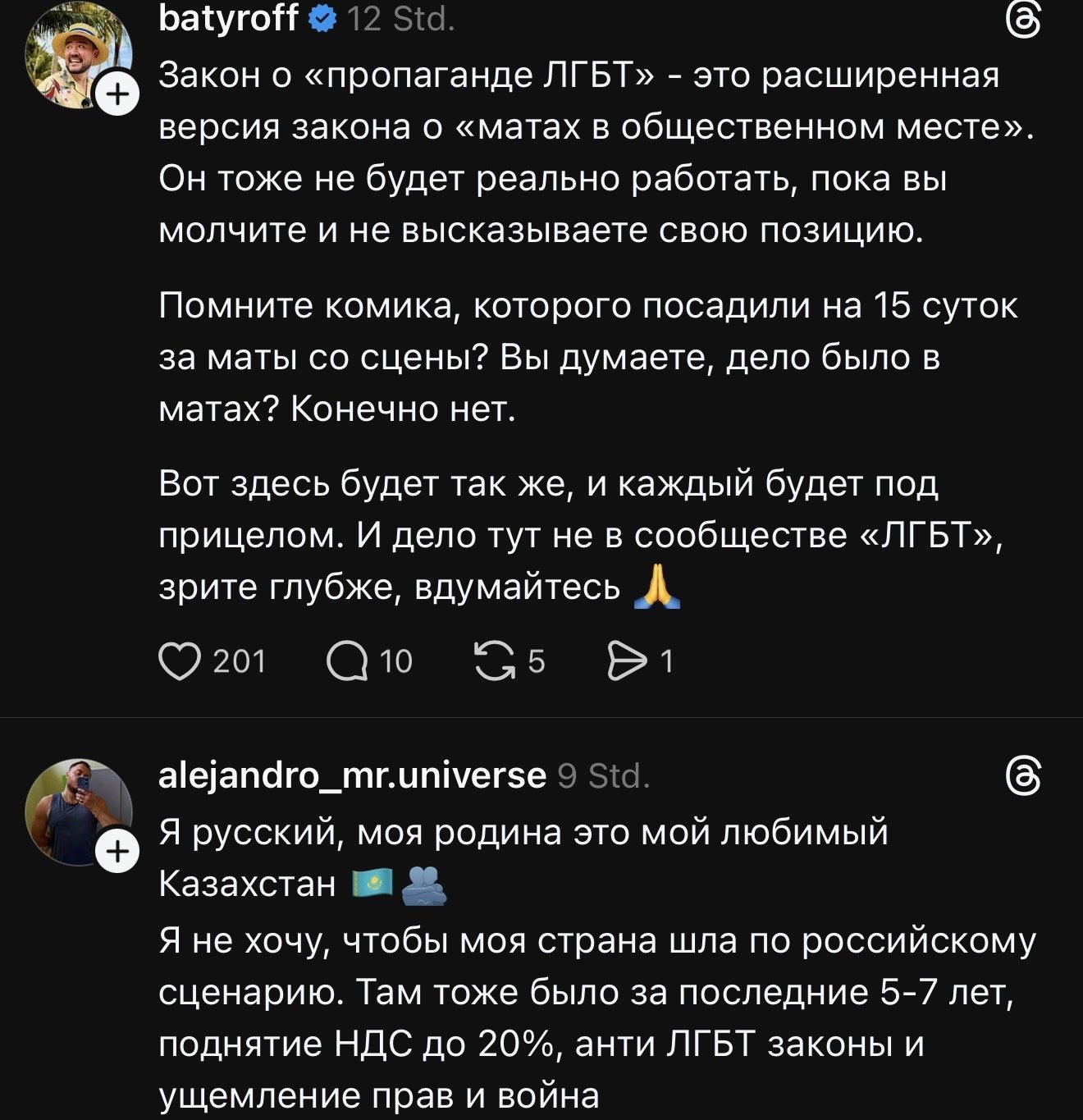
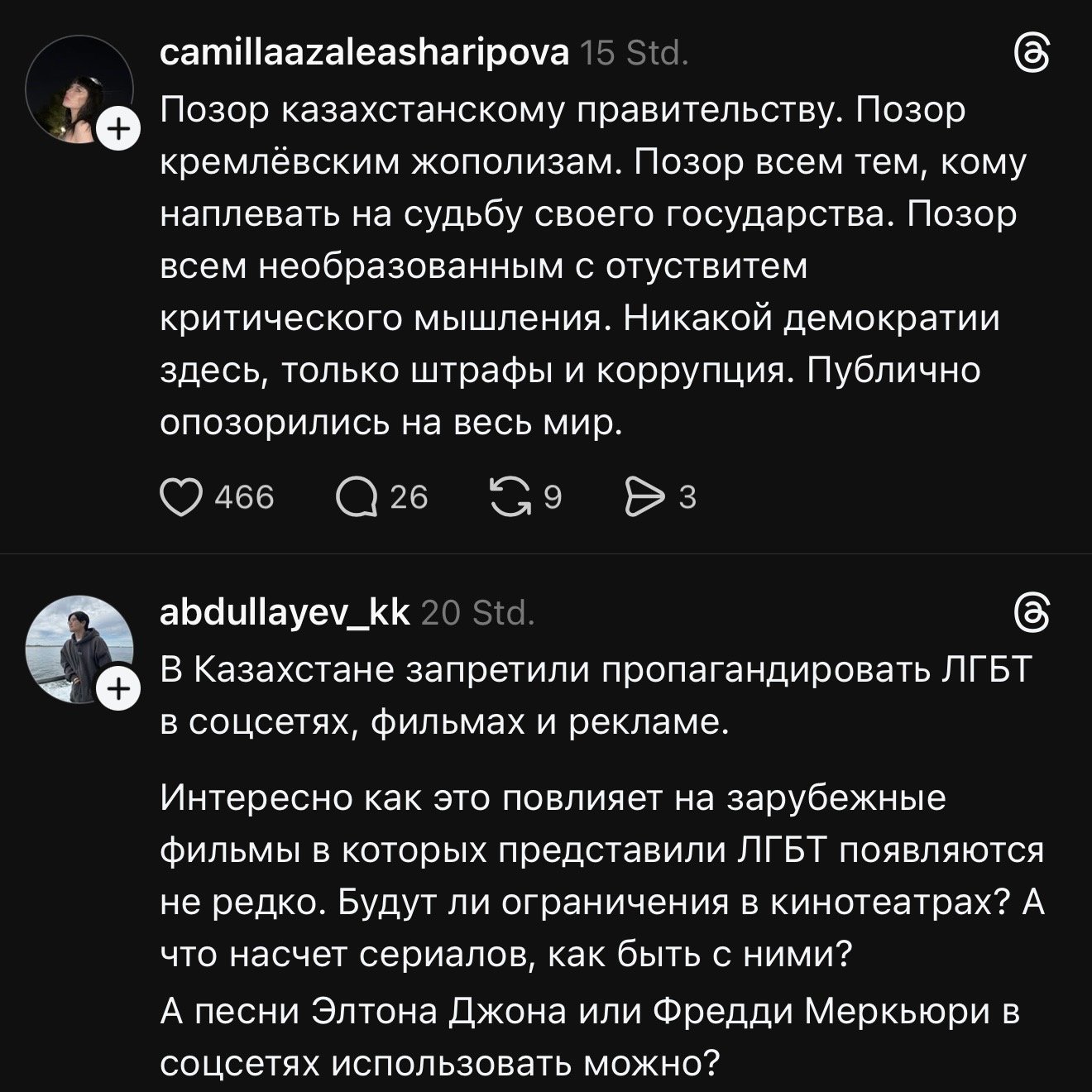
Online discussions remain polarized: some warn that the amendments will worsen violence and suicide rates, while others welcome the restrictions and question why LGBT communities are alarmed.
Banning LGBT propaganda isn't banning homosexuality itself, but rather forcing it on people as if it's ‘normal’! Know the difference!
one user writes.
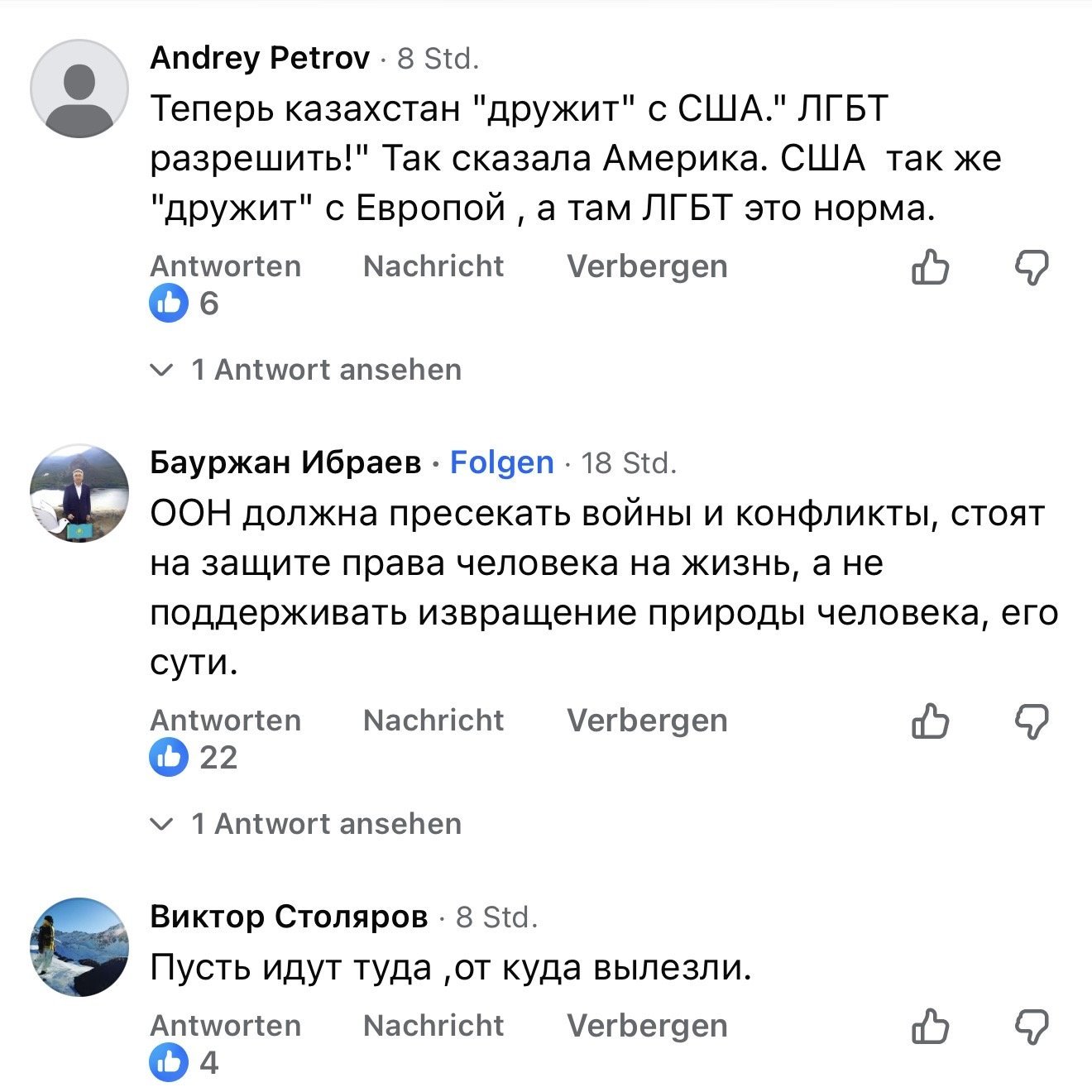
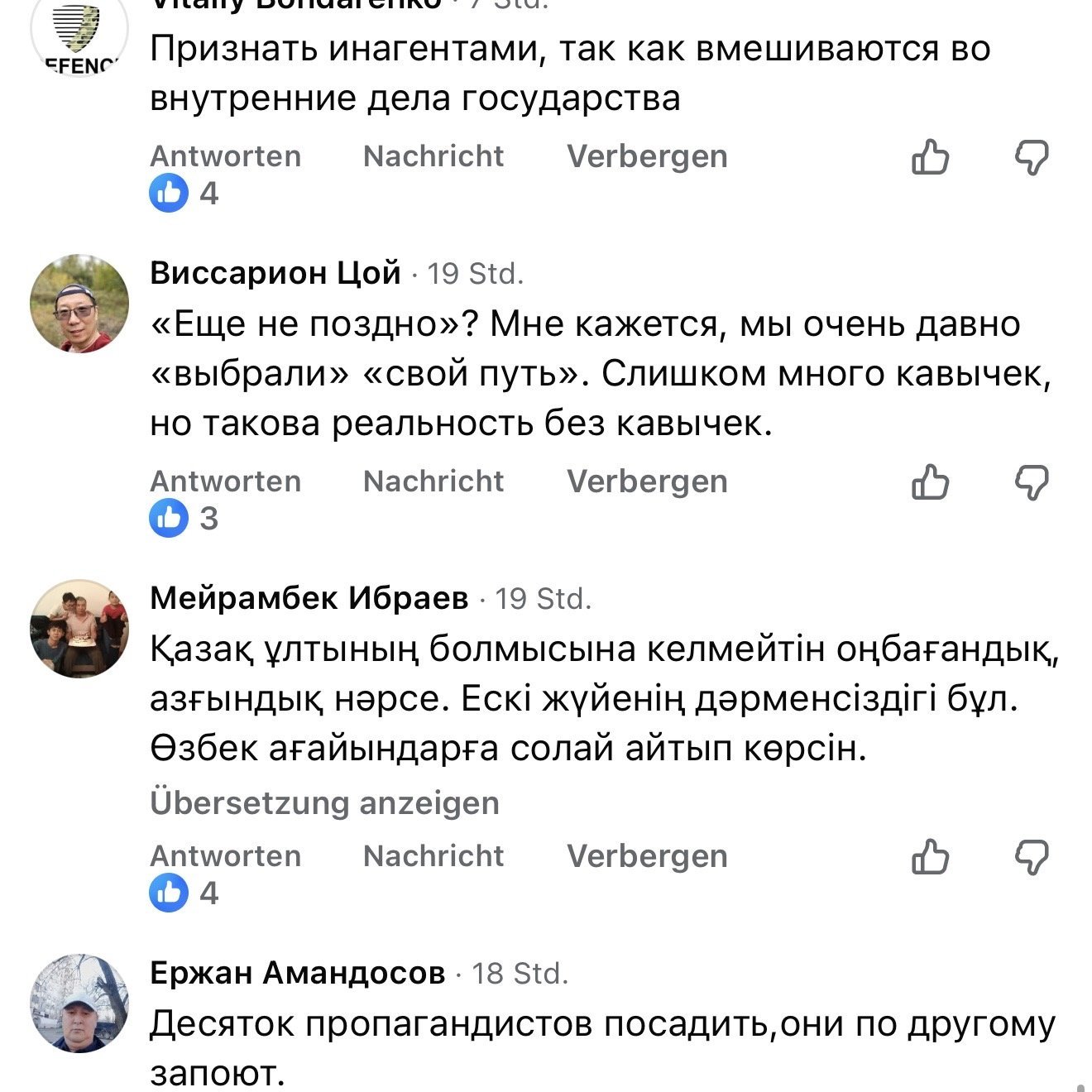
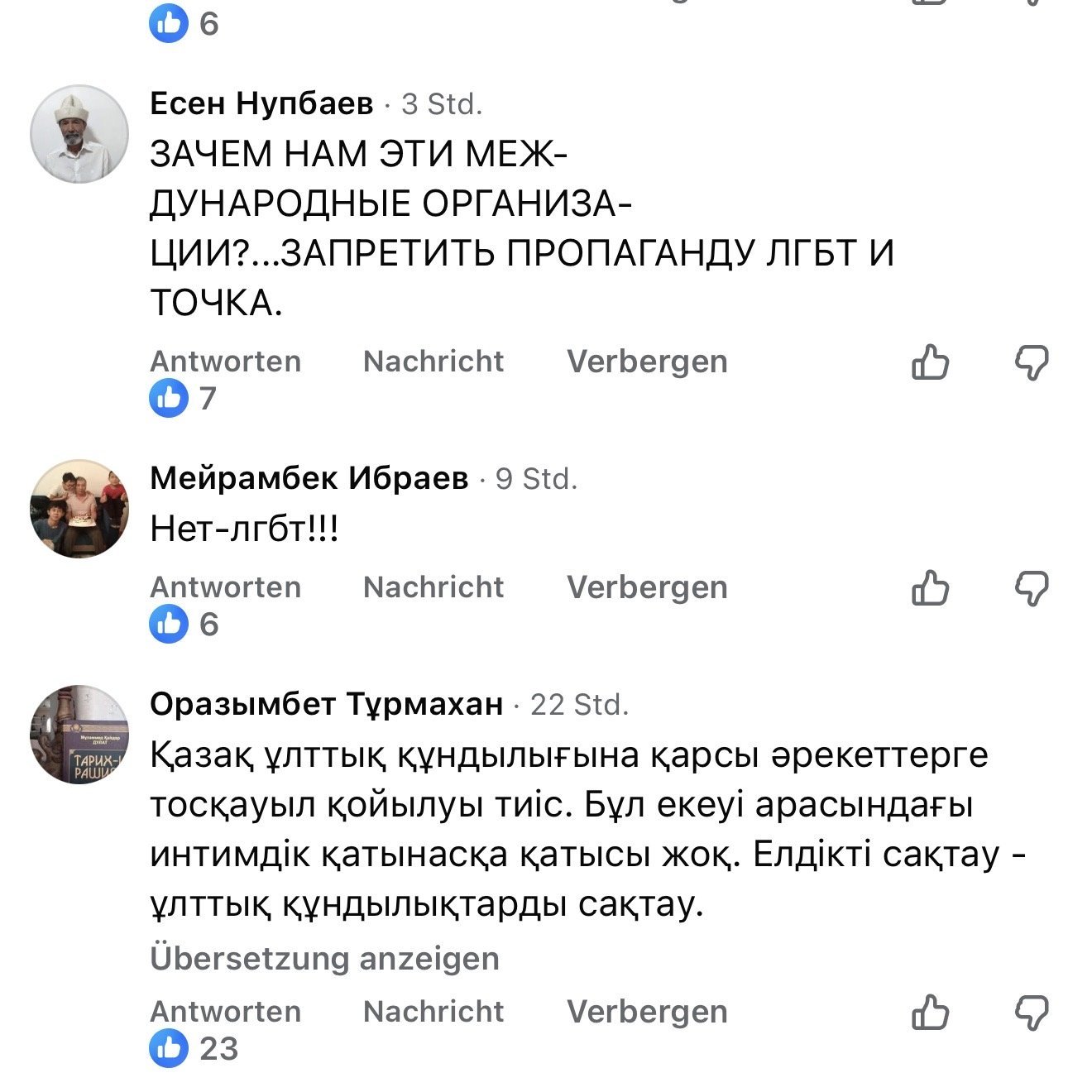
Deputies insist: “We are not banning you, we are banning propaganda.”
They argue the restrictions apply only to public space.
The proposal has been compared to Russia’s “gay propaganda” laws. Although authorities deny similarities, the parallels are arguably clear.
Russian President Vladimir Putin once made similar claims about non-interference in private life.
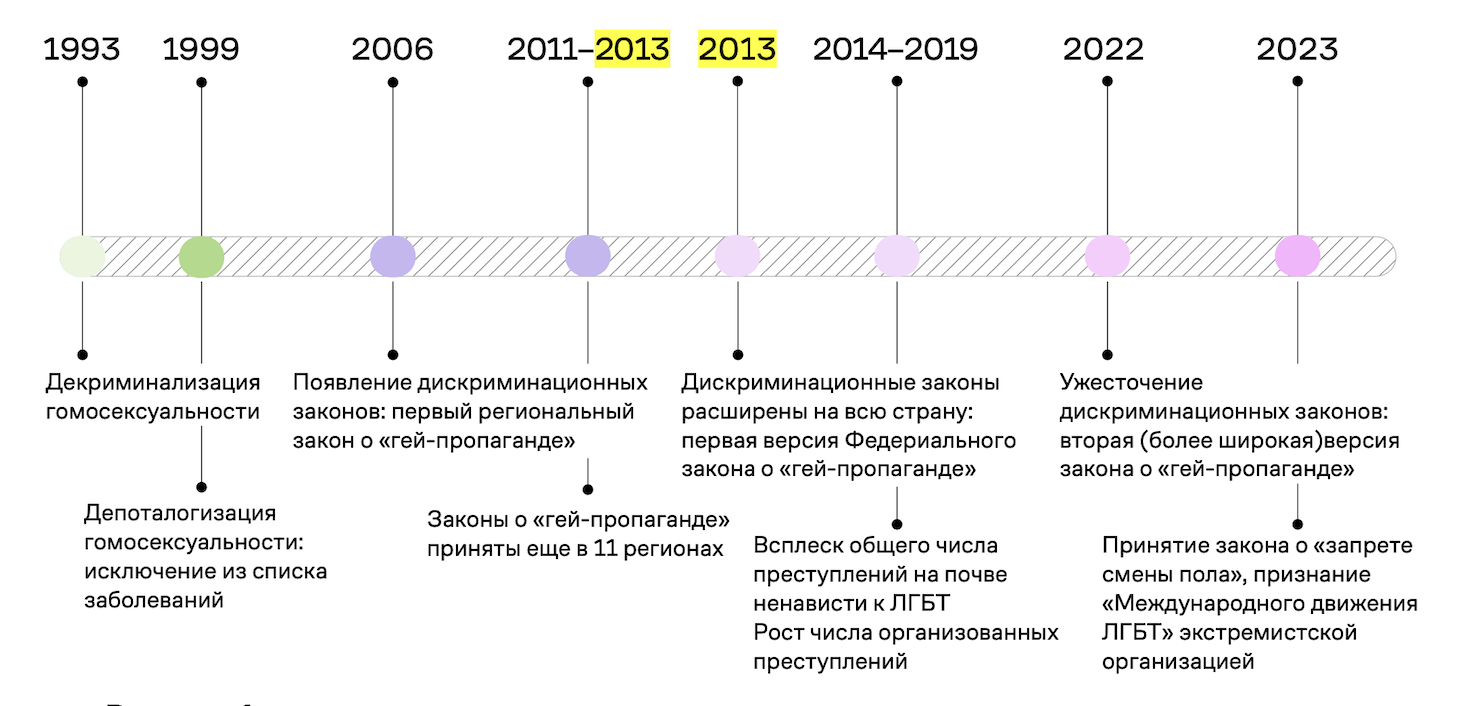
According to the report Homophobic Legal Policy in Russia, Russia’s “propaganda” law, adopted in 2013, initially targeted activists but later expanded, affecting journalists, publishers, artists, and businesses.
In 2022, any positive mention of LGBT people became grounds for prosecution.
Opinions Voiced
Dina Tansari, founder of the NeMolchi Foundation, publicly opposed the amendments during a livestream.
She argued the law was adopted “with violations and manipulation,” adding that it does not protect children but redirects social frustration toward vulnerable groups.
Firstly, the law was passed with numerous violations. It's not even a law, but rather subordinate amendments laden with manipulation and false information. Whatever they call this law, it's a hunt for LGBT people. And now all the public hatred the government has allowed, fueled by poverty in Kazakhstan, an authoritarian regime, high levels of corruption, and high prices for basic goods, will be directed at LGBT people.
Tansari said, adding that such measures contribute to fear among teenagers and higher risks of violence and suicide.
The state has said 'sic 'em. Now it's legal to subject LGBT people to violence. Our beautiful, fashionable children will all start wearing sacks because they'll be afraid of looking LGBT. Our teen suicide rate will increase.
Tansari reminded that any form of violence begins with silence and shame:
Those who have survived sexual violence are familiar with discrimination. Because women were forbidden from talking about it. When I was one of the first women in Kazakhstan to write a post in 2016 about my experience of sexual gang assault, I suffered hate and discrimination for two years. People told me to shut up and not write about it. I knew it was unfair; I wanted to talk about it to prevent violence and so that other women wouldn't feel ashamed. Do you know what it's like to live in shame? I had a tremendous need to talk about my experiences, but our society, with its patriarchal views, forbade women from speaking out about violence for many years. For 20 years, Kazakhstan remained silent and blamed women. That's discrimination
Meanwhile, Journalist Galina Ryzhkina published a post that gained wide traction:
I'm tired of repeating that there's no such thing as LGBTQ propaganda. It's not a choice or a way of life. The principle of non-discrimination is enshrined in the Constitution. Eliminating a vulnerable minority from society is fascism, while democracy, even formally, should protect this minority.

The journalist added that moral issues are often raised most loudly by those who are not free of vices themselves:
The history of Kazakhstan's government, from its first to its second, is a history of lust and debauchery. We've never held it accountable for corruption, let alone its moral character. Who's held it accountable for its second and third wives, all its offspring, adultery, and sexual scandals? Yet the entire country knows that Almaty isn't Kazakhstan's Sodom and Gomorrah, but the Left Bank, which elevates male needs and consumerism in relationships to the level of a cult, so passionately seeking to legitimize its own sin. This is literally nauseating. Hence the fatigue.
Ordinary Users' Concerns
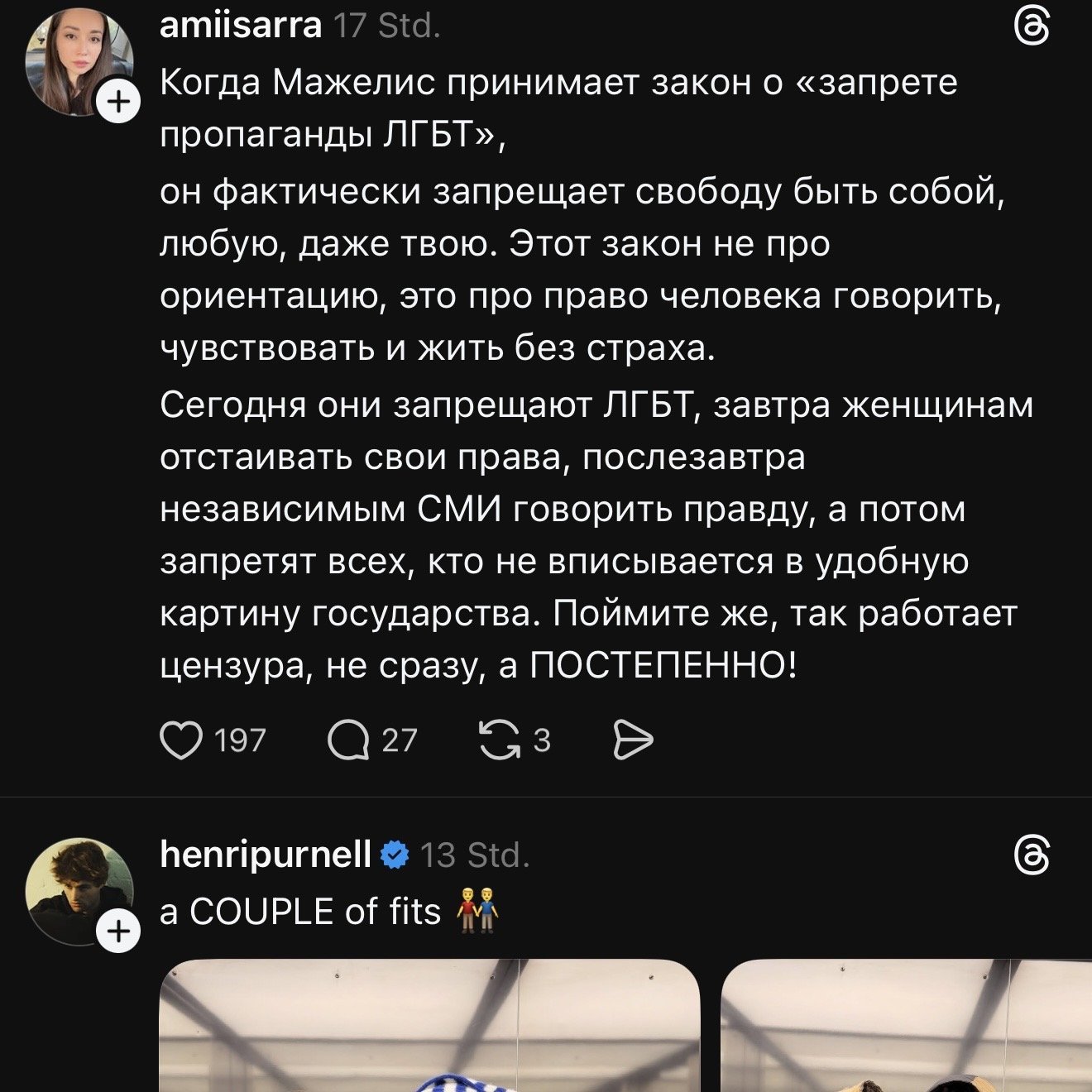
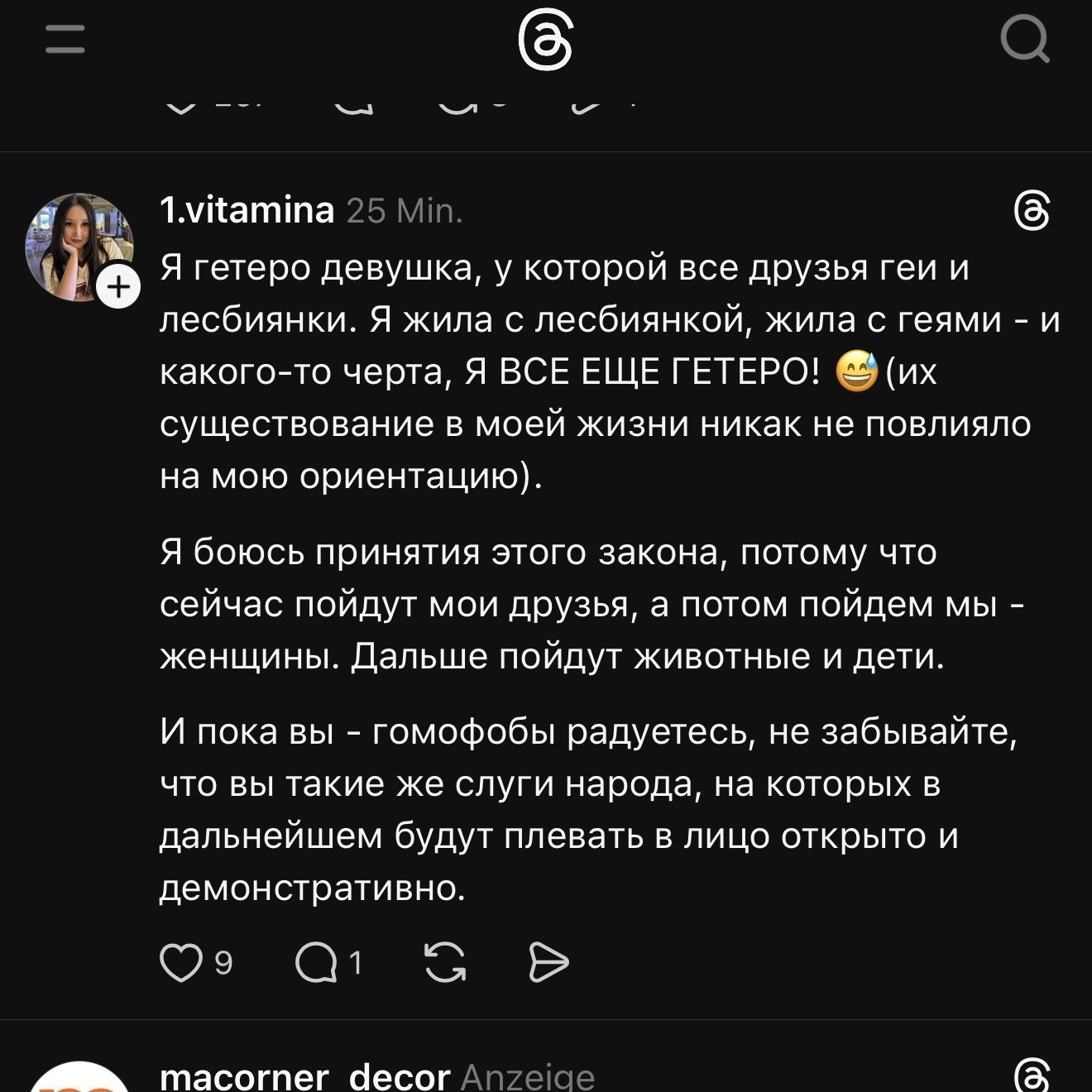
Commentary suggests that many Kazakhstanis believe that the law "banning LGBT propaganda" applies not only to LGBT people, but to everyone.
When the Majilis passes this law, it effectively bans the freedom to be yourself — any kind of person, even your own. This law isn't about sexual orientation; it's about a person's right to speak, feel, and live without fear. Today they ban LGBT people, tomorrow they ban women from defending their rights, the day after tomorrow they ban independent media from telling the truth, and then they'll ban anyone who doesn't fit into the state's convenient picture.
one comment reads.
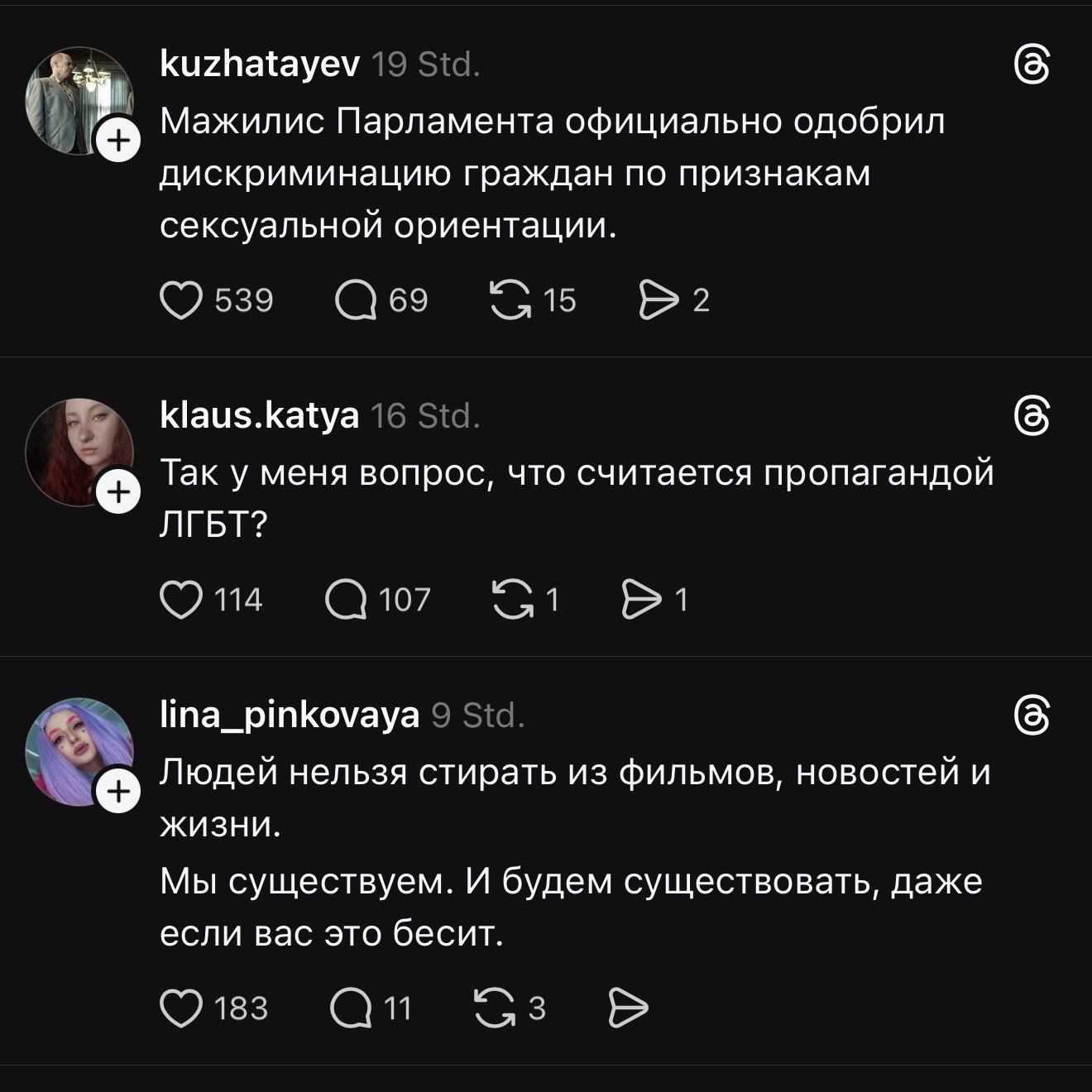
Others note that representation in films or media does not influence sexual orientation:
Fine them. I have wonderful gay friends. I admire many same-sex relationships, which are stronger than heterosexual ones because they are filled with love and respect. I support those who come out. Showing a gay or lesbian person in a movie doesn't make someone gay. It's not propaganda. It's just life.


One individual has already reported harassment, linking it to the heightened public rhetoric.
Activists say the amendments create a tool for censorship and pressure rather than protection.
They have submitted a request to hold a rally in Astana.
Original Author: Yegor Grozny
Latest news
- Orda.kz Editorial Team to Cease Operations on September 1
- The Price of a Degree: How Students in Kazakhstan Pay for University
- Second Przewalski’s Horse Foal Born as Species Returns to Kazakhstan
- Kazakh Mining Companies Can Recalculate Purchases if Tenge Weakens
- Kazakhstan Names First Vice President in Three Decades
- What Almaty’s Bus Shelters Are Missing
- 400-Truck Queue Builds at Kazakh–Kyrgyz Border
- Kazakhstan Ready to Help Feed and Rebuild Gaza
- Tokayev Establishes New Presidential Security Body
- Almaty Takes Back Its Nearly Century-Old Hippodrome
- No More Guesswork on Savings: Kazakhstan Tightens Energy Audits for Businesses
- Public Money Could Be Used to Rescue Failing Kazakh Banks
- Third Kazakh Woman Reported Missing in Nepal-China Flood Zone
- Falconer Convicted Over 35 Protected Birds, Spared Punishment Under Amnesty
- Kazakh Citizen Detained in Yakutia in Phone Fraud Case
- Yuan Instead of Dollars? KazMunayGas Draws Record Demand in Asia
- China Gains Oil-Market Influence as OPEC+ Weakens
- Kazakhstan to Divide Smartphones Into White, Gray and Black Lists
- Kazakhstan’s Government Formally Resigns as First Kurultai Session Opens
- Rare Lynx Sighting Recorded in Northern Kazakhstan
