

Ministry of Culture Explains What Is Considered LGBT Propaganda
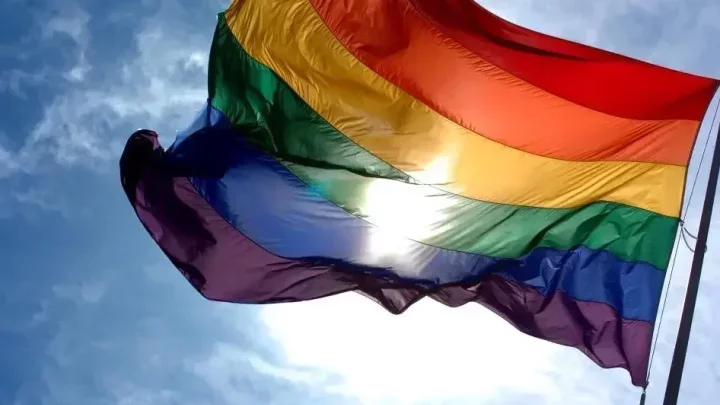 Photo: pexels.com, illustrative purposes
On the sidelines of the Majilis, Deputy Minister of Culture Yevgeny Kochetov explained that "propaganda" in the draft law on protecting children from harmful information does not refer to the mention of LGBT people themselves, but to a positive assessment of such actions, Orda.kz reports.
The Majilis has passed the bill in its second reading, and it will now be sent to the Senate.
Among other issues, deputies have been unable to clearly explain what exactly they mean by “propaganda” or how they plan to protect vulnerable groups from discrimination. How can such “propaganda” be distinguished from the lawful right to be oneself in one’s own country?
This question was addressed by Vice Minister of Culture and Information Yevgeny Kochetov. According to him, there should be no discrimination — the goal, he said, is the protection of children. However, the phrase “protection of children” has long served as a convenient pretext for repressive systems.
The official cited some U.S. regulations as examples but did not elaborate. Kochetov claimed that similar restrictions help reduce the number of child and adolescent suicides.
Journalists asked what, specifically, would be considered “propaganda.”
Would even mentioning the abbreviation be prohibited?
No, colleagues, that’s not the case. Propaganda refers to a positive public evaluation of such actions — for example, when someone publishes content encouraging a favorable attitude. As journalists, you know well what objectivity means and how to present facts so that the reader or viewer draws their own conclusions. We want children to be protected from having such things imposed on them. Information must be objective. If a person says they are a member of the LGBT community or publishes statistics, that does not fall under this law. The law is not aimed at restricting rights,
Kochetov explained.
Regarding restrictions on films and other visual materials with certain content, the vice minister said such content would simply be labeled “18+.”
Under the ban would fall appeals such as: being an LGBT person is better than being a heterosexual. That’s what would be considered propaganda,
he added.
The official insisted that the Kazakh bill is fundamentally different from the Russian one — “there's nothing in common,” he said.
Human rights organizations have stressed that such a law would grossly violate Kazakhstan’s international human rights obligations.
They called on parliament to reject the amendments.
Original Author: Artyom Volkov, Original Post
Latest news
- Orda.kz Editorial Team to Cease Operations on September 1
- The Price of a Degree: How Students in Kazakhstan Pay for University
- Second Przewalski’s Horse Foal Born as Species Returns to Kazakhstan
- Kazakh Mining Companies Can Recalculate Purchases if Tenge Weakens
- Kazakhstan Names First Vice President in Three Decades
- What Almaty’s Bus Shelters Are Missing
- 400-Truck Queue Builds at Kazakh–Kyrgyz Border
- Kazakhstan Ready to Help Feed and Rebuild Gaza
- Tokayev Establishes New Presidential Security Body
- Almaty Takes Back Its Nearly Century-Old Hippodrome
- No More Guesswork on Savings: Kazakhstan Tightens Energy Audits for Businesses
- Public Money Could Be Used to Rescue Failing Kazakh Banks
- Third Kazakh Woman Reported Missing in Nepal-China Flood Zone
- Falconer Convicted Over 35 Protected Birds, Spared Punishment Under Amnesty
- Kazakh Citizen Detained in Yakutia in Phone Fraud Case
- Yuan Instead of Dollars? KazMunayGas Draws Record Demand in Asia
- China Gains Oil-Market Influence as OPEC+ Weakens
- Kazakhstan to Divide Smartphones Into White, Gray and Black Lists
- Kazakhstan’s Government Formally Resigns as First Kurultai Session Opens
- Rare Lynx Sighting Recorded in Northern Kazakhstan
