

Week In Review: Drones, Releases, And More...
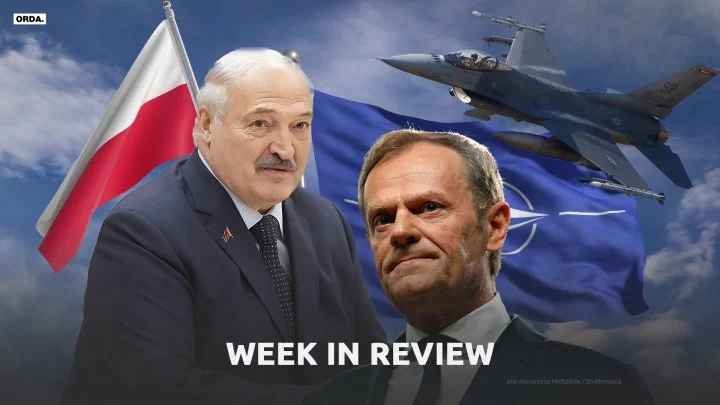 Photo: Orda.kz
Orda.kz has put together a brief synopsis of last week's news. This edition focuses on the recent drone incident in Poland.
An Unprecedented Violation?
Polish authorities temporarily shut down Warsaw Chopin Airport and placed air defenses on high alert overnight on Sept. 10 following what officials described as “an unprecedented violation of Polish airspace by drone-type objects.”
The incident occurred during a large-scale Russian strike on Ukraine, with several drones crossing into Poland.
The Polish Armed Forces confirmed that national defense procedures were activated and that Polish and NATO aircraft were scrambled. Prime Minister Donald Tusk said weapons were used against the targets but did not specify their origin at the time.
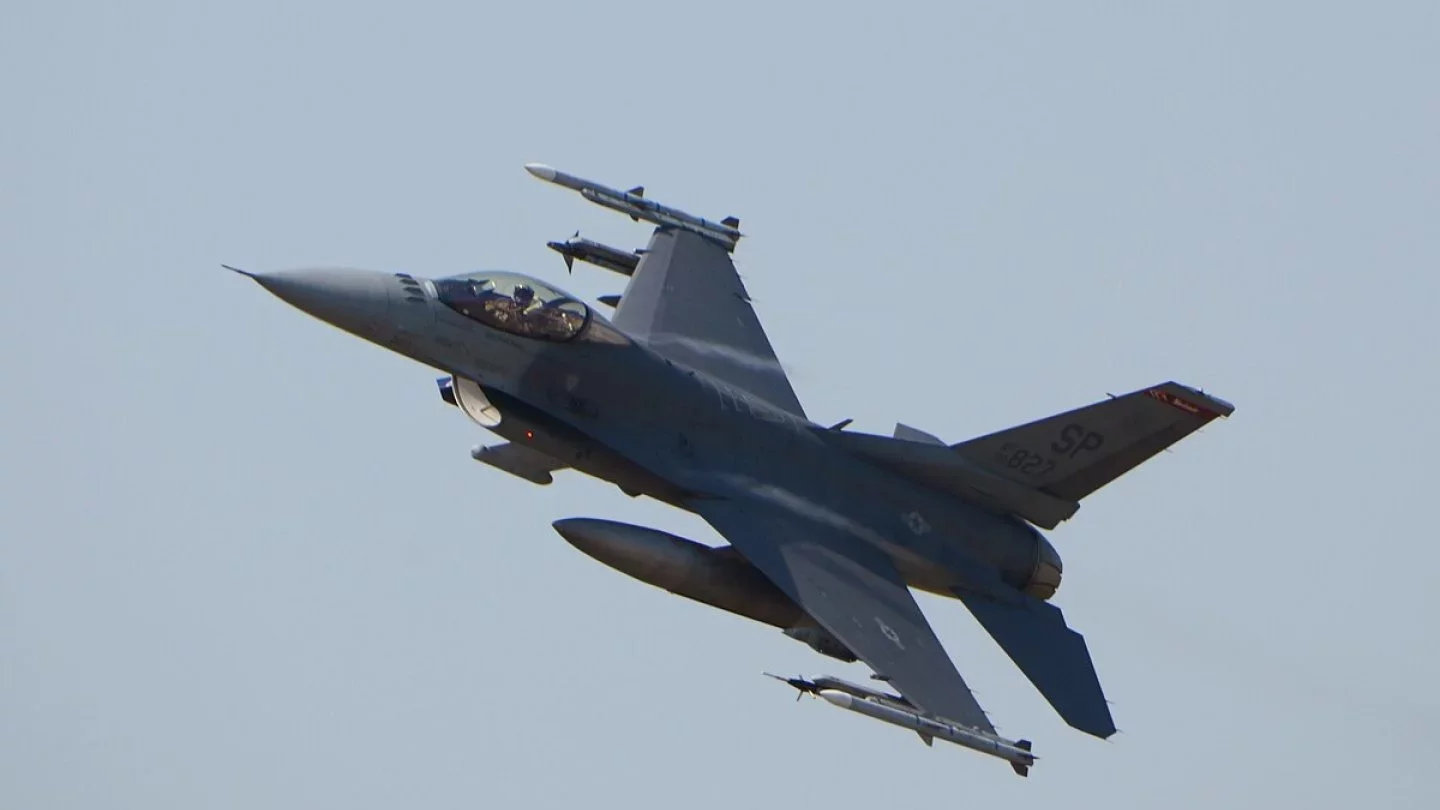
He added that NATO Secretary General Mark Rutte had been informed. Military officials later confirmed that the aerial objects were shot down, the first time since 2022 that a NATO member has directly engaged in such a capacity.
Authorities reported 19 violations, saying Polish and allied aircraft downed “three or four” drones, the last at 6:45 a.m. local time. Local media suggested as many as 23 drones may have crossed. Seven drones and one projectile fragment were recovered – six in Lublin, one in Łódź, and one in Warmian-Masurian provinces.
The Federal Aviation Administration confirmed that Chopin Airport and three others — Warsaw Modlin, Rzeszów–Jasionka, and Lublin — were temporarily closed due.
Rzeszów is a vital hub for arms shipments to Ukraine.
Subsequent Reactions
Polish leaders said NATO had activated Article 4 of its treaty, allowing consultations on security threats. Tusk said Poland is the closest it has been to open conflict since World War II. President Karol Nawrocki and Defense Minister Władysław Kosiniak-Kamysz convened emergency security meetings.
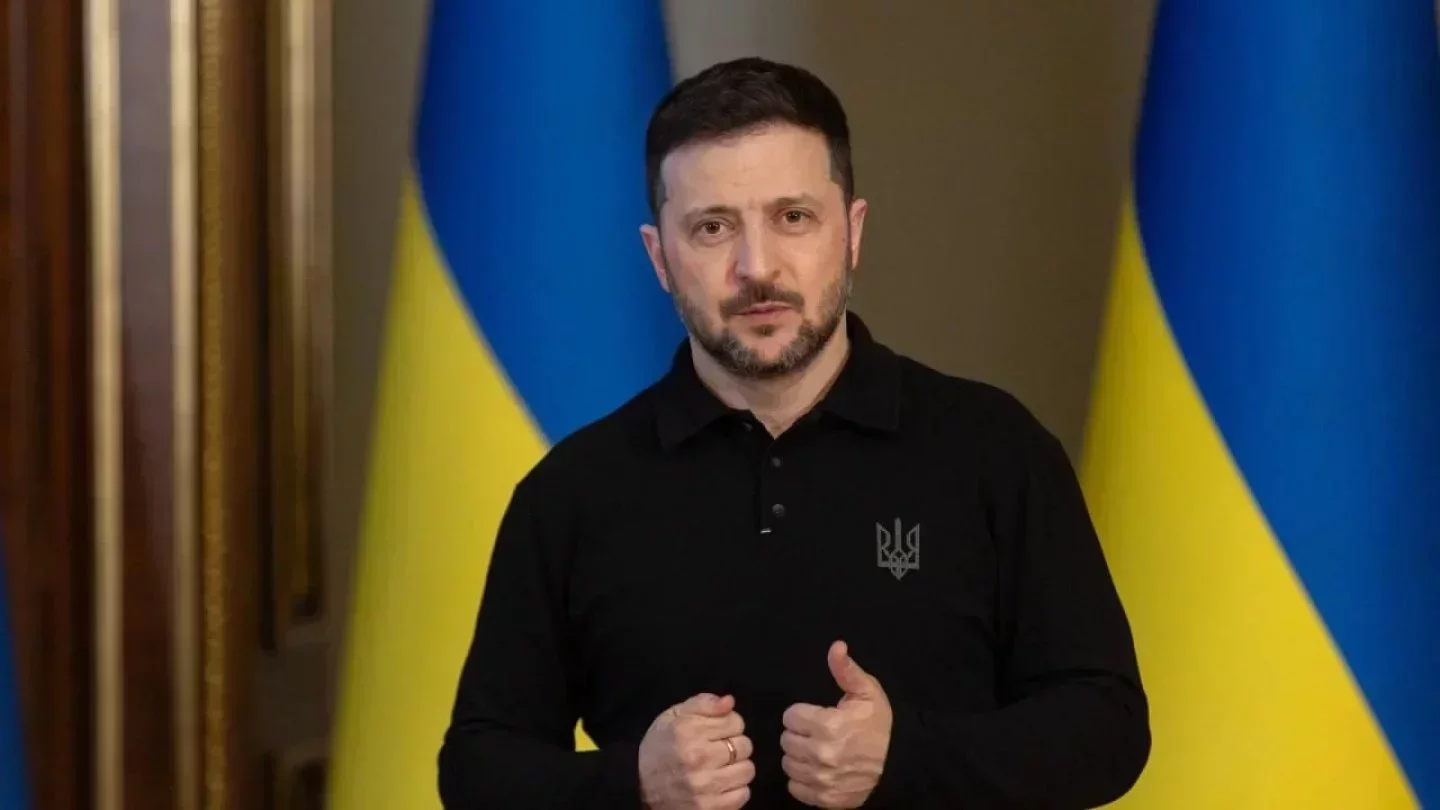
Ukraine’s President Volodymyr Zelenskyy later announced Polish representatives will travel to Ukraine for consultations and training on drone defense, while the Polish Defense Ministry confirmed that Ukrainian and Polish specialists will train on drones and anti-drone systems, clarifying that the collaboration may be in Poland.
Russia’s Defense Ministry denied targeting Poland, stating that the overnight strikes were aimed at Ukrainian defense industry facilities. The ministry said the drones involved had a maximum range of 700 kilometers, making it “technically impossible” for them to reach NATO territory.
Kremlin spokesperson Dmitry Peskov dismissed Western accusations as daily provocations and referred questions to the defense ministry.
Moscow also said it was ready to hold consultations with Poland.
Keep Your Distance
Poland has since announced the indefinite closure of its border with Belarus, citing provocations and upcoming Russian-Belarusian military drills “Zapad-2025.” Footage released by Belarusian state media showed Polish guards erecting barricades and barbed wire along the frontier.
Separately, Minsk has denied being involved and has claimed to have previously shot down drones flying over its territory.
Whether the above drone incursion was intentional is beside the point; Warsaw, already weary of Moscow's intentions vis-à-vis its sovereignty, is poised to bolster its defense. Cooperation with an experienced Ukraine in drone defense is a logical step, regardless of where.
Although Trump has signaled readiness to support Poland, the reports about the United States' plans to gradually phase out a global military aid program for allied countries, known as "Section 333," were likely unnerving, along with the violation of Romania's airspace on September 13.
At the same time, the Trump administration's interaction with both Moscow and Minsk is sending mixed signals. Trump has said on multiple occasions that his patience is "running thin," yet nothing outside of tariffs has been done so far.
Their effectiveness remains in doubt, with analysts such as Ian Bremmer arguing the approach looks more like an attempt to shift responsibility for a stronger response onto Europe while avoiding direct costs to U.S.–China relations.
This ambiguity in U.S. policy was also visible in Belarus.
There, the release of 52 prisoners — including opposition figure Nikolai Statkevich and philosopher Vladimir Matskevich — was announced.
The move coincided with the United States lifting sanctions on the Belarusian state airline Belavia following a conversation between Donald Trump and Lukashenko. All interested parties, particularly Moscow, have taken note, as no real change has occurred in the country, which has been a conduit for sanction circumvention.
Ultimately, Poland and other European nations remain focused on strengthening defenses, with new deployments underscoring their perception of the incident. Growing unease about Washington’s reliability — amid a shift toward domestic priorities — only amplifies those concerns.
Latest news
- Orda.kz Editorial Team to Cease Operations on September 1
- The Price of a Degree: How Students in Kazakhstan Pay for University
- Second Przewalski’s Horse Foal Born as Species Returns to Kazakhstan
- Kazakh Mining Companies Can Recalculate Purchases if Tenge Weakens
- Kazakhstan Names First Vice President in Three Decades
- What Almaty’s Bus Shelters Are Missing
- 400-Truck Queue Builds at Kazakh–Kyrgyz Border
- Kazakhstan Ready to Help Feed and Rebuild Gaza
- Tokayev Establishes New Presidential Security Body
- Almaty Takes Back Its Nearly Century-Old Hippodrome
- No More Guesswork on Savings: Kazakhstan Tightens Energy Audits for Businesses
- Public Money Could Be Used to Rescue Failing Kazakh Banks
- Third Kazakh Woman Reported Missing in Nepal-China Flood Zone
- Falconer Convicted Over 35 Protected Birds, Spared Punishment Under Amnesty
- Kazakh Citizen Detained in Yakutia in Phone Fraud Case
- Yuan Instead of Dollars? KazMunayGas Draws Record Demand in Asia
- China Gains Oil-Market Influence as OPEC+ Weakens
- Kazakhstan to Divide Smartphones Into White, Gray and Black Lists
- Kazakhstan’s Government Formally Resigns as First Kurultai Session Opens
- Rare Lynx Sighting Recorded in Northern Kazakhstan
