

Russia: Expert Comments on Potential Return of "SVO Veterans"
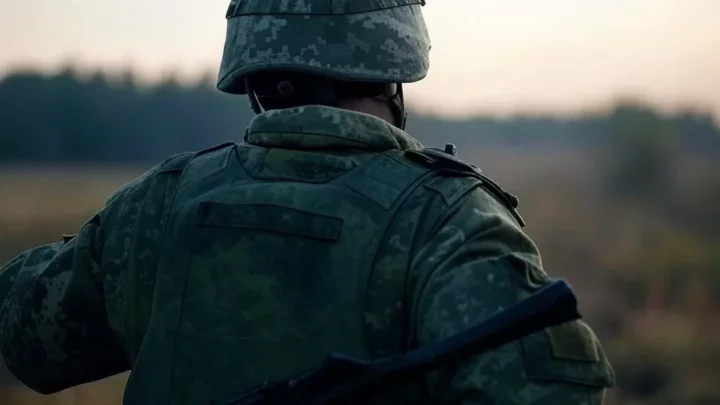 Photo: Grok AI Generated, ill. purposes
As expectations for a ceasefire and a potential deal on Ukraine grow, discussions around the fate of Russia’s "SVO veterans"—those returning from the battlefield — are intensifying, Orda reports, citing the R.Politik Telegram Channel.
Tatiana Stanovaya, Founder/CEO of R.Politik and Senior Fellow at the Carnegie Russia Eurasia Center, believes the issue is being driven by multiple actors, from domestic policymakers preparing for potential unrest to opposition figures who believe a large-scale return of troops could challenge the Kremlin.
Meanwhile, foreign analysts view the situation as a test for Russia’s ability to maintain internal stability.
Stanovaya argues that concerns surrounding both returning veterans and nationalist opposition to a peace deal are overblown.
I am not saying these issues don’t exist — both present real risks for the authorities. But the regime is structured in such a way that neither can pose a serious challenge to stability. The system does not allow for independent self-organization (which applies to the patriots) or mass expressions of discontent,Stanovaya writes on Telegram.
"Angry Patriots"
Beyond the issue of returning fighters, another challenge facing the Kremlin is the ultra-patriotic electorate, which could see any peace deal as a “shameful peace,” echoing sentiments from the 1996 Khasavyurt Accord that ended the first Chechen war.
However, Stanovaya suggests that foreign analysts may be exaggerating the potential for nationalist backlash.
The ‘shameful peace’ of 1996 and a potential one in 2025 are fundamentally different scenarios. In the former case, the state was in deep crisis; in the latter, it is at the peak of its repressive and financial strength — with some caveats, of course, she noted.
The Russian presidential administration is already preparing to handle opposition from nationalist hardliners, treating it as part of its standard governance responsibilities.
The rivalry between different agencies also plays a role in amplifying concerns about discontent, making the issue a lucrative one for those within Russia’s political machine.
Peace Deal
Even if Russian and U.S. leaders reach an agreement, securing a lasting peace may prove difficult. According to Stanovaya, any deal between Vladimir Putin and Donald Trump could result in another set of unworkable Minsk-style agreements, leaving the door open for renewed conflict.
No matter what Putin and Trump might agree on, the outcome could still end up as yet another set of unworkable Minsk-style agreements — meaning the risk of returning to war remains extremely high. But that, as they say, is another story, she concluded.
Latest news
- Orda.kz Editorial Team to Cease Operations on September 1
- The Price of a Degree: How Students in Kazakhstan Pay for University
- Second Przewalski’s Horse Foal Born as Species Returns to Kazakhstan
- Kazakh Mining Companies Can Recalculate Purchases if Tenge Weakens
- Kazakhstan Names First Vice President in Three Decades
- What Almaty’s Bus Shelters Are Missing
- 400-Truck Queue Builds at Kazakh–Kyrgyz Border
- Kazakhstan Ready to Help Feed and Rebuild Gaza
- Tokayev Establishes New Presidential Security Body
- Almaty Takes Back Its Nearly Century-Old Hippodrome
- No More Guesswork on Savings: Kazakhstan Tightens Energy Audits for Businesses
- Public Money Could Be Used to Rescue Failing Kazakh Banks
- Third Kazakh Woman Reported Missing in Nepal-China Flood Zone
- Falconer Convicted Over 35 Protected Birds, Spared Punishment Under Amnesty
- Kazakh Citizen Detained in Yakutia in Phone Fraud Case
- Yuan Instead of Dollars? KazMunayGas Draws Record Demand in Asia
- China Gains Oil-Market Influence as OPEC+ Weakens
- Kazakhstan to Divide Smartphones Into White, Gray and Black Lists
- Kazakhstan’s Government Formally Resigns as First Kurultai Session Opens
- Rare Lynx Sighting Recorded in Northern Kazakhstan
