

Lots of Grain, No Money: Record Harvest Becomes Problem for Kazakhstani Farmers
 DALL-E neural network
A harvest one-third larger than last year has become troublesome for Kazakhstan's farmers. Orda.kz discussed the situation with farmers and the Grain Union.
A large harvest means an excess of supply and, accordingly, a market price drop. The costs of storage and transportation only grow. A farmer then has to think about how to pay the workers who collected it.
The price of third-class grain is now 50 thousand tenge with documents. And my cost price is 80, what do you think the farmers' mood might be? comments Alexander, a farmer at the Tanyusha farm in the Arshalynsky district of the Aqmola region.
Low prices mean financial losses for farmers. At the same time, a large harvest requires significant costs for harvesting, storage, and transportation, and lower prices decrease profitability.
Well, there are no advantages. It would be better if there was no such collection. Because, judge for yourself, three times more was threshed than last year. Accordingly, we need to raise wages. And the price for it, if last year I handed it over at 128, today it is at 50. That is, I threshed three times more, three times more expenses for the same diesel fuel, haulage and wages, and in fact its cost is three times less. It is very simple mathematics here, the farmer says.
Favorable weather fostered the current harvest. In the fall of 2023, heavy rainfall saturated the soil with moisture, followed by a snowy winter and a rainy summer. Today, Kazakhstan and Russia have the lowest wheat prices in the world.
In October 2023, third-class wheat was sold at 110-115 thousand tenge per ton; in August 2024, it cost 90 thousand tenge, and now it is sold at 72-74 thousand tenge per ton.
The Grain Union of Kazakhstan gives a more modest estimate of the gross harvest — 24.5 million tons of grain, including 18 million tons of wheat. Nevertheless, this is the country's second-largest harvest, slightly lower than the 2011 record harvest. At that time, wheat was sold at 12-12.5 thousand tenge per ton.

Evgeny Karabanov, an official representative of the Grain Union of Kazakhstan and founder of the Severnoye Zerno group of companies, believes it is necessary to keep 2011 in mind. Then, the national company Prodcorporatsia purchased surplus grain, relieving market pressure. The following year, 2012, when global demand for grain grew, Kazakhstan could sell its reserves at a significantly higher price.
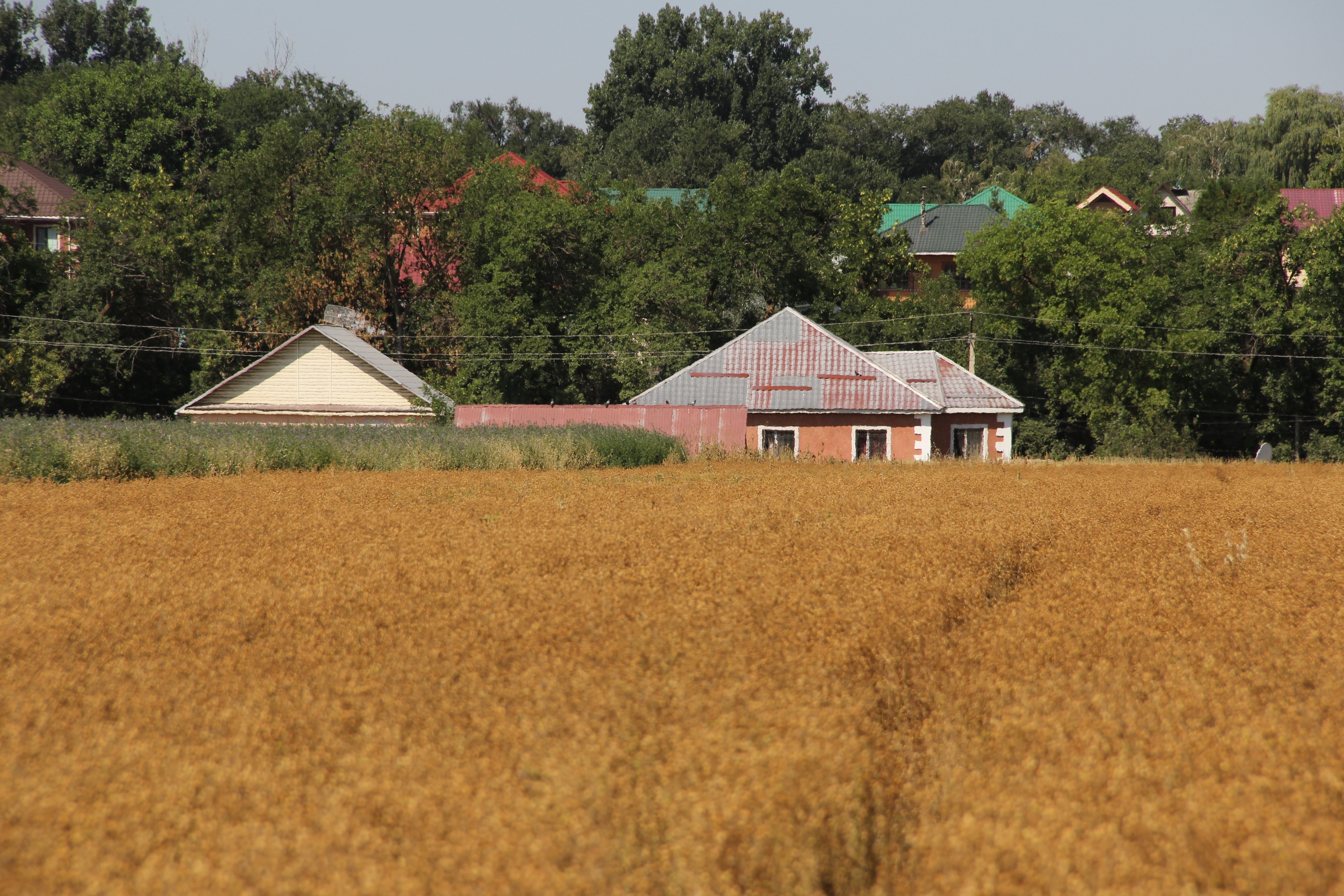
Probably, given this positive experience, we should buy these 2-2.5 million tons, and the government should allocate finances for this. This is fairly short-term money on the scale of state finances. And this money is 100% recoupable, that is, half of this money will return in two to three months in the form of repayment of current obligations of farmers to state financial institutions (Agrarian Credit Corporation, KazAgroFinance, Food Corporation), the rest - after the sale of grain in the spring-summer of 2025, says the expert.
Purchasing surplus grain would help farmers overcome temporary difficulties and cash flow gaps. In the future, Kazakhstan could use this reserve in the event of worsening weather conditions next year or sell it when world prices rise.
There are already problems with sowing winter crops in Russia and Ukraine due to drought, and in EU countries, it is due to over-watering soil. It is also unclear how even the sown plants will survive the winter, the lack or excess of moisture, and what the next year will bring.
Uncertainty
This year's harvest isn't the only issue for farmers. Financing also factors in. High risks make banks reluctant to lend to agriculture. Government loans with more lenient terms exist, but there aren't enough. Many farmers receive 22% per annum loans, and promised subsidies are often delayed.
In my opinion, this is a very poor use of finances. If there is no possibility to pay subsidies, then you tell people honestly: 'Dear farmers, this year you will not see them as your ears.' Only on paper, Evgeny Karabanov believes.
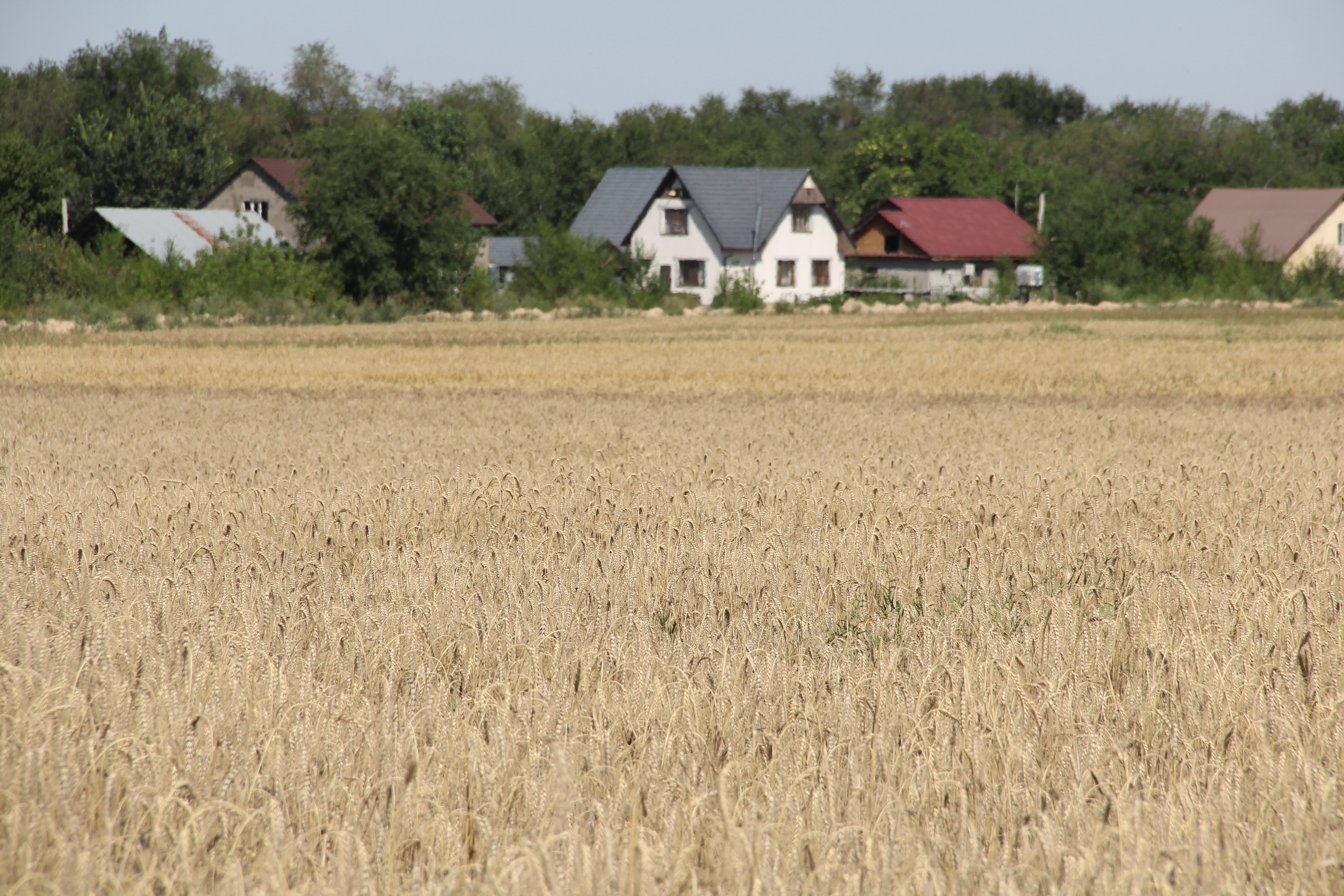
As of early August, the debt for subsidy payments for 2023 and 2024 exceeded 620 billion tenge. Meanwhile, 528 billion tenges of preferential loans were allocated to finance spring fieldwork. This imbalance creates additional difficulties for farmers. And they, in turn, waiting for subsidies, are forced to service loans at commercial rates, affecting working capital.
I bought chemicals in the summer, got them on credit, the repayment period is November 1. If I repay on time, the price will be five million 320 thousand. If there is some kind of delay, then the contract is so craftily made that the discount does not apply. And if I make payments after November 1, then the amount will be more than eight million. Therefore, we have no other options, there is nowhere to get money, concludes farmer Alexander.
The updating of agricultural machinery is also acute. Although the machinery is produced in the country, much of it does not meet modern standards. The high recycling fee on imported machinery makes it too expensive, complicating the modernizing of the outdated fleet.
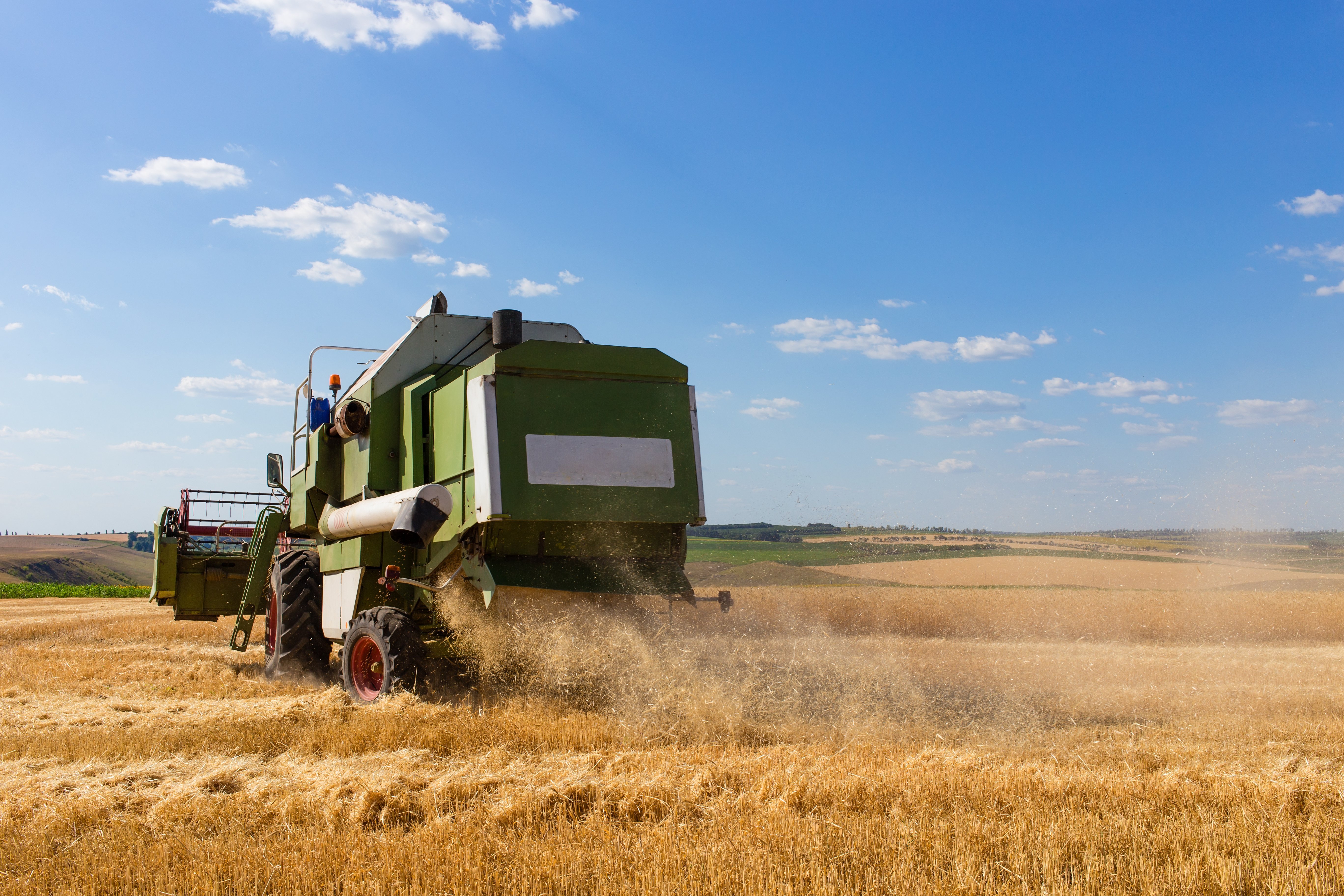
The equipment that is produced in our country is mostly yesterday's news. For small farmers, indeed. But at the same time, the cost is absolutely not cheap because there is a high recycling fee for Western equipment. In addition, imported agricultural equipment is subject to VAT. That is, Western equipment is expensive, and accordingly, our manufacturers are bringing up their prices, explains Karabanov.
According to official data, two-thirds of the country's agricultural machinery is worn out. For stable operation, the fleet needs to be renewed by six percent annually.
So it's natural that the same poor farmer doesn't know whether to work in the field or sit at the computer and wait for the magic window for accepting applications for state support to open. That is, the money appeared in the budget - the window opened. As they say, first come, first serve, says the expert.
These and many other factors affect the quality of the grain produced. In September 2024, Rosselkhoznadzor requested Kazakhstan's Ministry of Agriculture to suspend the issuance of phytosanitary certificates temporarily.
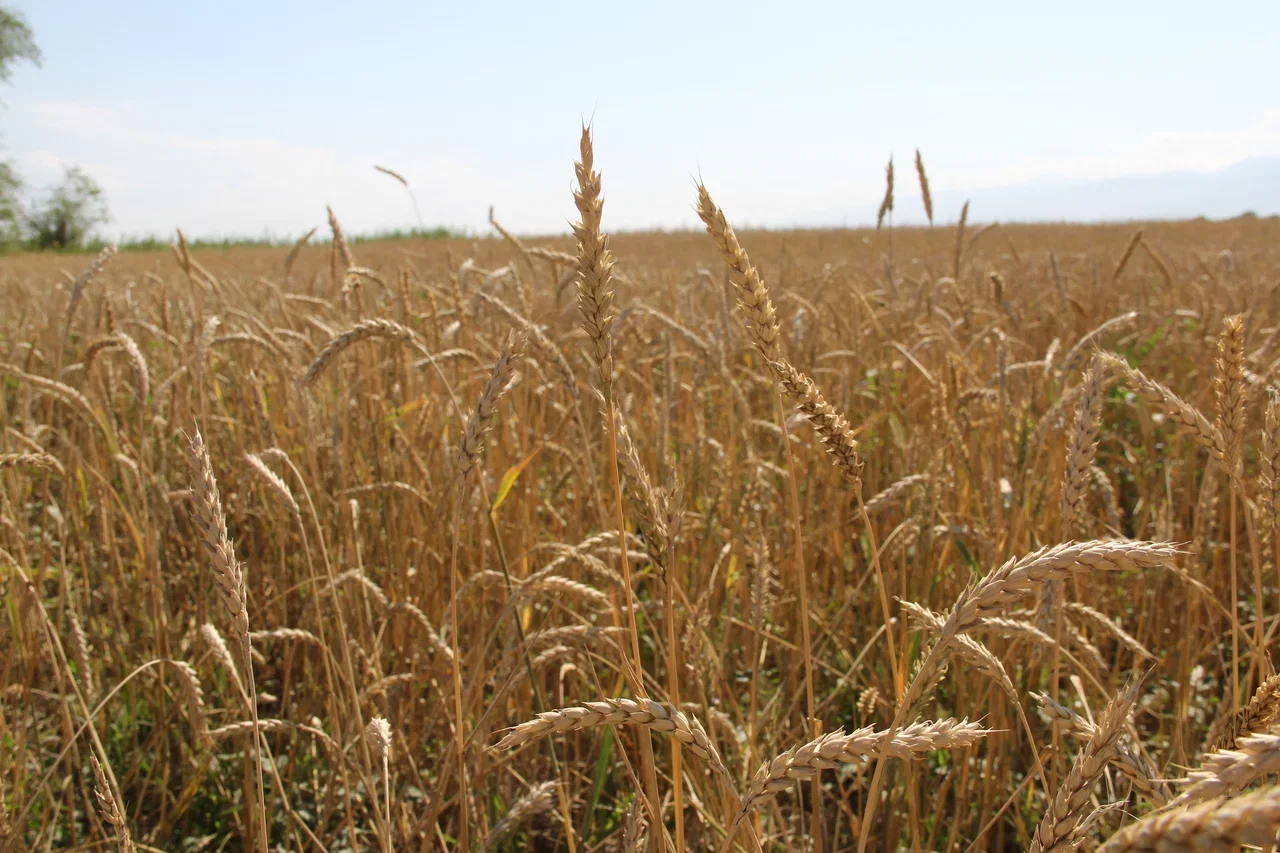
According to Evgeny Karabanov, such problems arise in many countries. For example, we often receive products from Russia containing seeds, pests, fungal pathogens, etc. The question is how systematic the approach to such situations is.
Recently, Deputy Prime Minister Mr. Zhumangarin, commenting on the current situation, said: 'We figured out that tomatoes, peppers and melons are, it turns out, not our products, but Uzbek ones.' And they were officially imported to us, everything was cleared through customs here in good faith, and then re-exported. The question immediately arises: Pardon, when imported products are brought in, they must undergo phytosanitary inspection for the presence of weed seeds, diseases and other pathogens. And when these products are exported further, there must be another phytosanitary inspection. These are the international requirements and the requirements of Kazakhstani regulatory and legal acts in the field of plant quarantine. It turns out that we did not see it either the first or the second time?Karabanov is surprised.
Such statements are alarming. Rosselkhoznadzor's press service recently reported that Russia claimed to have found "illicit schemes" to supply quarantine products from Kazakhstan.
The problem is not so much imported products as domestic phytosanitary services. One inspector in the region is physically unable to carry out quality control. Questions arise about the system itself. Changing the system requires cooperation between officials and interested agricultural representatives. Otherwise, Kazakhstan may be cut off from the market.
Export and Import
Traditional export markets for grain and flour from Kazakhstan are the countries of Central Asia, Afghanistan, China, and Iran. These regions consistently purchase Kazakhstan's products, but when harvests are high, domestic grain reserves exceed demand in these markets.
Kazakhstan is the second largest flour exporter in the world. In 2022–2023 (September–August), the country sold 10.5 million tons of wheat and flour in grain equivalent to foreign markets.
Last season, export volumes decreased due to crop failure and deteriorating grain quality. Still, this year, exports to traditional markets are forecast at 8.5 million tons of wheat and flour in grain equivalent.
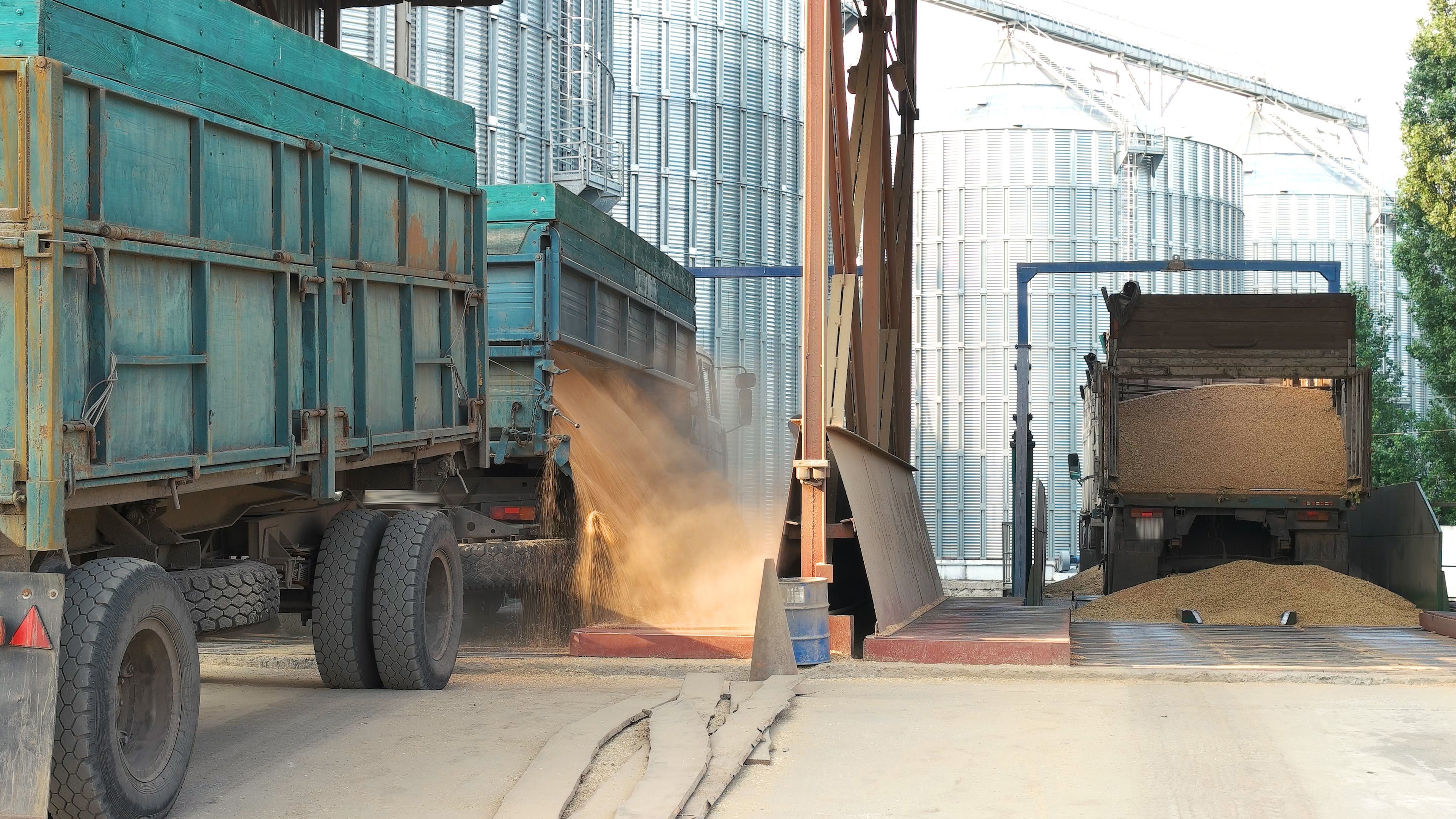
Based on this year’s large harvest, an additional 2.5-3 million tons of wheat must be exported, requiring expanding export markets.
Kazakhstan must export 11-12 million tons of wheat and flour in grain equivalent to avoid further decline in grain prices this year.
Now, Kazakhstan's essential task is to enter new markets. The European Union is already willing to buy hard wheat for pasta, flaxseed, and mustard from Kazakhstan.
Markets in North Africa and the Middle East, such as Egypt and Algeria, Tunisia, Morocco, and Saudi Arabia, buy medium-quality wheat. It traditionally comes from Russia and Ukraine. Chinese companies are also ready to resume purchases of feed-quality wheat from Kazakhstan.
We now need to get our wheat into non-traditional markets, primarily the countries of the European Union, North Africa and the Middle East, the expert believes.
Grain must be transported through the deep-water ports of the Black and Baltic Seas, located in Russia, the Baltic States, or Georgia, to reach the markets of Europe and Africa.
The most profitable route is the Russian ports of the Black and Baltic Seas. However, due to Russia's restrictions, transportation has become complicated: the grain must be transshipped "directly" from the wagon to the ship.
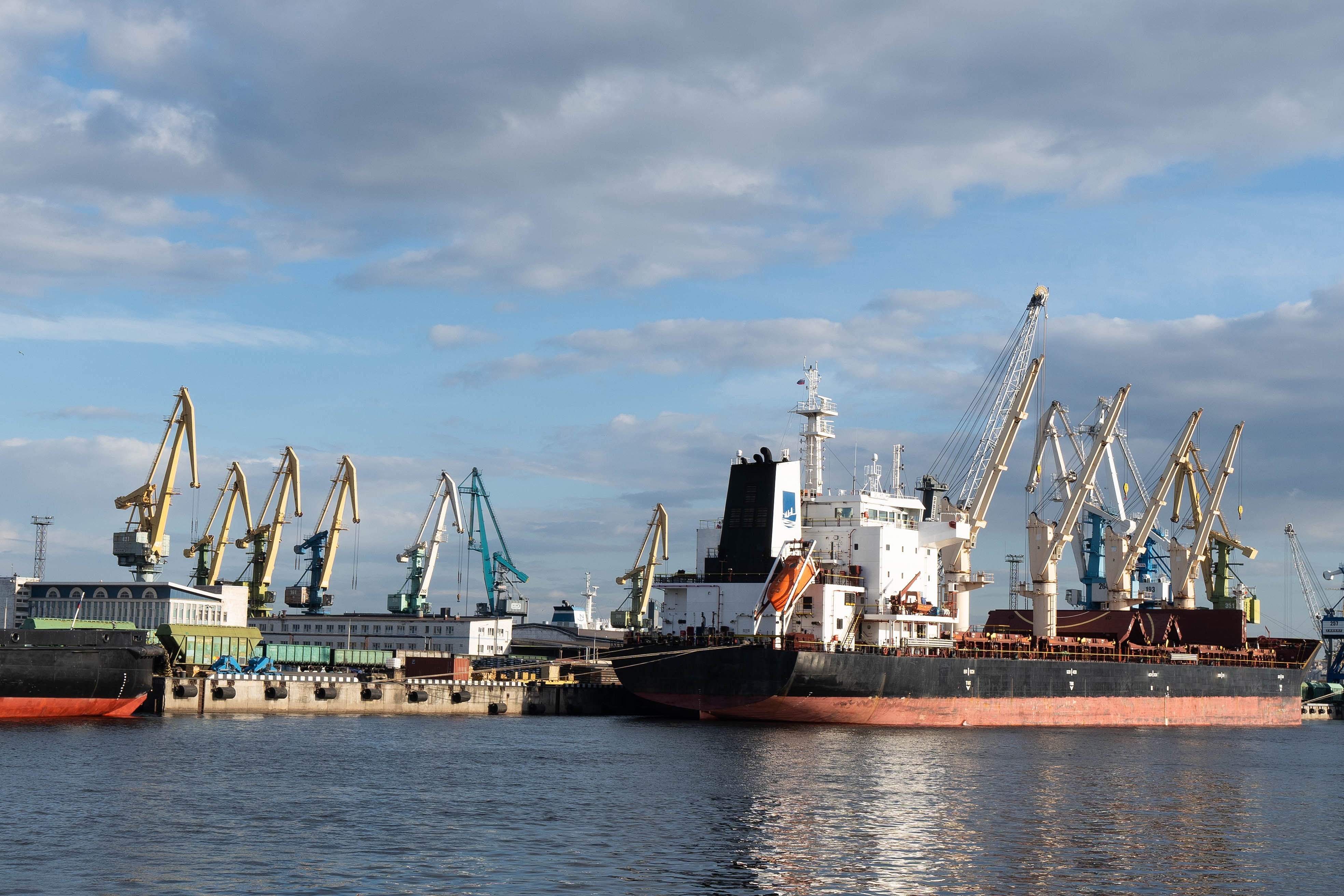
For example, large ships are more profitable for export, and the cost of transportation is lower. However, loading a ship requires 360-430 wagons of grain.
First off, Not a single terminal in the port has such a simultaneous capacity of access roads. Secondly, these cars will not go at the same time, that is, usually 20-25 cars are loaded per day from one station. Even if we load from several elevators, let it be 100 cars per day. That is, this loading will take about four to five days. And there will definitely be either a downtime of cars or a downtime of the ship, which will cost about 25 thousand dollars per day for 30 thousand tons, explains Evgeny Karabanov.
The route through the Baltic ports and the Middle Corridor through the Caspian Sea, Azerbaijan, and Georgia remain more expensive than the Russian route, which increases the need for a compromise with Russia to remove transit restrictions. The transit route through Iran, in the direction of the Persian Gulf ports, is still only hypothetical, and its capacity and economic efficiency are unknown.
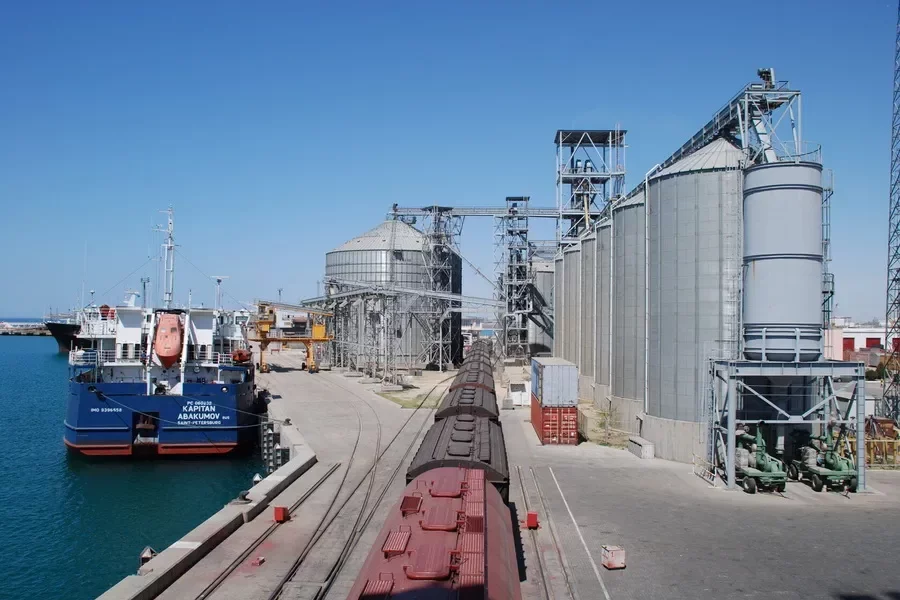
In August of this year, Kazakhstan decided to temporarily ban grain imports from all countries, which caused a reaction from Russia. Although this decision aimed to support the domestic market, the Russian side perceived it otherwise. Nevertheless, this did not prevent an attempt to export four trucks with more than 110 tons of wheat from Russia to Kazakhstan.
Even if there were no such ban, there would simply be no economic sense in importing Russian grain. But with our ban, we have provoked the Russian side a little. And in light of the great sanctions pressure on the Russian Federation, they perceive any such action as an unfriendly step, explains Karabanov.
The expert foresees problems with grain quality in Siberia, which, if import restrictions are lifted, may create an opportunity for deliveries of Kazakhstan's grain to Russia in the second half of the season. Kazakhstan has experience exporting grain to Russia, and this market may again become significant for selling surplus wheat.
But most of Kazakhstan's farmers need money now to pay for the sowing and harvesting campaigns.
Original Author: Alina Pak
Latest news
- Orda.kz Editorial Team to Cease Operations on September 1
- The Price of a Degree: How Students in Kazakhstan Pay for University
- Second Przewalski’s Horse Foal Born as Species Returns to Kazakhstan
- Kazakh Mining Companies Can Recalculate Purchases if Tenge Weakens
- Kazakhstan Names First Vice President in Three Decades
- What Almaty’s Bus Shelters Are Missing
- 400-Truck Queue Builds at Kazakh–Kyrgyz Border
- Kazakhstan Ready to Help Feed and Rebuild Gaza
- Tokayev Establishes New Presidential Security Body
- Almaty Takes Back Its Nearly Century-Old Hippodrome
- No More Guesswork on Savings: Kazakhstan Tightens Energy Audits for Businesses
- Public Money Could Be Used to Rescue Failing Kazakh Banks
- Third Kazakh Woman Reported Missing in Nepal-China Flood Zone
- Falconer Convicted Over 35 Protected Birds, Spared Punishment Under Amnesty
- Kazakh Citizen Detained in Yakutia in Phone Fraud Case
- Yuan Instead of Dollars? KazMunayGas Draws Record Demand in Asia
- China Gains Oil-Market Influence as OPEC+ Weakens
- Kazakhstan to Divide Smartphones Into White, Gray and Black Lists
- Kazakhstan’s Government Formally Resigns as First Kurultai Session Opens
- Rare Lynx Sighting Recorded in Northern Kazakhstan
