

Long Queues at Kurmangazy Border with Russia as Trucks Stuck for Days — Situation as of 24 September
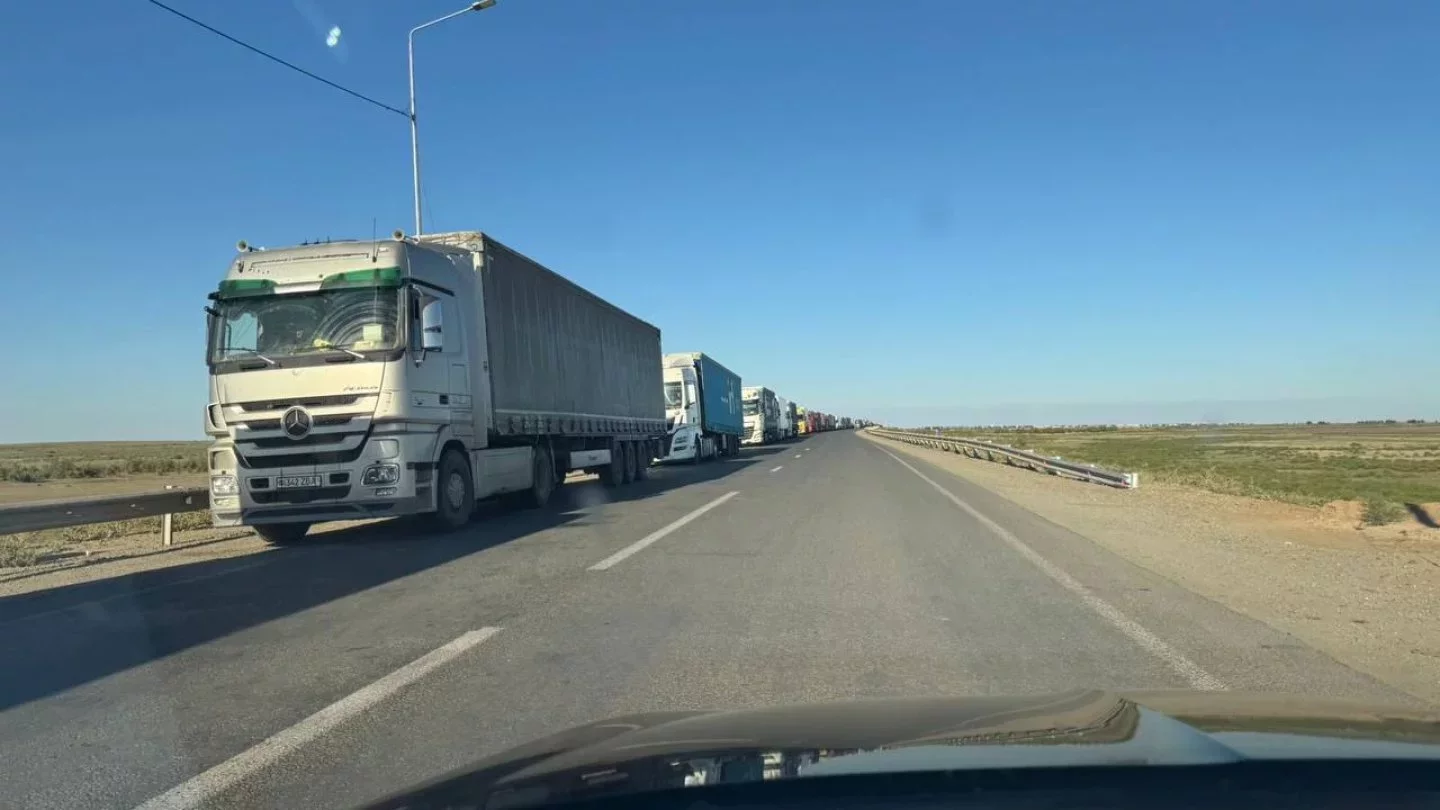 Photo: Orda.kz
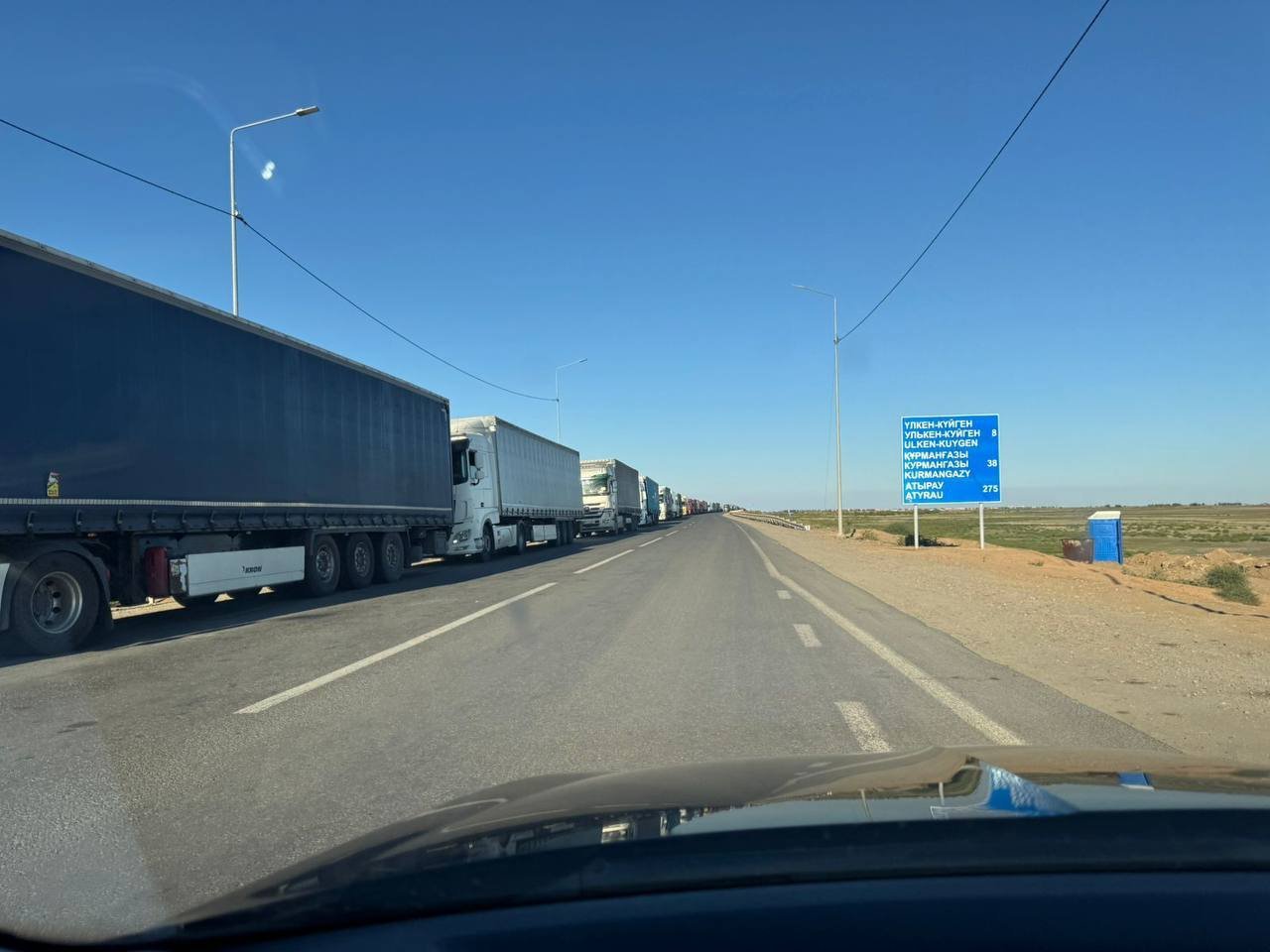
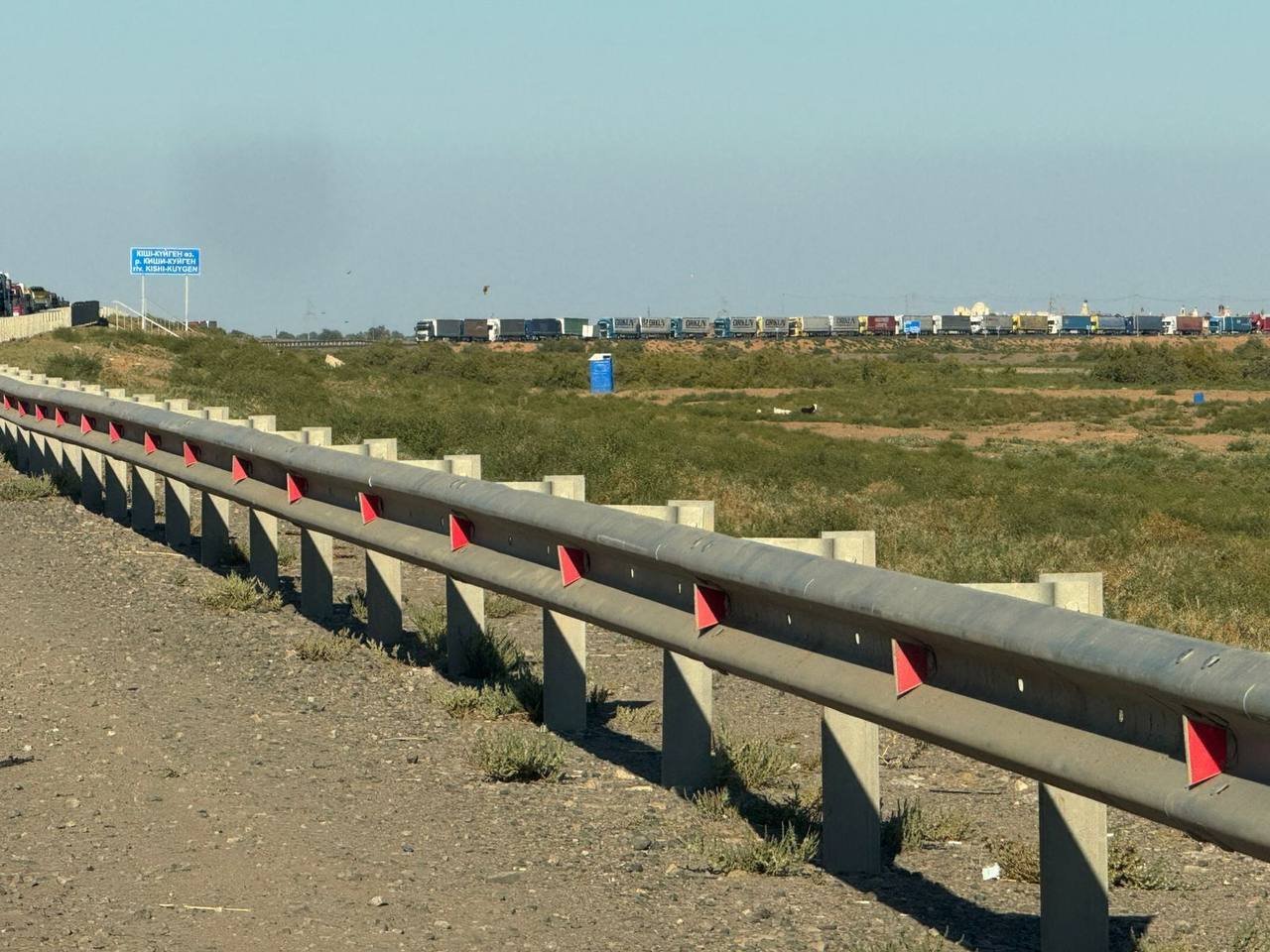
Trucks have been backed up for several days at the Kurmangazy border crossing in Kazakhstan’s Atyrau Region, with the line stretching more than three kilometers, Orda.kz reports.
Drivers say they have been stranded for two to three days, unable to move their cargo. Many of the trucks carry Uzbek license plates.
We’ve been here for almost three days now. The cabin is hot during the day and cold at night. Our food and water supplies are running low, so we have to buy everything from the locals. But the worst thing is that the cargo could spoil. I’m carrying fruit, and it won’t last long,said Nodirbek Karimov, a driver from Uzbekistan.
Another driver, Akhmadzhon Saidov, added:
I’m transporting textiles. We sleep right in the cab, washing ourselves with a bottle. The line moves very slowly — you can only travel 200–300 meters a night. No one explains when it’s over.
While drivers face mounting losses, locals have turned the traffic jam into an opportunity.
Women and teenagers can be seen selling tea, pies, samsa, and cigarettes along the roadside.
“They stand here for hours. We pour them tea, some take pies, some bread. You won’t earn much money, but at least it’s something,” one resident said.
Kazakh border guards deny responsibility for the delays.
We check quickly and let people through. But further on, in the neutral zone, delays begin. The queue is formed precisely because of the Russian side, a young guard said.
The Atyrau Region Department of State Revenue confirmed the backlog:
As of September 24, there are approximately 150 trucks at the Kurmangazy checkpoint heading toward Russia. Of these, 215 have already passed through. There are no issues with electronic tickets; all drivers have been provided with tickets. We are working with the border service to expedite the process and reduce congestion. The situation is under control.
Experts attribute the bottleneck to tightened Russian border controls, with extended screening times, stricter document checks, and added sanitary inspections.
Meanwhile, trucks loaded with fruits, vegetables, and textiles continue to sit idle.
“If they don’t let us in tomorrow, we’ll have to throw out some of the grapes. It’s unclear who will pay for the losses,” one driver said.
Original Author: Daniel Arturov
Latest news
- Almaty Drivers Offered Free Emissions Checks Without Penalties
- Croatia Will Finance Oil Exploration In Aktobe Region
- Half of Kazakhstanis Earn Less Than $1,000 a Month
- Is The Era Of Easy Extraction Over? Resource Development Is Being Rebuilt In Kazakhstan
- How a Kazakhstani Tried to Change His Ethnicity Through the Courts — and What Came of It
- Economist Names Kazakhstan Regions Lagging in Investment Transparency
- 14-Year-Old In Tesla Tries To Flee Police In Astana
- When a Michelin-Recognized Restaurant Will Open in Almaty, Akimat Says
- Transfers To China From Kazakhstan Fall To Six-Year Low
- Chinese Company To Build $1.2 Billion Steel Plant In Kazakhstan
- Moldova Finally Leaves The CIS And Bets On The EU
- Kazakhstani Scientists Develop Feed From Meat Processing Waste
- Why Large Families Face the Highest Poverty Risk in Kazakhstan
- Kazakhstan Schoolboy First in Central Asia to Receive Google Grant
- Kazakhstan Prosecutor General’s Office Checks Possible Ties Between Officials and Epstein Case
- After Farmers' Complaints, Kazakhstan Changes Potato Trading Rules
- Officials Accused Of Legalizing Thousands Of Migrants For Bribes In Astana
- Almaty Zoo Names Triplet Tiger Cubs
- Only One Loss-Making Bank Remains In Kazakhstan
- Cormorants To Be Shot In Pavlodar Region
