

Kazakhstan Ranked Second Worldwide in Rare Earth Metal Reserves — EnergyProm
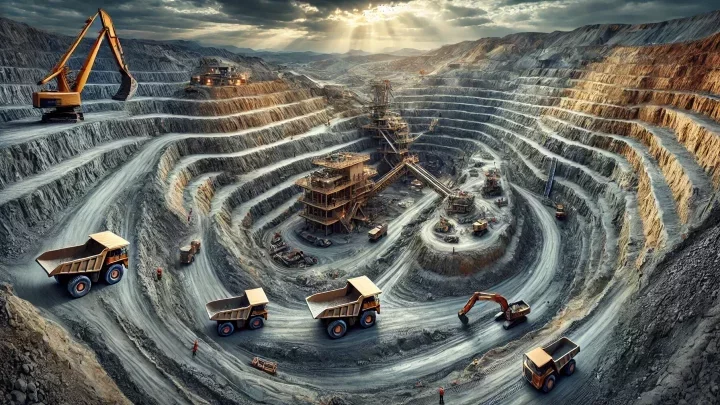 Photo: Orda collage
Kazakhstan holds an estimated 28.2 million tons of rare earth metals, according to updated geological data cited by EnergyProm, reports Orda.kz.
This places the country second globally after China, which has around 44 million tons. Kazakhstan now surpasses the United States, Australia, and Russia in estimated reserves.
Rare earth metals are critical for producing smartphones, microchips, electric vehicles, batteries, lasers, and military technology.
Several kilograms of these elements are used in each electric vehicle.
Amid the global transition to renewable energy and rising defense spending, demand for rare earth metals is growing faster than supply. China currently controls over 70% of production and up to 90% of processing,
analysts note.
In 2024, global production reached 379,900 tons. China accounted for 270,000 tons, the United States produced 45,000 tons, Australia and Thailand each produced 13,000 tons, and Russia produced 2,500 tons.
Because of this imbalance, developed countries are seeking alternative suppliers and have turned their attention to Kazakhstan.
The United States, Australia, and the European Union regard the country as a promising partner. One example is the American company Cove Capital, which — together with Tau-Ken Samruq — is set to invest more than one billion dollars into the North Qatpar and Upper Qairakty fields.
The U.S. side will hold a 70% stake and manage exports.
Major Deposits
The Ministry of Industry and Trade is allocating sites in the Qaraganda, Turkistan, and Mangystau regions.
Major deposits include:
- Irgiz area: up to 800,000 tons
- Jana Qazaqstan deposit: up to 20 million tons (recently discovered and considered unique)
For now, Kazakhstan remains in the exploration and early industrial development phase.
Experts warn that despite its large reserves, the country risks remaining primarily a raw-material supplier, as key extraction and processing technologies remain concentrated in China.
Rare earth metals are often called the “new oil”: the market could reach $10 billion by 2030 and grow several times larger by 2040. Kazakhstan currently has over 15 known deposits and dozens more under study. To benefit fully, analysts say, the country must focus on technology, domestic processing, and strategic partnerships.
Original Author: Ruslan Loginov
Latest news
- Orda.kz Editorial Team to Cease Operations on September 1
- The Price of a Degree: How Students in Kazakhstan Pay for University
- Second Przewalski’s Horse Foal Born as Species Returns to Kazakhstan
- Kazakh Mining Companies Can Recalculate Purchases if Tenge Weakens
- Kazakhstan Names First Vice President in Three Decades
- What Almaty’s Bus Shelters Are Missing
- 400-Truck Queue Builds at Kazakh–Kyrgyz Border
- Kazakhstan Ready to Help Feed and Rebuild Gaza
- Tokayev Establishes New Presidential Security Body
- Almaty Takes Back Its Nearly Century-Old Hippodrome
- No More Guesswork on Savings: Kazakhstan Tightens Energy Audits for Businesses
- Public Money Could Be Used to Rescue Failing Kazakh Banks
- Third Kazakh Woman Reported Missing in Nepal-China Flood Zone
- Falconer Convicted Over 35 Protected Birds, Spared Punishment Under Amnesty
- Kazakh Citizen Detained in Yakutia in Phone Fraud Case
- Yuan Instead of Dollars? KazMunayGas Draws Record Demand in Asia
- China Gains Oil-Market Influence as OPEC+ Weakens
- Kazakhstan to Divide Smartphones Into White, Gray and Black Lists
- Kazakhstan’s Government Formally Resigns as First Kurultai Session Opens
- Rare Lynx Sighting Recorded in Northern Kazakhstan
