

Kazakhstan Develops Its First Homegrown Microchip
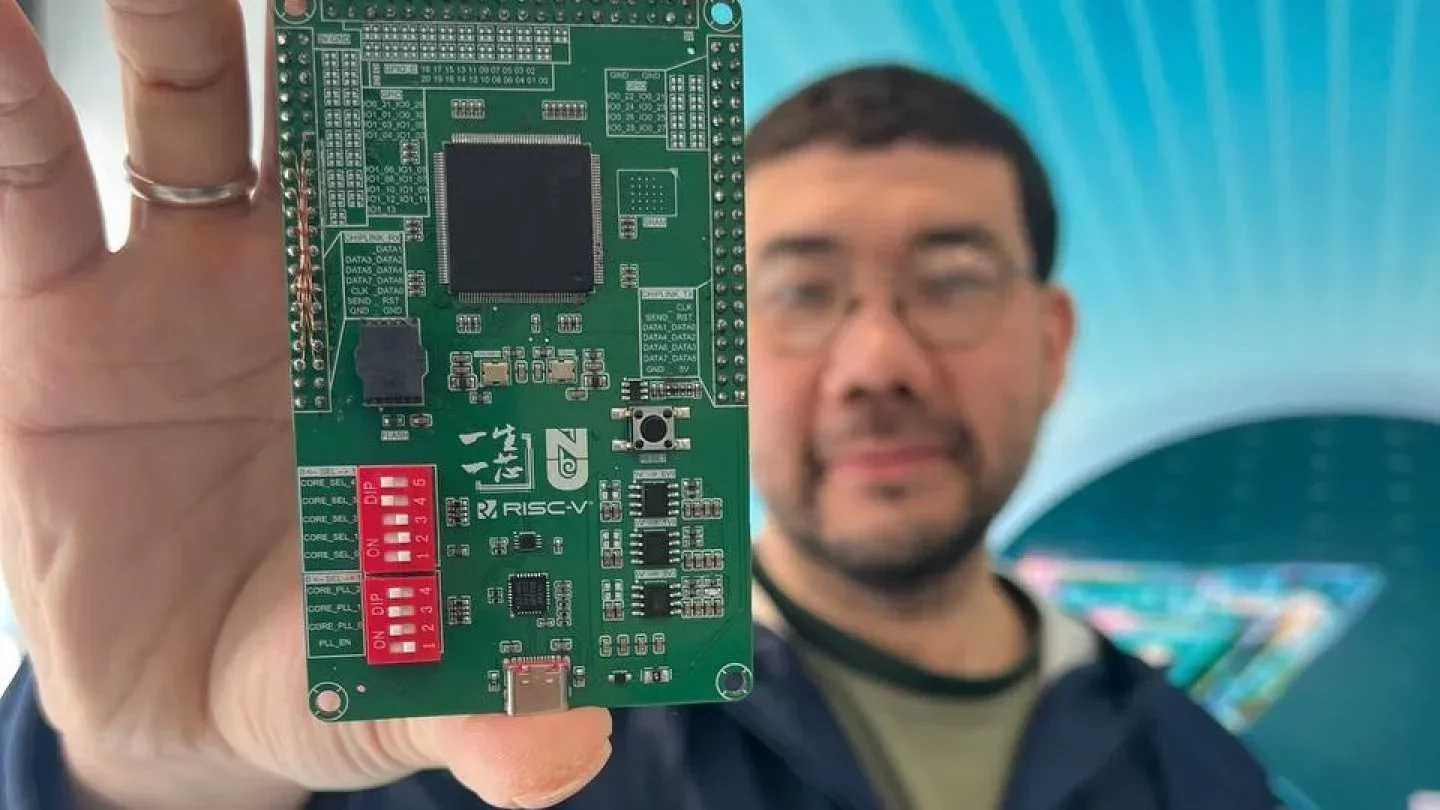
Kazakhstan has officially stepped into the semiconductor industry. Researchers from Nazarbayev University have successfully developed the country's first microprocessor, Orda.kz reports.
Prime Minister Olzhas Bektenov recently emphasized the need for science to drive the creation of high-tech, export-oriented enterprises and strengthen the link between research and production.
The development of this microchip at a Kazakh research university is a tangible step in that direction.
According to Nursultan Kabylkas, Assistant Professor at NU's School of Engineering and Digital Sciences, the project is more than just an innovation — it’s a gateway into the global semiconductor industry.
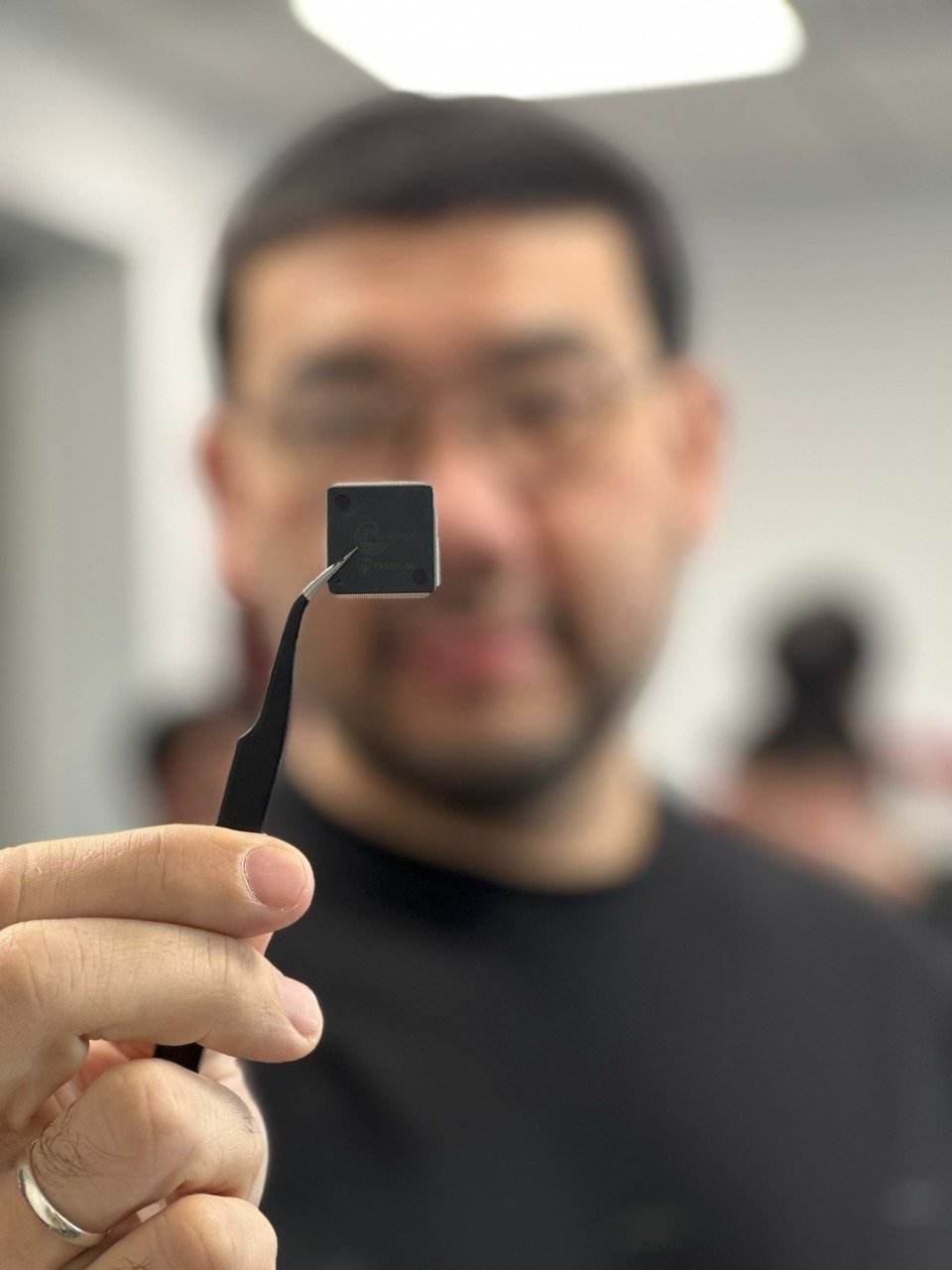
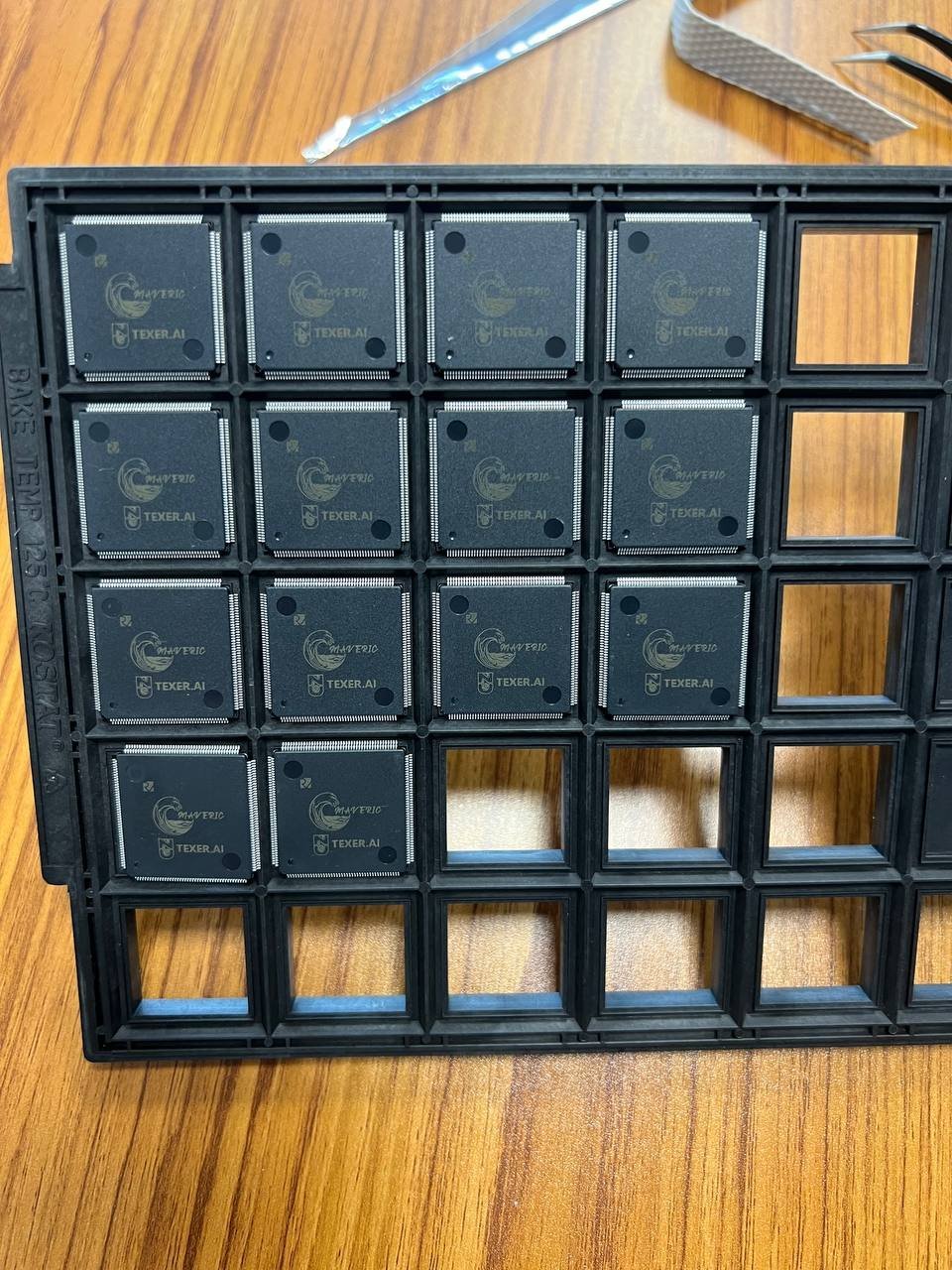
It took us three months to develop and test the final processor. We had already worked on simpler prototypes, so the adaptation process was quick. The most time-consuming stage was manufacturing, but our direct involvement in that was minimal — it was handled at a production facility, so we were essentially waiting for the finished chip,Kabylkas shared.
The project was made possible through an international collaboration with the University of the Chinese Academy of Sciences and the Beijing Institute of Open Source Chip.
The Kazakh team successfully integrated their design into their partners’ mass production process, allowing them to manufacture the microchip at no cost — an achievement that further motivated the researchers. The startup TEXER.AI, founded by Kazakh scientists, played a crucial role in the project, alongside grant funding from QazInnovation.
Developing the processor required not only technical expertise but also strong institutional support. The NU Endowment Fund and NIS provided essential resources, enabling scientific breakthroughs within the university’s labs.
Our team consists of talented, motivated young professionals — primarily NU students and graduates working in our labs,said Kabylkas.
The newly developed processor is designed for automated systems, such as programmable logic controllers (PLCs), where reliability and predictability matter more than high performance.
Moving forward, the research group and TEXER.AI plan to focus on developing Electronic Design Automation (EDA) tools — software solutions for designing and verifying electronic devices and microcircuits.
The team sees this first "Designed in Kazakhstan" chip as a foundation for building a technological ecosystem, paving the way for the country's integration into the global semiconductor industry. It also opens new opportunities for scientific research, education, and technological innovation.
Original Author: Maria Kravtsova
Latest news
- Tokayev Signed A Decree On The Implementation Of The New Constitution
- Casinos for Foreigners Only to Open in Kazakhstan
- Analysts Record a Sharp Surge in Immigration From China to Kazakhstan
- Baikonur Prepares To Launch Progress MS-33 Cargo Mission To The ISS
- Kazakhstani Scientists Are Preparing a Cancer-Prevention Supplement From Tomatoes and Watermelons
- Garbage Fines Now Fall Under Akimats: What the Changes Mean and What Risks Citizens Face
- CEC Announces Final Results Of Constitution Referendum
- Applications Begin For Bolashak And Scientific Internships In Kazakhstan
- Road Construction Violations Worth Hundreds of Billions of Tenge Uncovered in Kazakhstan
- Winter Paralympics End In Italy As Cortina Hosts Closing Ceremony
- CEC Announces Preliminary Results Of Vote On New Constitution
- Gasoline Has Risen In Price Again In Kazakhstan
- New Constitution Day And Parliamentary Elections: Tokayev’s Key Statements
- Nazarbayev Confirms Support For Tokayev And The New Constitution
- Xi Jinping And Tokayev Deepen Cooperation As Chinese Observers Monitor Referendum In Kazakhstan
- Kazakhstanis Abroad Complete Voting in Referendum
- Exit Polls Indicate Strong Support For Kazakhstan’s New Constitution
- Referendum In Kazakhstan: CEC Releases Preliminary Turnout Data
- Nauryz Celebrations In Almaty To Last Nearly 10 Days
- Kazakhstanis Were Fined for Online Polls on the New Constitution
