

Human Rights Watch Releases Report on Kazakhstan
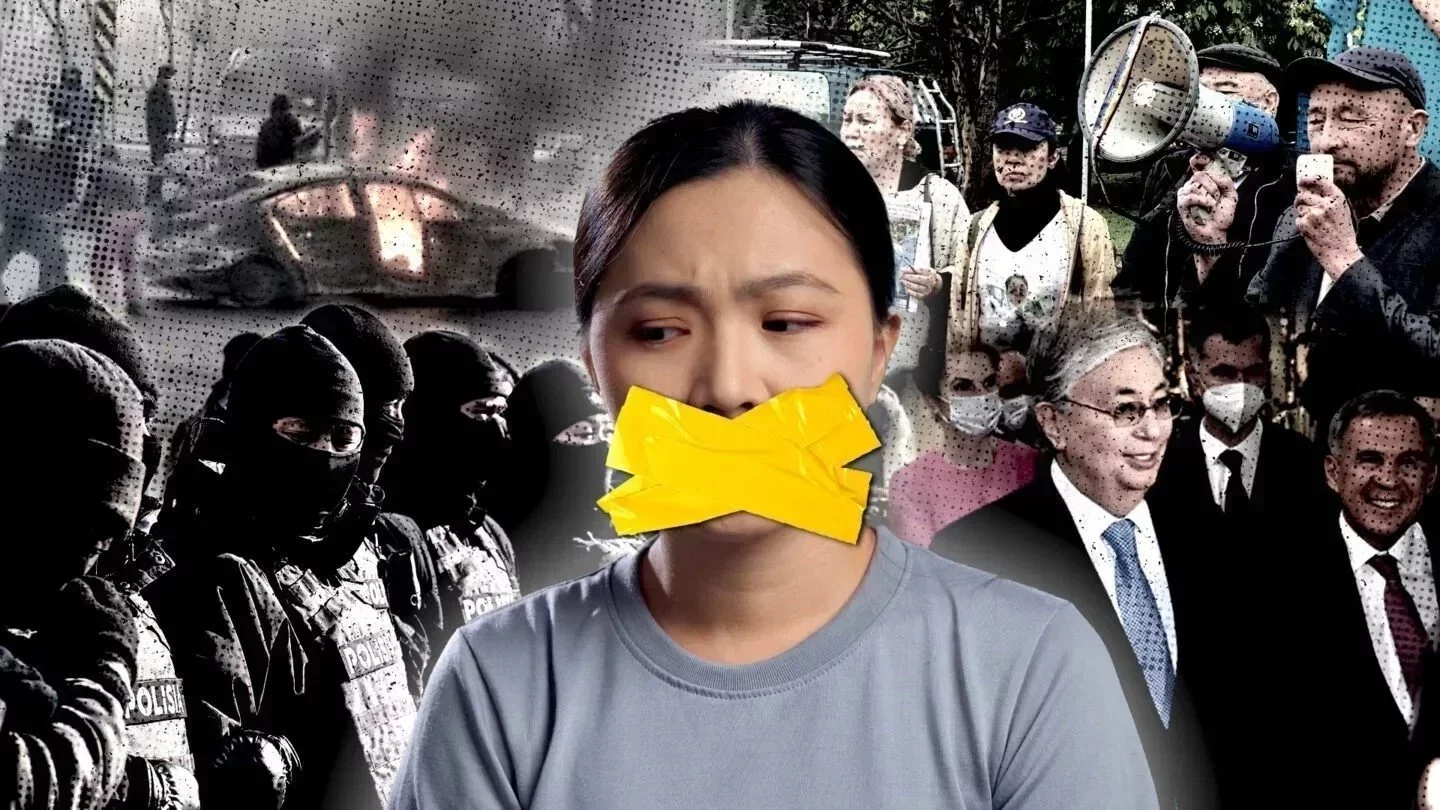
Human Rights Watch has released its annual global human rights report, highlighting persistent violations in Kazakhstan, reports Orda.kz.
The report notes that broad interpretations of extremism laws continue to serve as tools for suppressing opposition and government critics.
While 2024 saw some accountability for the January 2022 events - including a five-year suspended sentence for former Interior Minister Yerlan Turgumbayev - most law enforcement officials involved in torture and detainee mistreatment remain unpunished.
A comprehensive investigation into the January Events has yet to occur.
Laws on the Media and Domestic Violence
Kazakhstan's new media law, adopted in June 2024, has raised concerns among human rights advocates who say it threatens freedom of speech and information access.
The law extends its reach to online publications, requiring registration and physical presence in Kazakhstan.
It also grants authorities broad authority to deny accreditation to foreign journalists if their materials are deemed to contain “extremist propaganda.”
Meanwhile, journalists continue to face pressure.
ProTenge founder Zhamilya Maricheva faced fines for expressing concerns about Radio Azattyq's accreditation denial on Telegram. Journalist Daniyar Adilbekov received a 4.5-year prison sentence for articles mentioning corruption risks in the energy sector.
The year also saw comedians Alexander Merkul and Nuraskhan Baskozhayev face administrative arrest for using profanity in performances. Journalists covering western Kazakhstan floods faced restricted access, with Raul Uporov facing consequences for criticizing local authorities.
Women's rights protection remains inadequate. The homicide trial of former Economy Minister Kuandyk, resulting in his 24-year sentence, highlighted domestic violence issues.
Attempts to register a foundation combating domestic violence in the victim's memory have been rejected five times by the Justice Ministry.
Disability Rights, Sexual Orientation, and Gender Identity
Children with disabilities continue facing isolation, violence, physical restraint, and overmedication in specialized institutions. Bureaucratic barriers and mandatory medical examinations impede inclusive education access.
LGBT+ individuals lack legal protection against discrimination.
Authorities blocked an LGBT+ youth information website in February 2024, citing "national traditions" and child protection.
The Ministry of Culture and Information's consideration of an anti-propaganda" petition, despite UN expert opposition, led to proposed restrictions on "sexualized content" for children.
Human rights activists stress that such measures only increase stigmatization and discrimination against vulnerable groups.
They call on Kazakhstan to fulfill its international obligations and ensure the protection of all citizens, regardless of their orientation, identity, or health status.
Refugees, Workers' Rights and Social Inequality
Kazakhstan continues extraditing activists to neighboring countries despite persecution risks.
Karakalpak activist Aqylbek Muratbai faces extradition after his asylum request was rejected. Similar cases involved Rasul Zhumaniyazov and Rinat Utambekov, with the latter extradited to Uzbekistan in December.
Trade union freedom and strike rights remain restricted.
At an April press conference, five western Kazakhstan union activists highlighted employer and authority pressure. Authorities continue ignoring UN recommendations to release detained labor activist Yerzhan Yelshibayev.
Despite official reports showing decreased poverty in early 2024, experts suggest these figures underestimate the problem's scope. Strict social assistance criteria exclude many in need.
The report concludes with calls for Kazakhstani authorities to improve social assistance distribution, enhance working conditions, and strengthen refugee protections to meet international human rights obligations.
Original Author: Artem Volkov
Latest news
- Statistics Show Where the Most Women Live and Work in Kazakhstan
- Kazakhstan Carries Out 12 Evacuation Flights From the Middle East
- Kazakhstan Labor Inspectors Find Wage Arrears at 102 Enterprises
- Police Raid in Shymkent Uncovers Widespread Violations Involving Foreign Nationals
- Tokayev Condemns Drone Strike on Nakhchivan Airport
- Eyewitnesses Share Photos of Kazakh Citizens’ Evacuation
- Tokayev Orders Tighter Security for Kazakhstan’s Critical Infrastructure
- Semey Teen Convicted Over Telegram Chat Targeting Foreign Students
- Gender Equality Index 2025: Is Kazakhstan Leading in the Region?
- UNICEF Highlights Children’s Digital Rights in Draft Constitution of Kazakhstan
- Kazakhstani Journalists Returning From Ukraine Detained at Astana Airport
- Kazakhstan Prosecutor Opposes Deportation of 16-Year-Old Russian Teen
- Russian TV Channels Taken Off Air in Kazakhstan
- Mistaken Claim? Kazakhstan Denies $1B Contribution to the Board of Peace
- How many Kazakhstanis remain in the Middle East — MFA
- Kazhydromet Warns of High Flood Risk in Five Regions in 2026
- MP Calls for Prosecutor Review of Kazakhstanis’ Dubai Property
- Kazakhstan Moves to Legalize Private Detective Work
- Kazakhstan to Extend Gas Export Ban for Six More Months
- Majilis MP Calls to Soften Liability for Kazakhstanis Drawn into Foreign Wars for Pay
