

Emergency Backup for Russian Fuel: Why Kazakhstan Turned to Europe for Jet Fuel
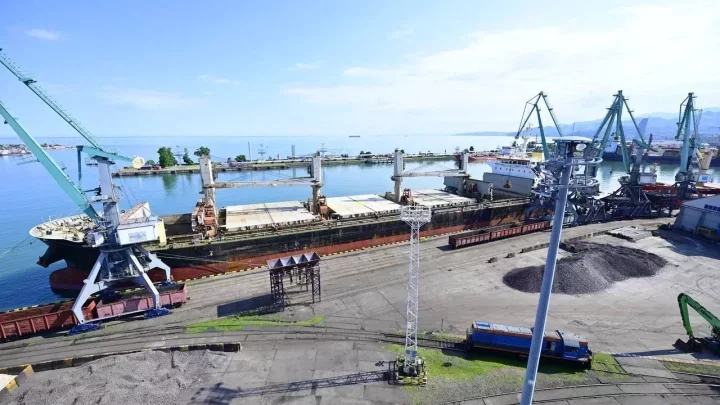 Batumi oil terminal. Photo: kmg.kz
Kazakhstan’s decision to import 10,000 tons of European jet fuel through Georgia may be a precaution against possible disruptions to Russian supplies, oil and gas industry expert Olzhas Baidildinov said, Orda.kz reports.
The new route is significantly more expensive than the usual supplies and is not yet able to cover the needs of the country.
In July, the Batumi oil terminal, owned by KazTransOil, resumed the transshipment of aviation kerosene after an eight-year break. The first batch of Jet A-1 with a volume of 10 thousand tons was delivered from Europe through the Black Sea. Now the fuel is waiting to be sent to Kazakhstan by railway tanks along the Middle Corridor.
According to Baidildinov, Kazakhstan annually produces about 700-800 thousand tons of aviation fuel, but imports about 300-400 thousand tons duty-free from Russia within the EAEU.
When the current situation creates questions about providing the Russian market with fuel in general and aviation kerosene in particular, Kazakhstan is naturally looking for alternative ways. Apparently, we saw one of these ways,the expert noted.
He called the volume of the European party small. Ten thousand tons will not be able to replace Russian supplies, especially taking into account the growth of passenger, cargo and transit air transportation.
Kazakhstan is also considering fuel purchases in China, Turkmenistan and Azerbaijan. However, free volumes in these countries may already be contracted or sold at a higher price.
Deliveries through Russia were easier and cheaper: fuel was transported several hundred kilometers. European kerosene will have to overcome several thousand kilometers with sea and rail consters.
The logistics are completely different, the prices are completely different. Therefore, this is more of an emergency measure than a system channel,said in conclusion, Baidildinov.
Kazakhstani refineries produce mainly aviation fuel of TS-1 and RT brands. The plants declared their technical readiness to switch to the international standard Jet A-1, but this requires reconfiguration of production facilities and preparation of the infrastructure of airports, oil depots and carriers. We wrote about this in a large comparative analytical material.
Original author: Alexander Zhdanov
Read also:
- How Russia’s Fuel Crisis Could Hit Kazakhstan
- Kyrgyzstan Gasoline Shortage Raises Smuggling Risk For Kazakhstan
- Who Is Paying for New Airports in Kazakhstan and When They Will Open
Latest news
- Orda.kz Editorial Team to Cease Operations on September 1
- The Price of a Degree: How Students in Kazakhstan Pay for University
- Second Przewalski’s Horse Foal Born as Species Returns to Kazakhstan
- Kazakh Mining Companies Can Recalculate Purchases if Tenge Weakens
- Kazakhstan Names First Vice President in Three Decades
- What Almaty’s Bus Shelters Are Missing
- 400-Truck Queue Builds at Kazakh–Kyrgyz Border
- Kazakhstan Ready to Help Feed and Rebuild Gaza
- Tokayev Establishes New Presidential Security Body
- Almaty Takes Back Its Nearly Century-Old Hippodrome
- No More Guesswork on Savings: Kazakhstan Tightens Energy Audits for Businesses
- Public Money Could Be Used to Rescue Failing Kazakh Banks
- Third Kazakh Woman Reported Missing in Nepal-China Flood Zone
- Falconer Convicted Over 35 Protected Birds, Spared Punishment Under Amnesty
- Kazakh Citizen Detained in Yakutia in Phone Fraud Case
- Yuan Instead of Dollars? KazMunayGas Draws Record Demand in Asia
- China Gains Oil-Market Influence as OPEC+ Weakens
- Kazakhstan to Divide Smartphones Into White, Gray and Black Lists
- Kazakhstan’s Government Formally Resigns as First Kurultai Session Opens
- Rare Lynx Sighting Recorded in Northern Kazakhstan
