

Dismantling of Russia: Nogais Demand to Distribute the Russian Federation Among Small Nationalities
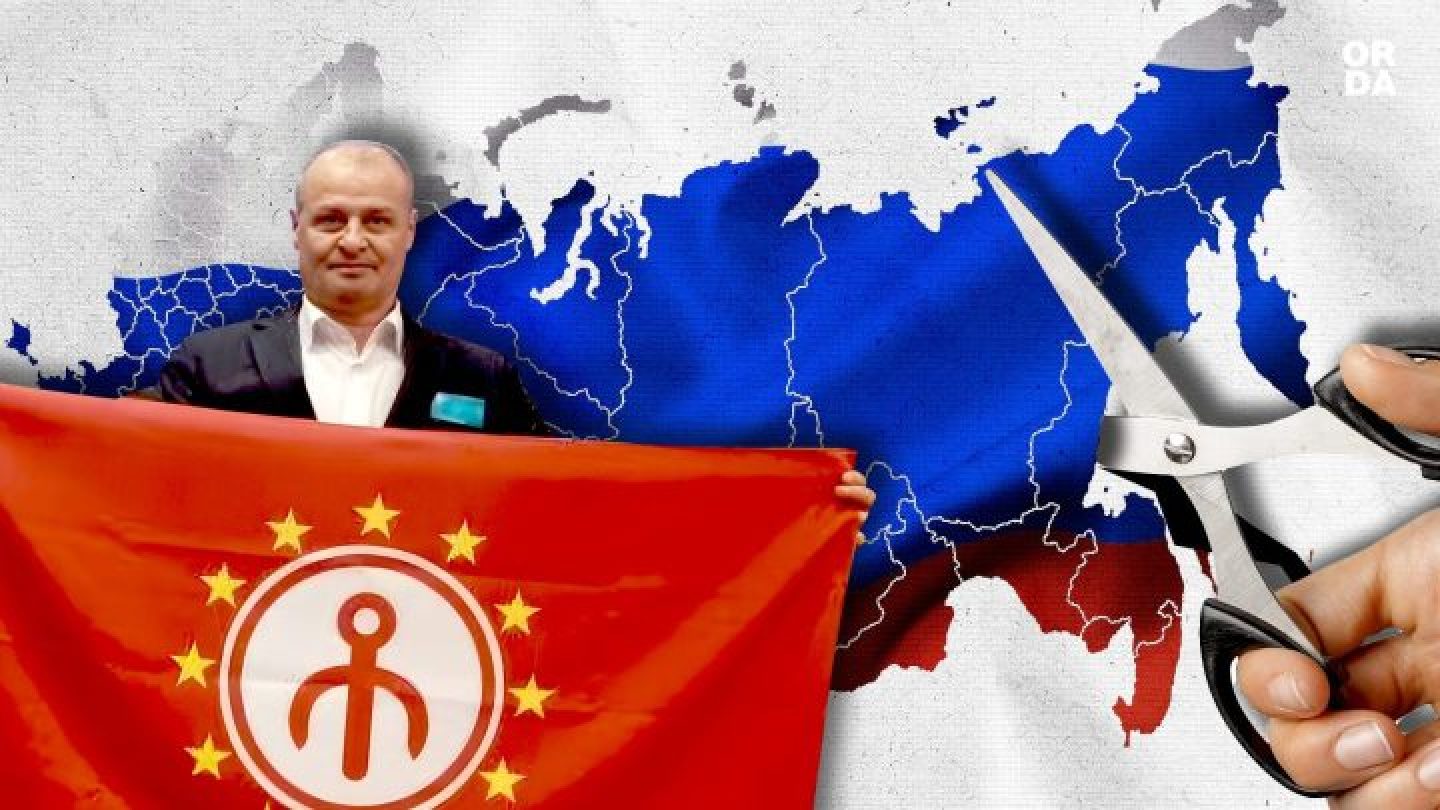
News has appeared in the Russian media that Anvar Kurmanakayev's compatriots have condemned the Nogai activist for calling for the creation of a sovereign "Nogai state". Kurmanakayev said that an entire alliance of indigenous peoples in Russia plan to achieve independence along with the Nogai people. How is the creation of the Nogai state planned and can this somehow affect Kazakhstan? An Orda correspondent looked into the situation.
News about "The People's Council of Workers of Petropavlovsk" was a recent hot topic in Kazakhstan. Their video caused a social backlash. Several Petropavlovsk residents declared their independence from the Republic of Kazakhstan in it.
Although different in nature, similar circumstances are unravelling in Russia. Representatives of several ethnic groups have united in the "Alliance of Indigenous Peoples" and await the Russian Federation’s imminent collapse in order to revive lost historical states. One of them is the "Nogai State”. They have been developing a project for internal structure and have outlined its borders.
Nogai State
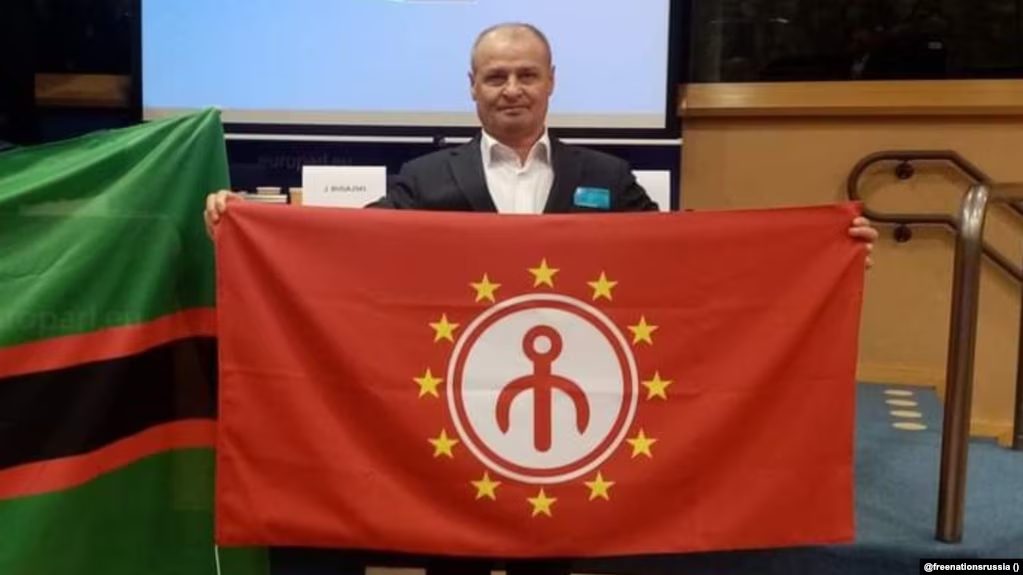
The Russian media has recently reported that the Astrakhan Nogais condemned the statement of activist Anvar Kurmanakayev regarding "creating their own independent state." He had previously announced on social networks "the launch of a project to create a Nogai state." In a subsequent address, he invited all Nogais to join him and express their vision of the future of an independent state.
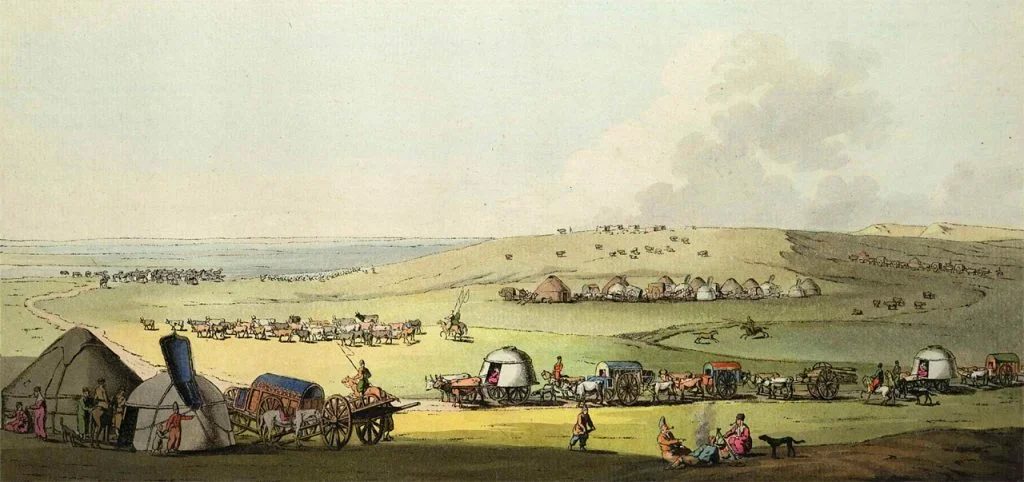
Nogais are a Turkic people in the North Caucasus, in the south of the Lower Volga region, Dagestan, and in the Northern Black Sea region, in the steppes between the Volga and Yaik and in the west of present–day Kazakhstan. They are the descendants of the tribes that made up the Nogai Horde’s population.
An Orda Correspondent contacted Anvar Kurmanakayev and learned about the plans for the construction of the "Nogai State" and its separation from Russia.
According to the activist, the national movement "Free Nogai El" intends to form a sovereign state and has even decided on its borders.
Kurmanakayev says that his movement has started mapping out the state’s internal structure, requesting economic scientists’ help:
"We are forming our government today. At the meeting of the Supreme Nogai Council, which was established two months ago as the highest body of all Nogais in the world, we elected the Prime Minister. He will form a government that will launch the project of the internal structure of the Nogai state."
However, the Nogais of the Astrakhan region, which is the territory that the construction of a new state is planned, did not support Kurmanakayev. They believe he is the Nogai national movement's self–appointed representative.
The activist responded as such:
"Regarding the fact that many Nogais did not support our movement, I can say that these are the people who obey the occupiers and are working off their "30 silver coins", betraying the interests of the Nogai people."
Kurmanakayev also noted that the Nogai state would not just succeed from Russia, but would fight for its liberation from the Russian Empire’s oppression.
"The expression "to separate" can be applied to the national state. But not to the Russian Empire. All its indigenous peoples are currently under occupation, and our movement is fighting for liberation."
"The Russian Empire must collapse someday. Russia is a prison of peoples. Did Kazakhs have a good life under the USSR? Have you forgotten the artificial famine (Ashashylyq - Ed.) that the Communists carried out on the territory of Kazakhstan? Have you forgotten the Aqtobe and Semipalatinsk nuclear test sites? Have you forgotten the environmental disaster caused by the activities of the Baikonur missile range? I suppose not. When the Republic of Kazakhstan was created, it was easier for our Kazakh brothers. You already had state authorities left behind by the Kazakh SSR. We, the Nogais, will have to create all institutions from scratch, and we need to be ready for this. That is why a draft of the state structure is being created, which will be on paper for now. But any project has goals, objectives, and a time period for its execution."
Anvar Kurmanakayev also noted that the Nogai State project's goals are divided into short-term, medium-term and long-term. He said that the "Free Nogai El" will soon decide on the state structure, for instance. He assumes that there will be a Parliamentary Republic.
"Our people are now scattered in four regions of the federation. Nogais living abroad also belong to them. And there are five parties assembling."
Kurmanakayev recalled that Nogais formed a movement that demanded autonomy for their people in the early 90s. He says that at one time local Nogai elders even appealed to the former President of Kazakhstan Nursultan Nazarbayev with a request to help activists who were declared Wahhabis in Russia.
"Then the FSB special services were hunting. All of the (Nogai – ed.) activists were killed, while no investigation was conducted and is not being conducted. Therefore, when the first Chechen war began, the Nogais supported the Chechens and their struggle for independence. We fought on their side. After the Chechens, in terms of the number of fighters, it was the Nogais."
An Indigenous People's Alliance
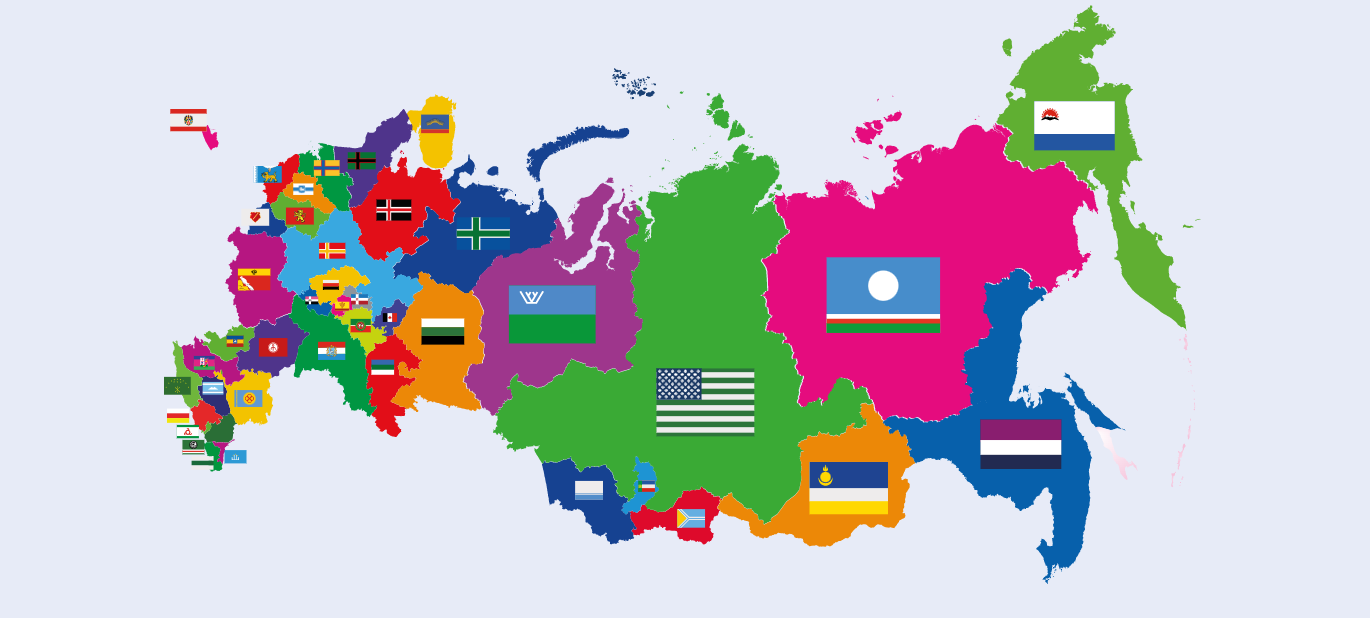
The activist also said that the Nogais are not the only nationality that will seek sovereignty. On May 9 of this year, the founding conference of a new international organization dubbed the Alliance of Indigenous Peoples was held in Istanbul. The main goal of the national movements that are part of the Alliance is Russia’s “dismantling” and the revival of lost states within their historical territories.
The conference participants stressed that Russia's aggression against Ukraine has led to changes in the geopolitical situation, seriously affecting the global security system. The association’s representatives believe that the Russian Federation is already on the verge of collapsing. They see this as an opportunity to restore historical states destroyed by Russia.
"As a result of Russia's aggression against Ukraine, a transformation of the geopolitical world order took place, which seriously affected the world security system. The conference participants believe that the world is on the verge of (witnessing - Ed.) the complete collapse of Russia and the reanimation of historical states destroyed by Russia. The participants of the conference, among whom there are famous historians, state lawyers, journalists, human rights activists, politicians, highly praise the importance of the adopted Resolutions of the UN General Assembly ES-11/4 and the European Parliament of 10/23/2022, condemning Russia's aggression against Ukraine. The participants of the conference see in the legal acts a unique idea that has moral and historical significance in preventing potential genocide in the future,"
From the resolution of the international conference on the topic "Political and legal aspects of the dismantling of Russia."
The resolution stipulates that the alliance requests the UN members to recognize their statehood. Its representatives also support Ukraine. They believe that Ukrainian lands have become a battleground for deciding the fate of many ethnic groups and that only Russia's complete dissolution can guarantee peace and tranquility.
Activists received proposals to expand the organization and include representatives of other movements fighting for independence at the alliance's first meeting. They also proposed concrete steps aimed at breaking-up Russia. For example, there are plans to create committees that will deal with diplomatic, political and military issues. An arbitration court was also created to resolve potential internal contradictions.
- Following the results of the conference, a resolution was signed by the following movements and representatives:
- The Supreme Council of the Nogai People (Anvar Kurmanakayev),
- The World Chechen Congress and the Caucasian Union (Denis Teps),
- Karelian National Movement (Dmitry Kuznetsov),
- Chuvash-Volga-Bulgarian Diplomatic Council (Mikhail Oreshnikov),
- The Government of Tatarstan in exile (Rafis Kashapov),
- Council of United Circassia (Serchuk Balkar and Kenan Kaplan),
- Cossack National Liberation Movement "ѢZikov ѢRtaul" (Alexander Zolotarev),
- Dagestan National Center (Jabrail Mirzoev),
- Free Bjarmia/Pomorie (Mikhail Gradov),
- The Moksha movement Toraman Terdemas (Chovganon Donisi).
- The conference was also attended by Ukrainian public figures – philosopher Dmytro Korchinsky and political scientist Pavlo Zhovnirenko.
Disagreement?
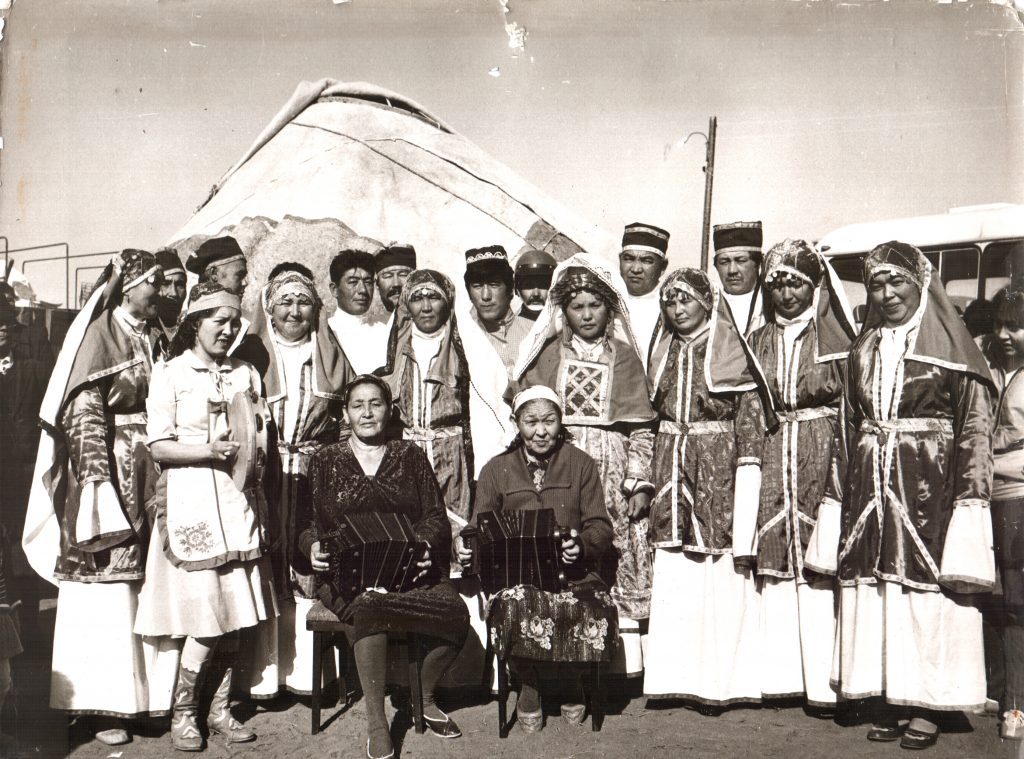
As mentioned earlier, many Nogais of the Astrakhan region disagree with Kurmanakayev's position. These include representatives of pro-Russian organizations representing the Nogai diaspora.
The leaders of local public associations, including Rafik Abdullayev (head of the Nogai-Karagash national cultural autonomy), Ildar Almukhamedov (chairman of the regional center of Nogai culture "Edige") and Eldar Idrisov (ethnologist-Nogai scholar), signed a letter in which they harshly condemned the rhetoric of Anvar Kurmanakayev. The activists also expressed support for Russian military aggression against Ukraine in their appeal.
"We Nogais, along with Russians, Tatars, Kazakhs and other peoples, are the indigenous inhabitants of Russia. We consider it our sacred duty to love our homeland and protect its interests, especially now when our brothers are fighting shoulder to shoulder with neo-Nazism on the territory of Ukraine and the Russian Donbass."
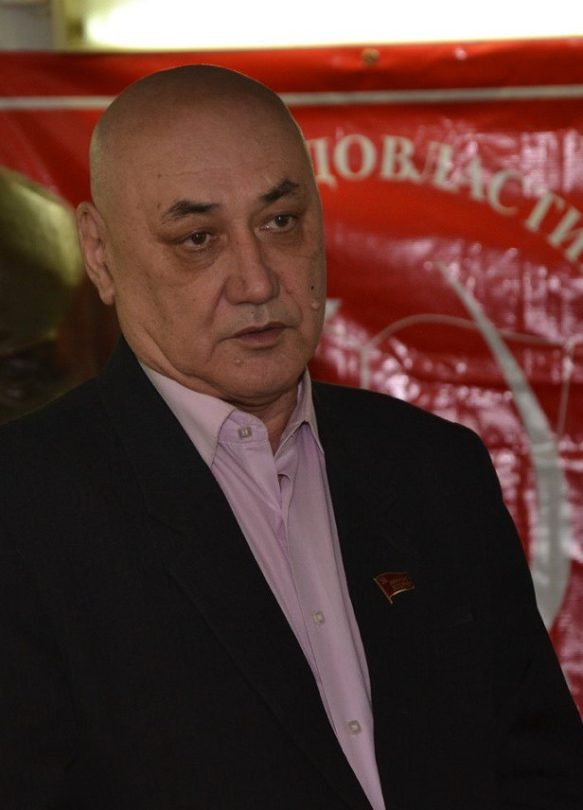
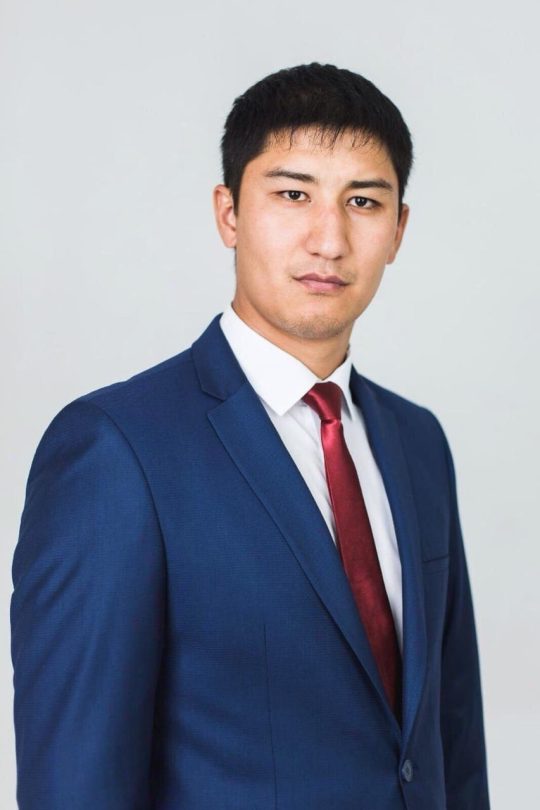
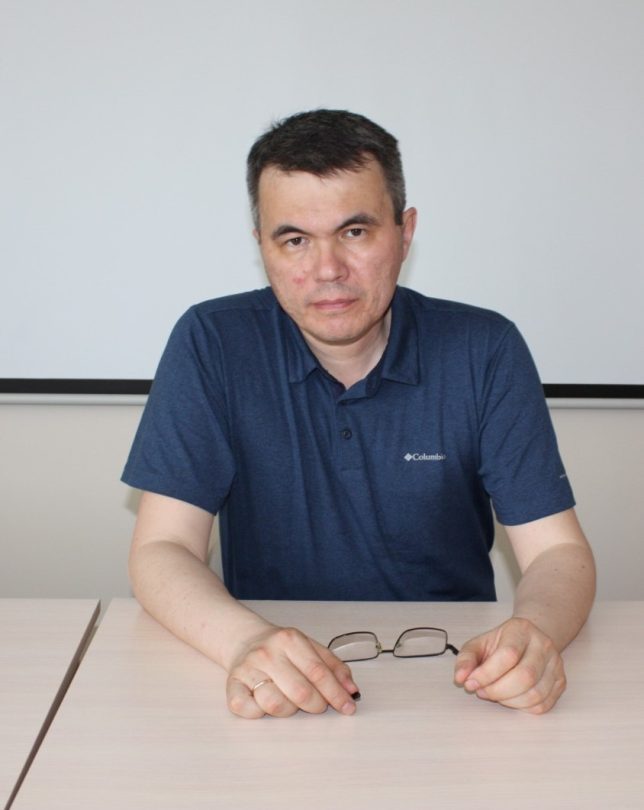
"We believe that Anvar Kurmanakayev's statements and activities in general are openly provocative and treacherous in relation to his people. Kurmanakaev deliberately uses the symbols of the Astrakhan Nogais as fascists once dressed up as Red Army soldiers and committed provocations, he knows that we, the Nogais of Astrakhan, were among the first to support their own and the actions of the President of Russia. That is why today we are witnessing Kurmanakayev's cheap clowning."
A Historian's Opinion
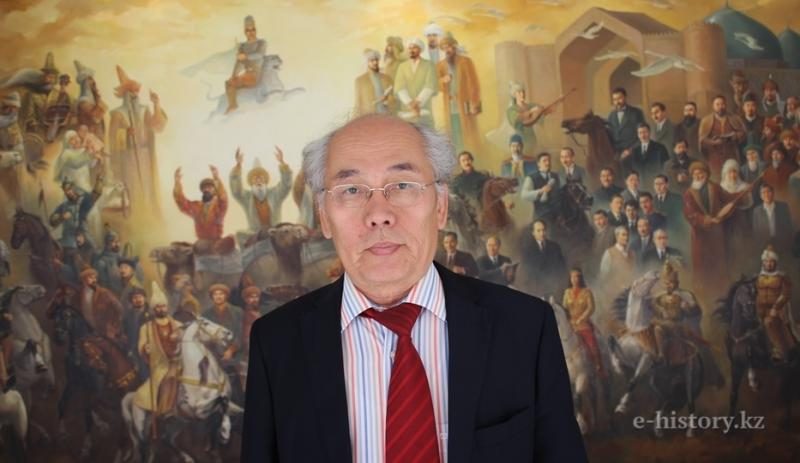
Doctor of Historical Sciences, Professor and academician of the National Academy of Sciences of the Republic of Kazakhstan, Hangeldy Abzhanov, commented on the situation for an Orda correspondent.
The historian believes that as a result of long colonization, a considerable part of the Nogai people was assimilated into Russian colonizers’ culture and lifestyle. They thereby lost their identity, language, history and traditions, explaining the lack of interest in defending their sovereignty. According to Abzhanov, such people can be considered "mankurts".
A mankurt is a captured person turned into a slave, completely subordinate to their master and unable to remember anything from their previous life. The writer Chingiz Aitmatov attached special importance to this concept in his novel "Blizzard Way Station".
"For half a century of colonization, part of the Nogais, apparently, assimilated. They don't need Nogai statehood. The great Genghis Aitmatov singled out such (people - Ed.) as the group of "mankurts". Those who have kept in touch with their past, with their language, history and traditions – are for their own statehood. But for now it remains an impossible dream. The collapse of the USSR gave a powerful impetus to the growth of national consciousness. However, the Nogais do not have a historical territory. Therefore, alas, they have nothing to hope for."
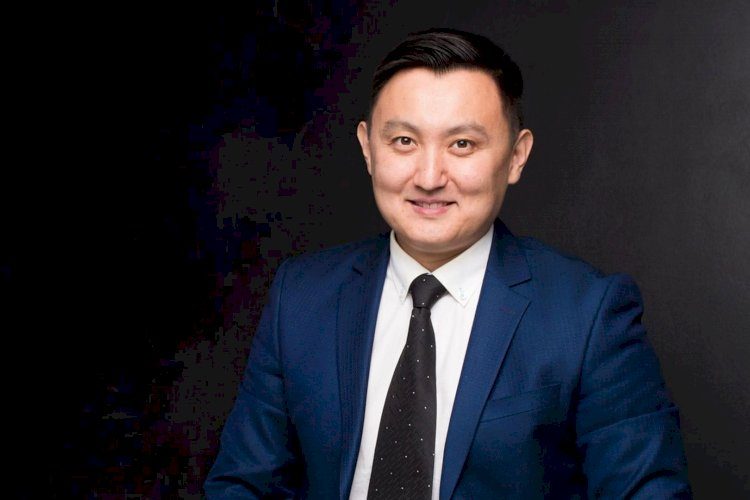
An Orda correspondent also reached out to political analyst Gaziz Abishev for comment to find out how such sentiments could affect Kazakhstan.
The expert expressed his doubts about the possibility of certain ethnic groups separating from the Russian Federation. According to him, the reasons for this are the small number and the indigenous peoples’ disunity along with their lack of significant influence and power resources. In his opinion, Kurmanakayev's movement and Russia’s potential breakup into separate states are controversial issues that require more in–depth study.
"I don't really believe that such a thing is possible in Russia at its current stage. After all, the indigenous peoples in Russia, firstly, are really small, and secondly, they are divided and, thirdly, do not have such a key influence and power resource. And Russia itself is anchored by the Russian people, who feel themselves as a single state community, as is reflected in their constitution – this is the state-forming people. This is a fact, these are realities, so at the current stage, whether Kurmanakayev's movement has any serious prospects in independence is a big question. Whether Russia will even begin to split into separate states even in the conditions of military defeat is also a big question. It can be bogged down with reparations and crushed by defeat. But whether it will fall apart and whether there are prerequisites for this is a question that requires additional research. There is no clear evidence for that yet."
Gaziz Abishev believes that such movements are unlikely in our country. In his opinion, this is due to the fact that Kazakhstan is currently pursuing a wise policy that eliminates such cases.
"To do this, you need to try hard. While there are not very many prerequisites for this, we are still a unitary state according to the Constitution. In Kazakhstan, there is a state-forming nation that dominates state administration and the power bloc, and all key positions are in its hands. But at the same time, firstly, the sovereignty of Kazakhstan and its territorial integrity have been confirmed by a number of states, including not only Russia itself, but also China, Türkiye, the United States and the European Union. At the same time, we are conducting a rather wise policy, therefore, at the current historical stage, there are no prerequisites for the emergence of such separatist groups in Kazakhstan. Of course, if efforts are made, if internal and external forces, without conspiring, start purposefully hitting some weak points, then the danger of separatism may arise. But it's not present right now,"
In March, news about the proclamation of the Petropavlovsk City People's Council of Workers on the withdrawal of the North Kazakhstan Region rocked the nation. Kazakhstanis and law enforcement agencies saw this as nothing more than an open call for an attempt at the territorial integrity of the Republic of Kazakhstan.
Original Author: Asset Smagulov
DISCLAIMER: This is a translated piece, the text has been modified the content is the same. Please refer to the original piece in Russian for accuracy
Latest news
- Kazakhstan Considers Molecular Markers To Track Fuel Supply Chains
- Tengiz Oil Production Gradually Restored After Operational Failure
- Tokayev Meets Cuban Vice President To Discuss AI And Medicine
- Karaganda Zoo Shows Newborn Amur Tiger Cubs For The First Time
- Putin and Tokayev Consolidate New Format of Relations, Political Analyst Says
- Kazakhstan Releases Prices For All Non-Prescription Medicines
- Higher Salaries, Fewer Diseases? Kazakhstan Plans Major Veterinary Reform
- Six Foreigners Sentenced To Up To Eight Years For Kidnapping In Astana
- Kazakhstan Plans To Build Three Schools In Russia
- Child Suicides And Violence Rise In Kazakhstan
- Thousands Of Kazakh Graduates Risk Entering An Oversaturated Labor Market
- Eurasian Economic Forum Opens In Astana
- Russia To Give Kazakhstan Loan For First Nuclear Power Plant
- Kazakhstan And Russia To Swap Tenge And Rubles Without Dollar Intermediary
- Deputies Criticize Kazakh Language Test For Ethnic Kazakh Returnees
- New Traffic Bill Proposes Green Plates For Electric Cars
- Four Amur Tigers From Russia Brought To Kazakhstan
- Tokayev And Putin Sign Statement On “Seven Foundations Of Friendship” In Astana
- Kazakhstan’s E-Commerce Market Grows, Marketplaces Take 84%
- Kazakhstan And NCOC Still Arguing Over Kashagan Repair Schedule
