

Almaty’s Most Comfortable Micro-districts: Expert Opinion
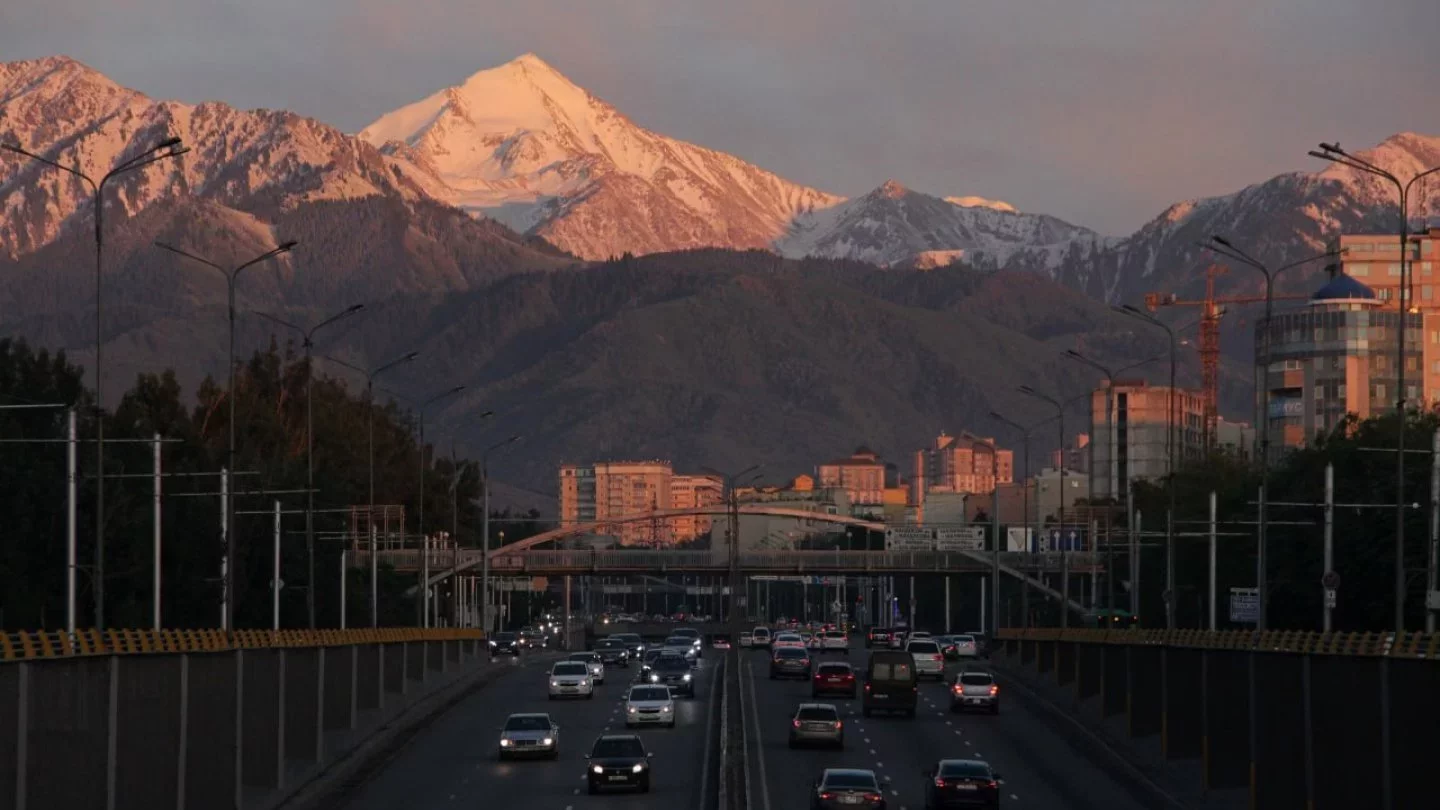 Photo: Igor Ulitin
Vladislav Filatov, an urban architect and member of the Almaty City Council, put together a rating of the city's most and least comfortable micro-districts.
In an interview with Orda.kz, the expert explained what distinguishes the former from the latter and what criteria are used to assess comfort.
The criteria included:
- Housing variety (number of storeys, layouts, and architectural style)
- Transport accessibility (well-developed streets, not just external driveways)
- Availability of essential infrastructure (kindergartens, schools, hospitals, community centers)
- Presence of commercial establishments (offices, restaurants, and shops) on the ground floors, along with well-developed pedestrian areas
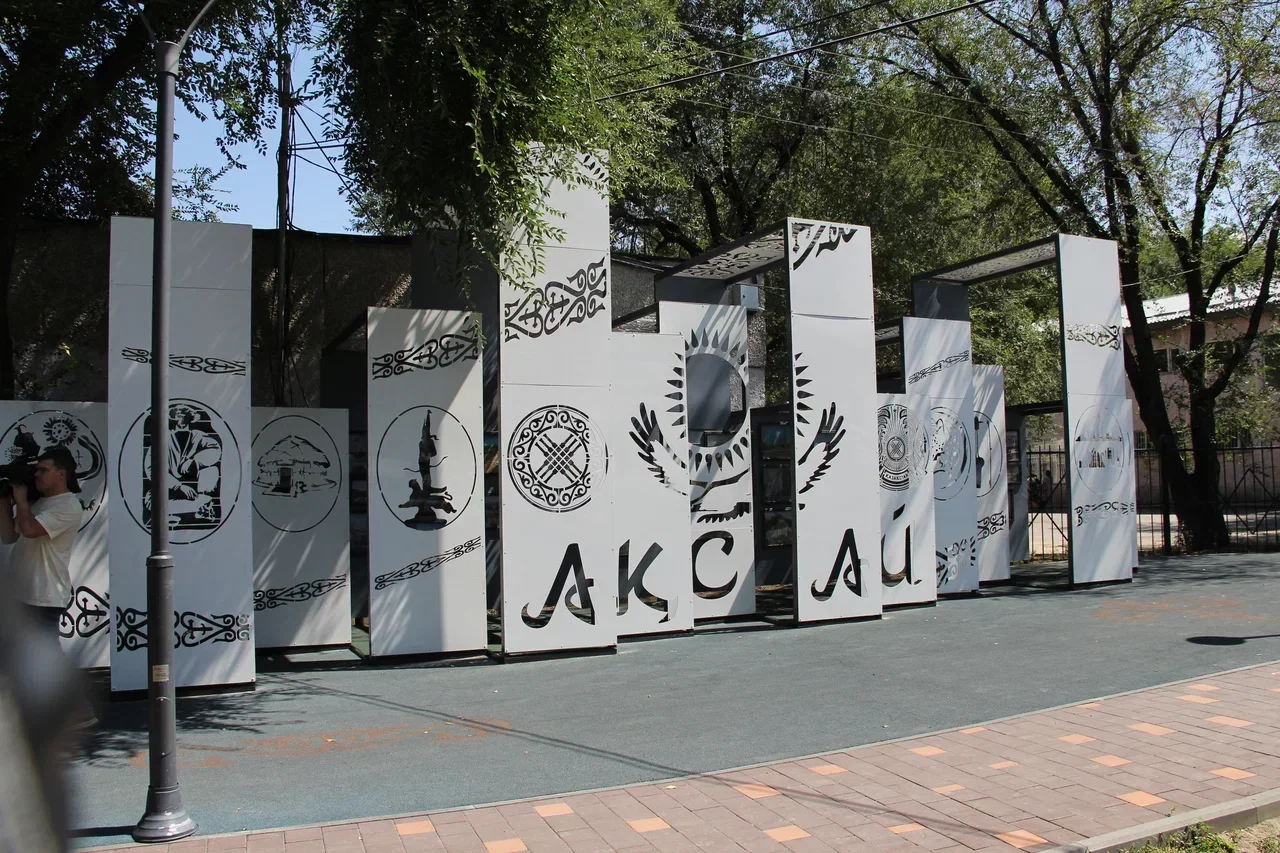
Filatov named Orbita, Aqsay, and Ainabulaq as the top three most comfortable micro-districts in Almaty.
These are late Soviet-era micro-districts, built after both the positive and negative experiences of previous construction. What sets them apart is the presence of internal streets arranged in a grid pattern, similar to a block layout. The ground floors along the main streets are used for commercial premises with direct street access. Additionally, these micro-districts feature a variety of building designs, with no single dominant style. You’ll find a mix of four- and five-story buildings, as well as six- and nine-story ones. This diversity positively impacts the residential areas. Overall, diversity is beneficial for any city. the urbanist explained.

Filatov's rating of micro-districts:
- Koktem
- Tastak-2, 3
- Late numbered micro-districts (8-12)
- Taugul
- Juldyz
- Early numbered micro-districts
- Jetisu
- Tastak-1
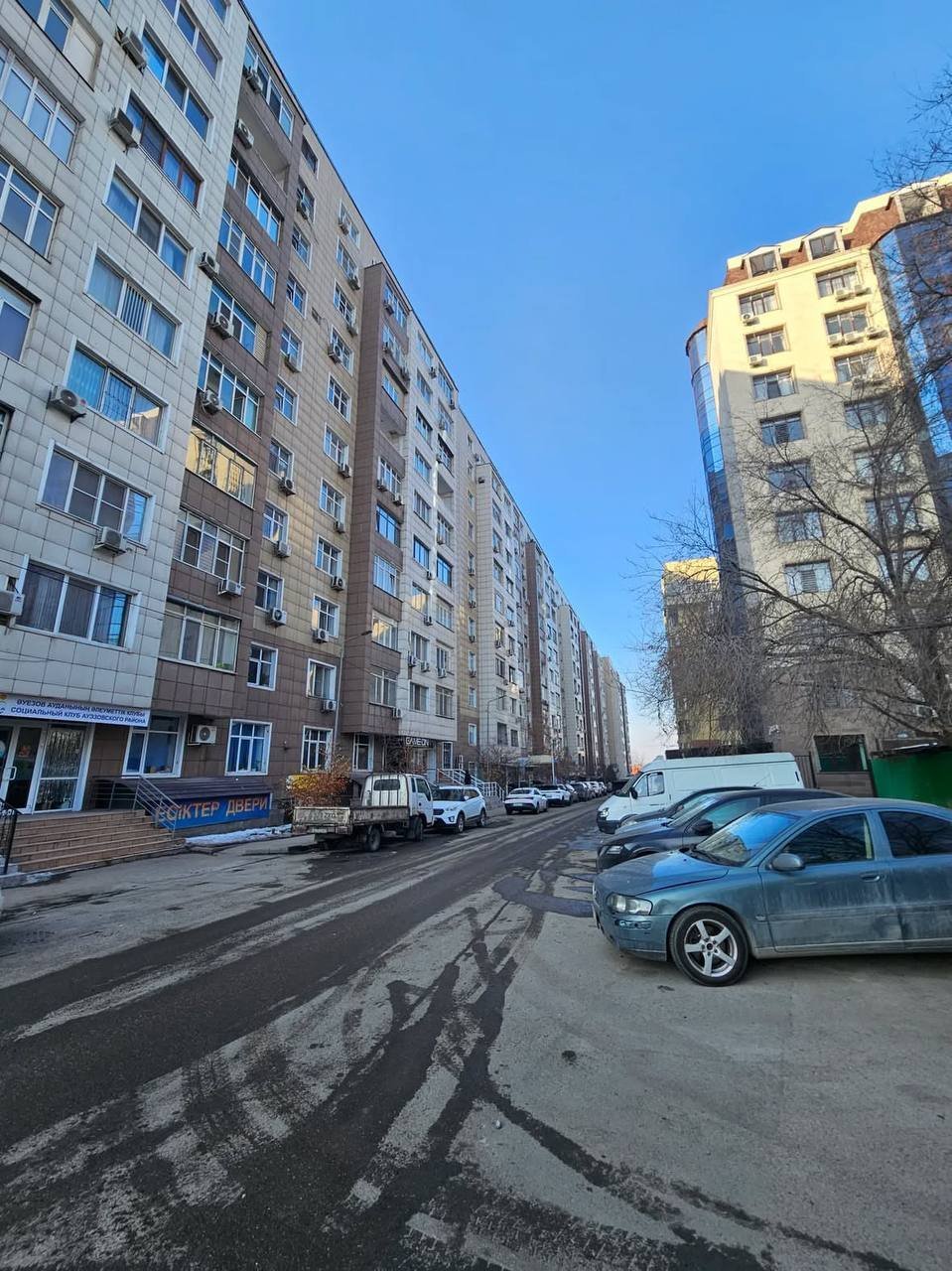
Filatov noted that while all these micro-districts provide essential infrastructure like nurseries, schools, and hospitals, their focus is mainly on fulfilling basic needs such as living, studying, and accessing healthcare.
Microdistricts like Orbita and Ainabulaq offer more diversity – here you can not only live, study, get treatment, but also work and have fun, the specialist added.
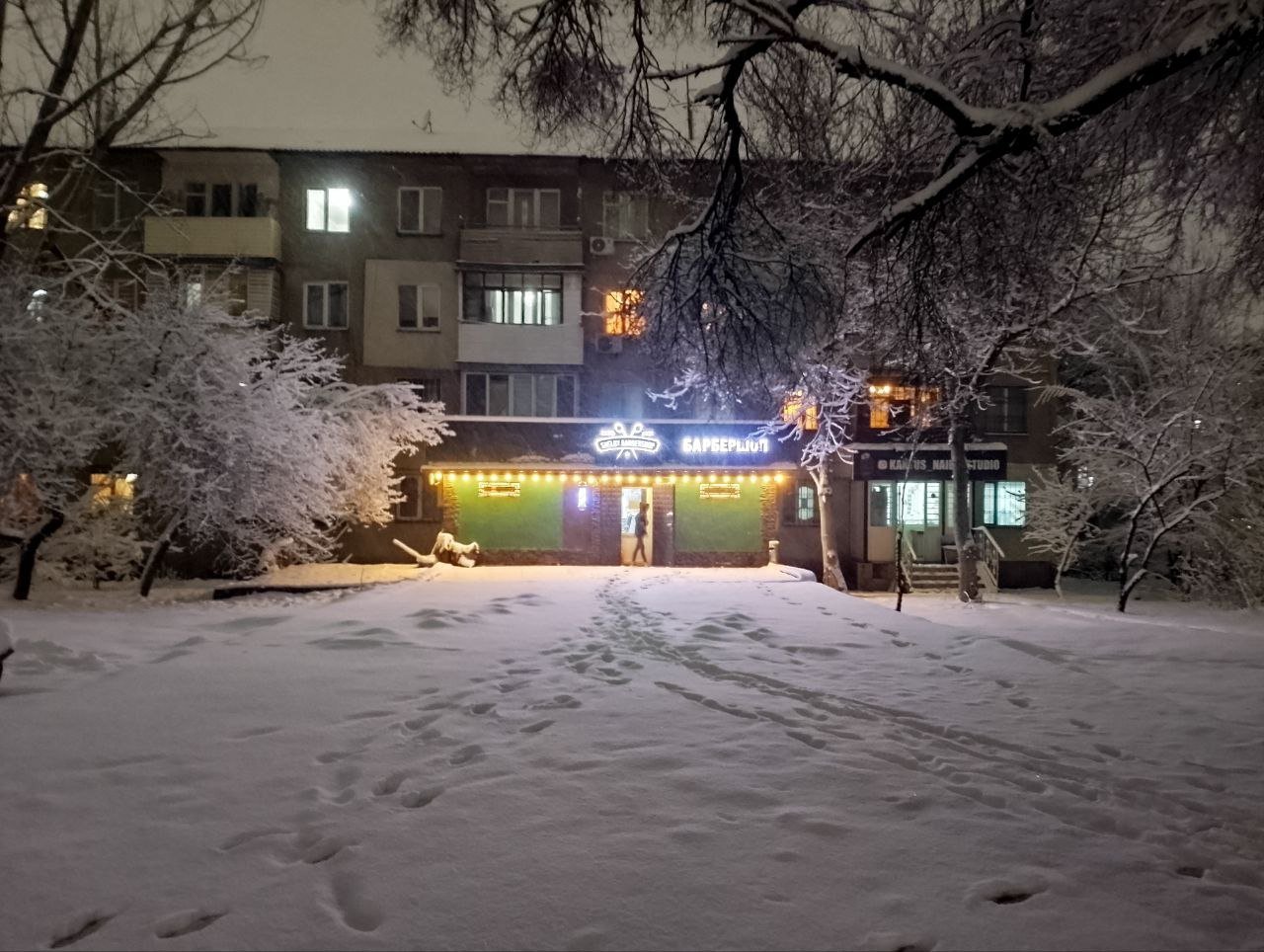
The urbanist highlighted the construction in post-independence Kazakhstan, noting that urban growth has taken a step back in recent years.
It feels like we’ve hit a reset button, and now we’re back to building basic housing in the fields, just like we did in the 60s, he said.
As an example, Filatov cites the areas under construction on the outskirts of Almaty:
This is poor planning for micro-districts. The courtyards are walk-through and packed with cars, and the street front isn’t being used to its full potential. Instead of commercial spaces on the ground floor, they’re building more apartments.
The expert emphasized that the modern lifestyle requires various construction types and infrastructure within one area, ensuring convenience and the ability to handle everyday tasks on-site.
City districts should not be just residential zones that rely on the city center for everything from work to entertainment.
Each micro-district should be self-sufficient, allowing people to live comfortably without needing to travel across the city for everyday tasks.
Original Author: Maria Kravtsova
Latest news
- Kazakhstan’s Planned Route to Mongolia Will Pass Through Russia
- Almaty Starts Testing a Low-Emission Zone in the City Center
- Senate Calls for Safety Audit of Almaty Metro
- Large Banks in Kazakhstan Lose Profit While Smaller Ones Grow
- Kazakh Suspects Linked to Fraud Scheme Targeting Deaf People in Kyrgyzstan
- Suicides in Kazakhstan Rise Again After Two Years of Decline
- Kazakhstan May Sharply Increase Fines for Animal Cruelty
- National Bank to Track Official Exchange Rates for More Foreign Currencies
- Traffic Is Driving Almaty’s Air Pollution Crisis
- Kazakhstan Moves to Expand the List of State Secrets
- Poll Shows Kazakhstanis Trust the President More Than Other Institutions
- Kazakhstan Proposes Extending Medical Training by One Year
- Teachers in Kazakhstan May Be Freed From Extra Work
- Oskemen Airport Fined and Stripped of Monopoly Income
- Senate Sends Bill on Stray Animals Back for Revision
- Banks Were Not the Source of Data Leaks in Kazakhstan, Ministry Says
- “Dead Souls,” Ruined Slaughterhouses and a Lower Locust Threshold: What the Agro-Industry Audit Found
- Astana Leads Kazakhstan in Regional Economic Growth
- Tengizchevroil Fined Over Excess Emissions in Atyrau Region
- Kazakh Citizen Detained in Germany on Suspicion of Spying for Russia
