

Yerlan Karin Explains Purpose of New Domestic Policy Principles
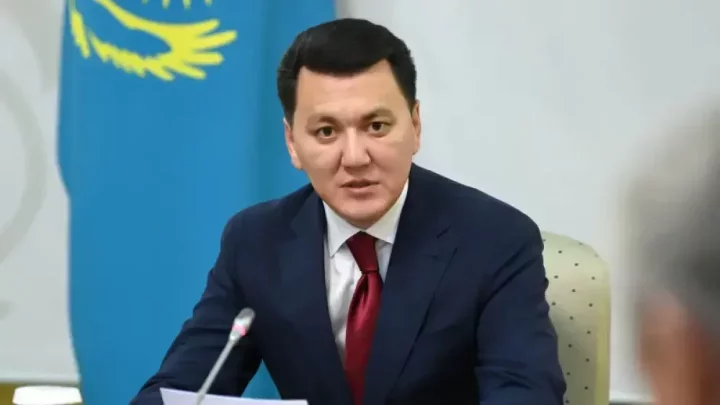 Photo: Aqorda
State Advisor Yerlan Karin explained why Kazakhstan needed a new domestic policy document — the same decree on principles and values signed by the president on November 5. Orda.kz presents a full breakdown of his article.
Karin’s text, published in Kazakhstanskaya Pravda under the title “Common Sense Policy,” argues that for the first time, the state has brought together everything related to domestic policy. Until now, he writes, these ideas existed only in separate programs — sometimes overlapping, sometimes contradicting each other.
This document became the first systemic act defining the ideological and organizational framework for the country’s domestic policy. For the first time, the concept of ‘domestic policy,’ its goals, objectives, and directions, were clearly articulated at the state level.
The drafting process, he notes, involved experts, debate, and refinement — taking more than six months.
Why was it necessary?
Not to introduce a new ideology, Karin insists. Instead, the government compiled a set of core principles already accepted by most citizens.
Some critics, as expected, said the document didn’t present any new ideology. But from the very beginning, this document didn’t intend to advance any new overarching goals. And that’s fundamentally impossible given the pluralism of opinions in our society. The primary focus was on defining and establishing those universal principles, values, and norms of behavior shared by the vast majority of citizens.
More Substance
From Karin’s perspective, the era of flashy programs and PR activity is over — the priority now is systemic work, real outcomes, and longevity.
Government agencies were striving for quick PR results, implementing projects to create the appearance of ‘success.’ Many back then were caught up in the so-called quick-win tactics, neglecting strategic objectives. Now, the priorities are systemic approach, practical impact, and sustainable results.
Authorities are also increasingly worried about external cultural influence, Karin says — and the state plans to strengthen its response.
There is growing concern in society about attempts to impose alien cultural models and behavioral norms. The state intends to take these requests into account and strengthen measures to protect traditional values, including legal instruments.
On Digital Ethics, Fake News and “Info-rackets”
Karin describes information manipulation online as a threat, particularly bloggers who provoke scandals and then demand payment to remove content.
The activities of individual bloggers and activists are turning into banal extortion. This is not journalism at all, nor is it any kind of social activity.
He warns against “emotional boycotting” and sees cancel culture as a tool of public shaming that can escalate into collective harassment.
Influenced by emotions, people support calls for a boycott without delving into the essence of what’s happening. This often creates an atmosphere of aggression and psychological violence. Blindly fighting injustice can breed even greater injustice.
Karin says discussions about ethnicity, language, religion, and foreign policy should be handled carefully.
He emphasizes it is not censorship, but an appeal for restraint.
The state acts methodically and rationally, addressing accumulated systemic problems. This is a policy of common sense — decisions made not for short-term gains, but for citizens and long-term national priorities.
Background Events
A bill banning so-called “LGBT propaganda” has passed the Majilis and could soon criminalize broad categories of information. More recently, activist Zhanar Sekerbayeva’s lecture at KIMEP was cancelled, which she linked to these amendments.
Meanwhile, former Dat editor Nurtaza Kadyrniyazov was recently “invited for a conversation” over allegedly false information. Satirical page founder Temirlan Yensebek faces a new criminal case even after a previous conviction.
Anti-Chinese demonstrations continue in the south: a portrait of Xi Jinping was burned in the Uyghur region, and Aqsay residents demonstrated over temporary land transfers to a Chinese company.
Original Author: Zarina Fayzulina
Latest news
- Orda.kz Editorial Team to Cease Operations on September 1
- The Price of a Degree: How Students in Kazakhstan Pay for University
- Second Przewalski’s Horse Foal Born as Species Returns to Kazakhstan
- Kazakh Mining Companies Can Recalculate Purchases if Tenge Weakens
- Kazakhstan Names First Vice President in Three Decades
- What Almaty’s Bus Shelters Are Missing
- 400-Truck Queue Builds at Kazakh–Kyrgyz Border
- Kazakhstan Ready to Help Feed and Rebuild Gaza
- Tokayev Establishes New Presidential Security Body
- Almaty Takes Back Its Nearly Century-Old Hippodrome
- No More Guesswork on Savings: Kazakhstan Tightens Energy Audits for Businesses
- Public Money Could Be Used to Rescue Failing Kazakh Banks
- Third Kazakh Woman Reported Missing in Nepal-China Flood Zone
- Falconer Convicted Over 35 Protected Birds, Spared Punishment Under Amnesty
- Kazakh Citizen Detained in Yakutia in Phone Fraud Case
- Yuan Instead of Dollars? KazMunayGas Draws Record Demand in Asia
- China Gains Oil-Market Influence as OPEC+ Weakens
- Kazakhstan to Divide Smartphones Into White, Gray and Black Lists
- Kazakhstan’s Government Formally Resigns as First Kurultai Session Opens
- Rare Lynx Sighting Recorded in Northern Kazakhstan
