

What Almaty’s Bus Shelters Are Missing
 AI-generated illustration
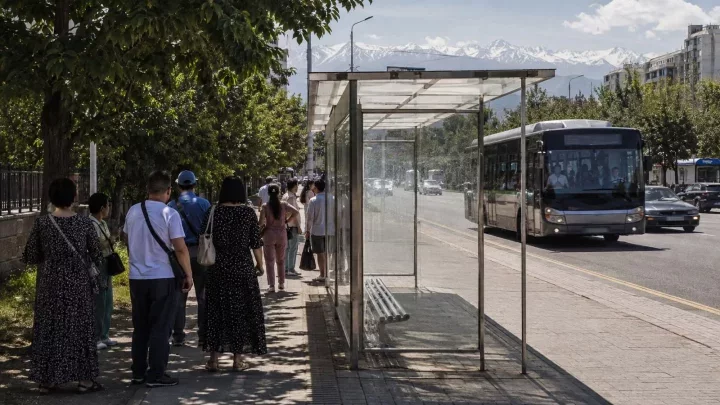
Almaty residents can wait up to half an hour for a bus, yet many of the city’s modern shelters offer little protection from the sun, rain, wind or snow. Orda.kz examined why the pavilions often fail passengers and what could make them more practical.
Passengers Seek Shade Behind the Shelter
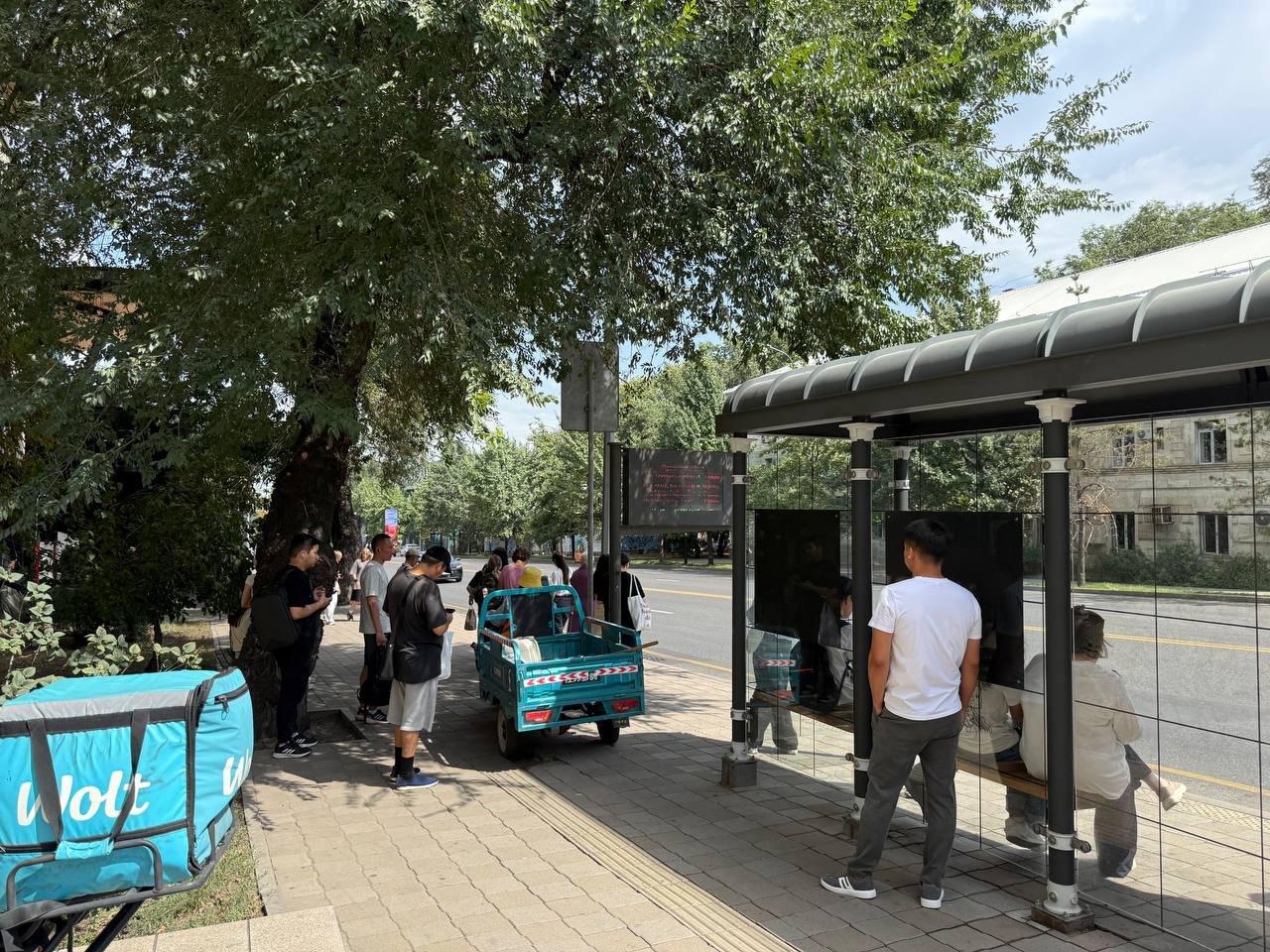
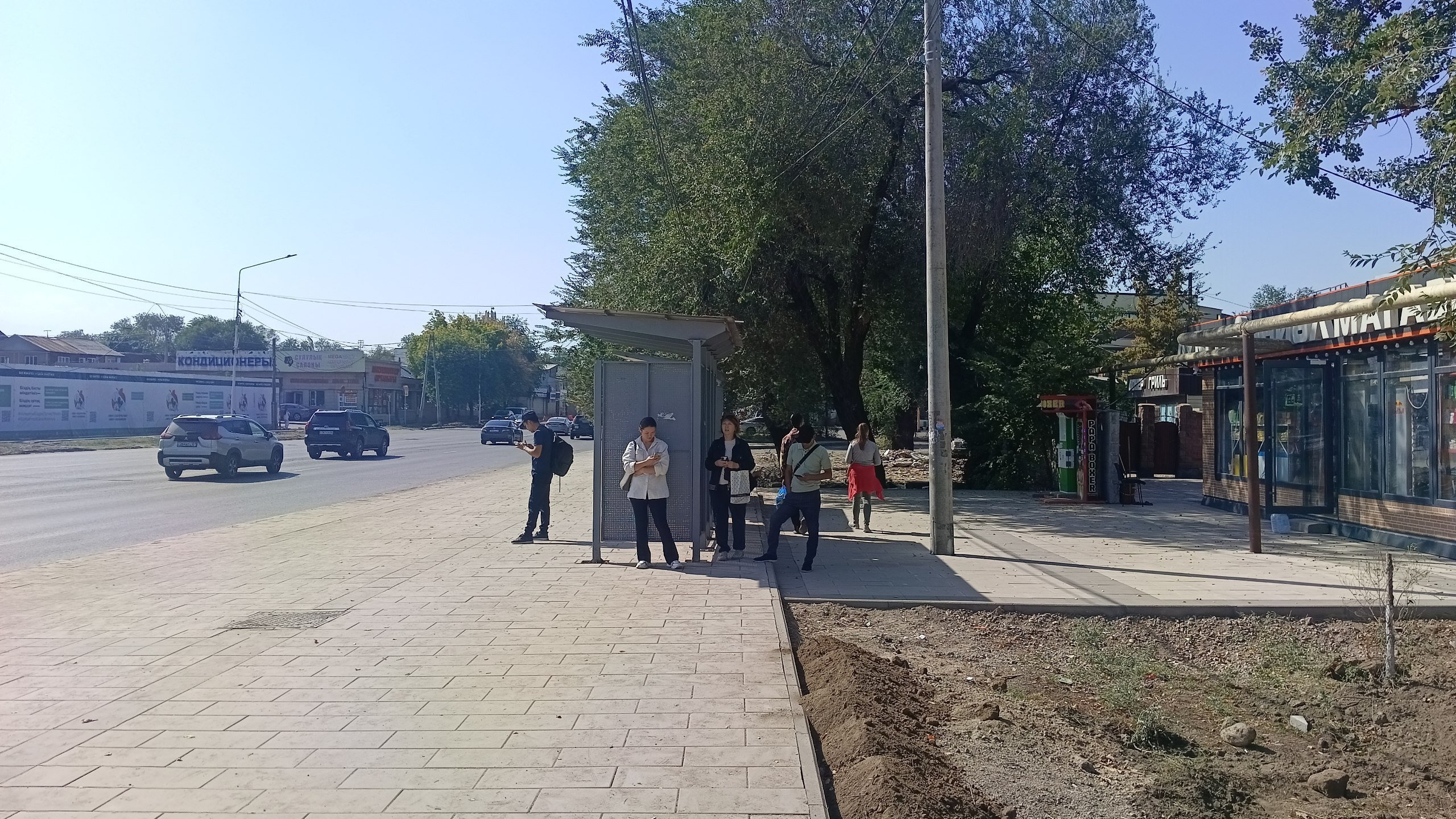
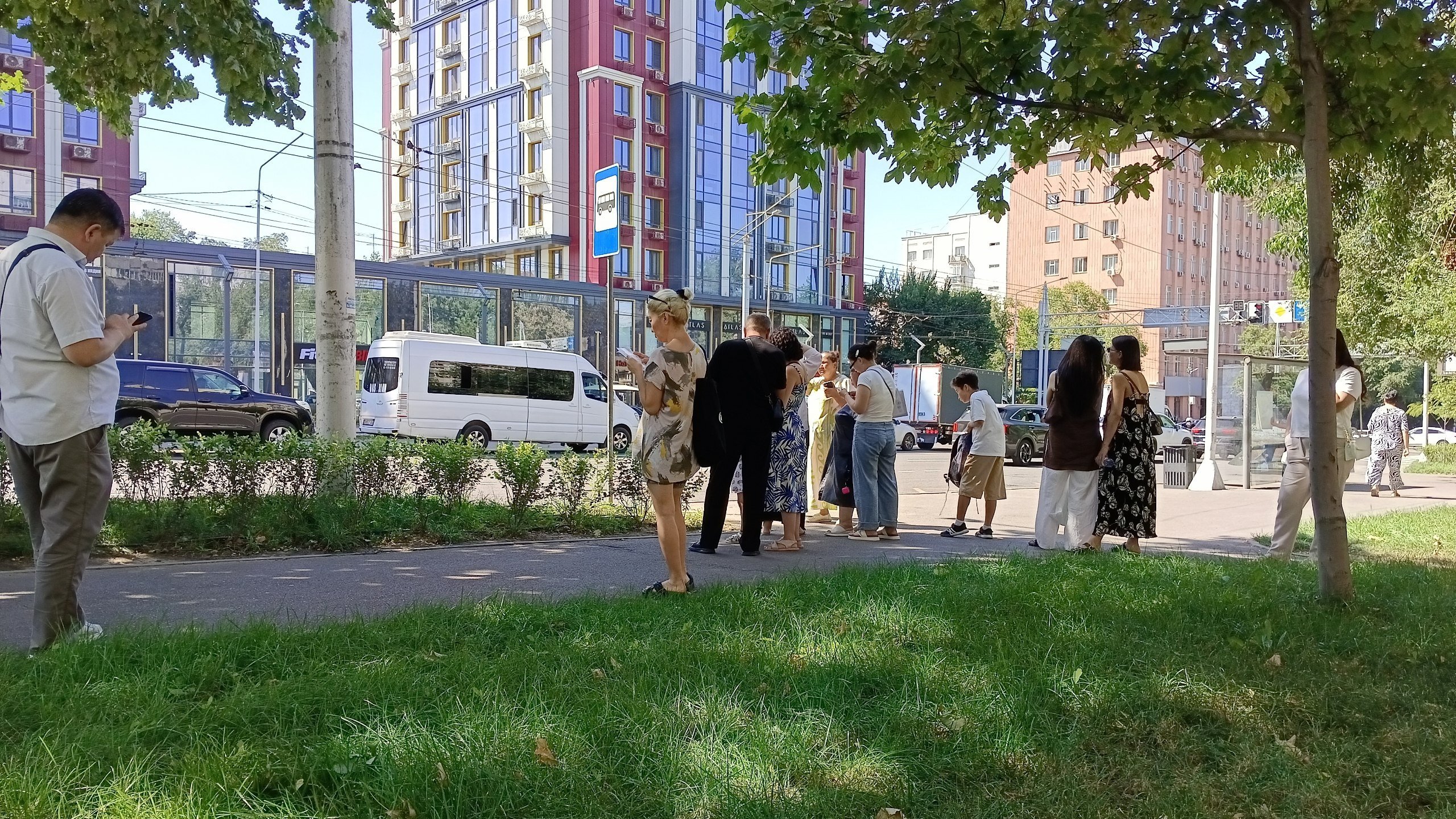
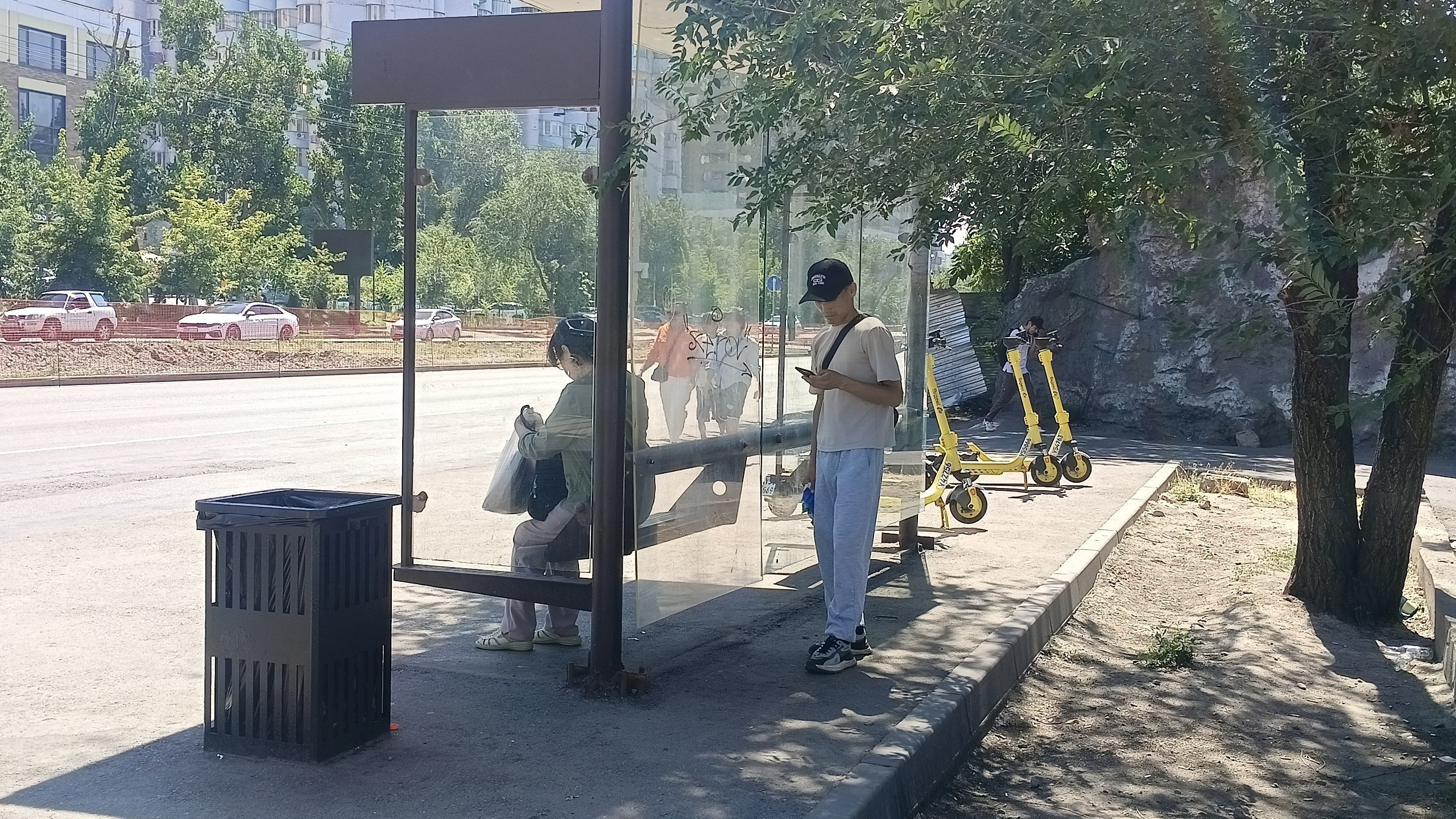
On hot days, passengers can often be seen standing behind bus shelters, beneath nearby trees or against buildings. Glass walls and roofs trap heat, while metal benches can become too hot to use.
The shelters perform little better during rain. Narrow canopies provide limited cover, while wind drives water inside. In winter, passengers also face snow, ice and slush.
Residents additionally complain about a shortage of seating and shelters that are too small for rush-hour crowds.
Designed Without Considering the Location
Architect and urban planner Yerkanat Zaitov says the main problem is that standard shelters are installed without sufficient analysis of their surroundings.
Their design may not account for the sun’s movement, prevailing winds, pavement width, nearby buildings or actual passenger numbers. As a result, sunlight enters the shelter while its shadow falls outside the waiting area.
Common problems include transparent roofs, shallow canopies, poor protection from wind and diagonal rain, slippery surfaces, inadequate drainage and too few seats.
A roof alone does not make a proper bus stop. If the canopy fails to protect passengers in real weather, it serves a decorative rather than practical purpose,Zaitov said.
Too Small for Rush Hour
Zaitov argues that shelter capacity should be based on peak passenger numbers rather than average daily traffic.
This is particularly important at transport hubs where bus, trolleybus and metro routes intersect. When shelters cannot accommodate everyone, passengers spill onto pavements, obstructing pedestrians and people leaving buses.
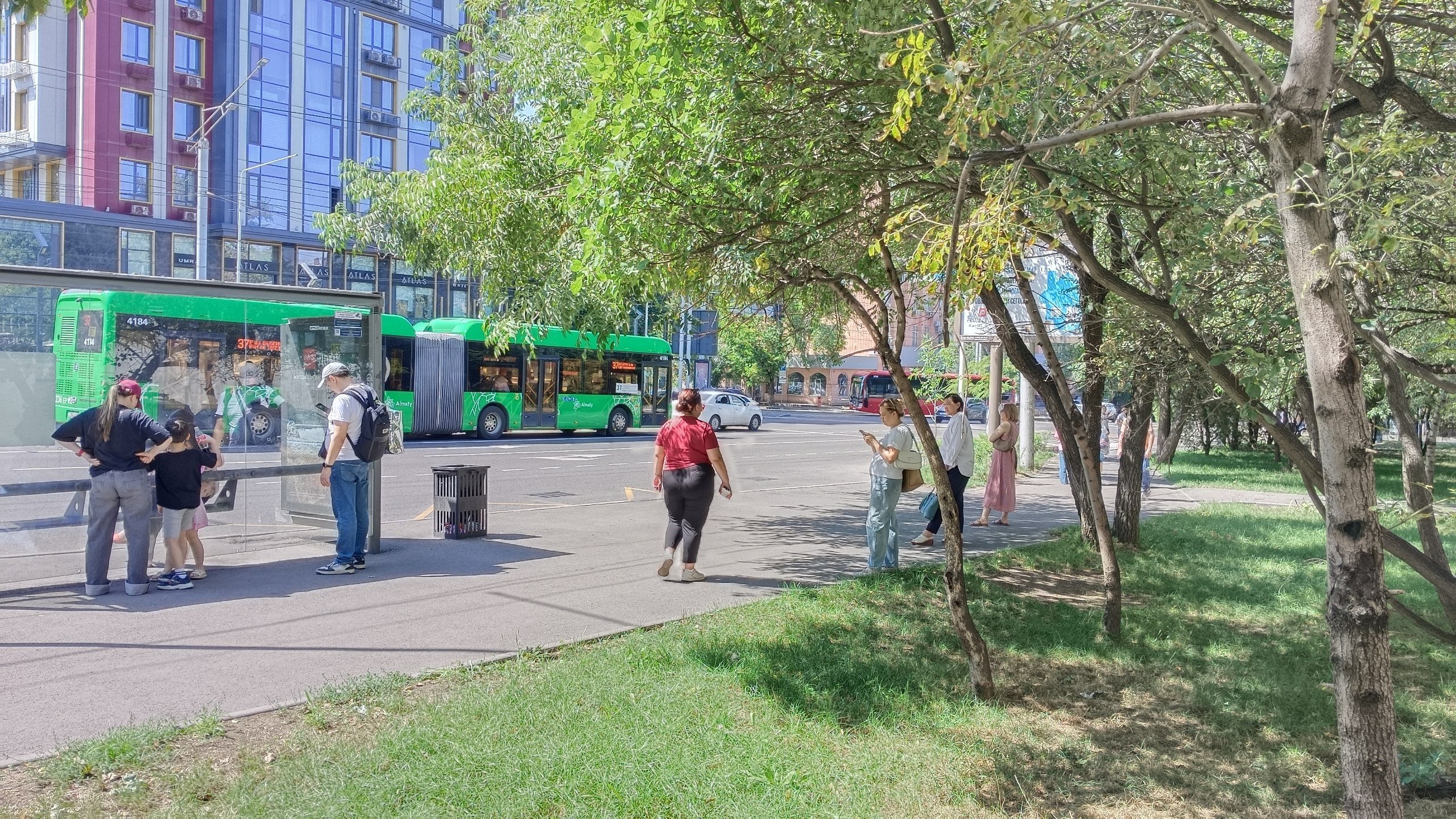
Instead of installing the same structure throughout Almaty, the city should adopt common standards for safety, accessibility, lighting and route information while adapting each shelter to its location.
A practical shelter, Zaitov says, needs a deep opaque canopy, protection from low sunlight and wind-driven rain, comfortable seating, lighting and clear travel information. Perforated panels or screens can block direct sunlight without preventing airflow, while trees should complement shelters rather than replace them.
More Than 200 New Shelters Planned
Almaty’s Department of Mobility said shelters are installed according to construction standards, safety requirements and passenger traffic. Busy stops may receive two or three pavilions, while less crowded locations receive one.
Officials said the open T- and L-shaped designs were selected for the city’s warm climate and natural ventilation. However, the department acknowledged receiving complaints about inadequate protection from the sun, rain and snow.
The city is now selecting a contractor to install more than 200 new shelters. Private investors installed another 205 between 2021 and 2026.
It remains unclear whether the new shelters will be designed around the direction of sunlight and wind at each location. Without such analysis, Almaty may gain hundreds of additional pavilions without making the wait for public transport more comfortable.
Original author: Alina Kostina
Read also:
Latest news
- Orda.kz Editorial Team to Cease Operations on September 1
- The Price of a Degree: How Students in Kazakhstan Pay for University
- Second Przewalski’s Horse Foal Born as Species Returns to Kazakhstan
- Kazakh Mining Companies Can Recalculate Purchases if Tenge Weakens
- Kazakhstan Names First Vice President in Three Decades
- What Almaty’s Bus Shelters Are Missing
- 400-Truck Queue Builds at Kazakh–Kyrgyz Border
- Kazakhstan Ready to Help Feed and Rebuild Gaza
- Tokayev Establishes New Presidential Security Body
- Almaty Takes Back Its Nearly Century-Old Hippodrome
- No More Guesswork on Savings: Kazakhstan Tightens Energy Audits for Businesses
- Public Money Could Be Used to Rescue Failing Kazakh Banks
- Third Kazakh Woman Reported Missing in Nepal-China Flood Zone
- Falconer Convicted Over 35 Protected Birds, Spared Punishment Under Amnesty
- Kazakh Citizen Detained in Yakutia in Phone Fraud Case
- Yuan Instead of Dollars? KazMunayGas Draws Record Demand in Asia
- China Gains Oil-Market Influence as OPEC+ Weakens
- Kazakhstan to Divide Smartphones Into White, Gray and Black Lists
- Kazakhstan’s Government Formally Resigns as First Kurultai Session Opens
- Rare Lynx Sighting Recorded in Northern Kazakhstan
