

Nearly a Million Kazakhstanis Live in Poverty — Economist
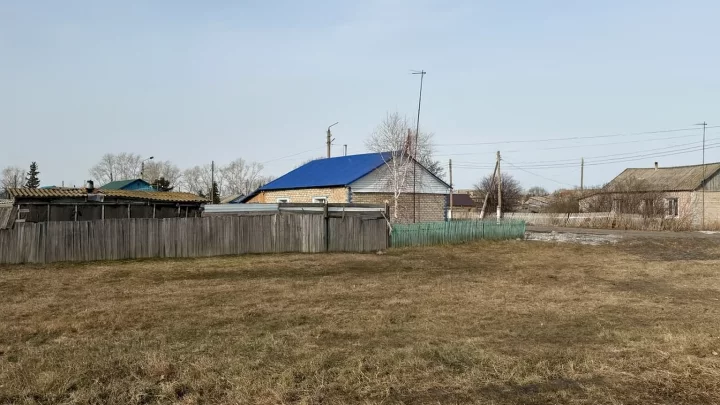 Photo: Orda.kz, Ill. Purposes
Every twentieth Kazakhstani is living below the poverty line, and the number of low-income citizens continues to rise. According to economist Ruslan Sultanov, the country is seeing a persistent trend of poverty affecting nearly a million people, Orda.kz reports.
In his Telegram channel Tengenomika, Sultanov noted that as of the first quarter of 2025, 4.5% of the population had incomes below the subsistence minimum — a figure that has remained largely unchanged in recent years:
A year ago, 928 thousand people were below the poverty line, now 924 thousand. Four thousand people have dropped below the subsistence minimum. <...> The leaders in the share of the poor population are the Turkistan region (8.1%), Abay (7.3%) and Jetisu (6.9%). The lowest share of the poor is in the Qaraganda region (2.6%) and in Astana (2.1%).
He added that approximately 16,500 people — or 0.1% of the population — are living in extreme poverty, with incomes below the cost of the consumer basket.
“This is an extreme form of poverty, when there is not enough even for basic goods and services. The unpleasant trend is that such people have increased by 1,182 in a year.”
Sultanov emphasized that poverty is more concentrated in rural areas. In cities, 3.4% of the population lives below the subsistence level, while in villages the figure is nearly double at 6.5%.
On average, the income of urban residents used for consumption is 30% higher than that of rural residents. This means that access to infrastructure, jobs and investments remains very uneven. But, on the other hand, the price level also has an effect, which is still higher in the city than in the village, which increases the cost of consumption for city residents. This is why it turns out that life is easier in industrialized, urbanized regions.
In industrial regions such as Pavlodar and Qaraganda, average consumer spending is 2.6 times higher than the subsistence minimum — a rate even exceeding that of Astana and Almaty, where the figure is 2.4 times.
By contrast, in Turkistan and Mangystau, the average is just 1.5 times above the subsistence level, reflecting the income gap between rural residents and workers in the oil and gas sectors.
Sultanov also pointed to the link between high birth rates and household poverty:
Having many children is not always an advantage. Unfortunately, it is families of five or more people that make up 85% of the population below the subsistence level, and another 10% of families with incomes below the minimum limit consist of four people. This increases the risk of poverty in families with many children, especially in regions with low employment and access to social services.
He concluded that systemic poverty in Kazakhstan cannot be solved by economic growth alone:
Further reduction of poverty cannot be achieved only by general economic growth or standard social payments. Targeted measures are needed: creation of non-resource jobs in rural areas, modernization of regional infrastructure, expansion of educational services.
Original Author: Nikita Drobny
Latest news
- Orda.kz Editorial Team to Cease Operations on September 1
- The Price of a Degree: How Students in Kazakhstan Pay for University
- Second Przewalski’s Horse Foal Born as Species Returns to Kazakhstan
- Kazakh Mining Companies Can Recalculate Purchases if Tenge Weakens
- Kazakhstan Names First Vice President in Three Decades
- What Almaty’s Bus Shelters Are Missing
- 400-Truck Queue Builds at Kazakh–Kyrgyz Border
- Kazakhstan Ready to Help Feed and Rebuild Gaza
- Tokayev Establishes New Presidential Security Body
- Almaty Takes Back Its Nearly Century-Old Hippodrome
- No More Guesswork on Savings: Kazakhstan Tightens Energy Audits for Businesses
- Public Money Could Be Used to Rescue Failing Kazakh Banks
- Third Kazakh Woman Reported Missing in Nepal-China Flood Zone
- Falconer Convicted Over 35 Protected Birds, Spared Punishment Under Amnesty
- Kazakh Citizen Detained in Yakutia in Phone Fraud Case
- Yuan Instead of Dollars? KazMunayGas Draws Record Demand in Asia
- China Gains Oil-Market Influence as OPEC+ Weakens
- Kazakhstan to Divide Smartphones Into White, Gray and Black Lists
- Kazakhstan’s Government Formally Resigns as First Kurultai Session Opens
- Rare Lynx Sighting Recorded in Northern Kazakhstan
