

NATO Summit Centers on Defense Spending Amid Concerns Over US Commitment
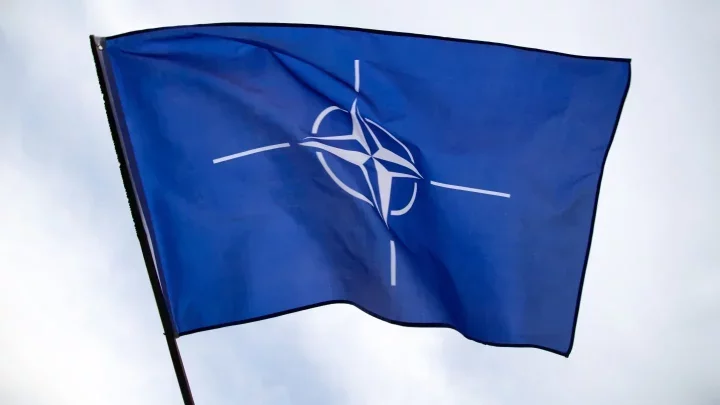 Photo: Elements.envato.com, ill purposes
At the NATO summit in The Hague, member countries are set to agree to increase defense spending, while largely avoiding the topic of Ukraine’s membership, Orda.kz reports.
This year’s summit followed a shortened 24-hour format, centered around an informal dinner on June 24 and a leadership meeting on June 25. According to Politico, the compressed schedule was designed to maintain U.S. President Donald Trump’s attention and prevent an early departure, as occurred during the G7 summit in Canada.
"A Crucial Step"
The main focus was not on diplomacy, but on demonstrating alignment with Washington and reaffirming defense commitments. Newly appointed NATO Secretary General Mark Rutte called the agreement to raise defense spending crucial.
Member states should set a target of allocating 3.5% of GDP to direct defense spending, with an additional 1.5% for infrastructure and cybersecurity. Rutte emphasized the urgency of such spending, warning that failure to act could result in geopolitical consequences:
There is absolute conviction with my colleagues at the table that, given this threat from the Russians, given the international security situation, there is no alternative, he told reporters.
However, internal disagreements surfaced. Spain requested an exemption, while Italy and Belgium sought delays. To reflect the lack of full consensus, the wording in the final communiqué was adjusted from “we” to “allies.”
Some countries have already indicated they may revisit their level of participation. Former U.S. envoy to NATO Kurt Volker cautioned that excessive flexibility could risk tensions with Washington.
"It Depends"
President Trump, who arrived ahead of the summit, described the trip as calm compared to tensions in the Middle East. Writing on Truth Social, he expressed anticipation about meeting European partners.
Yet, in comments cited by Reuters, he again questioned the U.S. commitment to NATO’s Article 5, framing his approach in terms of maintaining friendship, saving lives, and ensuring personal safety.
As reported by Politico and Euronews, European leaders were willing to make concessions to reassure the U.S. President, despite the fact that the U.S. itself has no plans to raise its own defense budget.
Ukraine
While Ukrainian President Volodymyr Zelenskyy attended informal events, he was not included in the formal heads-of-state meeting.
According to The Washington Post, Ukraine’s potential NATO membership was left off the agenda after Trump’s return to office. U.S. military aid to Ukraine has been scaled back, shifting focus toward intelligence, while European allies have pledged €35 billion, though without firm commitments.
Rutte stated that Ukraine will be mentioned in the summit’s final statement, but in simplified language. According to Kyiv, this approach maintains diplomatic balance without overpromising.
The summit took place against a backdrop of renewed Middle East tensions.
A ceasefire between Israel and Iran, announced by Trump the day before, collapsed within hours. Israeli officials later reported the interception of two ballistic missiles launched from Iran, prompting promises of retaliation.
Original Author: Ruslan Loginov
Latest news
- Orda.kz Editorial Team to Cease Operations on September 1
- The Price of a Degree: How Students in Kazakhstan Pay for University
- Second Przewalski’s Horse Foal Born as Species Returns to Kazakhstan
- Kazakh Mining Companies Can Recalculate Purchases if Tenge Weakens
- Kazakhstan Names First Vice President in Three Decades
- What Almaty’s Bus Shelters Are Missing
- 400-Truck Queue Builds at Kazakh–Kyrgyz Border
- Kazakhstan Ready to Help Feed and Rebuild Gaza
- Tokayev Establishes New Presidential Security Body
- Almaty Takes Back Its Nearly Century-Old Hippodrome
- No More Guesswork on Savings: Kazakhstan Tightens Energy Audits for Businesses
- Public Money Could Be Used to Rescue Failing Kazakh Banks
- Third Kazakh Woman Reported Missing in Nepal-China Flood Zone
- Falconer Convicted Over 35 Protected Birds, Spared Punishment Under Amnesty
- Kazakh Citizen Detained in Yakutia in Phone Fraud Case
- Yuan Instead of Dollars? KazMunayGas Draws Record Demand in Asia
- China Gains Oil-Market Influence as OPEC+ Weakens
- Kazakhstan to Divide Smartphones Into White, Gray and Black Lists
- Kazakhstan’s Government Formally Resigns as First Kurultai Session Opens
- Rare Lynx Sighting Recorded in Northern Kazakhstan
