

Missing Military Helicopter: Expert Explains Eurocopter 145 and Possible Crash Causes
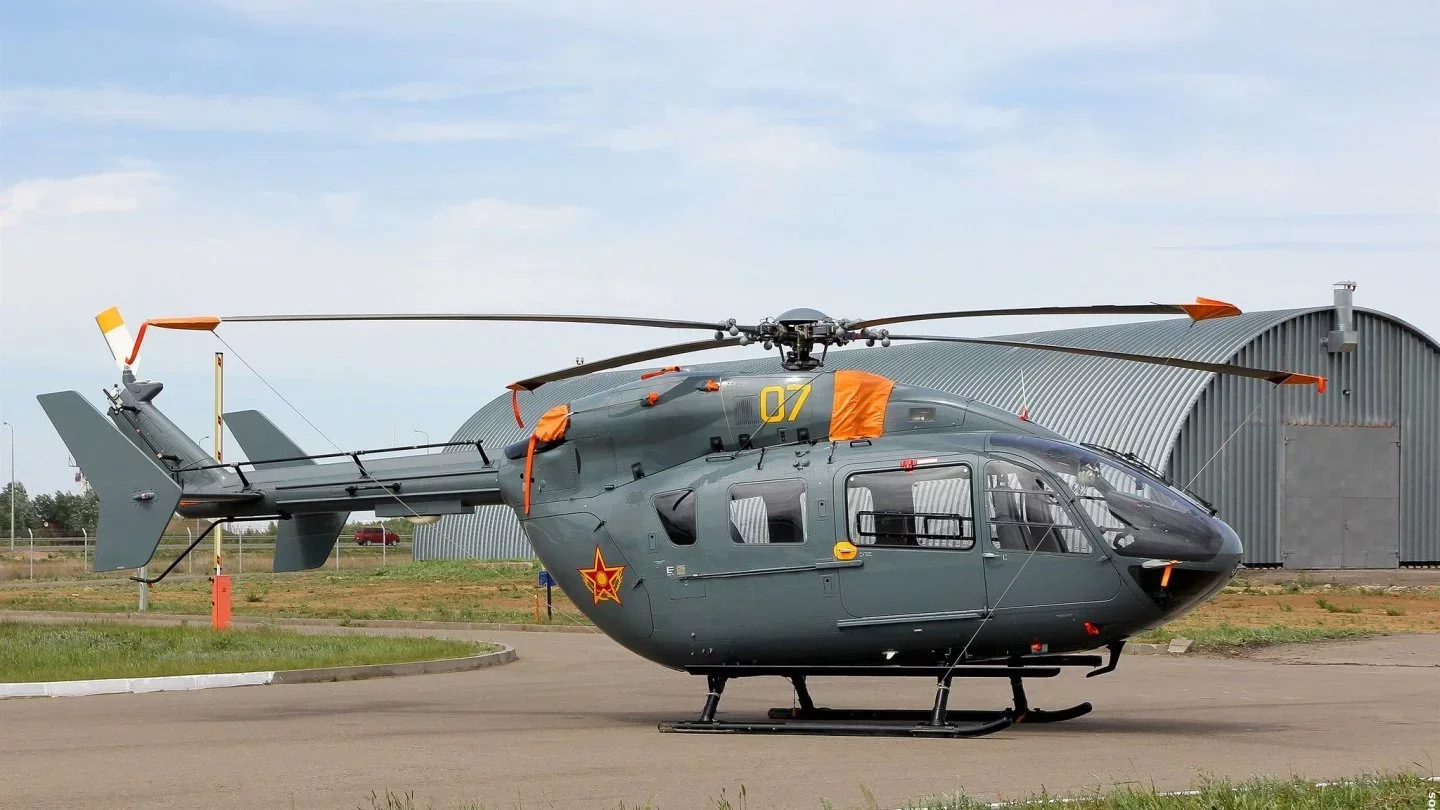 Photo: Eurocopter EC-145 helicopter at an exhibition in Astana. Photo: flickr.com
On July 25 in Kazakhstan’s Jambyl Region, a military helicopter carrying three officers vanished from radar. The search led to the Sorbulaq wastewater reservoir, as deep as a nine-story building, with six meters of silt at the bottom.
An oil slick on the surface, hundreds of personnel from the Ministry of Defense, the Ministry of Emergency Situations (MES), and the Ministry of Internal Affairs (MIA), and nearly three weeks of nonstop work — only then were the crew’s remains recovered from the depths.
What experts believe may have caused the tragedy, and what is known about the helicopter itself, is detailed in this Orda.kz report.
What could have played a role in the crash is explained by industry expert and the Editor-in-Chief of the journal Space Research and Technologies, Nurlan Asselkan.

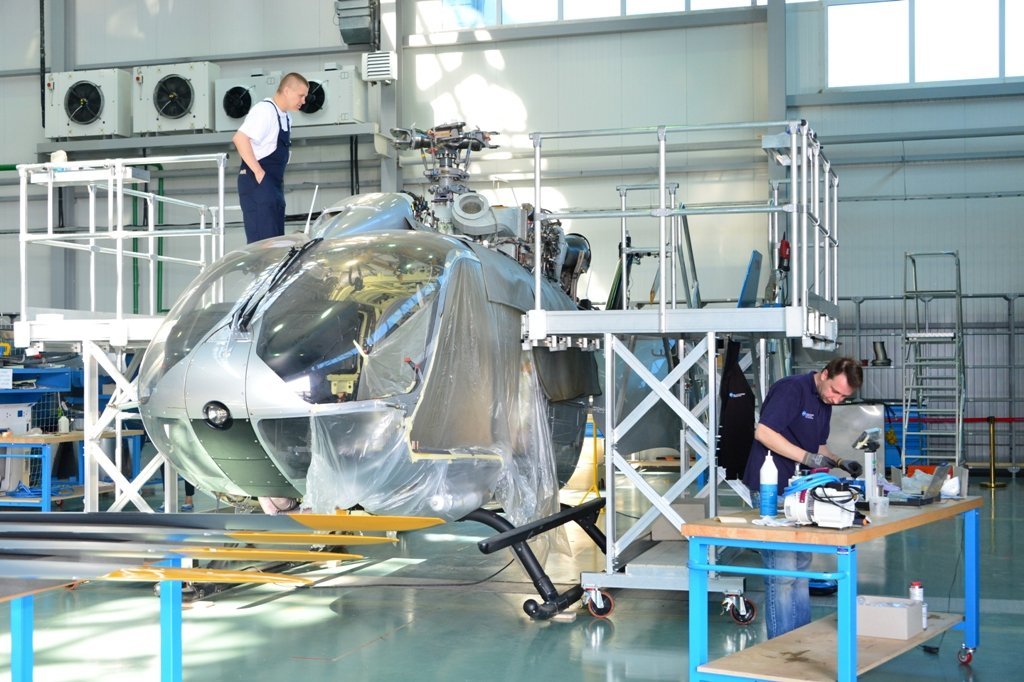
The missing Eurocopter 145 was assembled at a facility in Astana, formerly called Eurocopter Kazakhstan, now Airbus Helicopters Kazakhstan Engineering. In recent years, the entire Eurocopter lineup has been assigned the letter H, and this model is now called the H-145.
In 2010, Eurocopter and Kazakhstan Engineering created a joint venture in Astana — the only EC-145 manufacturer in the CIS with rights to supply to Mongolia, Uzbekistan, Tajikistan, Kyrgyzstan, Belarus, and Azerbaijan.
By 2011, the first helicopters had arrived in Kazakhstan, and from 2012, they began assembly at the new plant. By 2015, 20 helicopters had been produced: 14 for the Ministry of Emergency Situations and six for the Ministry of Defense.
The history of this model began about 30 years ago. It was an initiative project of Germany’s Messerschmitt-Bölkow-Blohm and Japan’s Kawasaki, named BK-117. It proved very successful, was mass-produced, and built a solid reputation, says the expert.
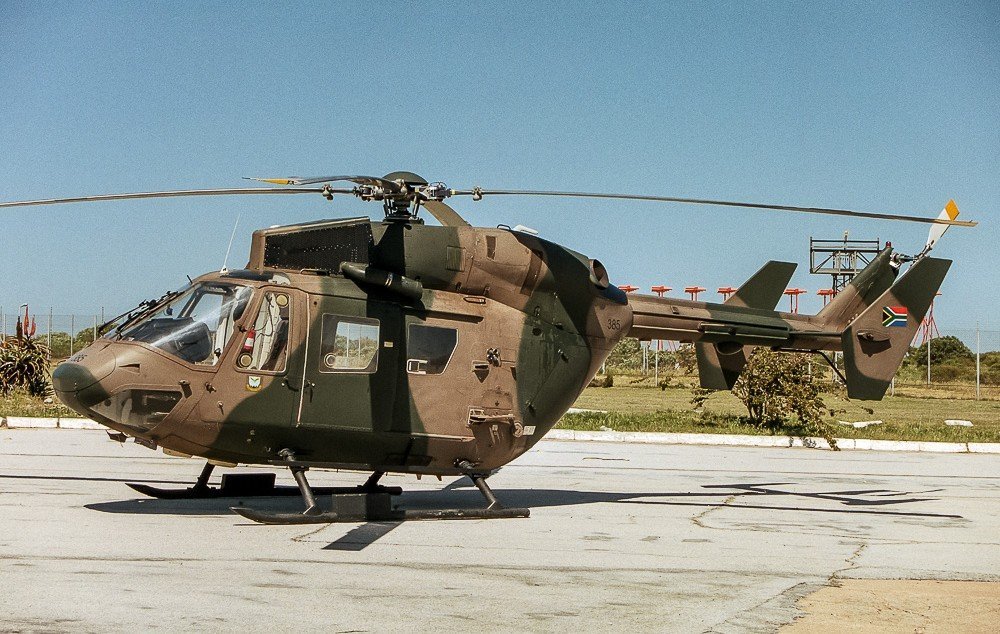
The BK-117 became one of the landmark designs of Messerschmitt-Bölkow-Blohm, a company with a rich history tracing back to the legendary Messerschmitt AG — a German aircraft manufacturer founded in 1923, known for its World War II Bf 109 fighters and Me 262 jet aircraft.
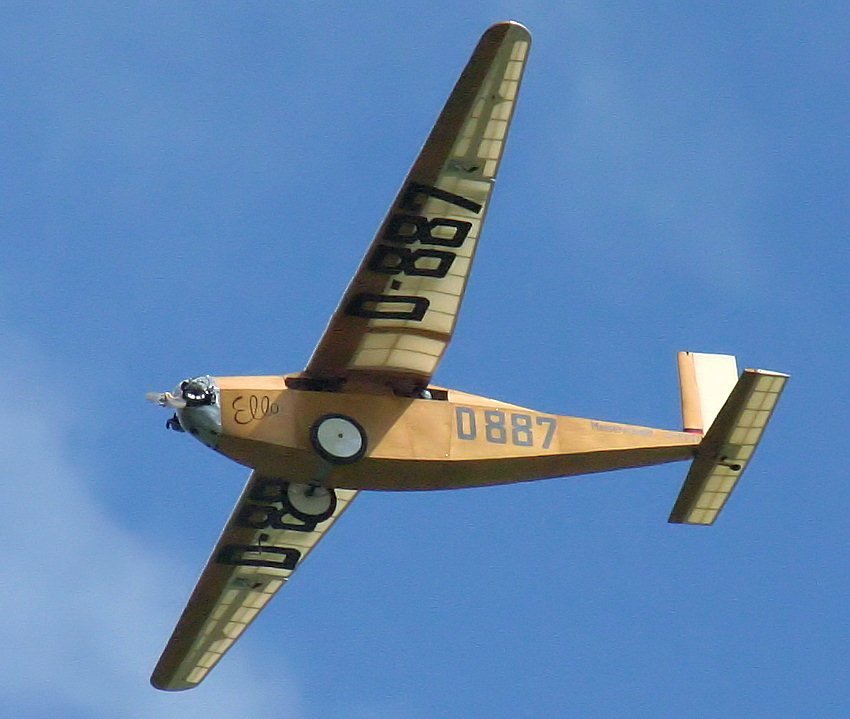
After the war, under a ban on military production, the firm switched to civil aircraft and gliders. In 1969, it merged with Bölkow and Hamburger Flugzeugbau to form MBB, focusing on helicopters and aerospace projects.
After Messerschmitt-Bölkow-Blohm became part of the large European Airbus group, the Eurocopter 145 gained new functions, underwent modernization: upgraded engines, avionics, and features for rescue missions. It is, without exaggeration, one of the most respected rescue helicopters, especially in mountainous terrain. There were even records: in a lightened version, it reached the summit of Everest,Asselkan notes.
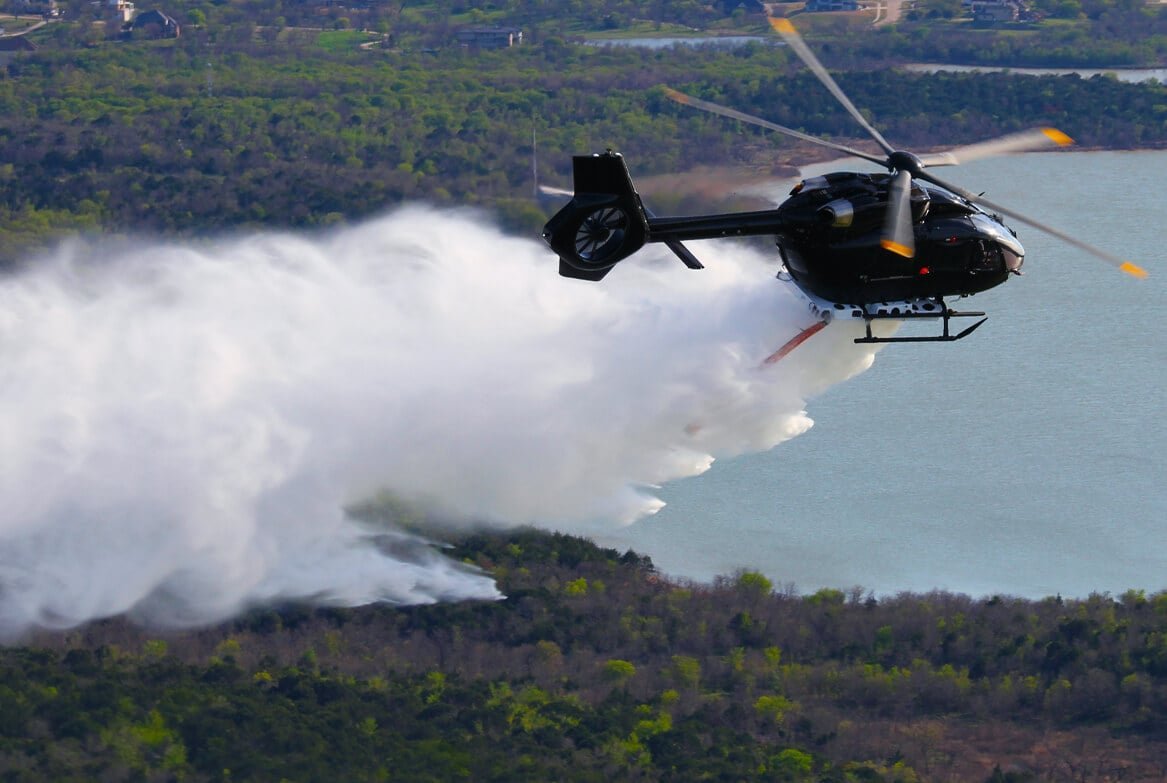
As of recent data, the model is operated by over 350 operators in 66 countries. It is in demand for both civilian and military missions. According to Lobo Leasing, with six million flight hours, there have been about 90 major incidents, most unrelated to design flaws.
Depending on the configuration, such a helicopter now costs around six million dollars. But the operational skills it provides, along with the national industrial base from assembly to full maintenance, are an invaluable contribution to the country’s security.
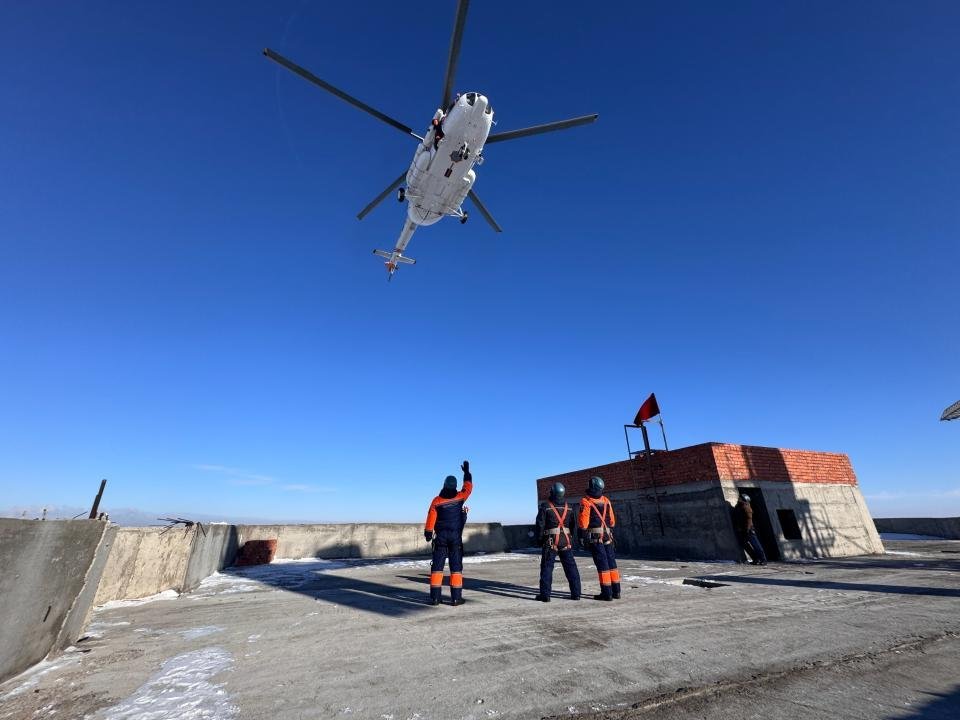
Assembly in Kazakhstan is expensive — somewhat more than the parent model made in Marignane, France. But it brings expertise and a repair base. This is the main service provider for all Eurocopter-type helicopters in the post-Soviet space. The model’s early issues are long gone — all successfully fixed, Asselkan points out.
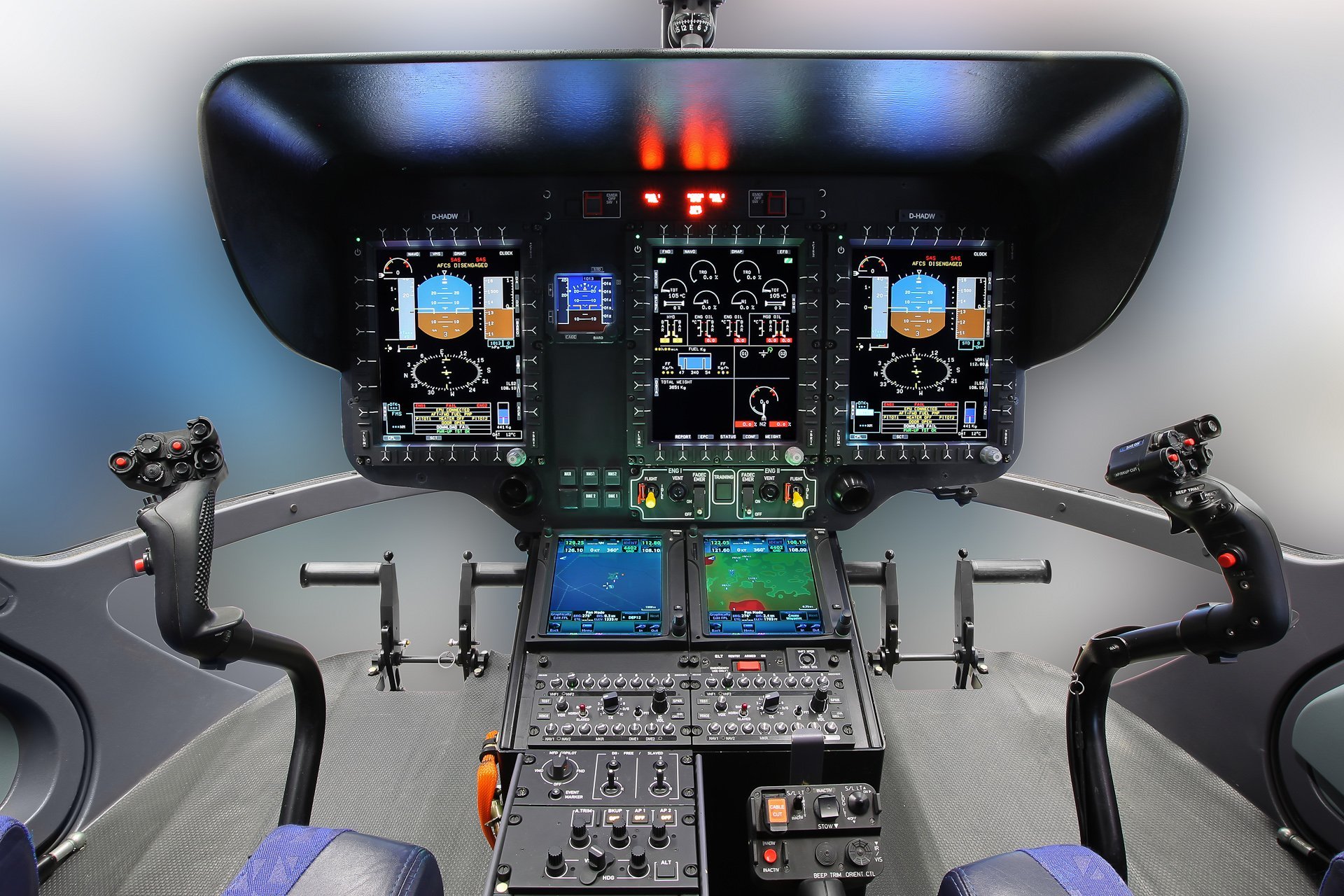
"For us, it was a transition to a completely new level — like comparing a Soviet An-24 to a modern Airbus or Boeing. The EC-145 has a unique positioning system: it can land in a space the size of four nine-story buildings, holding exact course, pitch, and altitude to safely evacuate casualties or provide other aid.”
The EC-145 is not the only helicopter assembled in Kazakhstan.
At the 405th plant in Almaty, they produce Mi-8 MTVs — reliable ‘workhorses’ for the army and MES, especially for firefighting. But the model is morally outdated and lacks such safety systems. Everyone knows that if an Mi-8’s engine fails, its chances are minimal — it falls at about 14 m/s,says the expert.
One of the EC-145’s serious advantages is its safety characteristics in case of engine failure, including much more effective autorotation compared to Soviet models.
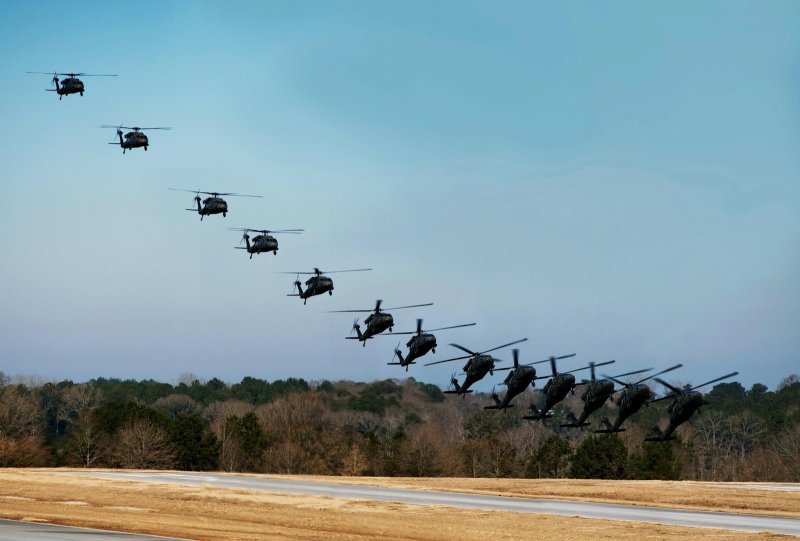
Autorotation is a flight condition in which the helicopter’s rotor is driven solely by airflow rather than engine power. It enables the pilot to perform a controlled descent and achieves a safe landing even in the event of engine failure.
For example, the EC-145 can autorotate at a vertical speed of 5–6 m/s. A light American Robinson 66 descends at 4 m/s — also with an inoperative engine. But the Mi-8 basically drops at 14 m/s. Clearly, if an Mi-8’s engine fails, the crash will be catastrophic, says Asselkan.
But even the most advanced safety systems can’t guarantee survival if the circumstances are against the crew. The crash site played a significant role:
Sorbulaq is an extremely difficult search area — silty bottom, zero visibility, depths up to 25 meters. Rescuers worked in conditions where even foreign teams would have no advantage. Out of desperation, they met with relatives, invited a mullah or even psychics — not out of superstition, but to fulfill the wishes of the families.
Rescuers’ persistence overcame emotional and physical challenges, but not the limits of technology. The helicopter was expected to be extremely reliable, equipped with a full set of sensors.


One is the transponder (No. 6 on diagram 1, No. 7 on diagram 2), which transmits coordinates, altitude, speed, and call sign to air traffic systems. When received, controllers can track an aircraft in real time.
But in the Sorbulaq case, “disappeared from radar” was literal.
Reasons it might stop working:
- Impact or electrical failure — the transponder runs on the onboard power system, and with full power loss, the signal stops instantly
- Submersion — the signal can’t pass through water, especially with dense silt and depth over 20 m
- Military secrecy — even if recorded, signals from military aircraft may not appear in open systems like Flightradar24 and could be restricted in official logs
- No or failed ELT beacon — or its signal blocked by thick silt and water
- In military aviation, tracking systems are often restricted for secrecy: signals may be encrypted or on frequencies inaccessible to civilian systems. Even a working transmitter is useless without a surface-floating beacon
Under such conditions, even with full technical equipment, days of diving and trawling were required, not just simple beacon tracking.
Perhaps this is a bold statement, but if the aircraft had fallen into mud volcanoes in Hawaii, Yellowstone, or the Amazon jungle, American or Brazilian rescuers likely wouldn’t outpace ours. Such rescue ops are too complex and dangerous. There are examples — from little-known crashes in Siberia, the Sahara, Himalayas to the vanished (forever?) Malaysia Airlines Flight 370 with 239 people, missing for over 10 years, says the expert.
Assessing the search conditions, he moves to the crash causes:
Most likely, the cause will turn out relatively ordinary. In order of probability: crew error; sudden weather change — fog, wind shear; finally, some mechanical failure.
The expert is certain that even the most tragic events can be a lesson — for military and rescuers alike — if they move from paper to actual improvements in training and equipment:
The main thing is the knowledge and skill to handle crisis situations professionally and technically: such air crashes, landslides, sinkholes, large fires, floods, earthquakes. Knowledge gained in rescue operations.
We recorded the interview before it was known that all the military crew’s bodies had been found, but the speaker’s hope and determination to finish the search were the same many shared:
This is their highest commitment — working around the clock to find the helicopter and crew. It’s important to finish the search — our pilots must not remain in the swamp. Let’s wish they find both the helicopter and the crew and shed light on this tragedy.
The search for the third crew member — co-pilot Captain Aman Amangeldy — took three weeks. He was found on August 12 during underwater work.
Earlier, on August 10, the bodies of Captain Bakhtiyar Yerzhigitov (flight engineer) and Major Nurzhigit Uysinbayev (commander) had been found and identified. All three were graduates of the Air Defense Forces Military Institute, who served honorably.
The EC-145 is equipped with the M’ARMS integrated recording and monitoring system, which includes a combined voice and flight data recorder (CVFDR) and UMS and HUMS technical monitoring modules — commonly called the “black box.”
The CVFDR records crew conversations and dozens of flight parameters, allowing investigators to reconstruct every second of the incident. HUMS and UMS help detect faults before they become critical. Data is stored in solid-state memory, transferred via PCMCIA cards, and analyzed at a ground station.
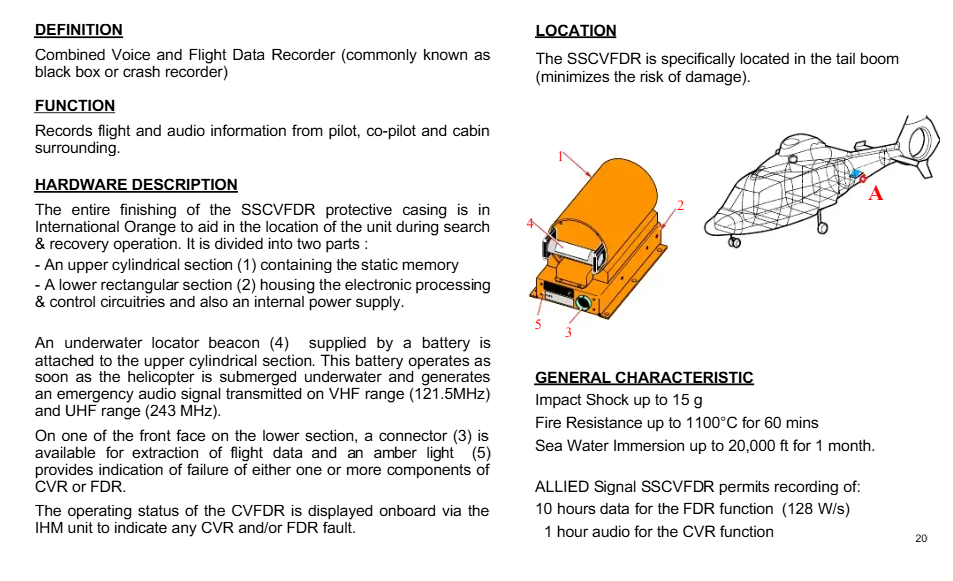
The H145’s black box has no fixed data retention period. Its technical specs — shock tolerance, fire, depth, and water resistance — define its survivability in a crash. It can withstand up to a month in seawater at depths up to 20,000 feet (6,096 meters). In swamp conditions, survival time is usually longer.
But even with a black box, key records can only be accessed after recovery of the wreckage, also limited by military secrecy. The seconds stored in that memory are the last witnesses of the flight that would shed light on the tragedy.
Original Author: Kamila Yermakhanova
Latest news
- Kazakhstan Plans to Rent 11 Helicopters for 22 Billion Tenge Ahead of the Fire Season
- Flights Delayed and Canceled at Astana Airport Due to Bad Weather
- More Than 8,500 Kazakhstanis Evacuated From the Middle East
- Kazakh Experts Explain Why AI Is Becoming the Main Weapon of Modern Warfare
- Kazakhstan Dismisses Reports of “Acid Clouds From Iran” Heading Toward Central Asia
- Kazakhstan Continues Middle East Evacuation, More Than 7,300 Brought Home
- Kazakhstan Recommended for U.S. Watch List as Vorontsov Case Draws New Attention
- Putin Bans Extradition of Foreign Nationals Who Served in the Russian Army
- Kazakh Researcher Reportedly Jailed in Xinjiang for “Misinterpreting” Abay
- Almaty Residents Warned of Elevated Air Pollution
- Over 6,000 Kazakhstanis Return Home From the Middle East
- The National Bank Invests $350 Million in Crypto-Related Assets
- Tokayev Congratulates Kazakhstani Women on International Women’s Day
- Building a House in Kazakhstan Has Become Cheaper
- Kazakhstan May Allow Crypto Payments for Goods and Services
- Kazakhstan Tightens Penalties for Violence Against Medical Workers
- Kazakhstan Urges Citizens Not to Travel to Middle East Amid Escalating Conflict
- Kazakhstan Joins the Opening of the Milano Cortina 2026 Paralympic Winter Games
- Statistics Show Where the Most Women Live and Work in Kazakhstan
- Kazakhstan Carries Out 12 Evacuation Flights From the Middle East
