

Kazakhstan: National Bank Deputy Chair Spoke in Senate about Inflation Rate
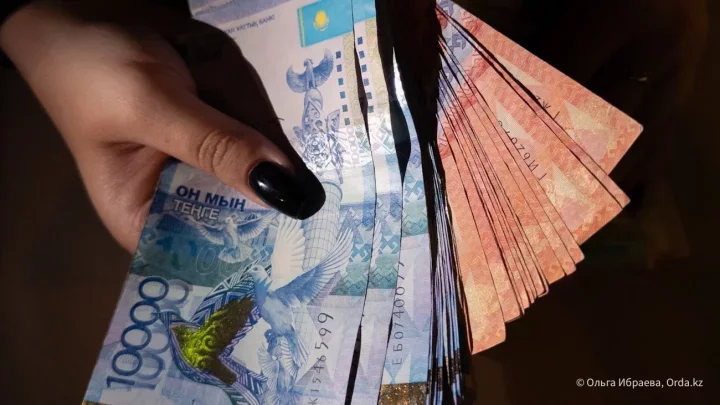 Photo: Orda
Deputy Chairman of the National Bank Vitaly Tutushkin says military conflicts worldwide and the general decline in world trade and investment continue to influence the world economy, Orda.kz reports.
At the same time, Kazakhstan's GDP is growing.
Despite the overall downward trend during the year, in October, compared to September, inflation accelerated to 8.5% in annual terms. It is already more than 2.5 times lower than the peak values observed in February 2023. However, this level is still significantly higher than the National Bank's target indicator of five percent. <...> The highest growth continues to be demonstrated by inflation of paid services - 14.3%, said Vitaly Tutushkin.
He spoke about inflationary risks that remain relevant. Externally, they are caused by rising prices in the key trading partner countries and increasing global food prices.
Domestic factors include continued growth in utility tariffs, continued strong domestic demand amid fiscal stimulus, and unanchored inflation expectations. We see that the non-oil deficit remains high, and a significant share of budget expenditures remains dependent on transfers from the National Fund, he said.
Senate Speaker Maulen Ashimbayev stated a decrease in inflation is unlikely.
It will not decrease because there are serious factors influencing its increase. Therefore, it is very important here that the National Bank and the government's financial block work in a coordinated manner as quickly as possible and pursue an agreed line to ultimately ensure the country's economic growth, he added.
He also said the government borrows money from banks through securities to finance the growing budget deficit.
Accordingly, we take money from the market and make it expensive. Well, how will economic growth be in such conditions? These are all clear, obvious categories. Therefore, this is what the deputies are asking about, and here we, of course, hope for more decisive actions from the government's financial block, said Maulen Ashimbaev.
Over the past week, the tenge has weakened sharply, with some exchange offices asking 500 tenge for one dollar.
The National Bank believes several factors contributed: the global strengthening of the dollar (+5.5% to the DXY dollar index since the end of September), pessimistic sentiments in the oil market due to low demand, and the expected growth of supplies from OPEC+, and the growth of demand for foreign currency in the domestic market.
Growing budget and quasi-public sector expenditures on investment projects also contributed to this, accelerating the growth of imports.
Original Author: Zhadra Zhulmukhametova
Read also:
Latest news
- Orda.kz Editorial Team to Cease Operations on September 1
- The Price of a Degree: How Students in Kazakhstan Pay for University
- Second Przewalski’s Horse Foal Born as Species Returns to Kazakhstan
- Kazakh Mining Companies Can Recalculate Purchases if Tenge Weakens
- Kazakhstan Names First Vice President in Three Decades
- What Almaty’s Bus Shelters Are Missing
- 400-Truck Queue Builds at Kazakh–Kyrgyz Border
- Kazakhstan Ready to Help Feed and Rebuild Gaza
- Tokayev Establishes New Presidential Security Body
- Almaty Takes Back Its Nearly Century-Old Hippodrome
- No More Guesswork on Savings: Kazakhstan Tightens Energy Audits for Businesses
- Public Money Could Be Used to Rescue Failing Kazakh Banks
- Third Kazakh Woman Reported Missing in Nepal-China Flood Zone
- Falconer Convicted Over 35 Protected Birds, Spared Punishment Under Amnesty
- Kazakh Citizen Detained in Yakutia in Phone Fraud Case
- Yuan Instead of Dollars? KazMunayGas Draws Record Demand in Asia
- China Gains Oil-Market Influence as OPEC+ Weakens
- Kazakhstan to Divide Smartphones Into White, Gray and Black Lists
- Kazakhstan’s Government Formally Resigns as First Kurultai Session Opens
- Rare Lynx Sighting Recorded in Northern Kazakhstan
