

Golden Eagle Released into the Wild as Part of Kazakhstan’s Conservation Efforts
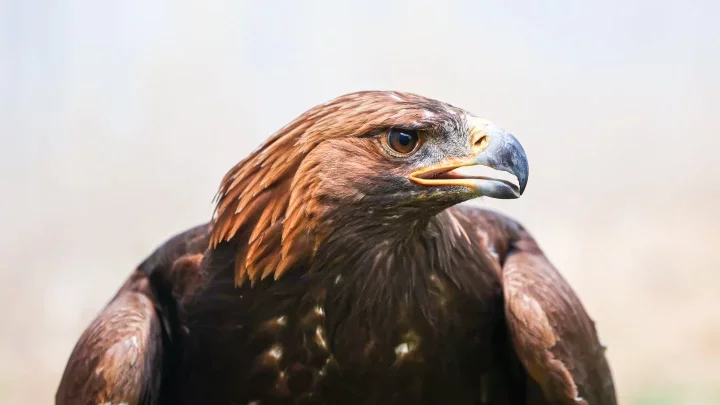 Photo: Alexey Malchenko
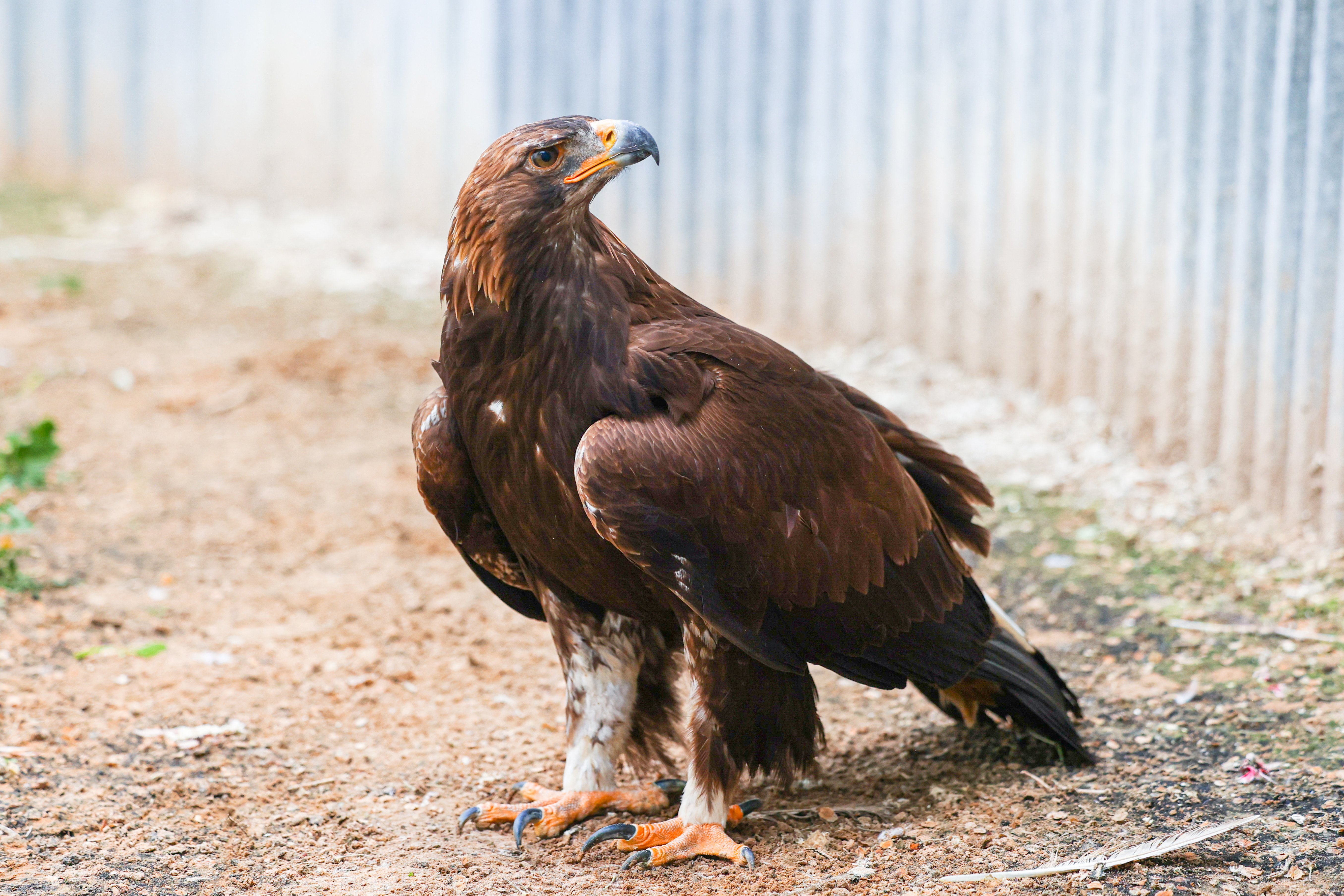
An Orda.kz correspondent visited the Sunkar nursery, where young golden eagles are raised for release into the wild as part of a broader initiative to protect Kazakhstan’s national symbol.
The golden eagle, listed in the Red Book of Kazakhstan, is facing a rapid population decline. While the global population stands at around 100,000, in Kazakhstan, only a few hundred nesting pairs remain.
According to 2012 data, approximately 650 pairs lived in the Almaty region.
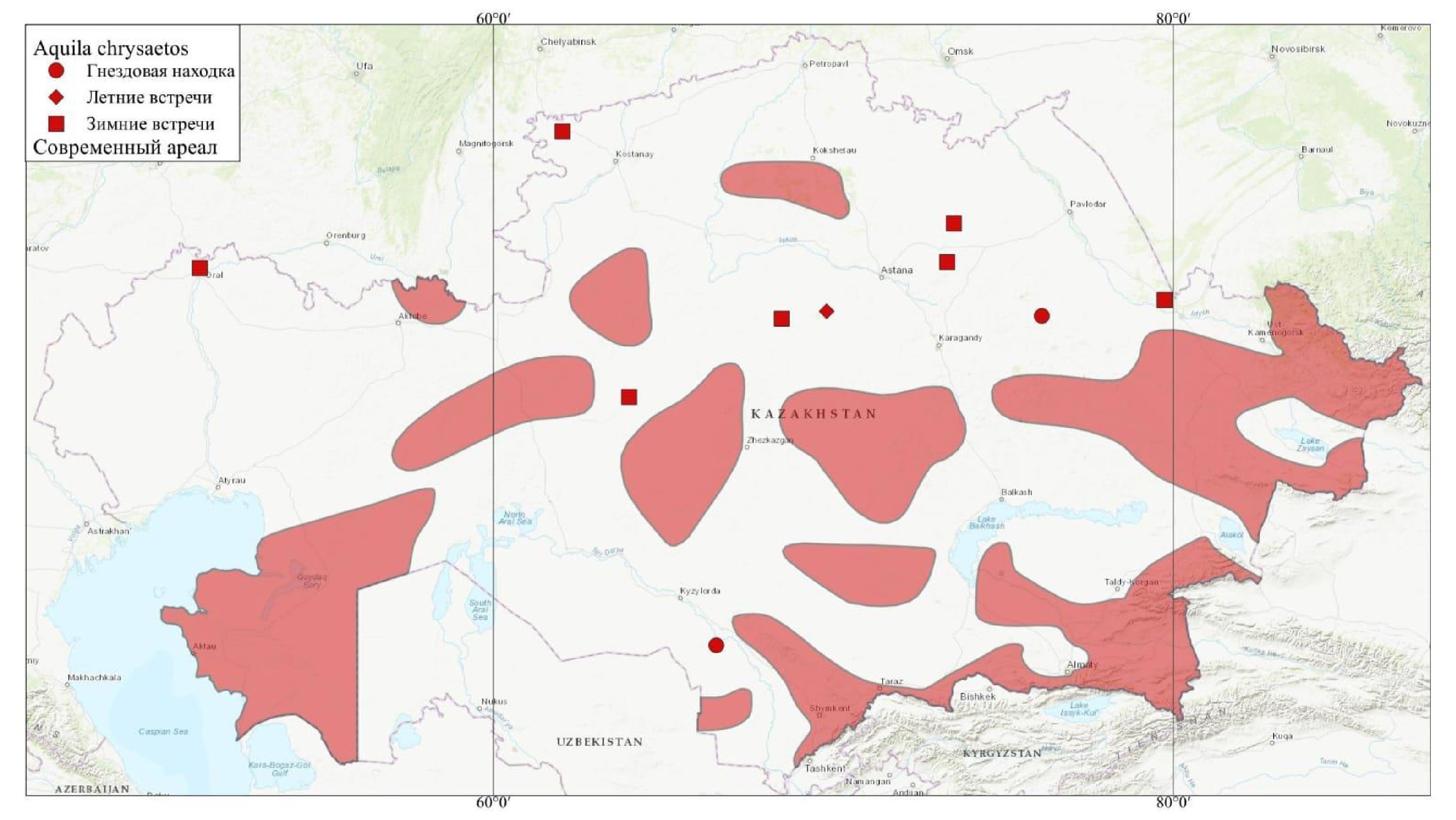
Efforts such as the “Save The Golden Eagles!” project are underway. It continues the work of the earlier campaign “Make Your Contribution. Save Nature” (2012–2019), which successfully released 25 golden eagles into their natural habitat.
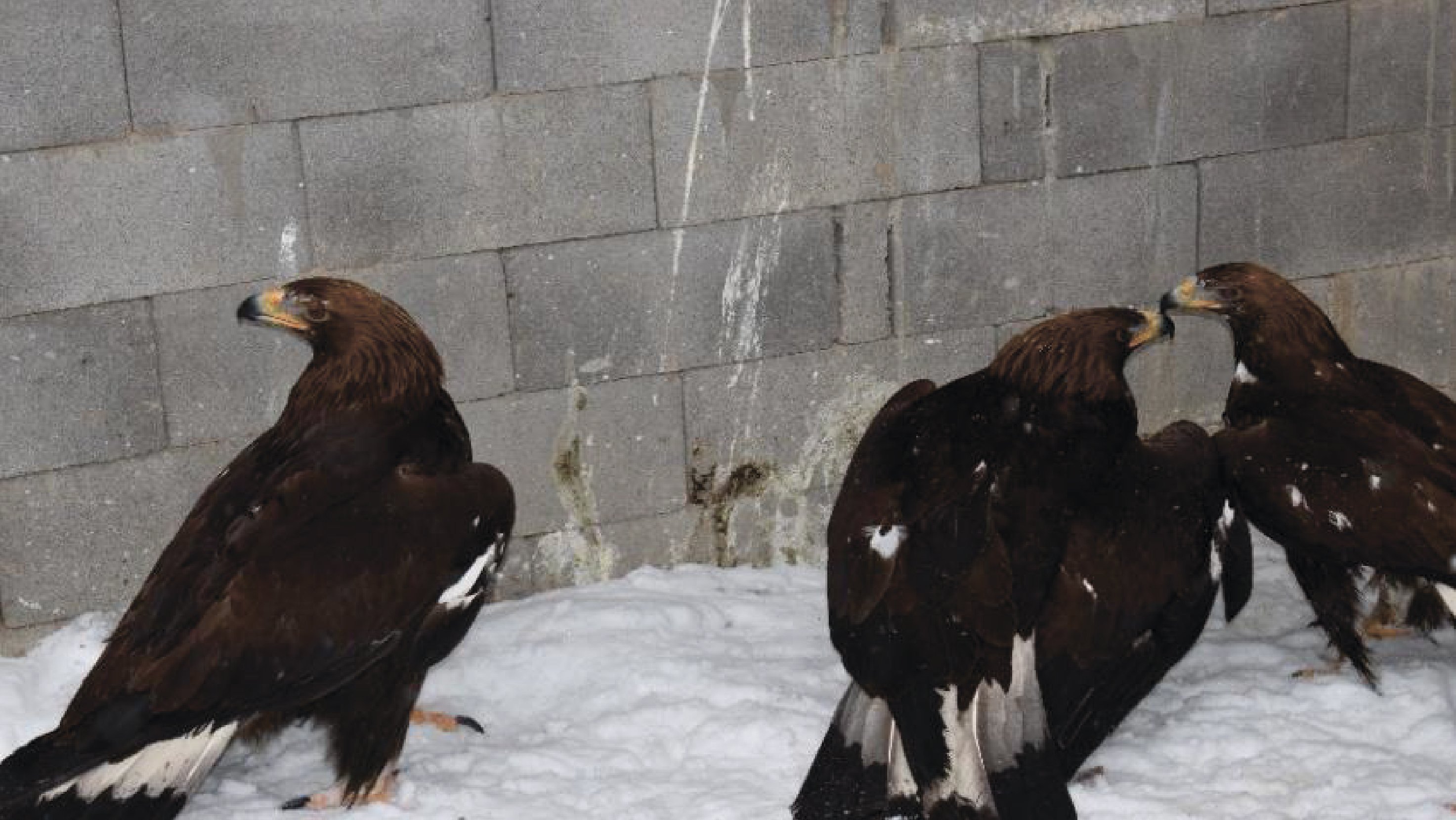
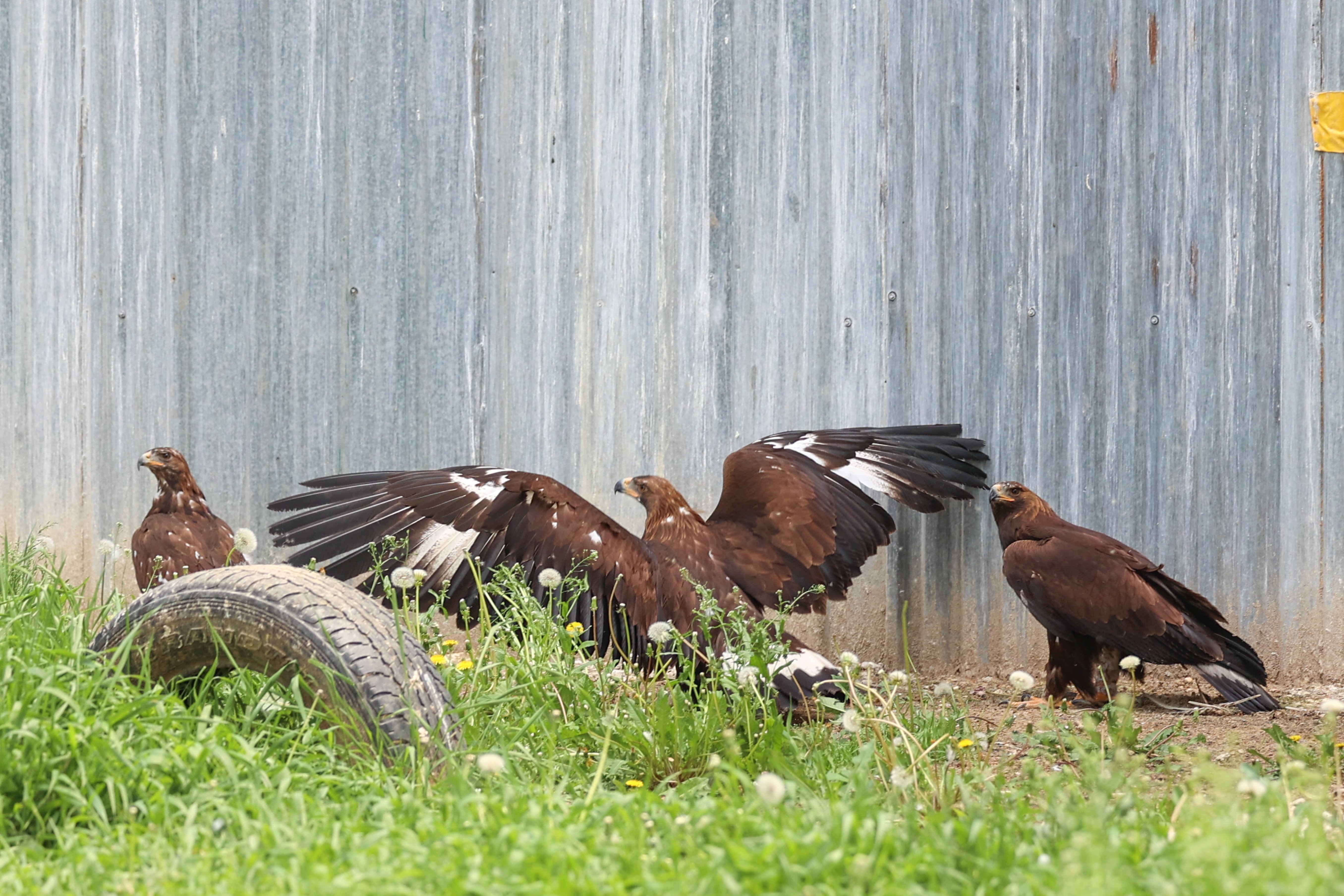
The Sunkar nursery currently houses two breeding pairs of golden eagles, capable of producing four to eight chicks each year. From birth, the birds are prepared for life in the wild — kept in enclosures away from people and other animals to prevent habituation to human activity.
They are also trained to hunt independently.
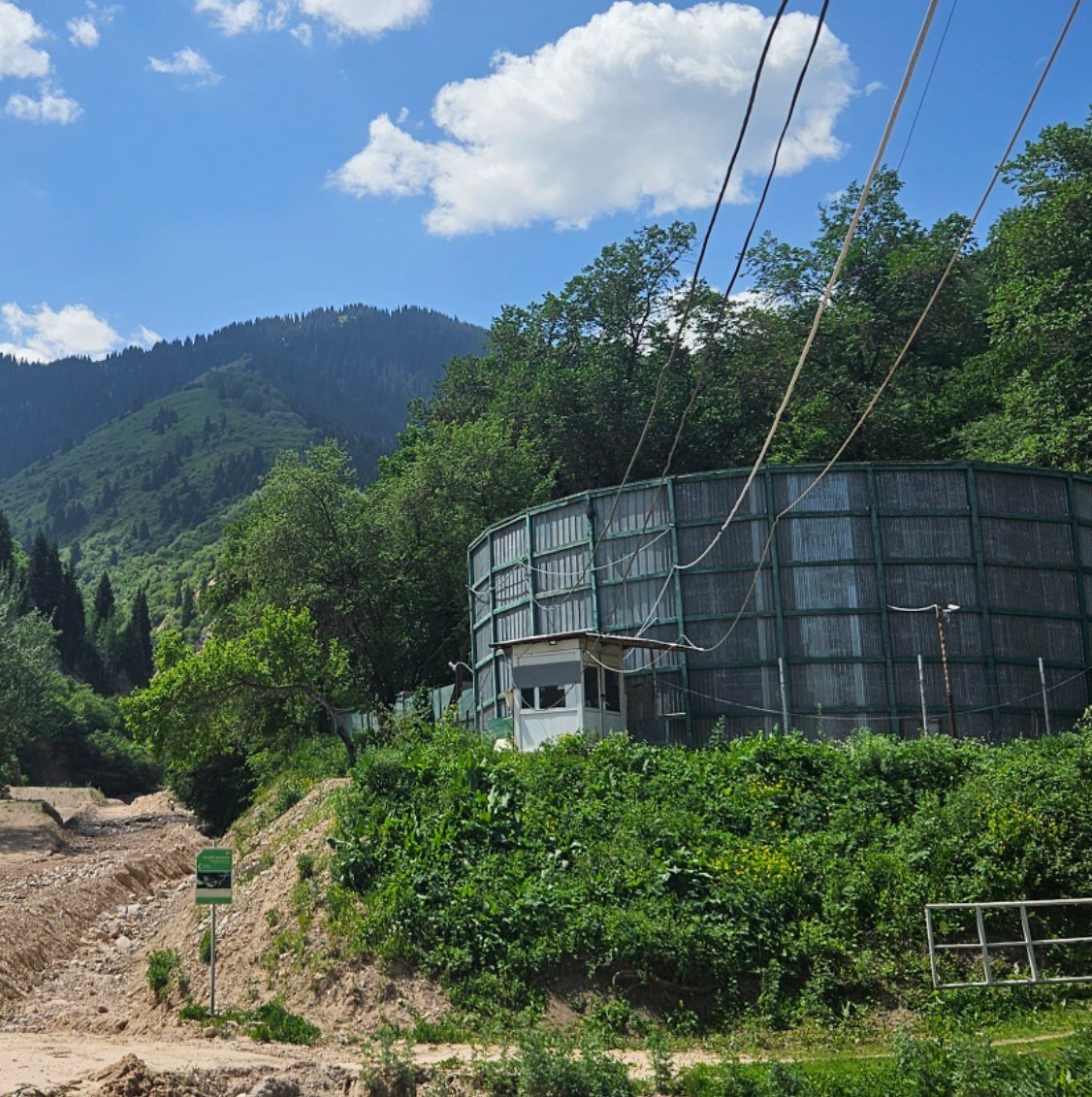
The enclosure is spacious, with a cylindrical metal structure topped with netting, grass flooring, and enough room for several young birds to fly and practice hunting without restriction.


This year, four golden eagles — two males and two females — were released into the wild. Their survival chances are considered high, as they were closely monitored for flight and hunting capabilities prior to release.
Release sites are selected based on strict criteria, including distance from populated areas, elevation, terrain, and food availability. This year’s release took place at the Malaisary Ridge, a western spur of the Jetisu Alatau —marking the first time the project expanded beyond the Almaty region.
The precise location is being withheld to protect the birds from poachers.
Following their release, experts from the nursery will continue observing the golden eagles to track their adaptation. If needed, supplementary feeding will be provided. If successful, the birds are expected to establish nests in the coming months.
Future plans include expanding the program across Kazakhstan.
Original Author: Daria Sidorova
Latest news
- Orda.kz Editorial Team to Cease Operations on September 1
- The Price of a Degree: How Students in Kazakhstan Pay for University
- Second Przewalski’s Horse Foal Born as Species Returns to Kazakhstan
- Kazakh Mining Companies Can Recalculate Purchases if Tenge Weakens
- Kazakhstan Names First Vice President in Three Decades
- What Almaty’s Bus Shelters Are Missing
- 400-Truck Queue Builds at Kazakh–Kyrgyz Border
- Kazakhstan Ready to Help Feed and Rebuild Gaza
- Tokayev Establishes New Presidential Security Body
- Almaty Takes Back Its Nearly Century-Old Hippodrome
- No More Guesswork on Savings: Kazakhstan Tightens Energy Audits for Businesses
- Public Money Could Be Used to Rescue Failing Kazakh Banks
- Third Kazakh Woman Reported Missing in Nepal-China Flood Zone
- Falconer Convicted Over 35 Protected Birds, Spared Punishment Under Amnesty
- Kazakh Citizen Detained in Yakutia in Phone Fraud Case
- Yuan Instead of Dollars? KazMunayGas Draws Record Demand in Asia
- China Gains Oil-Market Influence as OPEC+ Weakens
- Kazakhstan to Divide Smartphones Into White, Gray and Black Lists
- Kazakhstan’s Government Formally Resigns as First Kurultai Session Opens
- Rare Lynx Sighting Recorded in Northern Kazakhstan
