

EAEU: Russia Introduces Temporary Rules for Goods from Kazakhstan and Kyrgyzstan
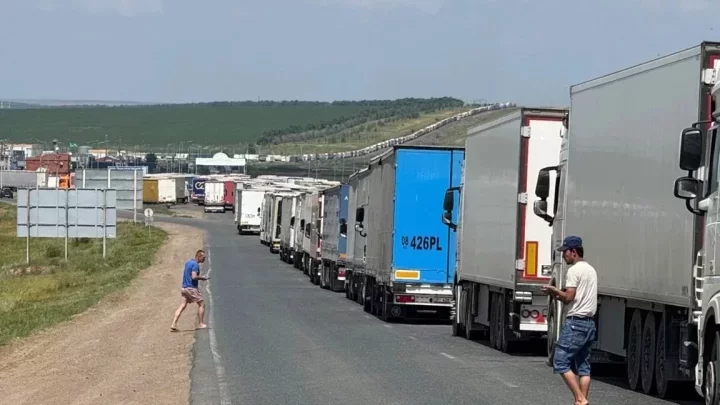 Photo: Orda.kz
Goods from China are currently unable to enter Kazakhstan, while Russia has simplified transit procedures and unilaterally changed trade rules within the Eurasian Economic Union (EAEU), Orda.kz reports.
New Rules Introduced
On October 24, Russian President Vladimir Putin signed Decree No. 778, establishing new rules for the transport of goods across the border with Kazakhstan. The decree introduces a temporary special procedure, valid until December 10, 2025, for importing goods from Kazakhstan and Kyrgyzstan.
The document allows the import of goods without EAEU markings or other mandatory labels, as well as without documents confirming their EAEU origin.
However, it excludes several categories from the measure, including:
- Live animals, meat, fish, dairy, eggs, honey
- Fruits, vegetables, grains, nuts, coffee, tea, and spices
- Animal fats, prepared foods, confectionery, sugar, alcohol, and vinegar
- Tobacco and nicotine products
- Pharmaceutical products
- Explosives, pyrotechnics, and flammable materials
- Weapons and ammunition
Only Russian companies are allowed to import goods without a full document package.
They must later declare and label the goods in accordance with the law. The stated purpose of the decree is to ease difficulties faced by businesses whose goods have been delayed at the border due to bureaucratic procedures.
Ongoing Border Delays
For nearly two months, Kazakhstan has faced major disruptions at its border with Russia, where thousands of trucks have been waiting in long queues. Although officials from both countries have discussed the issue, congestion remains unresolved.
From this standpoint, Russia’s move to simplify customs procedures seems aimed at easing trade.
However, the decision could also have legal and economic consequences for Kazakhstan.
By introducing these temporary measures, Russia is effectively and unilaterally altering trade regulations within the EAEU.
Facing sanctions from Europe and the United States, Russia has increasingly relied on routes through Kazakhstan and Kyrgyzstan for importing essential goods. This has already contributed to the growth of informal trade, smuggling, and corruption.
Experts note that the new decree, formally maintaining the appearance of compliance with EAEU regulations, could simplify bypassing documentation requirements and labeling rules, further expanding gray market activity and making it difficult to track or regulate their movement.
The Border
When discussing the rules for transporting goods across the border from Kazakhstan to Russia, it is important to consider another key fact: the route for these shipments has two points — entry and exit. Most goods imported into Russia are in transit from China.
The "entry point" of this logistics route has long been a problem for Kazakhstan — the Khorgos Center on the border with China.
Orda.kz previously reported on a smuggling operation at customs posts, naming its members and highlighting their connections within the Ministry of Foreign Affairs and the National Security Committee.
According to our information, starting around September 10–14, trucks carrying cargo bound for Kazakhstan from China were no longer allowed to cross the border. However, vehicles transiting to Russia were.
To deliver goods to Kazakhstani buyers, trucks now transit through Russia and then return, crossing the border again.
Orda.kz Editor-in-Chief Gulnara Bazhkenova detailed the ongoing disruptions.
They are linked to the activities of the Gadjiev group at Khorgos. The scale of smuggling became so large that Chinese business representatives reportedly raised complaints directly with President Qasym-Jomart Toqayev during his visit to China for the SCO summit.
That is, Kazakhstani smugglers acted in a way that damaged Kazakhstan's international relations with both China and Russia.
Russian smugglers, who are no less influential, noticed a billion-dollar gap between Kazakh and Chinese trade statistics and decided that the Kazakh group owed them money for taking a larger share.
Now, to collect this debt, they are creating problems on the border with Kazakhstan.
Economic Impact
The delays and reduced transit can lead to losses in customs revenue and VAT, disruptions for businesses awaiting goods, and potential shortages of imported products.
These factors contribute to rising prices and inflation in Kazakhstan.
President Toqayev’s official visit to Russia, scheduled for early November, may provide an opportunity for both sides to address the ongoing border and trade issues.
Original Author: Anastasia Prilepskaya
Latest news
- Orda.kz Editorial Team to Cease Operations on September 1
- The Price of a Degree: How Students in Kazakhstan Pay for University
- Second Przewalski’s Horse Foal Born as Species Returns to Kazakhstan
- Kazakh Mining Companies Can Recalculate Purchases if Tenge Weakens
- Kazakhstan Names First Vice President in Three Decades
- What Almaty’s Bus Shelters Are Missing
- 400-Truck Queue Builds at Kazakh–Kyrgyz Border
- Kazakhstan Ready to Help Feed and Rebuild Gaza
- Tokayev Establishes New Presidential Security Body
- Almaty Takes Back Its Nearly Century-Old Hippodrome
- No More Guesswork on Savings: Kazakhstan Tightens Energy Audits for Businesses
- Public Money Could Be Used to Rescue Failing Kazakh Banks
- Third Kazakh Woman Reported Missing in Nepal-China Flood Zone
- Falconer Convicted Over 35 Protected Birds, Spared Punishment Under Amnesty
- Kazakh Citizen Detained in Yakutia in Phone Fraud Case
- Yuan Instead of Dollars? KazMunayGas Draws Record Demand in Asia
- China Gains Oil-Market Influence as OPEC+ Weakens
- Kazakhstan to Divide Smartphones Into White, Gray and Black Lists
- Kazakhstan’s Government Formally Resigns as First Kurultai Session Opens
- Rare Lynx Sighting Recorded in Northern Kazakhstan
