

Domestic Tourism Is Growing in Kazakhstan, but Vacations Are Getting More Expensive
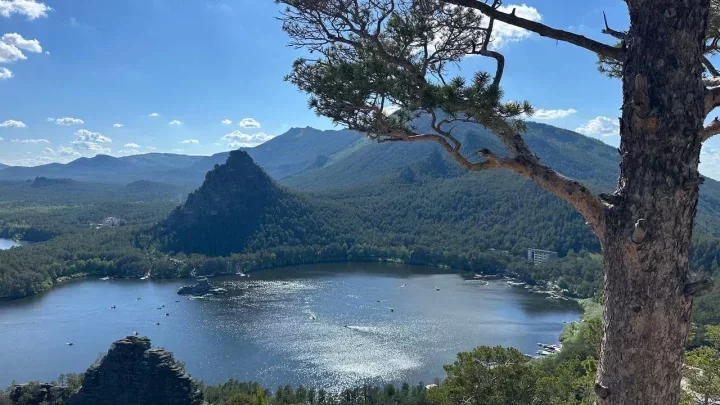 Photo: Borovoe.kz
Domestic tourism in Kazakhstan continues to grow and set new records, but vacations inside the country are becoming less affordable. Prices in the sector are rising faster than inflation, and some types of leisure have become markedly more expensive, Orda.kz reports, citing Energyprom.
In 2025, domestic tourism in Kazakhstan grew again. According to official statistics, 8.7 million people stayed in hotels and other accommodation facilities, 11% more than a year earlier. This is the highest figure on record.
Over a longer period, the growth is even more striking. In 10 years, the flow of domestic tourists has nearly tripled. Kazakhstanis are increasingly choosing travel inside the country not as a forced substitute, but as a полноценный vacation option.
But this growth has a downside: prices. In March 2026, the category of recreation and culture rose by 13.2% year on year. That is higher than overall inflation and faster than service prices in general are rising. Compared with the end of 2020, the increase has already reached 88.3%.
At the same time, price growth within the sector varies. Among the sharpest increases were:
- swimming pools — 15.8%;
- cinemas — 17.5%;
- theaters — 41.1%;
- hotels — 9.5%.
Hotel prices rose more slowly than overall inflation. But that does not make vacations cheap overall, because the cost of additional entertainment quickly wipes out that difference. And these are only official statistics. They cover people staying in hotels, while in practice there are more tourists: many stay with relatives, rent housing, or go on short trips without overnight stays.
Against this backdrop, some tourist facilities are trying to soften the effect of rising prices. Some resorts offer discounts for Kazakh citizens, effectively offsetting part of the increase in vacation costs, which have nearly doubled in recent years.
This practice has long been common around the world: prices for locals and tourists often differ. In Indonesia, for example, the gap can be severalfold. Entry to temples and waterfalls for locals may cost two to three times less, while prices in cafes and markets can also be significantly higher for visitors. In Japan, foreigners often pay around twice as much for admission to museums and historic sites.
The same model is common in other popular destinations, from Turkey and Egypt to India and Vietnam: tourists pay the market price, while locals receive discounted rates.
Original author: Alexander Zhdanov
Read also:
Latest news
- Orda.kz Editorial Team to Cease Operations on September 1
- The Price of a Degree: How Students in Kazakhstan Pay for University
- Second Przewalski’s Horse Foal Born as Species Returns to Kazakhstan
- Kazakh Mining Companies Can Recalculate Purchases if Tenge Weakens
- Kazakhstan Names First Vice President in Three Decades
- What Almaty’s Bus Shelters Are Missing
- 400-Truck Queue Builds at Kazakh–Kyrgyz Border
- Kazakhstan Ready to Help Feed and Rebuild Gaza
- Tokayev Establishes New Presidential Security Body
- Almaty Takes Back Its Nearly Century-Old Hippodrome
- No More Guesswork on Savings: Kazakhstan Tightens Energy Audits for Businesses
- Public Money Could Be Used to Rescue Failing Kazakh Banks
- Third Kazakh Woman Reported Missing in Nepal-China Flood Zone
- Falconer Convicted Over 35 Protected Birds, Spared Punishment Under Amnesty
- Kazakh Citizen Detained in Yakutia in Phone Fraud Case
- Yuan Instead of Dollars? KazMunayGas Draws Record Demand in Asia
- China Gains Oil-Market Influence as OPEC+ Weakens
- Kazakhstan to Divide Smartphones Into White, Gray and Black Lists
- Kazakhstan’s Government Formally Resigns as First Kurultai Session Opens
- Rare Lynx Sighting Recorded in Northern Kazakhstan
