

Details on KTZ's Attempts to Rid Itself of Tulpar-Talgo Plant
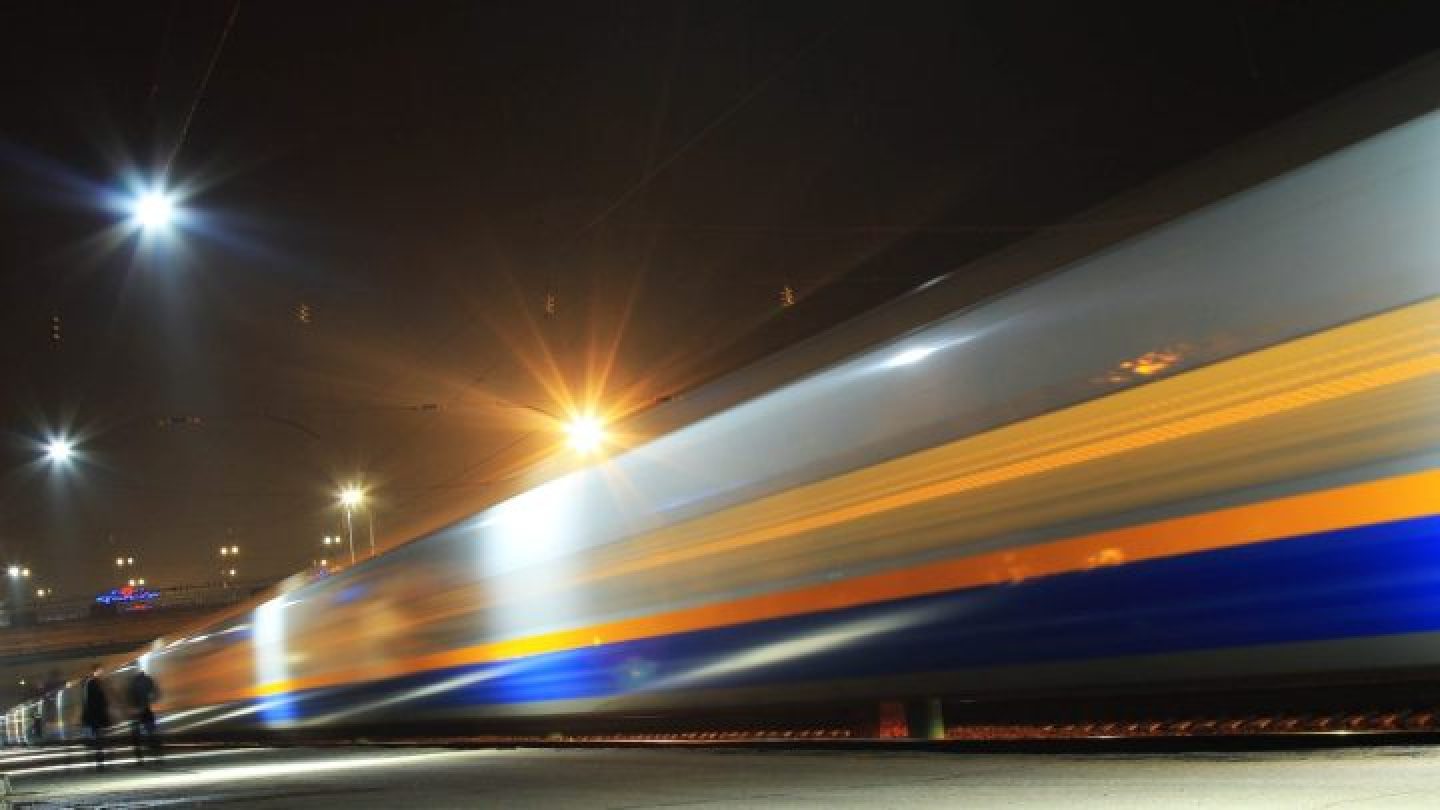 Photo: Ilya Astakhov
In December 2022, JSC NC "Kazakhstan Temir Zholy" (KTZ) and the Swiss company Stadler CIS AG signed a contract for the supply of 557 passenger cars to Kazakhstan. The deal cost the budget a staggering 730 billion KZT. But KTZ had entered into an agreement with its own plant for the production of wagons. KTZ then sold the company to a new strategic partner, the Stadler concern, having previously "pumped it up” with contracts.
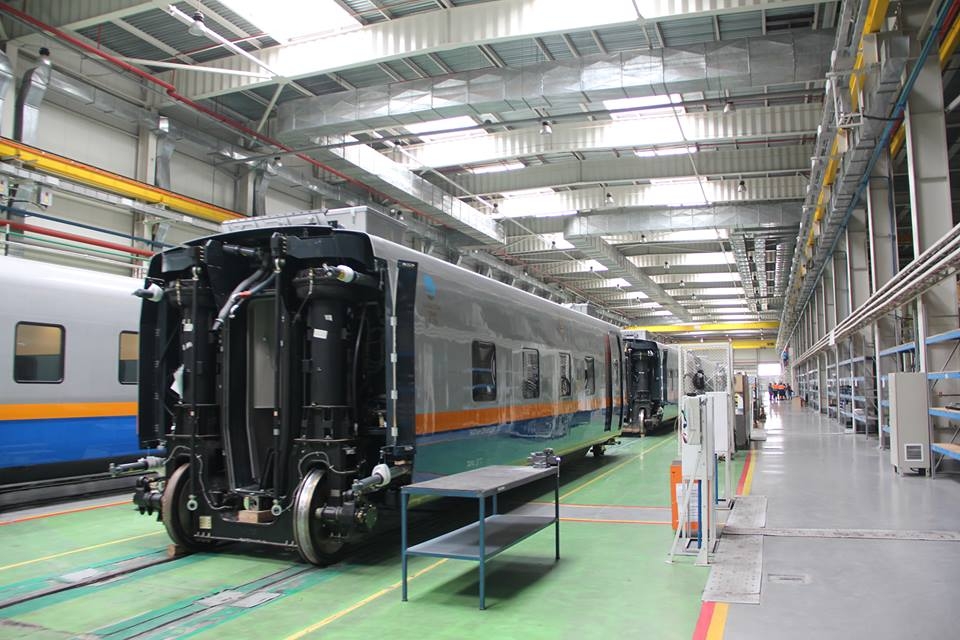
The European concern undertakes to localize its production in Kazakhstan for this money. According to our sources, the Swiss have almost bought out the Tulpar Car Building Plant LLP. Now the company, into which JSC "KTZ" intends to inject 730 billion KZT, is leaving state ownership. The situation seems to be “cyclical”, as they have already tried to give the plant into the hands of foreign investors.
KTZ’s Amigo.
The situation started when the Kazakh-Spanish enterprise Tulpar-Talgo LLP opened in the country in 2010. Comfortable and modern passenger cars began to be assembled at its facilities in Kazakhstan. They would presumably replace the dilapidated rolling “Soviet” stock over time.
The two sides concluded the deal in Euros. Production became unprofitable after the tenge's abrupt collapse from 170 to 360 tenge per dollar in 2016. The contract was later terminated.
In 2019, after legal proceedings, the Spanish sides withdrew from the founders of the LLP. The company got a new name: ”Tulpar Car Building Plant".
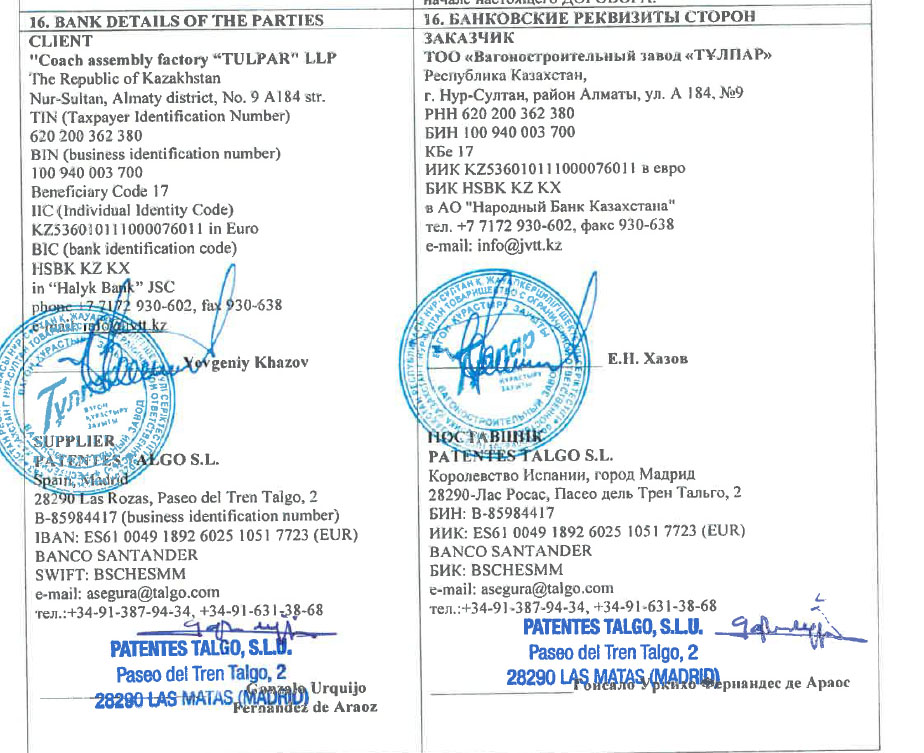
In September 2022, the plant sued the Spanish company over their violation of the contract for the supply of components for wagons. The plant paid 484 thousand euros for them, but the order never came through. The Kazakhstani company would win the legal battle.
Yet the Spanish manufacturer has not left Kazakhstan entirely. Madrid-based Patentes Talgo S.L.U. continues to service Talgo wagons in Kazakhstan. And "Tulpar Car Building Plant" continues to pay for it. The maintenance of wagons cost Kazakhstan 1.2 billion KZT in 2022. This sum was also in euros. The lot for the purchase of services for Talgo wagaons’ maintenance recently appeared on the procurement website of JSC "NWF "Samruk Kazyna". The contract is for seven months in 2023 and costs 120 million KZT.
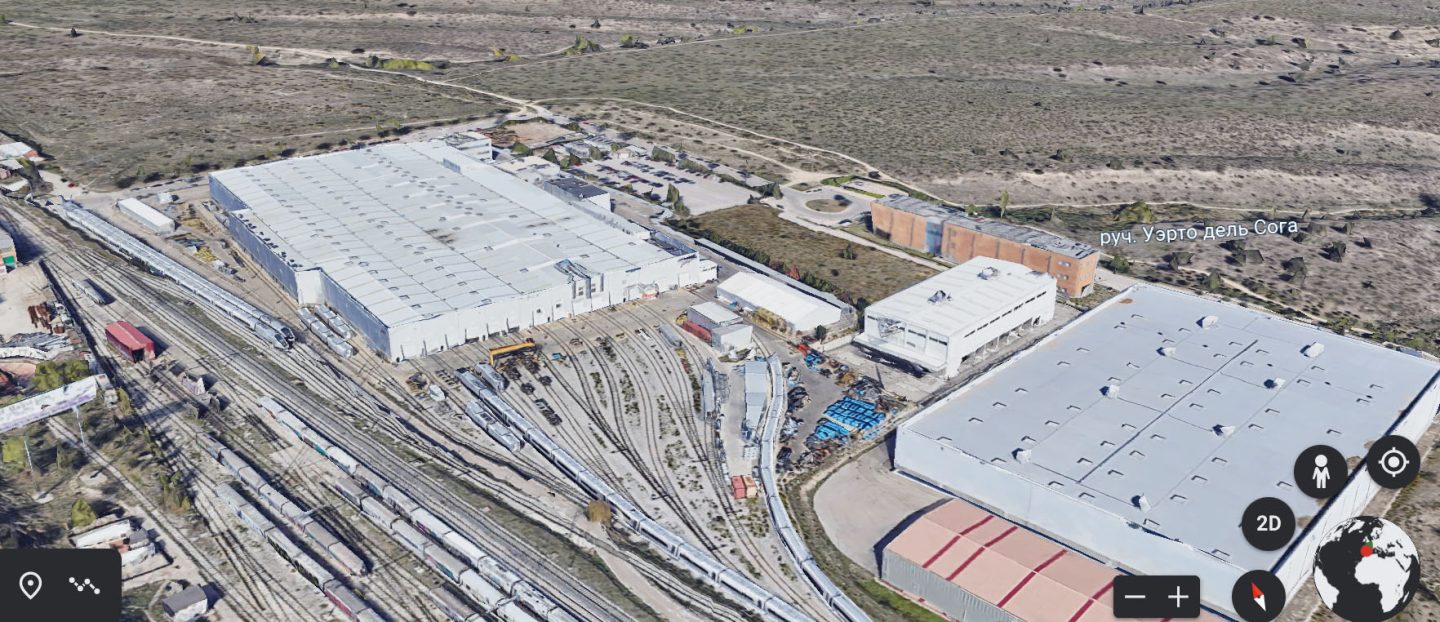
Patentes Talgo S.L.U. is a Spanish carriage-building company specializing in the production of passenger wagon trains. The word TALGO is an abbreviation of Tren Articulado Ligero Goicoechea Oriol, which translates as an Articulated Light Train of Goicoechea and Oriol (the last names of the founders of the company).
Wagon Crisis
Talgo wagons have already begun to be removed from popular routes in Kazakhstan. On the Open Dialogue portal, people complain about the disappearance of high-speed and comfortable Spanish cars. Older wagons began to run again on the routes "Almaty-Oskemen" and "Almaty-Atyrau".
The ex-Minister of Industry and Infrastructure Development of the Republic of Kazakhstan said that this is due to low population density and unprofitability.
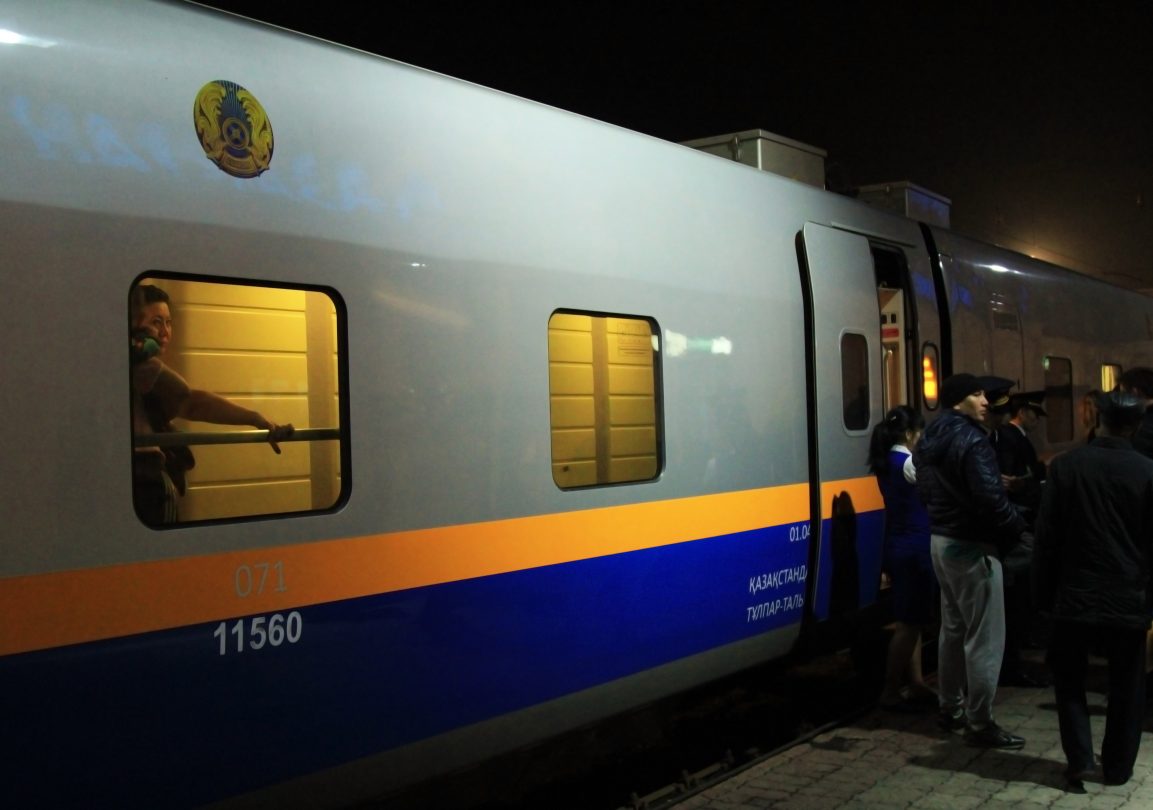
"When organizing a passenger train, the projected population level and the demand of residents of the corresponding region are taken into account. Also technical and technological capabilities. In turn, the Talgo train No. 69/70 with the Almaty – Oskemen route was a commercial one, and the costs of organizing the train were covered at the expense of Passenger Transportation JSC's own funds. The reason for the cancellation of the train was the low population along the entire route. As a result, this led to an increase in the carrier's losses,"
Uskenbayev
He answered similarly in regard to the route "Almaty-Atyrau". KTZ also failed to launch Talgo wagons on the Shymkent-Pavlodar route, as there is a lack of specialized service points in these cities. The Chairman of the Transport Committee of the Ministry of Foreign Affairs of the Republic of Kazakhstan, Samat Gilimov, announced this in July 2022.
Unsuccessful Attempt by The Russians
In 2019, KTZ JSC negotiated with five potential investors on the assembly of passenger cars in Kazakhstan at the Tulpar plant. Among the potential investors were the Tver Car Building Plant (part of TMH), two Chinese plants, the Kryukovsky Car Building Plant in Ukraine and the Swiss Stadler.
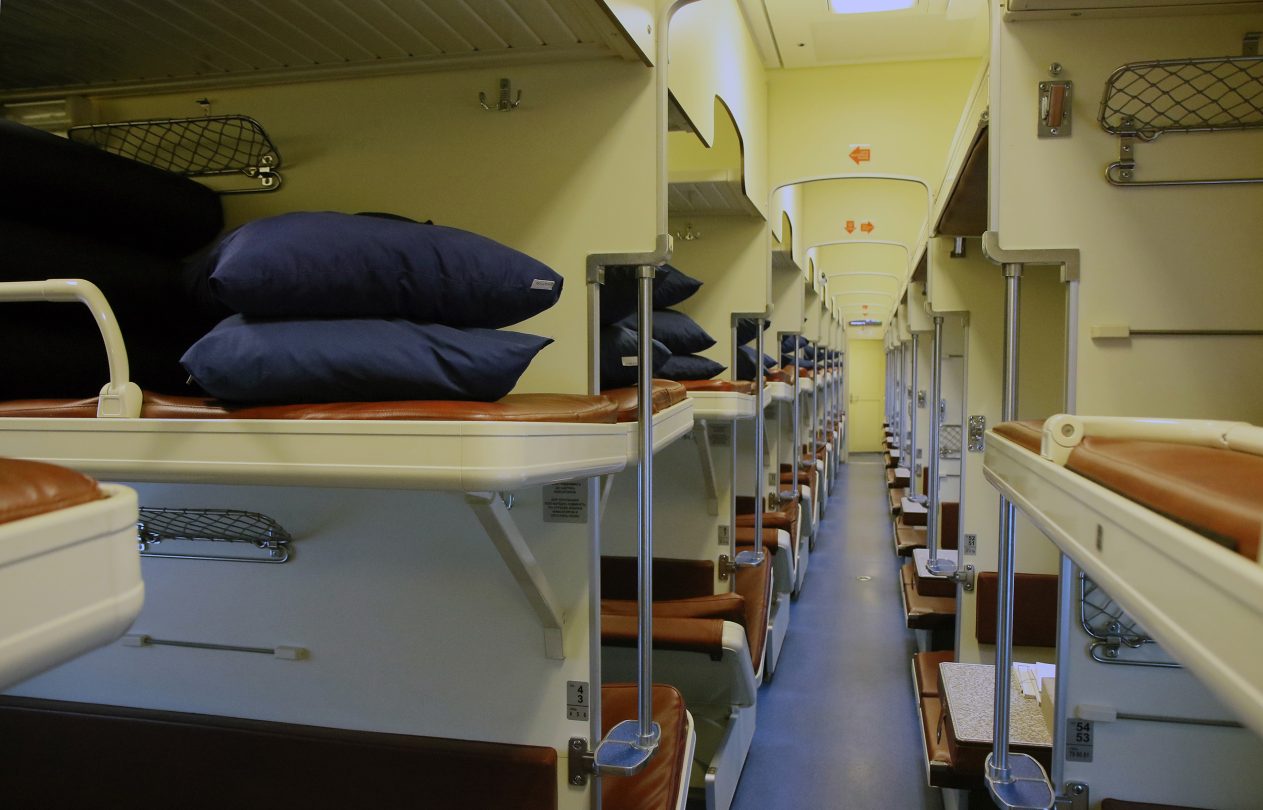
Stadler would eventually purchase the plant, though Russian wagons still travel on Kazakhstan railways. In September 2018, KTZ and Transmashholding signed an agreement on the purchase by a Russian engineering group of more than 99% of the Passenger Car Manufacturing Plant LLP and the delivery of 1.2 thousand cars in 2018-2026.
Although the parties terminated the purchase agreement in February 2019, 146 cars of TMSH made their way to Kazakhstan.
What About Kazakhstan?
The Kazakhstani manufacturers of wagons of JSC NC "Kazakhstan Temir Zholy" did not stand idly by. Petropavlovsk has localized its own production of passenger cars. They reportedly meet all the requirements of safety, operational reliability and comfort of passenger transportation.
The company has already completed the construction of the first five cars by order of the national operator of the railway network JSC "Passenger Transportation". In total, the local plant will produce about 300 passenger cars. If Swiss wagons cost an average of 1.3 billion KZT apiece, the Petropavlovsk ones cost almost half as much: approximately 700 million KZT.
Delivery of new rolling stock from Stadler is valid until 2030 with the possibility of additional orders for further modernization of the railway fleet of Kazakhstan. Under this contract, KTZ pays 20% of the prepayment and will pay the remaining 80% when the supplier fulfils their obligations.
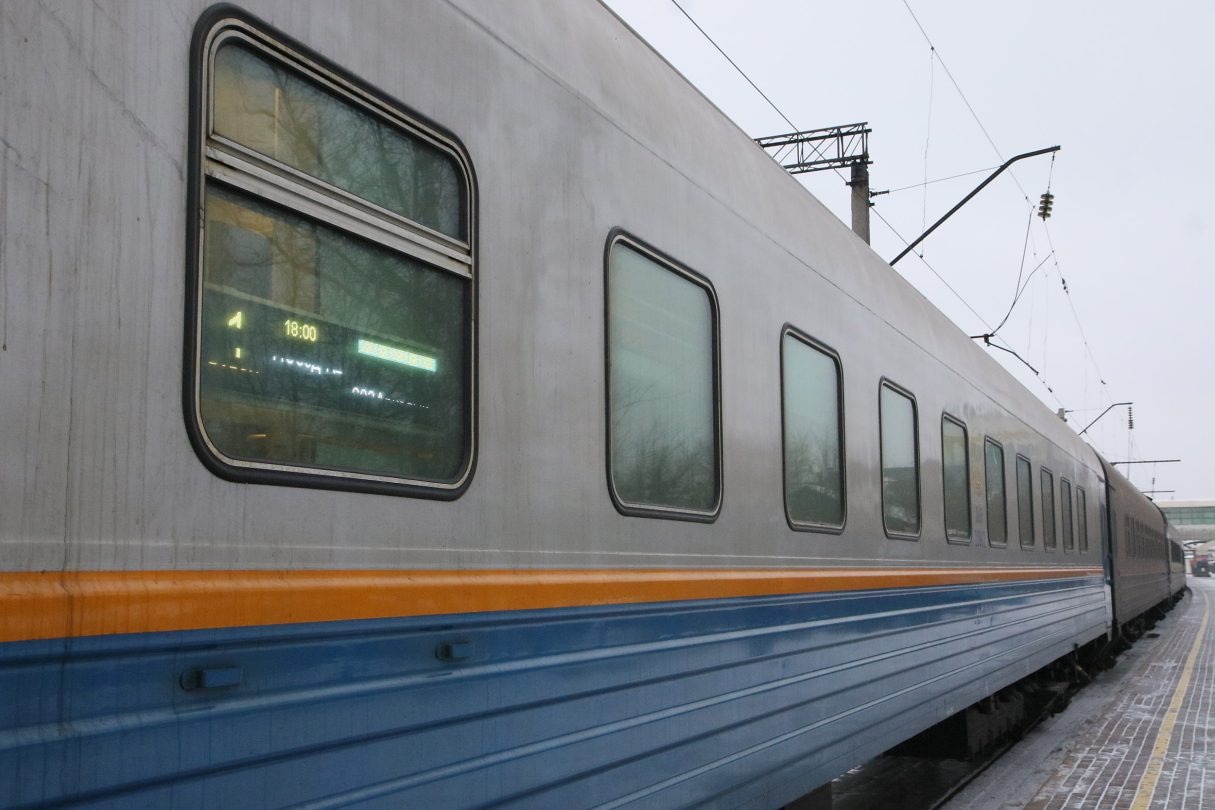
The contract for the supply includes four different types of modern passenger cars: 234 compartment cars with a passenger capacity of 40 seats each, 233 reserved cars with 58 seats each, 35 staff cars for people with disabilities for 18 seats each and 35 electro-powered wagons.
Many questions have remained unanswered since the conclusion of this transaction. How did the initial amount of $100 million grow to 2.3 billion? In what currency is the calculation carried out, how will this affect the cost of tickets? Is it possible to produce such wagons cheaper in Kazakhstan? Orda.kz has sent an official request to KTZ.
Original Author: Ilya Astakhov
DISCLAIMER: This is a translated piece. The text has been modified, the content is the same. Please refer to the original article in Russian for accuracy.
Latest news
- Kazakhstan Wants AI To Help Assign Conscripts To Military Units
- Kazakhstan’s Labor Market Will Need More Than A Million Workers
- Belarusian Citizen Extradited From Kazakhstan After Alleging Abuse In Detention
- Illegal Database With Millions Of Kazakhstanis’ Data Found In Zhetysu Region
- Astana LRT Could Get A New Name
- Tokayev Sets Rules For Kazakhstan’s New Political System
- Kazakhstan Looks To Hong Kong To Open New Farm Export Routes
- Kazakhstan Simplifies Social Payment Rules
- Record Gold Reserves And Slower Inflation: What The National Bank Reported To Tokayev
- Gazprom To Increase Gas Supplies To Kazakhstan In 2026
- Gasoline Worth 37 Billion Tenge: Kazakhstan Uncovers Fuel Export Scheme To Kyrgyzstan
- Kazakhstan To Change Rules For Using State Symbols
- Cyprus Visit To Kazakhstan Sparks Dispute In Greek And Turkish Media
- Business Subsidies To Be Reviewed Once Every Three Years
- Former Kyrgyz Prime Minister’s Son Reportedly Detained In Almaty
- Nearly Three Billion Tenge Set Aside For Almaty Metro Extension
- Kyrgyzstan Enters UN Security Council For The First Time
- Kazakhstan Plans Radioactive Waste Center, But Still Has No Site
- Where Kazakhstan’s Toll Roads See The Most Traffic
- Teenager Hospitalized In Shymkent After Scorpion Bite
