

Who Closes Courts to Journalists in Kazakhstan? When State Secrets Are Not Quite State Secrets
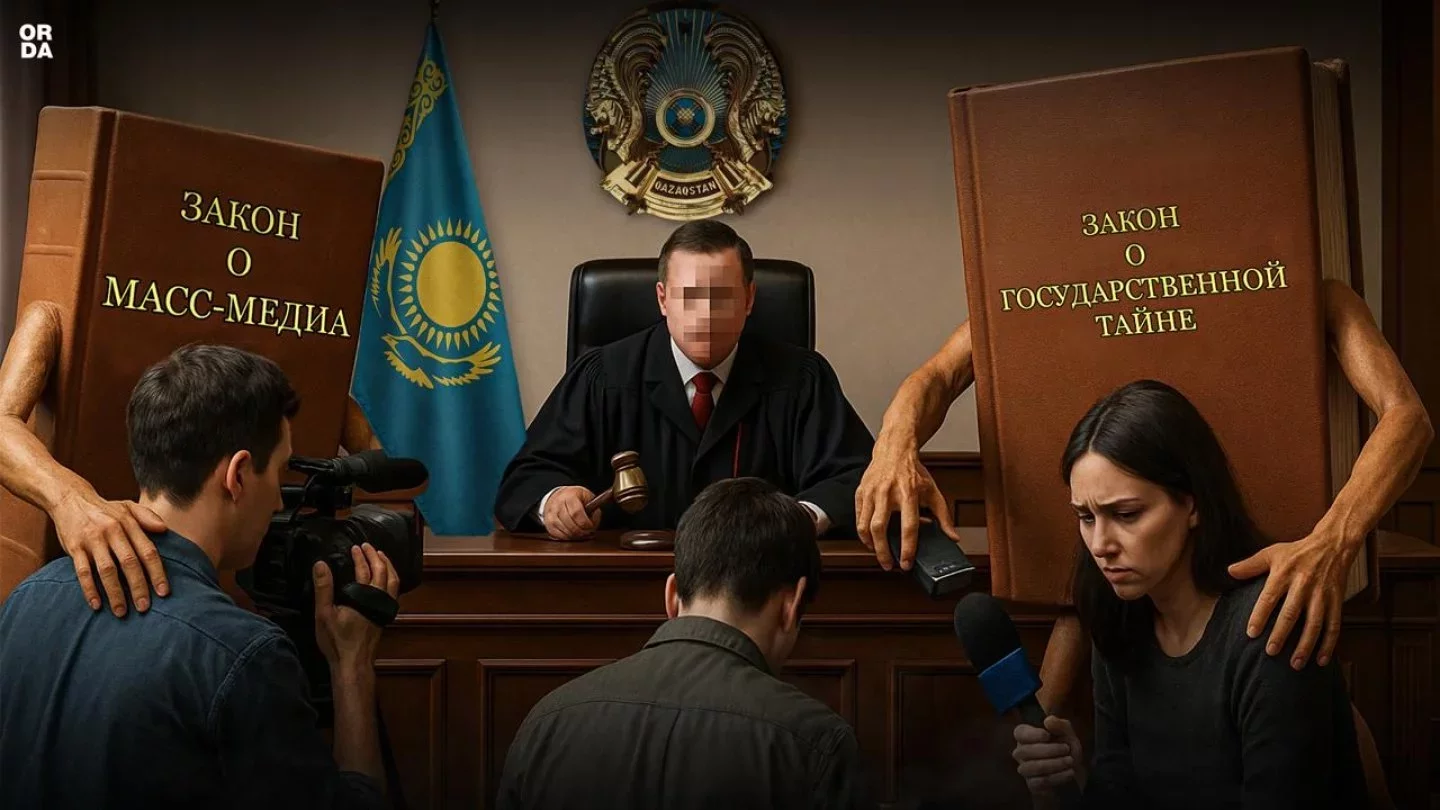 Photo: Orda.kz
Recently, our country has seen an alarming trend of classifying court proceedings under any pretext. Journalists are restricted in their access to information, violating the norms of the Law on Mass Media, signed by President Toqayev on June 19, 2024, Orda.kz reports.
Many court hearings today are fully or partially closed to the media for various reasons, including high-profile trials of Perizat Kairat and "Aika."
Both defendants pleaded not guilty, expressed no remorse, and did not enter into a procedural agreement with the prosecutor. Therefore, the proceedings could not be simplified or accelerated. Nevertheless, both trials were completed in just a couple of weeks, raising many questions among ordinary Kazakhstanis, professional lawyers, and meticulous journalists.
Many social media users suspected that the main part of the proceedings was deliberately closed to the public. They claim the criminal case materials included the names of wealthy, influential, and famous people who did not want to appear in court.
Kairat's trial was partially closed under the pretext of maintaining "banking secrecy," and Aika's was closed entirely due to "information of an intimate nature." The average person never learned who Perizat Kairat’s true patrons were, who enabled her luxurious lifestyle before her arrest, or which celebrities attended private parties organized by Aika in Almaty and Dubai.
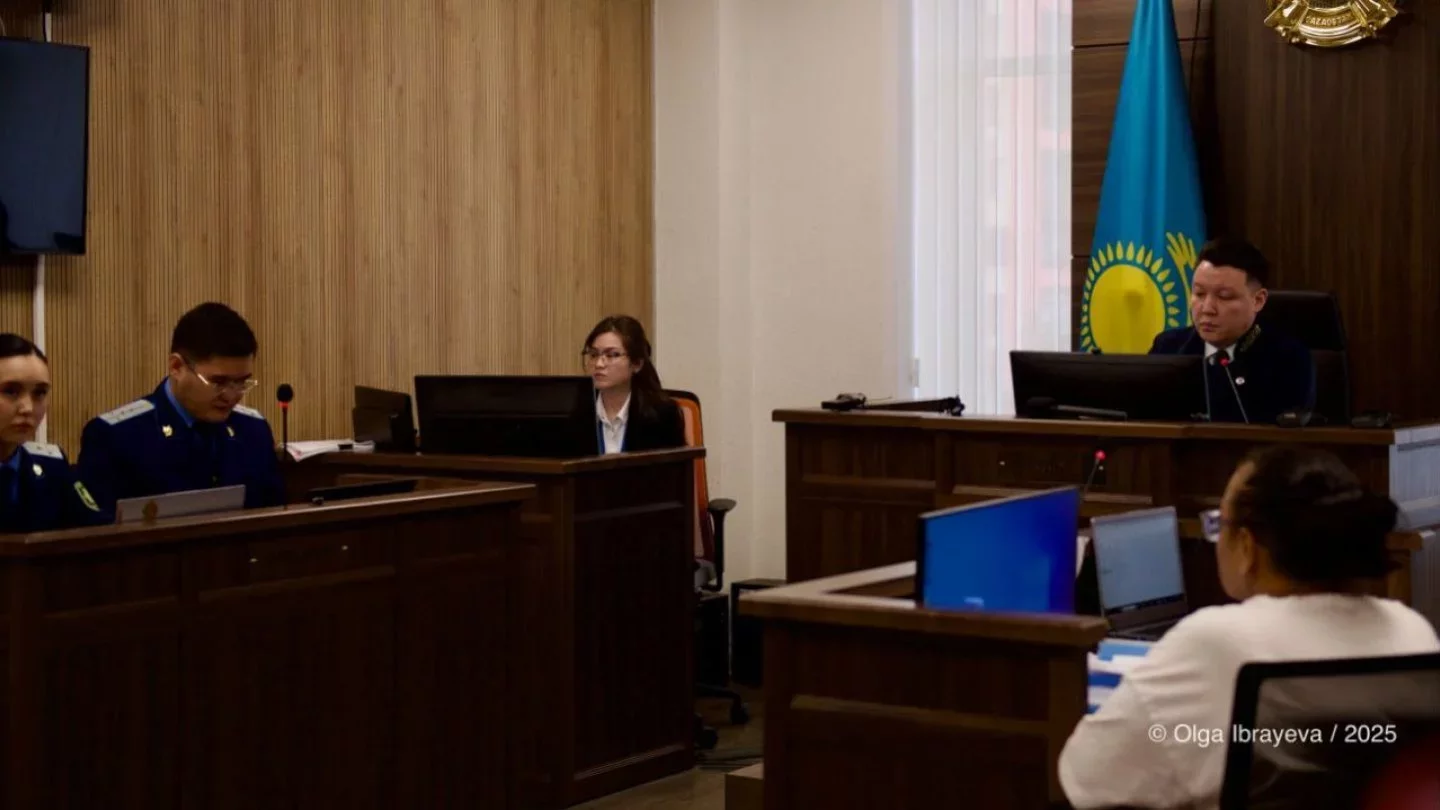
But it is unclear why court proceedings on corruption and torture committed by former law enforcement officers are classified. A year ago, journalists were free to report on such hearings.
Double Standards
The problem of restricting media access to important information did not arise from a controversial article or incident in a courthouse or a prosecutor's office. In our opinion, it appeared artificially in the spring of 2025 and then began to gain momentum.
The press services of regional courts suddenly stopped announcing upcoming trials; journalists often learn about sentences only after the fact. The press secretary of the Astana courts did not even inform our capital correspondent, Anastasia Prilepskaya, about the date, time, or place of the preliminary hearings in the Perizat Kairat case.
She later discovered that some media outlets had attended the hearings.
Court reporters often get information from their own sources in law enforcement agencies, legal professionals, and the penal-enforcement community. For example, they may be informed that a case involving large-scale embezzlement of public funds or torture of suspects is being heard in a particular court.
They arrive hoping for exclusive coverage, but the judge immediately declares the trial closed, justifying it by saying “the criminal case materials contain state secrets.” They have to leave, and months later, they publish only a short article about the verdict.
Few journalists legally protest such court decisions.
A journalist can write a complaint to a higher court or to the press service of the Supreme Court about the restriction of access to information. They can also contact the coordinating judges who are responsible for public relations in regional and city courts, or media lawyers - this will also be of great help. In Their complaint, the journalist must describe the events and refer to the main provisions of the Law "On Mass Media" and the Criminal Procedure Code of the Republic of Kazakhstan. As a rule, many conflict situations are resolved, except for those cases when the courts are held in a classified mode, says Gulmira Birzhanova, head of the legal service of Media Qoldau, a legal media center.
In previous years, journalists could easily obtain necessary information from the Judicial Cabinet database. However, since April 2025, access to the case bank has become more complicated.
One must log in via an Electronic Digital Signature (EDS) and is limited to no more than five requests. Even then, there is no guarantee of receiving the necessary information. We have noticed that news in the Judicial Cabinet is often published with a significant delay or not at all.
Instead of the verdict text, there is often a note: “This case is closed for publication.”
The publication of court decisions is a matter of disseminating personal data. Our judicial system has long been hinted that personal data should be excluded from court decisions that are published in the public domain. However, this is difficult, if not impossible, to do given the number of court cases. Therefore, the parties to the case can choose the "not for publication" option in the court office, Gulmira explains.
One can send a request to the Supreme Court, the Prosecutor General's Office, or the National Security Committee to find out the reasons for classifying a particular case.
No matter how many times we asked them about preventing and combating corruption in their own ranks or high-profile cases investigated by the National Security Committee, we always received short comments.
Those asked either answered selectively or cited the secrecy of the investigation (Article 201 of the Criminal Procedure Code of the Republic of Kazakhstan "Inadmissibility of Disclosure of Pre-Trial Investigation Data"), the Law "On State Secrets," or the Law "On National Security."
But how do we explain the recent classification of most torture cases investigated by special prosecutors? Just a year ago, journalists could freely cover court hearings related to former law enforcement officers accused of torturing detainees.
The high-profile January events trial concerning the torture of Kyrgyz jazz musician Vikram Ruzahunov and 44 other Central Asian citizens at the special detention center in Koshmambet was held openly in the Special Criminal Court of the Almaty Region.
It lasted from September 2024 to January 2025. Judge Dinmukhamed Aidaibayev presided over it.
The trial received coverage from dozens of media outlets and human rights organizations. No one attempted to close this case to the public under the pretext of state secrets to shield the Ministry of Internal Affairs’ reputation.
The defendants were five former officers of the Qarasay District Police Department of the Jetisu Region and the former deputy head of the Almaty City Police Department. They were convicted of torture, cruel treatment, and abuse of office and sentenced to three years in prison each.
The appellate panel of the regional court upheld this decision in June 2025.
However, the court hearings regarding torture in the large-scale “Khorgos Case No. 1” — involving smuggling at the Kazakh-Chinese border — were classified.
These events occurred in 2011. The case was initially investigated by employees of the Agency for Combating Economic and Corruption Crime (ACECC), who detained 47 people, including customs brokers, businessmen, and officials from the National Security Committee and customs authorities. Now, these same investigators are themselves accused of torture and falsifying evidence.
This decision is particularly confusing, considering that in June 2014, Khabar aired a two-part documentary on “Khorgos Case No. 1,” featuring footage of operational activities, including wiretapping and covert surveillance.
At the time, none of it was considered secret. So why now? Perhaps it’s because the current defendants were once part of the powerful team led by Kairat Kozhamzharov?
Is someone trying to keep specific names out of the spotlight?
The secrecy of corruption cases and high-profile criminal cases involving high-ranking officials is most often initiated by lawyers and defendants. According to my observations, three or four years ago, the courts did not advertise the consideration of criminal cases on corruption involving former colleagues, they briefly reported on the verdict, and that was it. However, now everything has changed. Verdicts on such cases are publicly available in most cases. As for cases involving high-ranking officials, the courts do not always restrict the defense's motions to restrict access. They understand that the level of public trust in the judicial system is based, among other things, on the openness and transparency of legal proceedings, Birzhanova believes.
Whatever the reasoning, it’s a double standard. The torture case from January 2022 was open to the public, but the torture case in the financial police from 2011 is to be kept secret.
We tried to cover the torture case against ACECC officers. The press service of the specialized inter-district criminal court of Almaty initially permitted us to attend. But once we arrived, we were asked to leave. Judge Asiya Kalkayeva declared the trial of the two former ABECC officials closed, justifying her decision by stating the case materials contained state secrets.
Indeed, Article 29 of the Criminal Procedure Code, “Openness,” allows for limiting trial publicity when it conflicts with protecting state secrets or other protected information. So we’ll wait for the verdict — the judge allowed media presence for that part.
We do know how a similar trial ended in the capital’s Specialized Interdistrict Court. On June 17, 2025, three former financial police officers and one former prison chief were found guilty of torturing detained residents of Khorgos. They received suspended and actual prison terms of three to four years.
There’s no precise information about a third trial.
Vremya reported that Zalina Makharadze, a judge of the Medeu District Court of Almaty, acquitted a former financial police officer accused of torture in February 2025. However, the city prosecutor’s office later appealed.
Whether the case returned to the district court or was handed back for further investigation is unclear. Our producer repeatedly contacted the Almaty court press secretary.
He eventually answered a call, promised to find out more, and never called back. Many journalists, including the author of this article, have noticed this evasive communication.
With court press services silent, journalists are forced to rely on the above-mentioned sources. Without such sources, we are unlikely to learn anything at all.
Unfortunately, many state prosecutors also avoid the media. They remain silent even after verdicts are announced and often initiate motions to restrict journalist access during preliminary hearings.
Previously, such requests usually came from defense lawyers; now, since 2025, it’s often the prosecutors. For example, this happened during the high-profile trial over the shooting of Almaty residents Yerlan Zhagiparov and Auez Kapsalanov during the January events.
The case was tried in the military court of the Almaty garrison from December 2024 to February 2025.
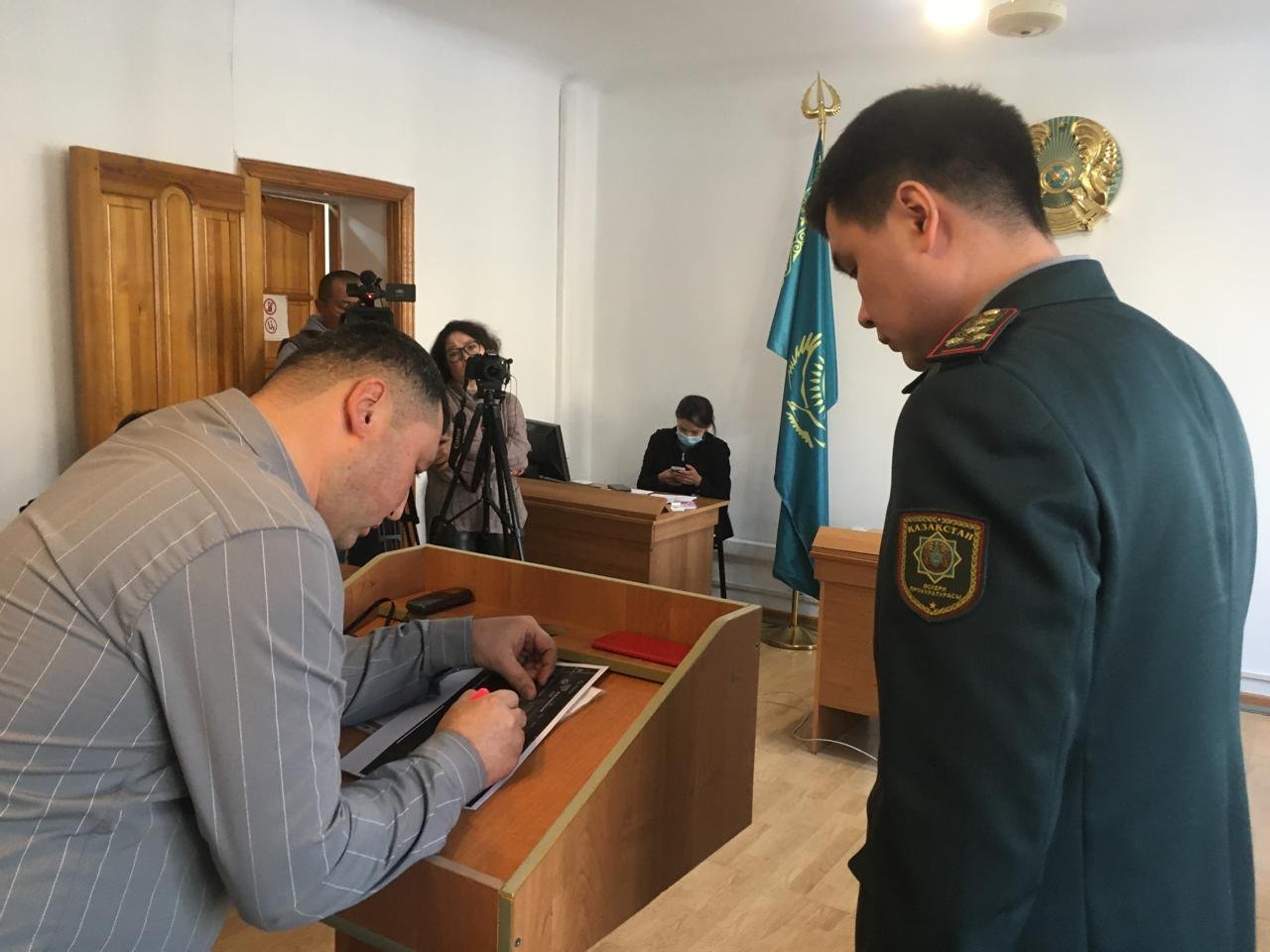
At the first hearing, State Prosecutor Yelzhan Kobey requested that the trial be closed, citing the presence of documents marked “For Official Use Only” (FOU). These included details of National Guard unit 5571’s service operations during the curfew and counter-terrorism measures.
As there were no state secrets in the case, Judge Aidar Sekenov allowed the media to attend, excluding only the sessions involving the FOU documents. Defendant Aitchan Aubakirov, former deputy commander of unit 5571, was found guilty under Part 2 of Article 451 of the Criminal Code “Exceeding authority, resulting in grave consequences.”
He was sentenced to seven years in prison, stripped of his rank of lieutenant colonel, and ordered to pay 20 million tenge in moral damages.
The documents of the FOU are the basis for restricting access to information, but not for completely classifying the process. If the materials of the criminal case contain documents of the FOU, then only a couple of sessions should be held in a closed format when they are studied, says lawyer Birzhanova.
Artificial Barriers
It’s surprising that just a couple of years ago, courts were openly considering cases involving multi-million embezzlement of state funds. No one closed those proceedings, citing "bank secrecy" or "personal data."
For example, in 2023, the military court of the Almaty garrison considered the case of Maksat Mukat, former head of the financial service of the Ministry of Internal Affairs’ investigative department for the southern region (YuRVSU). He was accused of embezzling 126 million tenge.
The specialist stole this money from civilians under the very noses of military investigators — for seven years.
It was proven in court that Mukat, abusing his official position, transferred money from the YRVSU MIA to the bank accounts of various individuals. Judge Zarina Rakhmetova allowed journalists to be present during the examination of these bank transactions.
We also listened to the online testimony of a specialist who conducted a financial audit in May 2022, uncovering a massive shortfall. The garrison judge made no mention of “bank secrets” or any other such barriers. Perhaps because this case involved the names and accounts of ordinary people?
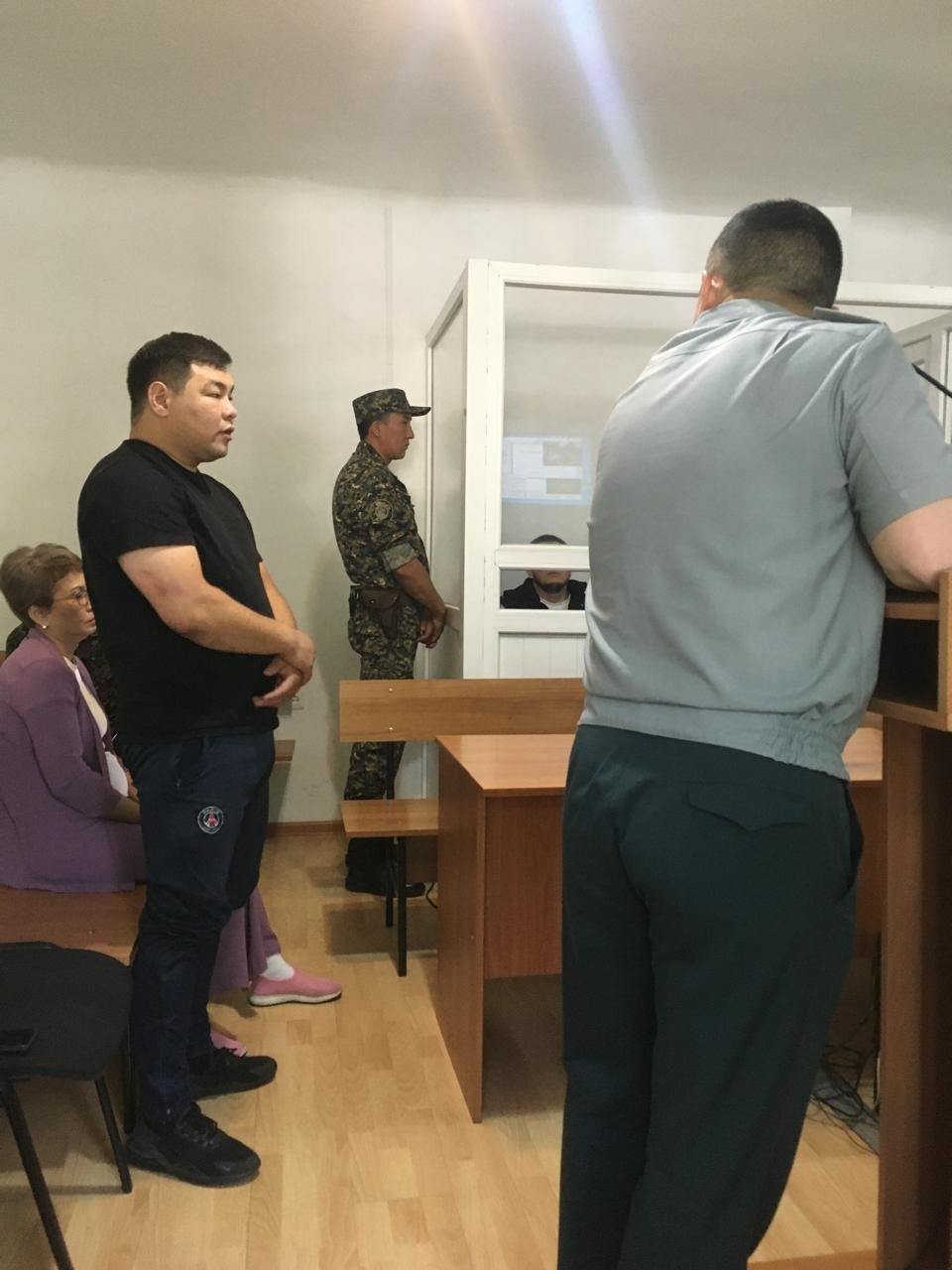
The defendant Mukat partially admitted guilt, expressed remorse, and voluntarily reimbursed part of the stolen funds. The garrison court found him guilty under Part 4 of Article 189 of the Criminal Code, “Embezzlement or theft of someone else's entrusted property on an especially large scale”.
The court sentenced him to eight years in prison.
At the same time, in March 2025, media outlets reported the arrest of the former head of Almaty penal colony No. 13, Colonel of Justice Bekzat Akimbay, for a corruption crime. The Telegram channel EgovPress did not specify the nature of the offense.
The press service of the KUIS MIA only confirmed that he was not employed at the time of arrest — though according to media reports, he was arrested in his office.
Later, we learned through sources that the trial did indeed take place. On June 13, 2025, the verdict was issued by the Turksib District Court. But when we searched the Judicial Cabinet database for the verdict, we were met with: “This case is closed for publication.”
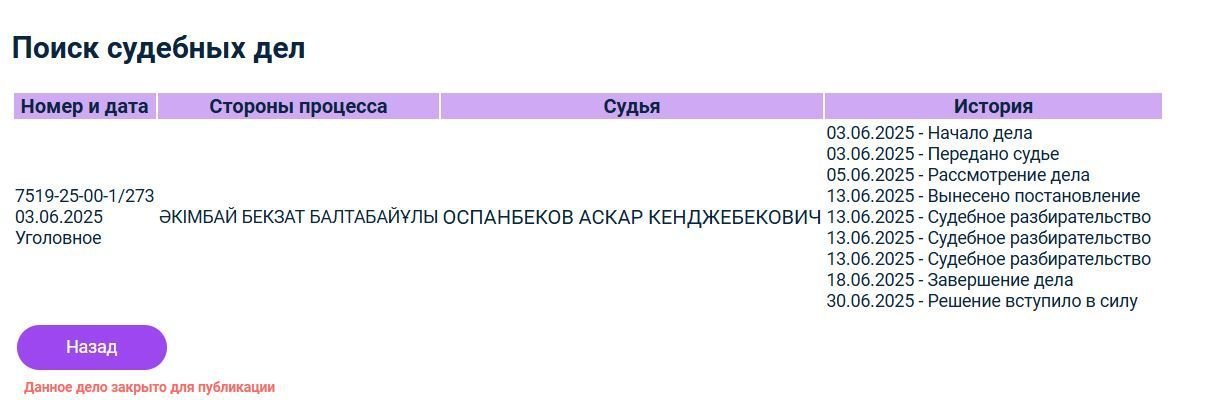
And if we were to report on the case using our own verified sources, would we be prosecuted under Article 147 of the Criminal Code “Violation of the privacy of private life and the legislation of the Republic of Kazakhstan on personal data and their protection” or Article 423 “Disclosure of data from pre-trial proceedings or closed court proceedings?”
The 'not for publication' option does not mean a ban on publishing the verdict in the media, since journalists may have different sources of information, in addition to the 'Court Office'. Therefore, if this is a high-profile trial or any open trial in general, then you can safely write about it with the note 'the verdict (has) not entered into legal force'. Of course, we must remember that courts are different. If we are talking about trials involving minors or trials where cases related to sexual inviolability are considered, then I would recommend not publishing the data of the victims. Especially if the trials are held behind closed doors. A journalist should always remember the ethical side of such cases, says Birzhanova.
We must also address the issue of video streams in high-profile trials. Journalists sit in briefing rooms equipped with large screens, where they can watch the proceedings remotely. This works well if video and sound quality are sufficient.
But what if they’re not?
Court administrations emphasize that video recordings exist, and secretaries can provide copies. In practice, however, obtaining those recordings is exceedingly difficult. Only in rare instances are the necessary video materials made available to reporters.
Let’s give credit to the practice of video streaming of high-profile cases. The practice is definitely positive, it should be continued. Yes, there are problems with journalists’ access to such trials, we have seen this for the third time. Here, it seems to me, the court believes that it is already as open to the public as possible, providing online broadcasts of the trial in real time. However, journalists have their own work — TV channels need high-quality pictures and sound, online publications need exclusives, etc. Therefore, journalists will always show increased interest in high-profile cases, and media editors need their own unique content, and YouTube broadcasts are not enough for this. Therefore, of course, the judicial system needs to resolve the issue of journalists’ access to the courtrooms, and not to the room where the steaming is being conducted, which is sometimes not of the best quality. I hope that these issues will be resolved. The media will be able to make high-quality and up-to-date content from courtrooms on high-profile cases, since the public interest in knowing this information is extremely high, and the public’s trust rating in the judicial system will grow, says Birzhanova.
The issue of jurisdiction in cases involving former committee members accused of corruption or other crimes also remains unresolved. These cases were previously handled by special prosecutors and internal KNB security officers.
It’s now unclear who does this.
Our colleagues from the Besmedia portal sent a formal inquiry to the KNB but received no reply regarding jurisdiction in such cases.
We can only hope that authorized bodies will continue to investigate such cases impartially, objectively, and comprehensively — and that some of them will become public knowledge. This was the case in 2024, when we reported exclusively from the courtroom of the Almaly District Court of Almaty.
There, a criminal case was heard against former head of the city’s Department of National Security, Lieutenant Colonel Zhanen Aitkulov, under Part 4 of Article 362 of the Criminal Code “Abuse of power or exceeding official authority.”
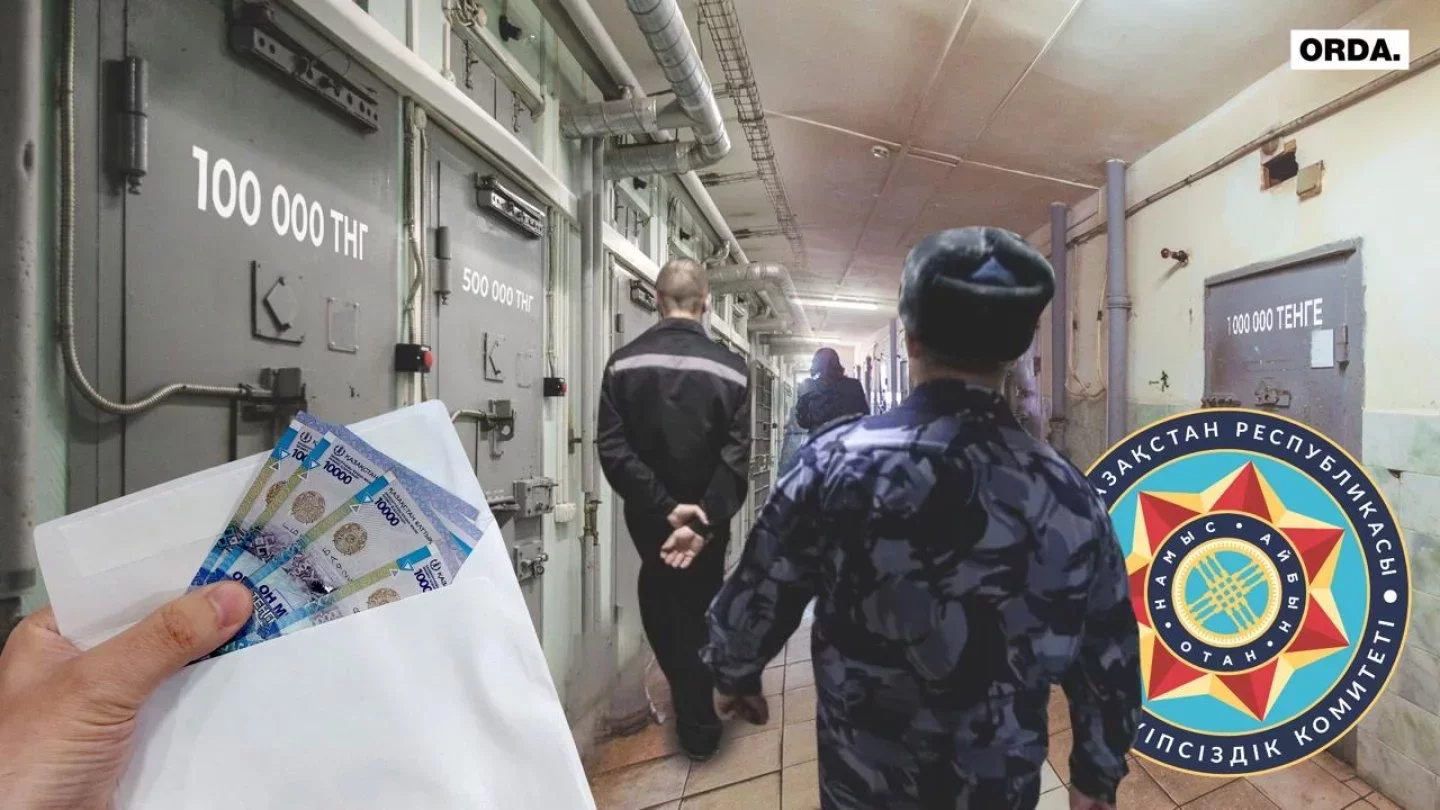
According to the prosecution, the defendant oversaw the DUIS pre-trial detention center on behalf of the KNB between 2019 and 2022. Taking advantage of his position, he organized six "VIP cells."
Three influential inmates under his control collected money from other prisoners for access to these premium cells. Costs ranged from 500 thousand to five million tenge, and included unrestricted phone use, gourmet food, and freedom from inspections.
Aitkulov worked in a KNB unit tasked with combating organized crime — including international crime syndicates. Instead of dismantling these networks, he profited from them. He also accepted expensive gifts from inmates’ relatives.
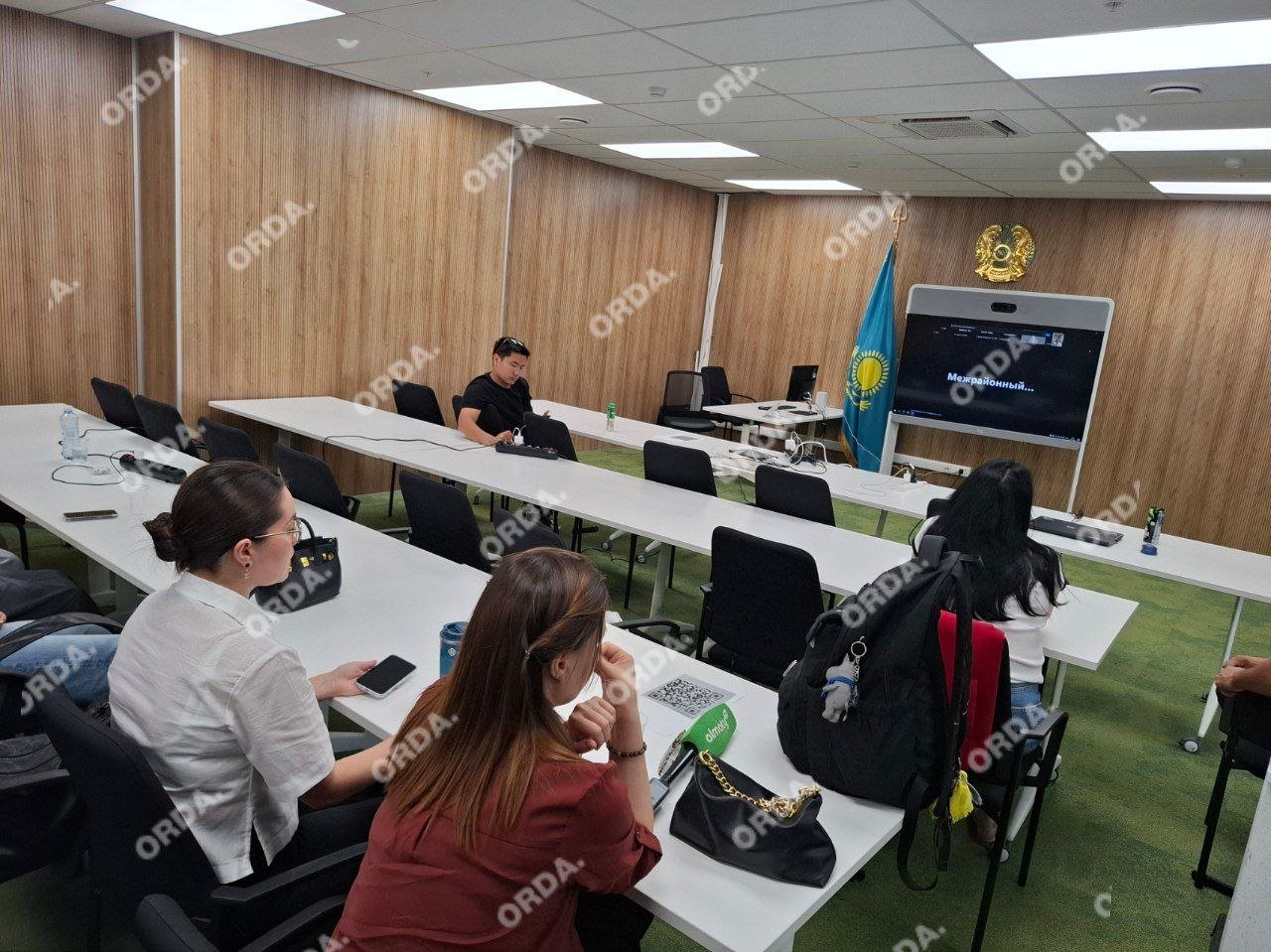
Judge Kuralay Darkhanova allowed Orda.kz to cover the unusual case — under the condition that no photos, videos, or audio recordings would be taken during testimony. She explained this was to avoid distractions during the trial.
We agreed and did not regret it.
Aitkulov denied all charges, claiming he was the victim of a smear campaign and inter-clan warfare inside the KNB. He insisted the case was fabricated by the Internal Security Department because he refused to testify against his former superior — head of the fifth department of the Almaty KNB.
He described ongoing power struggles within the agency and claimed that ordinary employees like him became scapegoats: “When the lords fight, the serfs’ forelocks crack.”
In court, former and current KNB officers testified online and in person, characterizing the accused and speaking about their own service. Nothing was kept secret — not even the fact that Aitkulov’s 2022 salary, including bonuses, was 650,000 tenge.
Testimony of inmates said to be Aitkulov’s trusted intermediaries stood out as well. They testified remotely from colonies and detention centers, describing psychological pressure, blackmail, and torture during the investigation. In court, they retracted earlier statements and asked to be placed in the state witness protection program, fearing retaliation.
The court also questioned current and former detention center employees, as well as a staff member from the Almaty penal system’s internal security department. They described their responsibilities and how they complied with Aitkulov’s directives.
Their testimonies shocked the courtroom. Yet again, Judge Darkhanova didn’t close a single session under the pretext of examining “documents for official use.”
On April 3, 2024, she found Zhanen Aitkulov guilty and sentenced him to six years in prison.
A Conclusion
Until the summer of 2025, journalists could obtain accreditation to cover trials by contacting the city court's press service — also known as the court administration. Some court secretaries are now telling reporters that they must first submit a formal request through the e-Otinish electronic platform before they can even attend a hearing.
As journalists, we follow the laws of Kazakhstan and are always open to constructive dialogue with any government body to ensure our work remains objective and impartial. However, we feel compelled to remind officials that a new law, On Mass Media, has been in effect since June 19, 2024.
The previous version of the law, which some officials continue to cite out of habit or convenience, is no longer valid. For those who haven't read the new legislation — or haven’t had the time or interest to do so — we suggest looking specifically at Article 26, titled "Rights and Obligations of Journalists."
This article clearly outlines the legal rights of journalists. In short, the law now defines who is required to do what and to whom.
Original Author: Zhanar Kusanova
Latest news
- Why Sparrows And Swallows Have Disappeared In Almaty, Expert Explains On Bird Day
- Audit Finds Violations In Use Of Kazakhstan’s National Fund Money
- Employment Rate In Kazakhstan Falls Despite Lower Unemployment
- “They Have Already Risen Sharply”: Deputy Calls For Extending Utility Tariff Moratorium
- Kazakhstan May Ban Storage Of Extremist And Terrorist Materials
- School Built Three Years Ago Already Falling Apart In Turkestan Region
- The Rich Save, The Poor Borrow: Expert Describes Kazakhstan’s Economic Model
- Stock Up On Sandbags: East Kazakhstan Residents Warned Of Possible Flooding
- Civil Service Recruitment In Kazakhstan Goes Fully Online
- Justice Ministry Explains Constitutional Protection Against Arbitrary Eviction
- Floods In Akmola Region Enter Active Phase, Ministry Of Emergency Situations Says
- Businessman Who Brought Popeyes To Kazakhstan To Receive 700 Mln Tenge In Dividends From Broker
- Kazakhstan Approves Comprehensive Plan To Preserve Cultural Heritage
- Clothes, Food, And Cosmetics Lead Kazakhstan’s Online Shopping Boom
- Scholarships Will Not Be Increased in Kazakhstan Yet
- Have Mopeds Revived Kazakhstan’s Motorcycle Market? How The New Law Reshaped The Country’s Fleet
- AI Will Determine Whether Kazakhstani Students Use AI
- Registration of Kazakh Cancer Drug Delayed, Says Science Minister
- Science Minister Comments on Billions in Violations in Grant Distribution
- Earthquake With Magnitude 5.4 Strikes Zhetysu Region
