

U.S. Imposes Tariffs on Kazakhstan Over Its Forced Labor Import Rules
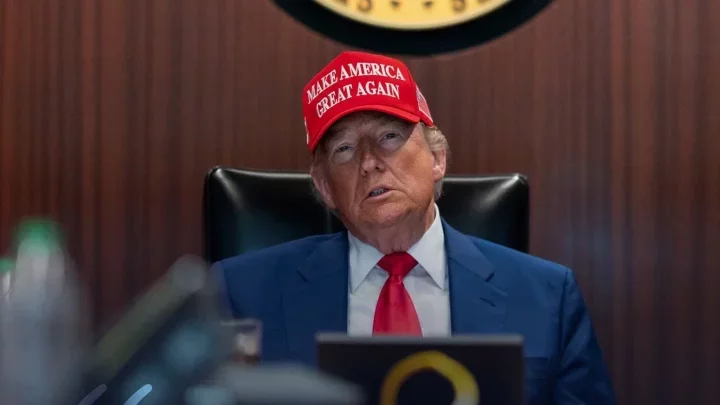 Photo: White House
The Trump administration has imposed new tariffs on goods from 60 trading partners, including Kazakhstan, China, the European Union and the United Kingdom, Orda.kz reports, citing Reuters.
The new tariffs took effect on Friday, July 24, as the temporary 10% global tariff introduced after a U.S. Supreme Court ruling expired. The measures cover 99.4% of U.S. imports.
Goods that were already in transit before the tariffs took effect will be exempt if they enter the United States by July 28.
What It Means for Kazakhstan
Kazakhstan was among 54 countries that Washington said had failed to introduce and effectively enforce a ban on imports produced with forced labor.
Most non-exempt Kazakhstani goods entering the United States will now face an additional tariff of 12.5%.
However, oil and gas, fertilizers, certain food products and several other categories are exempt. This is particularly important for Kazakhstan because raw materials account for most of its exports to the United States.
Why Is Trump Doing This?
The tariffs were imposed under Section 301 of the Trade Act of 1974. Washington argues that countries without effective bans on forced-labor imports gain an unfair advantage over American manufacturers.
The United States has had a forced labor import ban for nearly a century and rigorously enforces it,U.S. Trade Representative Jamieson Greer said.
However, trade lawyers believe the administration also needed a new legal basis for its global tariffs. In February, the Supreme Court struck down Trump’s “reciprocal” tariffs of 10% to 50%, which had been imposed under emergency-powers legislation.
Section 301 has previously survived legal challenges, making the new tariffs potentially more difficult to overturn.
“It’s a sledgehammer,” trade lawyer and former Commerce Department official Ryan Majerus said, referring to the administration’s broad power to adjust Section 301 tariffs.
How the Rates Differ
Seventeen countries, including the United Kingdom, Canada, Mexico, India, Argentina and Bangladesh, received a 10% tariff.
Kazakhstan, China, Russia, Türkiye, the United Arab Emirates and Saudi Arabia were among 38 countries assigned a 12.5% rate.
For the European Union, Japan, Taiwan, South Korea and Switzerland, the tariffs were adjusted so that the total rate, including existing duties, reaches either 10% or 12.5%.
Australia, Brazil and Norway called the tariffs unjustified and said they would seek their removal. Canada responded more cautiously, promising to continue discussions with Washington.
Original author: Ruslan Loginov
Read also:
Latest news
- Orda.kz Editorial Team to Cease Operations on September 1
- The Price of a Degree: How Students in Kazakhstan Pay for University
- Second Przewalski’s Horse Foal Born as Species Returns to Kazakhstan
- Kazakh Mining Companies Can Recalculate Purchases if Tenge Weakens
- Kazakhstan Names First Vice President in Three Decades
- What Almaty’s Bus Shelters Are Missing
- 400-Truck Queue Builds at Kazakh–Kyrgyz Border
- Kazakhstan Ready to Help Feed and Rebuild Gaza
- Tokayev Establishes New Presidential Security Body
- Almaty Takes Back Its Nearly Century-Old Hippodrome
- No More Guesswork on Savings: Kazakhstan Tightens Energy Audits for Businesses
- Public Money Could Be Used to Rescue Failing Kazakh Banks
- Third Kazakh Woman Reported Missing in Nepal-China Flood Zone
- Falconer Convicted Over 35 Protected Birds, Spared Punishment Under Amnesty
- Kazakh Citizen Detained in Yakutia in Phone Fraud Case
- Yuan Instead of Dollars? KazMunayGas Draws Record Demand in Asia
- China Gains Oil-Market Influence as OPEC+ Weakens
- Kazakhstan to Divide Smartphones Into White, Gray and Black Lists
- Kazakhstan’s Government Formally Resigns as First Kurultai Session Opens
- Rare Lynx Sighting Recorded in Northern Kazakhstan
