

Tankers Stay Away From CPC Terminal, Putting Kazakhstan’s Oil Output at Risk
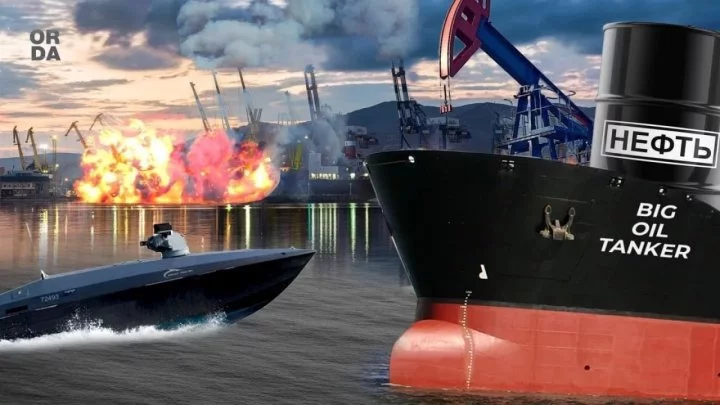 Illustration: Orda.kz
Shipowners are reluctant to send tankers to the Caspian Pipeline Consortium’s (CPC) marine terminal near Novorossiysk after three vessels were attacked in two days. As a result, Kazakhstan may have to reduce oil production, experts warn, Orda.kz reports.
On July 21, Reuters, citing three industry sources, reported that the CPC had stopped accepting oil from Kazakhstan. Bloomberg wrote that Kazakhstan could be forced to stop pumping oil to the terminal because shipowners were afraid to send tankers there.
The CPC has only confirmed that loading was suspended on the attacked NELSA tanker at Single Point Mooring 1. The consortium has not announced a complete halt to loading operations at the terminal or to oil intake into its pipeline system. Kazakhstan’s Energy Ministry has also not confirmed that pumping has stopped completely.
To clarify the conflicting reports and assess the possible consequences of a shutdown at the CPC, Orda.kz spoke with leading experts from Kazakhstan’s oil and gas industry.
Nurlan Zhumagulov, director of the Energy Monitor Public Fund, believes shipowners are being deterred by the risk of further attacks and possible problems with insurance payments.
Tanker owners are currently afraid to send their vessels to the CPC marine terminal for loading. Three tankers have been attacked over the past two days. Insurance may also be a factor: insurers may not provide full compensation when three tankers, including vessels operated by Western companies, have been attacked at once.
According to Zhumagulov, around ten tankers chartered by Kazakhstan’s oil exporters are now waiting off the coast of Turkey and are not proceeding to the CPC terminal. If the vessels do not begin loading, the consortium’s storage tanks could fill within three days. After that, the CPC would have to limit oil intake.
If there are no shipments, oil intake will have to be restricted. This will lead to a significant reduction in production at major projects such as Tengiz and Kashagan. They also have their own storage facilities, but those will provide only about five additional days.
Oil and gas industry expert Olzhas Baidildinov also believes that shipping and insurance are the main problems. Oil producers generally do not own tanker fleets and instead charter vessels from third-party owners.
Under these conditions, few owners will be willing to send tankers there, knowing that their vessels could be damaged or even sunk. Even if a ship remains afloat, there are repair and towing costs, downtime, and risks to the lives and health of the crew.
According to Baidildinov, a used Aframax-class tanker costs about $50 million, while a new one costs between $70 million and $80 million. Even high freight rates may therefore be insufficient to persuade owners to send their vessels into a dangerous area.
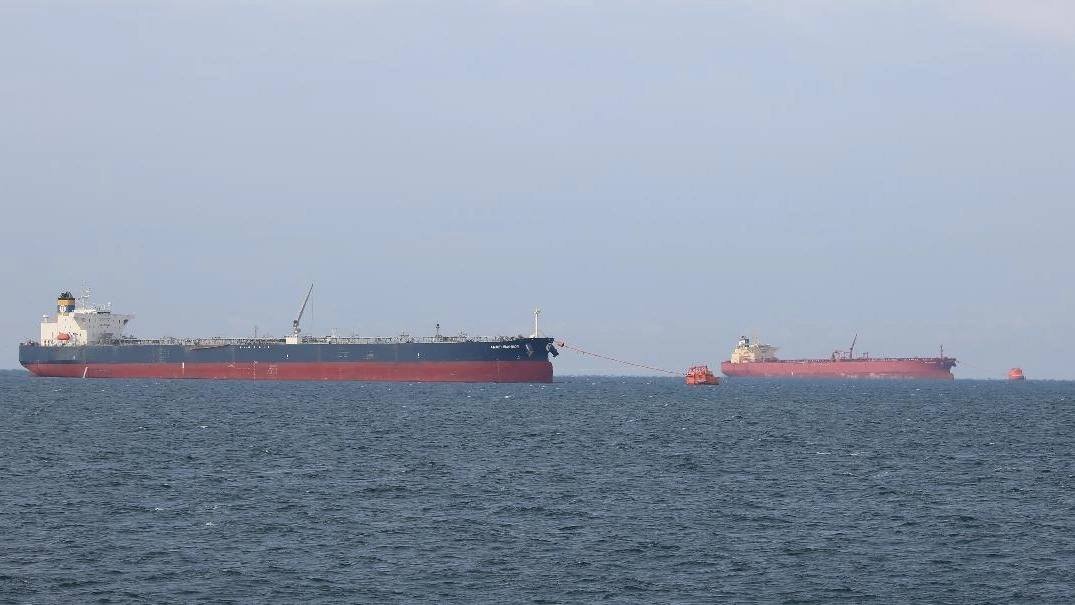
Another obstacle is the rising cost of insurance. According to the expert’s calculations, insurance premiums stood at around 0.25% of a vessel’s value before the war began but later increased to between 1% and 1.5%. The total annual cost of insuring oil operations in the Black Sea could rise from approximately $60 million to $250 million.
The CPC is not under sanctions, but no one wants to enter the Black Sea or approach the terminals because further strikes may follow. Under these conditions, there will eventually be nowhere to store the oil.
Baidildinov’s assessment is consistent with Zhumagulov’s. Oil can be stored temporarily in CPC tanks, in the pipeline itself and at oil producers’ facilities. But if tankers do not return to the terminal, the available storage capacity will run out, and Kazakhstan will have to either reduce production or find alternative export routes.
For now, the situation involves higher insurance risks, delays in tanker arrivals and the possibility of reduced oil production. A complete halt to oil intake and pumping through the CPC has not been officially confirmed.
Orda.kz sent a request to the Energy Ministry asking about the current status of oil intake and transportation through the CPC. The ministry had not responded at the time of publication.
Original author: Alexander Zhdanov
Read also:
Latest news
- Orda.kz Editorial Team to Cease Operations on September 1
- The Price of a Degree: How Students in Kazakhstan Pay for University
- Second Przewalski’s Horse Foal Born as Species Returns to Kazakhstan
- Kazakh Mining Companies Can Recalculate Purchases if Tenge Weakens
- Kazakhstan Names First Vice President in Three Decades
- What Almaty’s Bus Shelters Are Missing
- 400-Truck Queue Builds at Kazakh–Kyrgyz Border
- Kazakhstan Ready to Help Feed and Rebuild Gaza
- Tokayev Establishes New Presidential Security Body
- Almaty Takes Back Its Nearly Century-Old Hippodrome
- No More Guesswork on Savings: Kazakhstan Tightens Energy Audits for Businesses
- Public Money Could Be Used to Rescue Failing Kazakh Banks
- Third Kazakh Woman Reported Missing in Nepal-China Flood Zone
- Falconer Convicted Over 35 Protected Birds, Spared Punishment Under Amnesty
- Kazakh Citizen Detained in Yakutia in Phone Fraud Case
- Yuan Instead of Dollars? KazMunayGas Draws Record Demand in Asia
- China Gains Oil-Market Influence as OPEC+ Weakens
- Kazakhstan to Divide Smartphones Into White, Gray and Black Lists
- Kazakhstan’s Government Formally Resigns as First Kurultai Session Opens
- Rare Lynx Sighting Recorded in Northern Kazakhstan
