

Seven Years: How Denis Ten’s Death Shook And Changed Kazakhstan
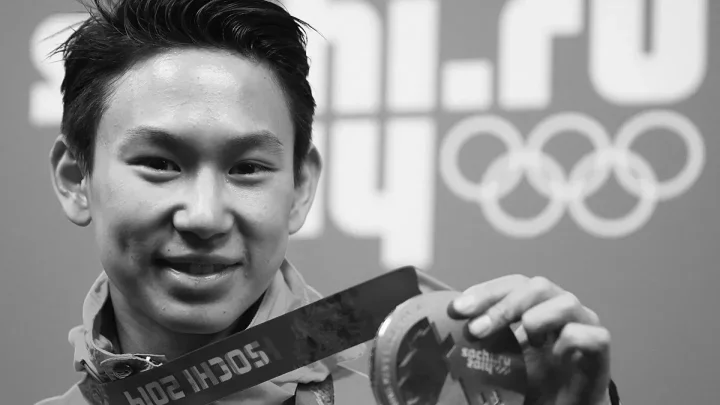 Photo: Denis Ten Kazakhstan\'s first Olympic medalist in figure skating. Source - championat.com/
On July 19, 2018, Denis Ten was killed in Almaty. His death caused public outcry and renewed discussion about the need to reform Kazakhstan’s Ministry of Internal Affairs.
Seven years on, Orda.kz looks back at how the state responded and what, if anything, has changed.
Car Mirrors
In broad daylight, Denis Ten, Olympic medalist and national figure skating champion, had been stabbed while trying to stop thieves from taking his car’s mirrors. He later passed away in hospital.
Ten’s death struck a chord with many. Public reaction was swift, with calls for accountability and change.
The moment crystallized a broader concern: a lack of public trust in law enforcement.
A Reform Proposal
In the weeks following, a group of activists formed "For the Reform of the Ministry of Internal Affairs" and drafted a plan titled “The New Police of Kazakhstan.” It contained 118 proposals across 16 sections. The concept was forwarded to the Presidential Administration.
Over time, parts of the group were brought into official discussions with the Akimat and the Ministry of Internal Affairs, while internal disagreements stalled progress. Human rights advocates later noted that only technical suggestions were accepted; more systemic reforms went unaddressed.
According to rights activist Tatyana Chernobil:
The Ministry of Internal Affairs is only part of the construct. Initially, the reform was aimed at ensuring transparency and accountability of this structure, but it was limited or satisfied with a formal approach.
The Ministry of Internal Affairs still remains a state body closed to public scrutiny. Yes, there is a National Preventive Mechanism (NPM), designed to monitor the state of closed institutions to prevent torture and cruel treatment in them, including those subordinate to the Ministry of Internal Affairs. And in this part, the Ministry of Internal Affairs, it must be said, in comparison with other state bodies, listens to the recommendations of the NPM in some ways. But the reform of the Ministry of Internal Affairs, as far as I remember, did not concern closed institutions. People wanted something simple, understandable - here and now - a reliable, effective police, on which anyone could rely in matters of security. A completely understandable and explainable desire.
Why didn't the reform pan out? We need to think about it. I think there were problems with goal setting, the expectations of the parties, the mobilization of civil society, and the state's desire to promptly wrap up the issue.
Lawyer Dzhokhar Utebekov agrees that meaningful reform remains elusive:
The reform of the Ministry of Internal Affairs brought absolutely minimal, cosmetic results. It became a little easier to get through to call centers. Front offices appeared in district police departments for the convenience of visitors.
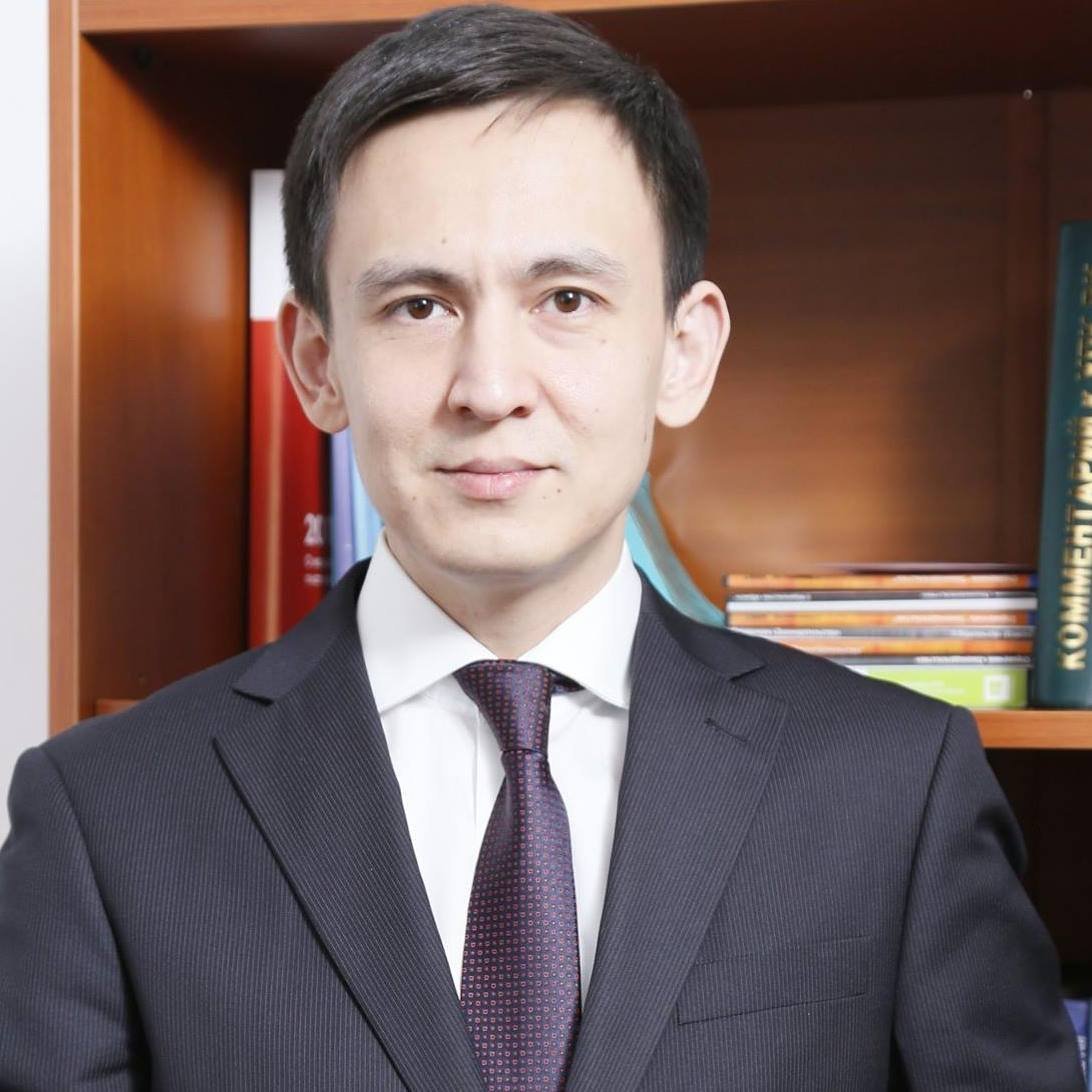
Utebekov continues:
The police are still not focused on a service model and serving the population, and are not inclined to help those filing reports and victims. Their work is subordinated to far-fetched statistical indicators instead of real efficiency. People do not trust the police and even reasonably fear them.
He also shared his opinion on their workload:
The internal affairs agencies are still engaged in a huge number of non-core functions instead of maintaining public order. There is no visible fight to stop corruption and torture. The police officers themselves suffer from overtime and a lot of senseless workload.
He also commented on oversight:
"Public control over the police is minimal, and parliamentary control has not yet appeared. It is not accountable to citizens and serves the current regime. Therefore, hoping for a change in the situation without deep political reforms is pointless," concludes Utebekov.
The State’s Response
In 2018, President Nazarbayev called for police reform and approved a roadmap through 2021. The plan included staffing cuts, pay increases, new uniforms, and the merging of services.
Some front offices were introduced to improve accessibility.
After Kalmukhanbet Kasymov, new minister Yerlan Turgumbayev promised transparency and public engagement. Some progress followed — including the salary hikes and structural streamlining — but many core issues remained.
By 2020, President Toqayev called for a structural review. This led to the creation of a separate Emergency Situations Ministry. A pilot “Kazakhstan Service Model of Police” was also launched in one district.
In 2021, the ministry emphasized proximity and prevention under a new “listening state” model. But the next year’s unrest in 2022 further damaged public trust. A new minister, Marat Akhmetzhanov, was appointed with a renewed reform mandate.
In 2023, a development plan through 2027 focused on security, prevention, and criminal justice reform, including expanded probation and resocialization measures. In September, Yerzhan Sadenov took over as minister.
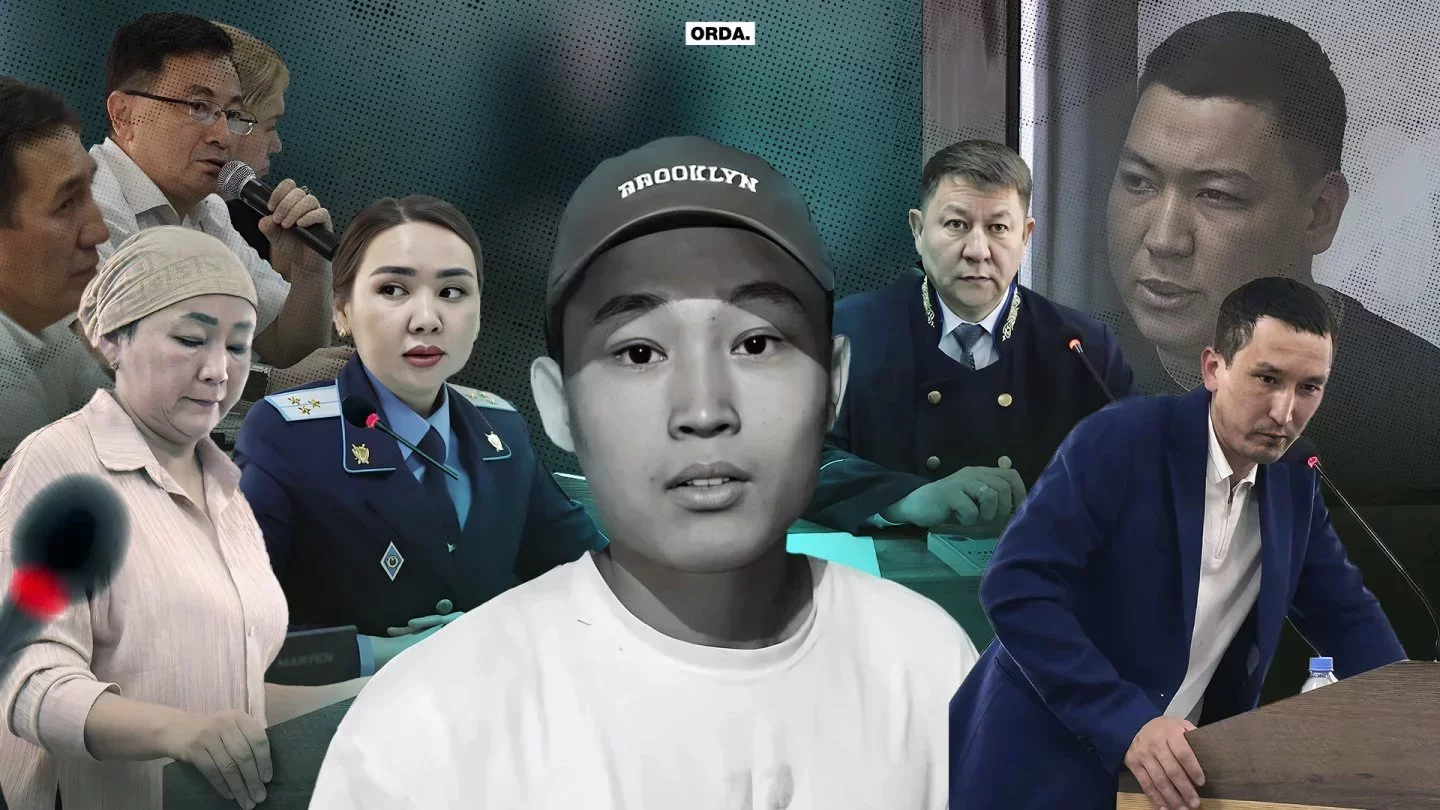
In 2024, the death of Sherzat Polat in Talgar reignited concerns. The Interior Ministry acknowledged that new approaches were needed.
By April 2025, the Majilis approved a bill to dissolve local police units and streamline operations. In June, President Toqayev announced plans to overhaul the prison system with a more rehabilitative approach.
What Remains
Despite years of proposals, budget allocations, and leadership changes, fundamental problems persist. Some services have improved. Infrastructure has modernized.
Incidents of violence and reports of abuse continue, however.
The intent to reform may be present, but all the necessary circumstances seem not to have come together: political will, public demand, working mechanisms, the system's readiness for change.
The relationship between the police and society is still undefined.
Reform seemed to be happening, but always slightly off the mark.
And perhaps the most unpopular conclusion is that in this system, everyone did what they could, while hopes remain that no similar tragedy would be repeated on a summer afternoon.
Original Author: Kamila Ermakhanova
Latest news
- Orda.kz Editorial Team to Cease Operations on September 1
- The Price of a Degree: How Students in Kazakhstan Pay for University
- Second Przewalski’s Horse Foal Born as Species Returns to Kazakhstan
- Kazakh Mining Companies Can Recalculate Purchases if Tenge Weakens
- Kazakhstan Names First Vice President in Three Decades
- What Almaty’s Bus Shelters Are Missing
- 400-Truck Queue Builds at Kazakh–Kyrgyz Border
- Kazakhstan Ready to Help Feed and Rebuild Gaza
- Tokayev Establishes New Presidential Security Body
- Almaty Takes Back Its Nearly Century-Old Hippodrome
- No More Guesswork on Savings: Kazakhstan Tightens Energy Audits for Businesses
- Public Money Could Be Used to Rescue Failing Kazakh Banks
- Third Kazakh Woman Reported Missing in Nepal-China Flood Zone
- Falconer Convicted Over 35 Protected Birds, Spared Punishment Under Amnesty
- Kazakh Citizen Detained in Yakutia in Phone Fraud Case
- Yuan Instead of Dollars? KazMunayGas Draws Record Demand in Asia
- China Gains Oil-Market Influence as OPEC+ Weakens
- Kazakhstan to Divide Smartphones Into White, Gray and Black Lists
- Kazakhstan’s Government Formally Resigns as First Kurultai Session Opens
- Rare Lynx Sighting Recorded in Northern Kazakhstan
