

Reuters: Chevron Weighs Bid for Lukoil’s Foreign Assets
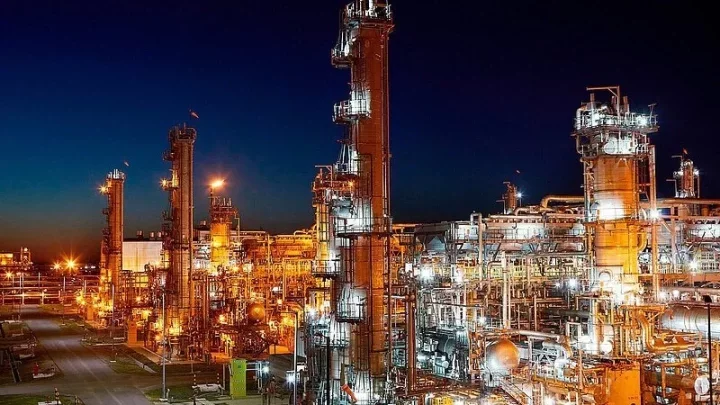 Photo: Kpo.kz
US energy giant Chevron is considering the possible purchase of Lukoil’s foreign assets, including stakes in major Kazakh oil and gas projects, Orda.kz reports, citing Reuters.
Sanctions imposed in October forced Lukoil to begin divesting parts of its overseas business. Last week, the US Treasury issued a license allowing potential buyers to hold negotiations with the company despite ongoing restrictions.
Reuters reports that Chevron is examining assets where it already partners with Lukoil — most notably stakes in Kazakhstan’s Karachaganak (13.5%) and Tengiz (5%) fields. These projects also involve Eni, Shell, and ExxonMobil.
In addition to Chevron, the investment firm Carlyle is also studying a potential acquisition of Lukoil’s global properties. These include three European refineries, stakes in oil projects in Iraq, Uzbekistan, Egypt, Mexico, and Nigeria, and hundreds of fuel stations around the world — including in the United States.
Rumors had circulated that KazMunayGas (KMG) was in talks to acquire Lukoil’s stake in the Karachaganak project.
However, the national company denied this:
Reports suggesting that KazMunayGas may buy Lukoil’s stake in the Karachaganak project are not true. At the same time, KMG and its partners are continuously analyzing the impact of sanctions on the project,
the company clarified.
A day earlier, Energy Minister Yerlan Akkenzhenov stated that the government is not discussing any purchase of Lukoil assets. He noted that major projects — Karachaganak, Tengiz, and CPC — were removed from the sanctions list, allowing operations to continue. Decisions about Lukoil’s overseas holdings have been postponed until mid-December, during which time the company must decide its own strategy.
As previously reported, US and UK sanctions could halt operations at Lukoil’s refinery in Burgas, Bulgaria — the company’s largest foreign asset.
KMG had earlier explored buying the plant. Bulgaria is currently experiencing a fuel shortage, and analysts believe that a sale could open the door for Kazakhstan’s crude to enter the European market.
The refinery can process up to 196,000 barrels per day and is compatible with Kazakh oil.
Original Author: Ruslan Loginov
Latest news
- Orda.kz Editorial Team to Cease Operations on September 1
- The Price of a Degree: How Students in Kazakhstan Pay for University
- Second Przewalski’s Horse Foal Born as Species Returns to Kazakhstan
- Kazakh Mining Companies Can Recalculate Purchases if Tenge Weakens
- Kazakhstan Names First Vice President in Three Decades
- What Almaty’s Bus Shelters Are Missing
- 400-Truck Queue Builds at Kazakh–Kyrgyz Border
- Kazakhstan Ready to Help Feed and Rebuild Gaza
- Tokayev Establishes New Presidential Security Body
- Almaty Takes Back Its Nearly Century-Old Hippodrome
- No More Guesswork on Savings: Kazakhstan Tightens Energy Audits for Businesses
- Public Money Could Be Used to Rescue Failing Kazakh Banks
- Third Kazakh Woman Reported Missing in Nepal-China Flood Zone
- Falconer Convicted Over 35 Protected Birds, Spared Punishment Under Amnesty
- Kazakh Citizen Detained in Yakutia in Phone Fraud Case
- Yuan Instead of Dollars? KazMunayGas Draws Record Demand in Asia
- China Gains Oil-Market Influence as OPEC+ Weakens
- Kazakhstan to Divide Smartphones Into White, Gray and Black Lists
- Kazakhstan’s Government Formally Resigns as First Kurultai Session Opens
- Rare Lynx Sighting Recorded in Northern Kazakhstan
