

Oskemen Recorded Over 1,000 Exceedances of Harmful Air Pollutants
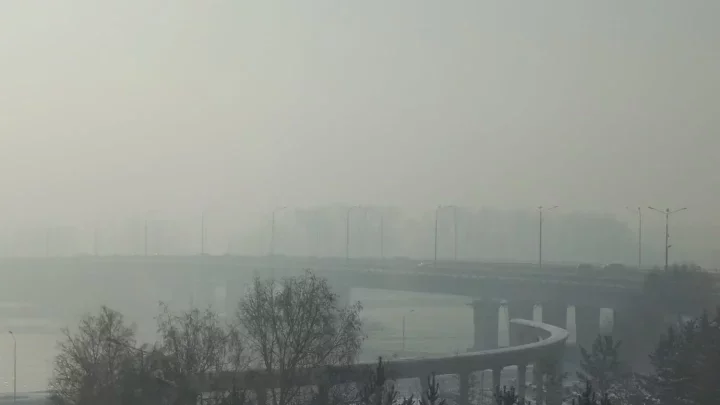 Photo: Orda.kz
The highest number of exceedances was recorded for hydrogen sulfide, Orda.kz reports
Kazhydromet has published the results of air quality monitoring in Oskemen for January this year. According to the monitoring network, high concentrations of hydrogen chloride and hydrogen sulfide were recorded in the regional centre’s atmosphere. Unfavorable meteorological conditions were recorded in the city for 15 days during the month.
«The largest number of exceedances of the maximum permissible one-time concentration limits (MPC) was recorded for hydrogen sulfide (543 cases), sulfur dioxide (456 cases), carbon monoxide (141 cases), hydrogen chloride (83 cases) and phenol (9 cases), „ the enterprise reported
Forecasters report that pollution levels this January are higher than in 2023, 2024 and 2025, despite them already being elevated during those years. Notably, from 2026 onwards, Oskemen schoolchildren were officially switched to distance learning during periods of unfavorable meteorological conditions.
At the national level, officials have also raised the issue of improving air quality in Kazakh cities that frequently face smog. For example, the Ministry of Ecology has proposed restricting daily private car use on roads during periods of unfavorable meteorological conditions.
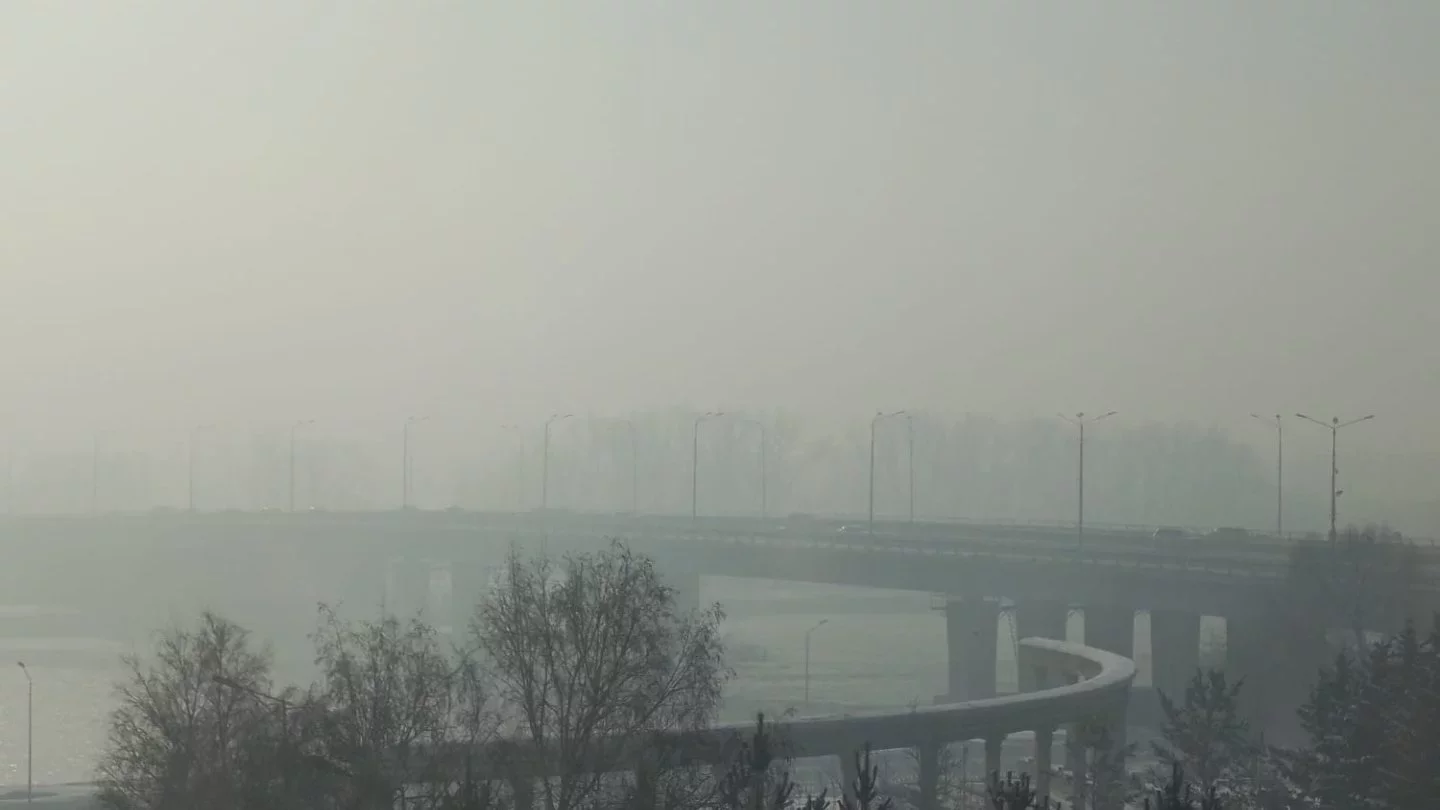
The agency said elevated air pollution was recorded in 11 cities nationwide, with the worst conditions in Almaty, Oskemen, Karaganda, Temirtau, and Aktobe. Environmental experts attribute a substantial share of emissions to small sources, including road traffic, private homes, and commercial facilities.
In response, the ministry is proposing an «odd–even» traffic restriction scheme for days with unfavorable meteorological conditions. Under this approach, vehicles with license plates ending in an even digit would be allowed on the roads only on even-numbered calendar days, and those ending in an odd digit only on odd-numbered days.
Other measures under consideration include banning coal and firewood in cafés, restaurants, and small boiler houses; transitioning public transport and taxis to gas or electric power; supporting households in switching to gas and connecting to central heating; and establishing «green belts» around industrial areas to help clean the air. Regional akims have been instructed to develop local regulations incorporating these steps.
Earlier, East Kazakhstan Region akim Nurymbet Saktaganov pledged to improve the region’s environmental conditions. Authorities have drawn up a three-year plan for Oskemen, with implementation expected to cost 10.5 billion tenge.
Original author: Elena Medvedeva
Latest news
- Orda.kz Editorial Team to Cease Operations on September 1
- The Price of a Degree: How Students in Kazakhstan Pay for University
- Second Przewalski’s Horse Foal Born as Species Returns to Kazakhstan
- Kazakh Mining Companies Can Recalculate Purchases if Tenge Weakens
- Kazakhstan Names First Vice President in Three Decades
- What Almaty’s Bus Shelters Are Missing
- 400-Truck Queue Builds at Kazakh–Kyrgyz Border
- Kazakhstan Ready to Help Feed and Rebuild Gaza
- Tokayev Establishes New Presidential Security Body
- Almaty Takes Back Its Nearly Century-Old Hippodrome
- No More Guesswork on Savings: Kazakhstan Tightens Energy Audits for Businesses
- Public Money Could Be Used to Rescue Failing Kazakh Banks
- Third Kazakh Woman Reported Missing in Nepal-China Flood Zone
- Falconer Convicted Over 35 Protected Birds, Spared Punishment Under Amnesty
- Kazakh Citizen Detained in Yakutia in Phone Fraud Case
- Yuan Instead of Dollars? KazMunayGas Draws Record Demand in Asia
- China Gains Oil-Market Influence as OPEC+ Weakens
- Kazakhstan to Divide Smartphones Into White, Gray and Black Lists
- Kazakhstan’s Government Formally Resigns as First Kurultai Session Opens
- Rare Lynx Sighting Recorded in Northern Kazakhstan
