

New Excise Taxes on Fuel to Take Effect in Kazakhstan on May 11
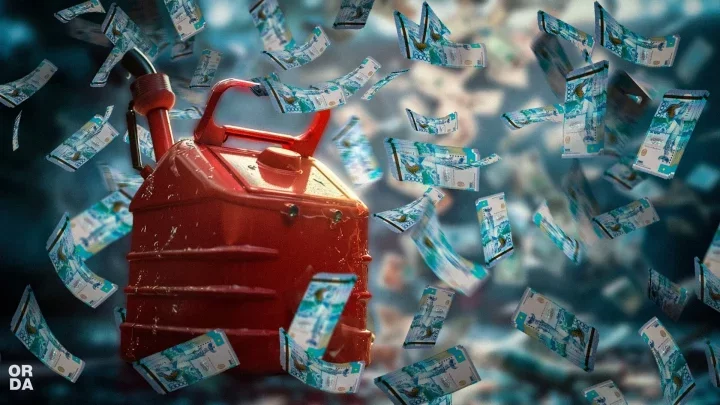 Photo: Orda.kz
New excise taxes on gasoline, diesel, and eco-fuel will come into force in Kazakhstan on May 11, Orda.kz reports.
The changes follow a government decision to reduce its initial plan.
Changes
According to Uchet.kz, the government’s April 28 resolution sets the following rates:
For wholesale sales by producers and imports:
- 38,134 tenge per ton of gasoline, benzanol, gasohol, naphtha, eco-fuel;
- 35,726 tenge per ton of diesel fuel.
For retail sales by producers:
- 38,634 tenge per ton of gasoline, benzanol, gasohol, naphtha, eco-fuel
- 35,786 tenge per ton of diesel fuel
For retail sales by individuals and legal entities, and for own production use:
- 500 tenge per ton of gasoline, benzanol, gasohol, naphtha, eco-fuel
- 60 tenge per ton of diesel fuel
Initial Plans
The Ministry of National Economy (MNE) initially proposed an 80% excise tax on gasoline and diesel profits as part of economic liberalization efforts. This measure aimed to direct most sellers’ earnings to the state budget by increasing prices.
However, economist Arman Beisembayev warned this could trigger a “price shock.”
The excise tax will take away most of the profits, and this will only motivate gasoline sellers to raise prices further to compensate for these withdrawals. Ultimately, this could lead to prices rising continuously, predicted Arman Beisembayev.
Fuel sellers countered that an 80% excise would make their businesses unprofitable and force constant price hikes. Ultimately, the authorities reduced the rate to 50%.
The Ministry of Energy also recalled that AI-92 gasoline and diesel price controls were lifted on January 30. The government expects this to improve investment conditions and support oil refining.
In this regard, the Ministry of National Economy has developed a draft resolution providing for the withdrawal of 50% of additional income from the increase in prices for AI-92 gasoline, summer and off-season diesel fuel into the budget, the Ministry of Energy reported.
The Ministry explained that the new excise taxes are aimed at “gradually equalizing prices,” and the additional funds raised will go toward social payments.
Original Author: Nikita Drobny
Latest news
- Orda.kz Editorial Team to Cease Operations on September 1
- The Price of a Degree: How Students in Kazakhstan Pay for University
- Second Przewalski’s Horse Foal Born as Species Returns to Kazakhstan
- Kazakh Mining Companies Can Recalculate Purchases if Tenge Weakens
- Kazakhstan Names First Vice President in Three Decades
- What Almaty’s Bus Shelters Are Missing
- 400-Truck Queue Builds at Kazakh–Kyrgyz Border
- Kazakhstan Ready to Help Feed and Rebuild Gaza
- Tokayev Establishes New Presidential Security Body
- Almaty Takes Back Its Nearly Century-Old Hippodrome
- No More Guesswork on Savings: Kazakhstan Tightens Energy Audits for Businesses
- Public Money Could Be Used to Rescue Failing Kazakh Banks
- Third Kazakh Woman Reported Missing in Nepal-China Flood Zone
- Falconer Convicted Over 35 Protected Birds, Spared Punishment Under Amnesty
- Kazakh Citizen Detained in Yakutia in Phone Fraud Case
- Yuan Instead of Dollars? KazMunayGas Draws Record Demand in Asia
- China Gains Oil-Market Influence as OPEC+ Weakens
- Kazakhstan to Divide Smartphones Into White, Gray and Black Lists
- Kazakhstan’s Government Formally Resigns as First Kurultai Session Opens
- Rare Lynx Sighting Recorded in Northern Kazakhstan
