

Mortality From Water and Hygiene Risks Increases in Kazakhstan
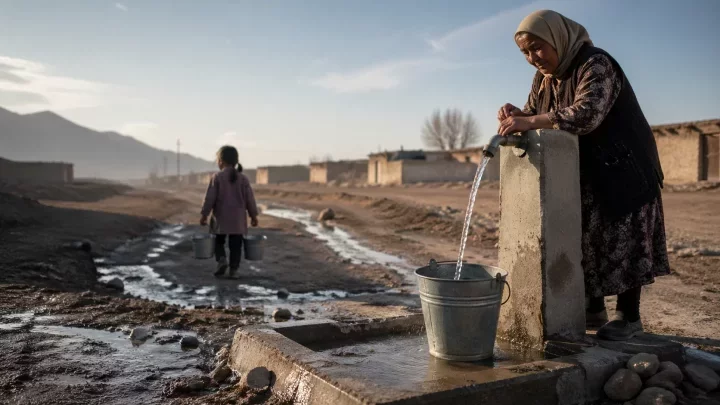 AI-generated illustration
Mortality linked to unsafe water, sanitation and hygiene in Kazakhstan increased in 2025, rising to 0.85 per 100,000 people from 0.75 a year earlier. The most critical situation was recorded in the Turkestan region, Orda.kz reports.
At the global level, analysts say progress on sustainable development goals has stalled. Every year, more than 1.4 million people die because of a lack of safe water, sanitation and hygiene. As the study notes, the heaviest toll falls on children under five, with about 1,000 dying every day worldwide.
According to the JMP 2025 report, about two billion people still do not have access to safe water, and the pace of progress must increase at least fivefold, the analysts said.
Against this backdrop, the situation in Kazakhstan remains less severe, but still unstable, the authors noted. In 2025, mortality linked to WASH factors rose to 0.85 per 100,000 people, compared with 0.75 a year earlier.
The most critical situation was recorded in the Turkestan region, where the figure reached 4.09 per 100,000 people, almost five times the national average. High levels were also recorded in the Karaganda region and in Shymkent. At the same time, in a number of other regions the figures remained significantly lower, reflecting uneven access to basic infrastructure and services.
Despite relatively low average figures, Kazakhstan faces systemic inequality in access to clean water, sanitation and hygiene. The most vulnerable groups are rural residents, older people and men, among whom the sharpest increase in mortality is recorded.the analysts said.
The gap between cities and villages was of particular concern. In 2025, the risk of death in rural areas was 3.4 times higher than in cities. Mortality also rose sharply with age. Among Kazakhstanis aged 60 to 64, the figure last year was 2.73 per 100,000 people; among those aged 65 to 69, it was 3.61; among those aged 70 to 74, 5.45; and among those aged 75 to 79, 8.24.
Original author: Daria Malkova
Read also:
Latest news
- Orda.kz Editorial Team to Cease Operations on September 1
- The Price of a Degree: How Students in Kazakhstan Pay for University
- Second Przewalski’s Horse Foal Born as Species Returns to Kazakhstan
- Kazakh Mining Companies Can Recalculate Purchases if Tenge Weakens
- Kazakhstan Names First Vice President in Three Decades
- What Almaty’s Bus Shelters Are Missing
- 400-Truck Queue Builds at Kazakh–Kyrgyz Border
- Kazakhstan Ready to Help Feed and Rebuild Gaza
- Tokayev Establishes New Presidential Security Body
- Almaty Takes Back Its Nearly Century-Old Hippodrome
- No More Guesswork on Savings: Kazakhstan Tightens Energy Audits for Businesses
- Public Money Could Be Used to Rescue Failing Kazakh Banks
- Third Kazakh Woman Reported Missing in Nepal-China Flood Zone
- Falconer Convicted Over 35 Protected Birds, Spared Punishment Under Amnesty
- Kazakh Citizen Detained in Yakutia in Phone Fraud Case
- Yuan Instead of Dollars? KazMunayGas Draws Record Demand in Asia
- China Gains Oil-Market Influence as OPEC+ Weakens
- Kazakhstan to Divide Smartphones Into White, Gray and Black Lists
- Kazakhstan’s Government Formally Resigns as First Kurultai Session Opens
- Rare Lynx Sighting Recorded in Northern Kazakhstan
