

Kyrgyzstan Proposes Central Asian Schengen: A Push for Unified Tourism and Regional Growth
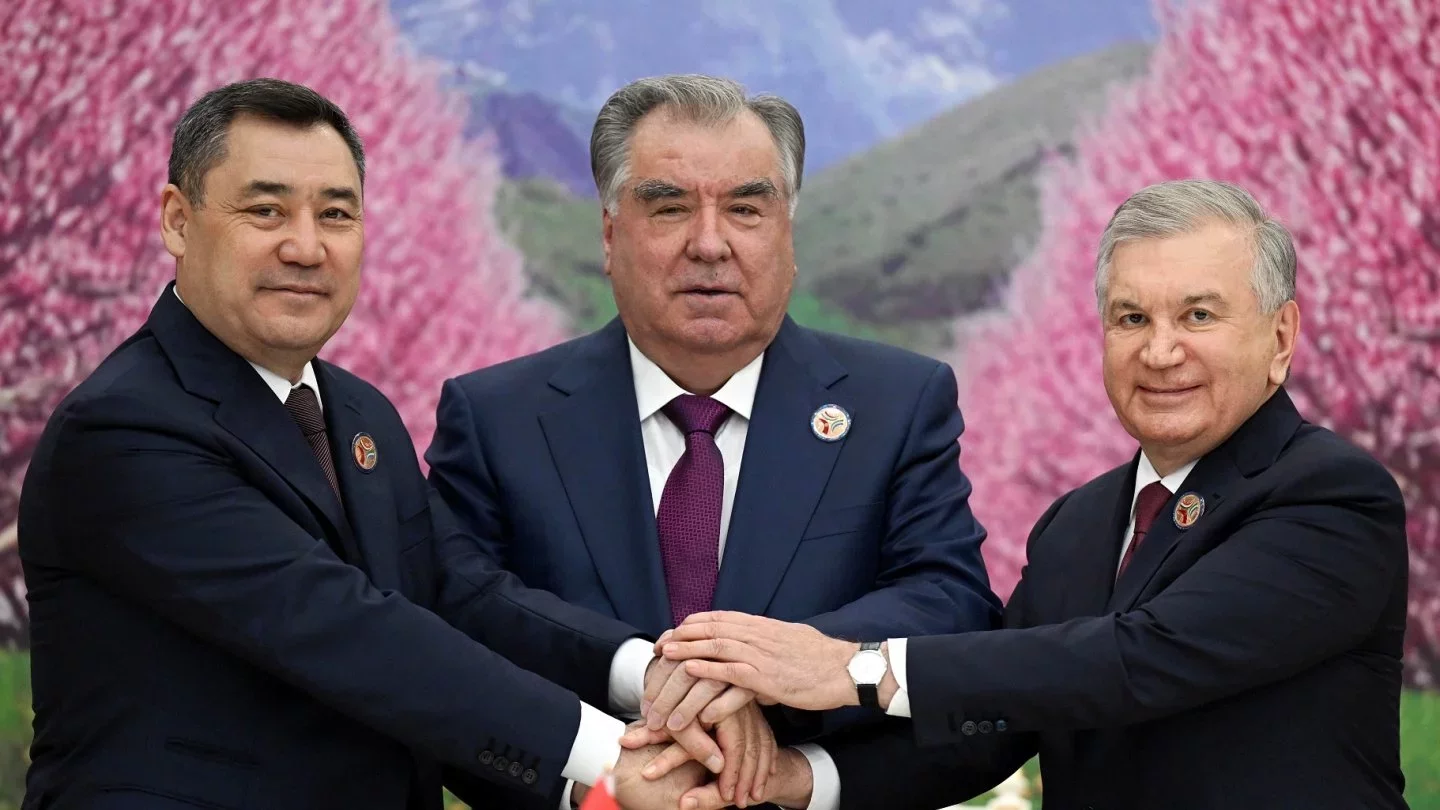 Photo: official website of the President of Kyrgyzstan
Kyrgyz President Sadyr Japarov has proposed creating a single Central Asian visa, modeled after the European Schengen system, to boost tourism and strengthen economic ties across the region, Orda.kz reports.
The initiative was announced during a trilateral summit in Khujand with the presidents of Kyrgyzstan, Tajikistan, and Uzbekistan. Japarov believes a unified visa system would simplify travel across the region, attract more tourists, and contribute to economic development.
As the saying goes: Alysky tuugandan zhakynky koshuna artyk — A close neighbor is better than a distant relative. Initiatives like this should become a tradition and be hosted in different parts of our countries, he said, emphasizing the importance of regional unity.
Japarov also highlighted ongoing infrastructure and economic projects in the region and pointed to the historical and cultural value of cities like Osh, Khujand, and Andijan. He suggested these cities could be developed into major tourist hubs under the single-visa system.
Japarov had made a similar proposal in mid-March.
The leaders agreed to deepen good-neighborly relations, expand cooperation, and pursue further regional integration.
Kyrgyz-Tajik relations were long strained, mainly due to unresolved border disputes. In September 2022, an armed conflict between the two countries resulted in dozens of casualties and the evacuation of over 130,000 residents from Kyrgyzstan’s Batken region.
Despite previous flare-ups, diplomatic efforts continued. In October 2022, a trilateral meeting in Astana between Kyrgyzstan, Tajikistan, and Russia saw Japarov express a willingness to resolve border issues peacefully.
However, tensions escalated again in 2023 following controversial statements by Kyrgyz officials.
The breakthrough came on March 13, 2025, when Japarov and Tajik President Emomali Rahmon signed a landmark agreement finalizing the long-disputed state border. The two leaders officially opened the border and resumed air travel — a move hailed as a significant step toward lasting peace and regional cooperation.
Original Author: Ruslan Loginov
Latest news
- Kazakhstan Explains How Russians Who Fled Mobilization Can Be Deported
- Kazakhstan and Japan discuss hydrogen partnership with export potential
- Russia Thanks Tokayev for Initiative to Support Russian Language
- Almaty Could Restrict Cars Under Beijing-Style Anti-Smog Plan
- Tigers in Kazakhstan Are in No Rush to Breed
- What Changes Are Being Prepared Under the New Tax Code
- Alcohol and Tobacco Prices in Kazakhstan See Sharpest Monthly Rise in 15 Years — Analysts
- Middle East Conflict Will Not Lead to Higher Gasoline Prices in Kazakhstan — Minister
- Five Regions of Kazakhstan Face Higher Flood Risk This Spring
- Kazakhstan Ratifies Turkic States Civil Protection Deal
- Astana Enters Top 100 Safest Cities as Smart City Project Expands
- Almaty Cameras to Record New Driver Violations Starting March 12
- Kazakhstan Suspended 11 Polling Stations Abroad Due to Middle East Escalation
- Kazakhstan’s Foreign Ministry Comments on Disappearance of Citizen After South Korea Factory Fire
- ChatGPT Among AI Tools Recommended for School Lessons in Kazakhstan
- Missing Kazakh Woman Found in Vietnam Four Days Later
- Seven-Year-Old Kazakh Girl Returned From Georgia Following Six Months of Diplomatic Efforts
- Kazakhstan Plans to Rent 11 Helicopters for 22 Billion Tenge Ahead of the Fire Season
- Flights Delayed and Canceled at Astana Airport Due to Bad Weather
- More Than 8,500 Kazakhstanis Evacuated From the Middle East
