

KazMunayGas Weighs Purchase of Lukoil’s Karachaganak Stake Amid Sanctions Pressure
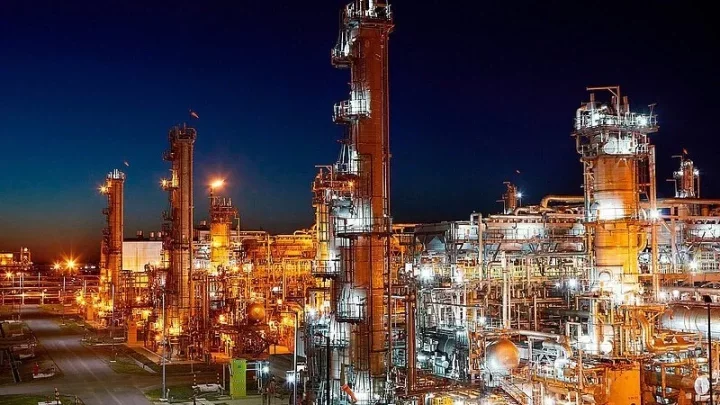 Photo: KPO
KazMunayGas is considering purchasing Lukoil’s 13.5% stake in the Karachaganak project, one of the world’s largest gas condensate fields, Orda.kz reports.
The stake — currently held alongside Eni, Shell, Chevron, and KMG — is valued at around $1 billion, according to Reuters. Lukoil is reviewing options to divest its Kazakh holdings, with early estimates suggesting a potential sale price below market value. As of early 2025, the net assets of Lukoil Overseas Karachaganak were valued at $1.05 billion.
The company posted $187 million in net profit for 2024, down from $202 million the previous year.
The possible sale follows the collapse of Lukoil’s agreement to sell its foreign assets to Switzerland’s Gunvor Group. The deal fell through after the U.S. Treasury accused Gunvor of links to the Kremlin — allegations the trader denied before withdrawing its offer.
As previously reported, the failed transaction has opened the door for Western or regional companies to pursue Lukoil’s assets in Kazakhstan. KazMunayGas, which holds a preemptive right, is seen as one of the main contenders.
Analysts note that selling assets is a safer path for Lukoil than attempting to navigate tightening sanctions.
For Kazakhstan, the prospect offers a chance to expand control over major oil and gas projects.
Beyond Karachaganak, Lukoil holds a 5% stake in Tengizchevroil, operates a lubricant plant in the Almaty region, and is a participant in the Caspian Pipeline Consortium.
U.S. sanctions will come into force on November 21, 2025. Kazakhstan’s Energy Ministry has stated that any new arrangements within the Karachaganak consortium will need to align with the sanctions framework. Restrictions have already disrupted Lukoil’s operations in several countries, including Bulgaria, Finland, and Iraq.
In Iraq, the company declared force majeure at the West Qurna-2 field after the cancellation of a four-million-barrel shipment, prompting layoffs of foreign staff.
Lukoil’s largest foreign asset — the refinery in Burgas, Bulgaria — also risks shutdown under upcoming sanctions.
While this has raised concerns about a fuel shortage in Bulgaria, it could create an opening for KazMunayGas, which previously explored acquiring the facility. The refinery is compatible with Kazakh crude and could serve as a strategic entry point into the EU market.
Amid these pressures, the UK has exempted Lukoil’s Kazakh holdings — including its shares in Tengizchevroil, Karachaganak, and the Caspian Pipeline Consortium — from sanctions until October 2027.
Original Author: Ruslan Loginov
Latest news
- Orda.kz Editorial Team to Cease Operations on September 1
- The Price of a Degree: How Students in Kazakhstan Pay for University
- Second Przewalski’s Horse Foal Born as Species Returns to Kazakhstan
- Kazakh Mining Companies Can Recalculate Purchases if Tenge Weakens
- Kazakhstan Names First Vice President in Three Decades
- What Almaty’s Bus Shelters Are Missing
- 400-Truck Queue Builds at Kazakh–Kyrgyz Border
- Kazakhstan Ready to Help Feed and Rebuild Gaza
- Tokayev Establishes New Presidential Security Body
- Almaty Takes Back Its Nearly Century-Old Hippodrome
- No More Guesswork on Savings: Kazakhstan Tightens Energy Audits for Businesses
- Public Money Could Be Used to Rescue Failing Kazakh Banks
- Third Kazakh Woman Reported Missing in Nepal-China Flood Zone
- Falconer Convicted Over 35 Protected Birds, Spared Punishment Under Amnesty
- Kazakh Citizen Detained in Yakutia in Phone Fraud Case
- Yuan Instead of Dollars? KazMunayGas Draws Record Demand in Asia
- China Gains Oil-Market Influence as OPEC+ Weakens
- Kazakhstan to Divide Smartphones Into White, Gray and Black Lists
- Kazakhstan’s Government Formally Resigns as First Kurultai Session Opens
- Rare Lynx Sighting Recorded in Northern Kazakhstan
