

Kazakhstan’s Largest Cities Face Growing Infrastructure Pressure
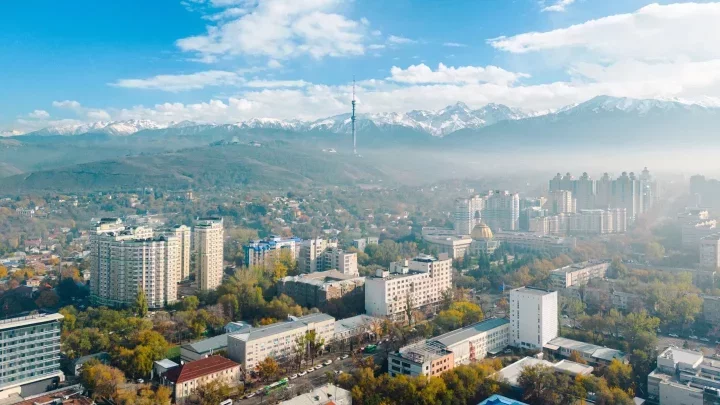 Photo: Elements.envato.com, ill. purposes
The metropolis may face serious infrastructure challenges in the next five years, Orda.kz reports, citing Energyprom.
Urbanization in Kazakhstan is advancing more rapidly than anticipated. Currently, 63.1% of the population resides in cities, exceeding the forecasted figure of 62.6%. If this trend continues, by 2030, 69% of Kazakhstan’s population could be living in urban areas.
As of May 1, 2025, 12.8 million people live in cities, while 7.5 million reside in rural areas. Astana and Almaty remain the primary destinations for internal migration.
Since Astana is being developed more actively, the process of urbanization for the capital does not yet bring such negative consequences as for Almaty. Firstly, more people are moving to the largest metropolis of the country. Secondly, the city is not yet able to provide the proper level of quality of life, housing, infrastructure for a large number of visitors,
analysts emphasize.
Over the past ten years, Almaty’s population has grown by 42.8%. The city now has 2.3 million residents, and with surrounding suburbs included, the figure exceeds three million.
The total population in the Almaty agglomeration already exceeds 3.8 million people. The annual growth is about 3%, which is twice as high as the national average. Particularly strong growth was recorded during the pandemic,
the experts note.
Experts predict that by 2030, Almaty’s population may reach 4.5 million, putting additional pressure on transportation, utilities, and the environment.
Population growth has not yet been matched by an increase in labor productivity. In 2024, Almaty’s productivity index remained nearly unchanged from 2019, at 99.9%. Only in 2023 was a 3.7% increase recorded.
Analysts refer to a classification of urbanization types by economist Yeldar Abdrazakov. He notes that there are examples of successful urbanization, such as in industrial cities like Shenzhen or New York, while in other cases, urban growth may lead to social tension if the city primarily acts as a consumer.
Labor productivity is currently highest in services, finance, and trade.
The key question raised is whether population growth will be accompanied by increased economic efficiency.
Further demographic growth of the Almaty agglomeration can only be justified if economic efficiency increases. In this large, cramped metropolis, only another metropolis can help. It is for these purposes that the new ‘smart’ city of Alatau is being built near Almaty,
analysts believe.
Original Author: Alexandra Mokhireva
Latest news
- Orda.kz Editorial Team to Cease Operations on September 1
- The Price of a Degree: How Students in Kazakhstan Pay for University
- Second Przewalski’s Horse Foal Born as Species Returns to Kazakhstan
- Kazakh Mining Companies Can Recalculate Purchases if Tenge Weakens
- Kazakhstan Names First Vice President in Three Decades
- What Almaty’s Bus Shelters Are Missing
- 400-Truck Queue Builds at Kazakh–Kyrgyz Border
- Kazakhstan Ready to Help Feed and Rebuild Gaza
- Tokayev Establishes New Presidential Security Body
- Almaty Takes Back Its Nearly Century-Old Hippodrome
- No More Guesswork on Savings: Kazakhstan Tightens Energy Audits for Businesses
- Public Money Could Be Used to Rescue Failing Kazakh Banks
- Third Kazakh Woman Reported Missing in Nepal-China Flood Zone
- Falconer Convicted Over 35 Protected Birds, Spared Punishment Under Amnesty
- Kazakh Citizen Detained in Yakutia in Phone Fraud Case
- Yuan Instead of Dollars? KazMunayGas Draws Record Demand in Asia
- China Gains Oil-Market Influence as OPEC+ Weakens
- Kazakhstan to Divide Smartphones Into White, Gray and Black Lists
- Kazakhstan’s Government Formally Resigns as First Kurultai Session Opens
- Rare Lynx Sighting Recorded in Northern Kazakhstan
