

Kazakhstan Plans Gas Industry Expansion by 2029
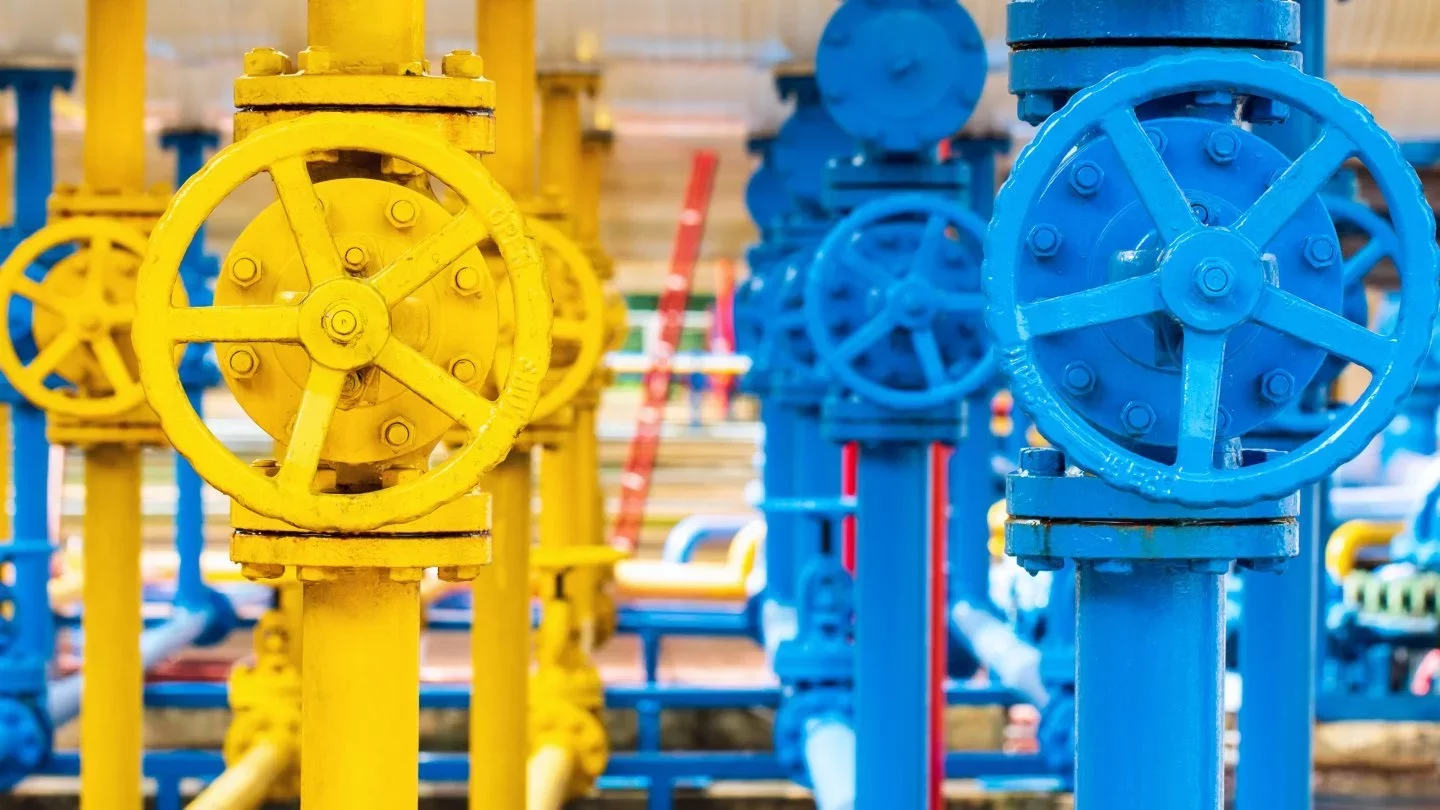 Photo: Elements.envato.com, ill. purposes
Kazakhstan aims to significantly expand its gas processing capacity by 2029, adding five billion cubic meters annually. The country will also boost its commercial gas reserves by 34.4 billion cubic meters and nearly double the number of gas-powered public transport vehicles, Orda.kz reports.
These goals are part of the government's comprehensive plan to develop the gas industry from 2025 to 2029, which was recently published for public discussion on the Open Normative Legal Acts portal. Feedback on the proposed plan will be accepted until March 27.
Key initiatives include extending gas supply networks into Kazakhstan’s northern and eastern regions, expanding existing pipelines, digitalizing the gas sector, and building new underground storage facilities.
By 2029, Kazakhstan expects more than 5,100 gas-powered buses, up from the current 2,700. The country also plans to establish local liquefied natural gas (LNG) production facilities.
Additionally, Kazakhstan intends to increase gas-generated electricity to 27% of its total energy production (around 40 billion kWh) within four years.
Kazakhstan plans legislative changes to attract more investment to its gas sector, including simplified regulations for subsoil users and regulated pricing for commercial gas from key fields. However, most citizens are likely more concerned about measures aimed at encouraging efficient gas usage, which could lead to higher tariffs and greater adoption of gas meters in households.
Kazakhstan is preparing several major projects to enhance its gas infrastructure in the coming years. In 2025, the country will commission the Barkhannaya gas field, followed by three additional fields — Pridorozhnoye, Zapadnaya Prorva, and Urikhtau — in 2027.
At Kashagan, two significant projects are planned for 2026: a gas processing plant with an annual capacity of one billion cubic meters at a cost of approximately 492 billion tenge and a facility for transshipping liquefied petroleum gas (LPG), capable of handling up to 700 thousand tons per year.
Additionally, another gas processing plant in Zhanaozen (capacity: 900 million cubic meters per year) is set for completion in 2027, while the construction of a major plant at Karachaganak (capacity: four billion cubic meters per year) will be finalized in 2029.
By 2028, Rudny will see the launch of a pilot plant producing liquefied gas, expected to reach 50 thousand tons annually.
The comprehensive plan also involves building new gas pipelines and compressor stations, modernizing the existing transit pipeline to Uzbekistan at 369 billion tenge, expanding underground gas storage, and collaborating with private companies to increase the availability of gas filling stations nationwide.
Moreover, Kazakhstan is considering eliminating cross-subsidies and revising existing restrictions that limit annual increases in the purchase price of raw materials by the national operator, QazaqGaz.
Recently, gas tariffs in the North Kazakhstan region increased by 25% following a court ruling permitting the local monopoly to raise prices.
Original Author: Nikita Drobny
Latest news
- Tokayev Says Elections to Kazakhstan’s New Parliament Will Be Held in August
- System Outage Leaves Foreigners Without IIN and Residence Permit Services in Kazakhstan
- Sowing 2026: What Kazakhstan Will Plant and How It Will Pay for It
- What Higher Foreign Labor Hiring Rates Could Mean for Kazakhstan
- First Soyuz-5 Launch From Baiterek Expected Soon
- Gas Went Up Despite A Tariff Freeze In Southern Kazakhstan
- Kazakhstan Expands Military Spending With A Focus On UAVs
- Who Is Now Protecting Investors In Kazakhstan
- No One Was Punished For LGBT Propaganda In Kazakhstan — Ministry Of Culture
- Can Kazakhstan Really Send Green Power To Europe Through The Black Sea?
- Why Kazakhstan’s Army Is Struggling To Win Over Young Recruits
- A New Transit Era May Cost Almaty Dozens Of Buildings
- From Patient Care To Italy Trips: Prosecutors Uncover Embezzlement Scheme In Astana
- Kazakhstan Clears The Sky For Turkish Military Transit
- Why Kazakhstan’s Financial Companies Are Being Pushed Toward Aitu
- What AI Found In Almaty’s Spring Air
- Kazakh Potato Shipment Turned Back At Kyrgyz Border
- Kazakhstan To Resume Raising Women’s Retirement Age
- How Many Conscripts Kazakhstan Plans To Draft This Spring
- Kazakhstan Will Not Hold A Military Parade On Victory Day This Year
