

Expert Weighs In on Kazakhstan's Nuclear Power Plant Plans
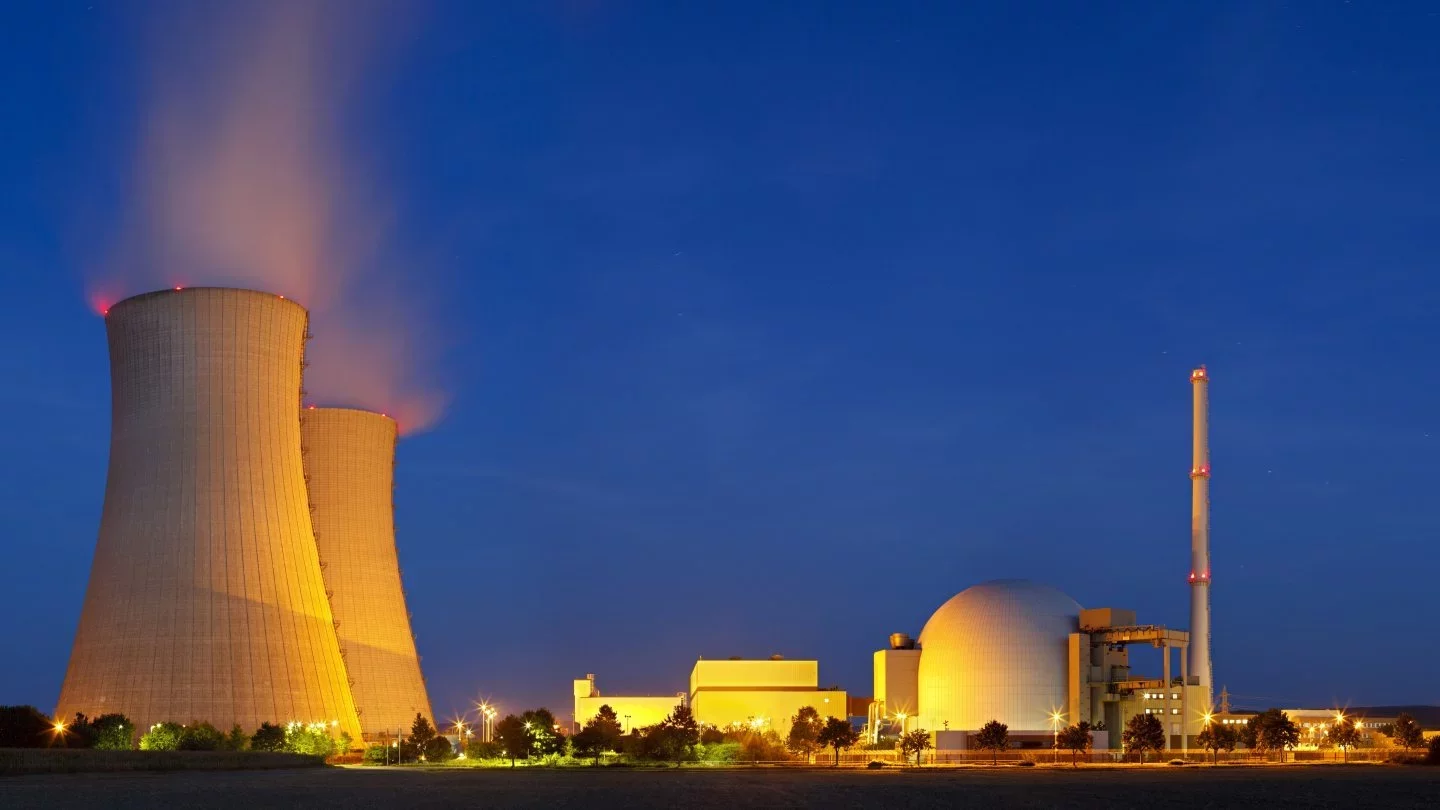 Photo: Elements.envato.com
Deputy Prime Minister Roman Sklyar recently announced that China’s state-owned CNNC is being considered as the leading candidate to build Kazakhstan’s second and third nuclear power plants. But experts still question whether deploying the "peaceful atom" on such a large scale is truly beneficial for the country, Orda.kz reports.
Oil and gas industry expert Nurlan Zhumagulov noted on his Telegram channel that while Kazakhstan has ambitious plans for building nuclear plants, it has yet to resolve key issues surrounding coal-based power generation — and renewable energy may actually be cheaper than nuclear.
The issues surrounding the financing of new coal-fired thermal power plants remain unclear (Russian company Inter RAO has been unable to secure an export loan for the construction of three thermal power plants in Kazakhstan). At the same time, Samruq-Energo will independently begin construction of the Kokshetau Thermal Power Plant. The Ministry of Energy has also re-announced a tender for the construction of the Ekibastuz GRES-3 with a planned capacity of 2.64 GW. Simultaneously, it reduced the required financial guarantee for applications to 15 billion tenge (0.5% of the project’s estimated cost — three trillion tenge). Applications are open until August 15, notes Nurlan Zhumagulov.
He emphasized that the projected capacity of Ekibastuz GRES-3 is comparable to what a nuclear plant would provide (2.4 GW), but its construction would cost half as much—and the electricity it generates would also be cheaper.
The maximum guaranteed tariff over 15 years is 19.3 million tenge per megawatt per month, which translates to 27 tenge per kilowatt. This is the ceiling rate, valid only for the initial 15-year period (to recover investment and generate profit). Then prices could potentially drop. Are three new nuclear power plants capable of operating under such pricing conditions? Unlikely. A single buyer would purchase electricity at these high rates and spread the costs across consumers. Meanwhile, we have sufficient coal reserves to last at least 300 years, but uranium reserves for only 30–40 years at current production levels. And on top of that, we don’t enrich uranium ourselves. Zhumagulov pointed out.
The expert doesn’t argue that Kazakhstan should abandon its nuclear development program altogether, but stresses that coal-fired plants — or a broader shift toward alternative energy — could, in theory, deliver the same power output at a significantly lower cost.
It’s hard to understand why Kazakhstan is chasing such expensive nuclear energy when gas (with at least 10 GW of CCGT capacity) and wind (at least 5 GW) are several times cheaper. Why does the country need three nuclear power plants? It’s clear that international financial institutions have stopped funding coal generation, but somehow we’ve started building the Kokshetau Thermal Power Plant on our own?, asks Nurlan Zhumagulov.
Original Author: Nikita Drobny
Latest news
- Kazakhstan Plans School-to-Civil Service Pipeline to Boost Youth Recruitment
- School Textbooks To Be Rewritten Again In Kazakhstan
- Suspect In Serial Fraud Case Extradited To Kazakhstan From Russia
- The National Bank Will Be Less Likely To Inform Kazakhstanis About Inflation
- Kazakhstan Extends Toll Road Payment Deadline
- Kazakhstan’s Industry Fell 3.1% In January–February Despite February Growth
- From Utilities to Security, Kazakhstan Approves New Smart Cities Methodology
- Tokayev Announced A Criminal And Administrative Amnesty Following The Adoption Of The New Constitution
- Tokayev Signed A Decree On The Implementation Of The New Constitution
- Casinos for Foreigners Only to Open in Kazakhstan
- Analysts Record a Sharp Surge in Immigration From China to Kazakhstan
- Baikonur Prepares To Launch Progress MS-33 Cargo Mission To The ISS
- Kazakhstani Scientists Are Preparing a Cancer-Prevention Supplement From Tomatoes and Watermelons
- Garbage Fines Now Fall Under Akimats: What the Changes Mean and What Risks Citizens Face
- CEC Announces Final Results Of Constitution Referendum
- Applications Begin For Bolashak And Scientific Internships In Kazakhstan
- Road Construction Violations Worth Hundreds of Billions of Tenge Uncovered in Kazakhstan
- Winter Paralympics End In Italy As Cortina Hosts Closing Ceremony
- CEC Announces Preliminary Results Of Vote On New Constitution
- Gasoline Has Risen In Price Again In Kazakhstan
