

ERG: Ibragimov and Chodiev Exchanged Court Claims
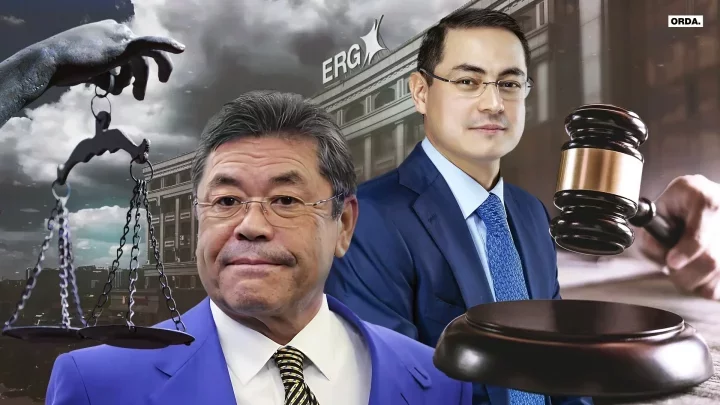 Photo: Orda
The internal power struggle within the once-dominant Eurasian Group — one of Kazakhstan’s most powerful oligarchic clans — is escalating. What began as boardroom disagreements has now spilled into the courts, with Shukhrat Ibragimov and Patokh Chodiev suing their own company to force opposite outcomes.
Boardroom Battle
At the center of the latest legal clash is the Eurasian Financial Company (EFCO), a key holding that manages a bank, two insurance firms, and a brokerage. Ownership of EFCO is split equally among the Eurasian trinity: Alexander Mashkevich, the late Alidzhan Ibragimov (now represented by his son Shukhrat), and Patokh Chodiev — each with 33.3% of the shares and voting power.
Earlier this year, Shukhrat Ibragimov successfully blocked efforts to restructure EFCO’s board, reportedly to stop a potential $1 billion sale to Freedom Finance, according to Bloomberg.
A court upheld his motion, freezing any major decisions at EFCO.
Now, Ibragimov is pushing to implement a June 2 board decision, while Chodiev is trying to nullify it. The exact nature of the decision remains undisclosed — there is no publicly available information.
The court sided again with Ibragimov, leaving Chodiev’s motion denied.
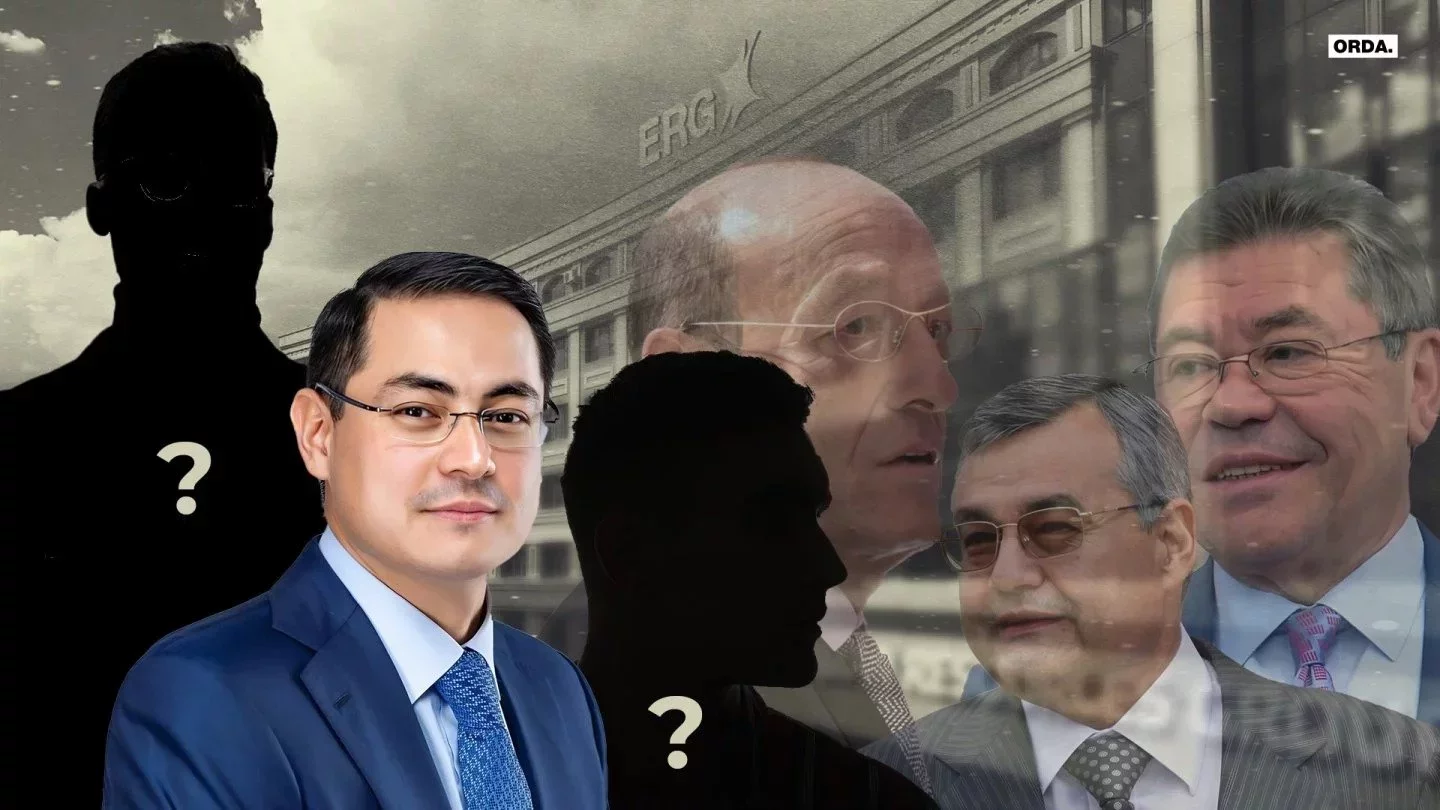
Whether by fortune or favor, Kazakhstan’s judiciary has now twice leaned toward Ibragimov. Whether that reflects legal merit or political gravity in Astana remains an open question.
The Bigger Prize
EFCO may be the legal battleground, but the real prize is ERG — a sprawling mining and metals giant and Kazakhstan’s largest employer.
Reuters recently reported that American businessman James Cameron had expressed interest in acquiring ERG for $5 billion — a potentially strategic play amid rising tensions with China over rare earth metals. But Cameron’s ties to Russian oligarchs raise questions: Is this a geopolitical gambit, or just a price tag floated by the Mashkevich and Chodiev camps to test the market?
ERG is 40% state-owned, with the remaining 60% split among Chodiev and the heirs of Ibragimov and Mashkevich. Shukhrat Ibragimov, who took the reins at ERG last year, has made it clear he wants to keep the company — with government support.
Meanwhile, the other two families, long distanced from Kazakhstan and now based in Belgium and the UK, appear willing to cash out — reportedly asking $1 billion each for their shares.
Shukhrat’s camp seems unwilling to pay. And so, the bargaining continues — over EFCO, over ERG, over the very future of the group.
In a possible sign of upcoming transactions, three ERG subsidiaries — Kazchrome, Shubarkol Komir, and Zhairem Manganese — recently delisted from the Kazakhstan Stock Exchange.
These companies had little trading activity but were still subject to disclosure laws. Their delisting removes that requirement — and possibly opens the door to collateralizing the assets for future deals.
He Had A Way
ERG’s founding trio had its own internal differences, but they built an empire through unity, pragmatism, and mutual need.
Mashkevich, in particular, was known for his remarkable interpersonal skill — a quality forged during his time studying educational psychology in Soviet Kyrgyzstan. He could bridge worlds: from post-Soviet gangsters to Western bankers.
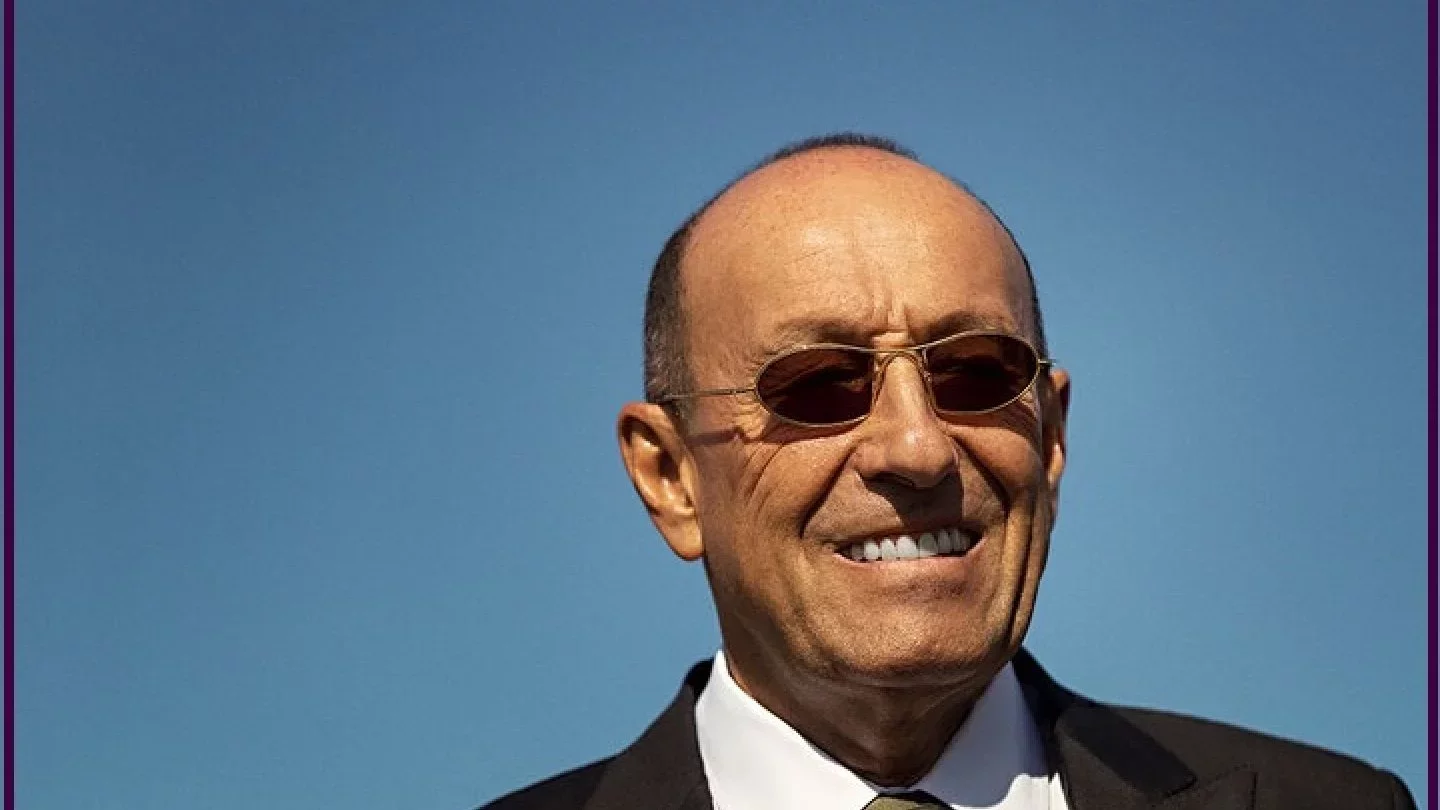
In one telling 2022 moment, he publicly embraced Aqtobe’s Akim like an old friend — a gesture that revealed just how deeply connected he remained in Kazakhstan despite his London and Brussels addresses.
But that era has passed. Today, his successor is his nephew Eduard Surlevich, a Moscow-born MGIMO graduate who has spent years in London. Whether Surlevich can understand — let alone lead — operations in the Kazakh heartland is uncertain.
Chodiev, too, is believed to have stepped back, handing off responsibilities to his children Mounissa and Sabir. By contrast, Shukhrat Ibragimov — young but aggressive — is leaning in, and has earned clear favor in Astana.
A Fractured Legacy
Where the founders once compromised, the heirs are now at odds. A generational split seems to be surfacing. Each heir now pulls in their own direction — abandoning the unified front that once made ERG so powerful.
Original Author: Dmitry Kim
Latest news
- Orda.kz Editorial Team to Cease Operations on September 1
- The Price of a Degree: How Students in Kazakhstan Pay for University
- Second Przewalski’s Horse Foal Born as Species Returns to Kazakhstan
- Kazakh Mining Companies Can Recalculate Purchases if Tenge Weakens
- Kazakhstan Names First Vice President in Three Decades
- What Almaty’s Bus Shelters Are Missing
- 400-Truck Queue Builds at Kazakh–Kyrgyz Border
- Kazakhstan Ready to Help Feed and Rebuild Gaza
- Tokayev Establishes New Presidential Security Body
- Almaty Takes Back Its Nearly Century-Old Hippodrome
- No More Guesswork on Savings: Kazakhstan Tightens Energy Audits for Businesses
- Public Money Could Be Used to Rescue Failing Kazakh Banks
- Third Kazakh Woman Reported Missing in Nepal-China Flood Zone
- Falconer Convicted Over 35 Protected Birds, Spared Punishment Under Amnesty
- Kazakh Citizen Detained in Yakutia in Phone Fraud Case
- Yuan Instead of Dollars? KazMunayGas Draws Record Demand in Asia
- China Gains Oil-Market Influence as OPEC+ Weakens
- Kazakhstan to Divide Smartphones Into White, Gray and Black Lists
- Kazakhstan’s Government Formally Resigns as First Kurultai Session Opens
- Rare Lynx Sighting Recorded in Northern Kazakhstan
