

Asar Tradition: Oskemen Residents Build Bridge Together
 Photos provided by Kydyrgazy Baimuratov
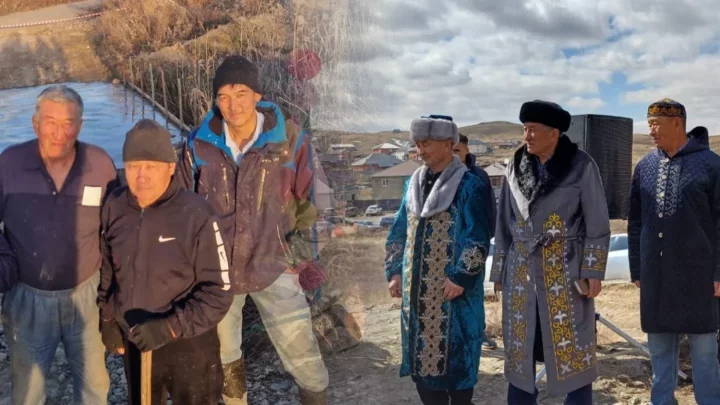
In Oskemen, residents built a bridge across a ditch with their own hands after repeated appeals to the akim’s office brought no results. They decided to rely on the traditional Kazakh custom of asar — a community coming together to complete a common task.
Aksakal Kydyrgazy Baimuratov, who participated in the construction, told an Orda.kz journalist about the cost and effort behind the community project.
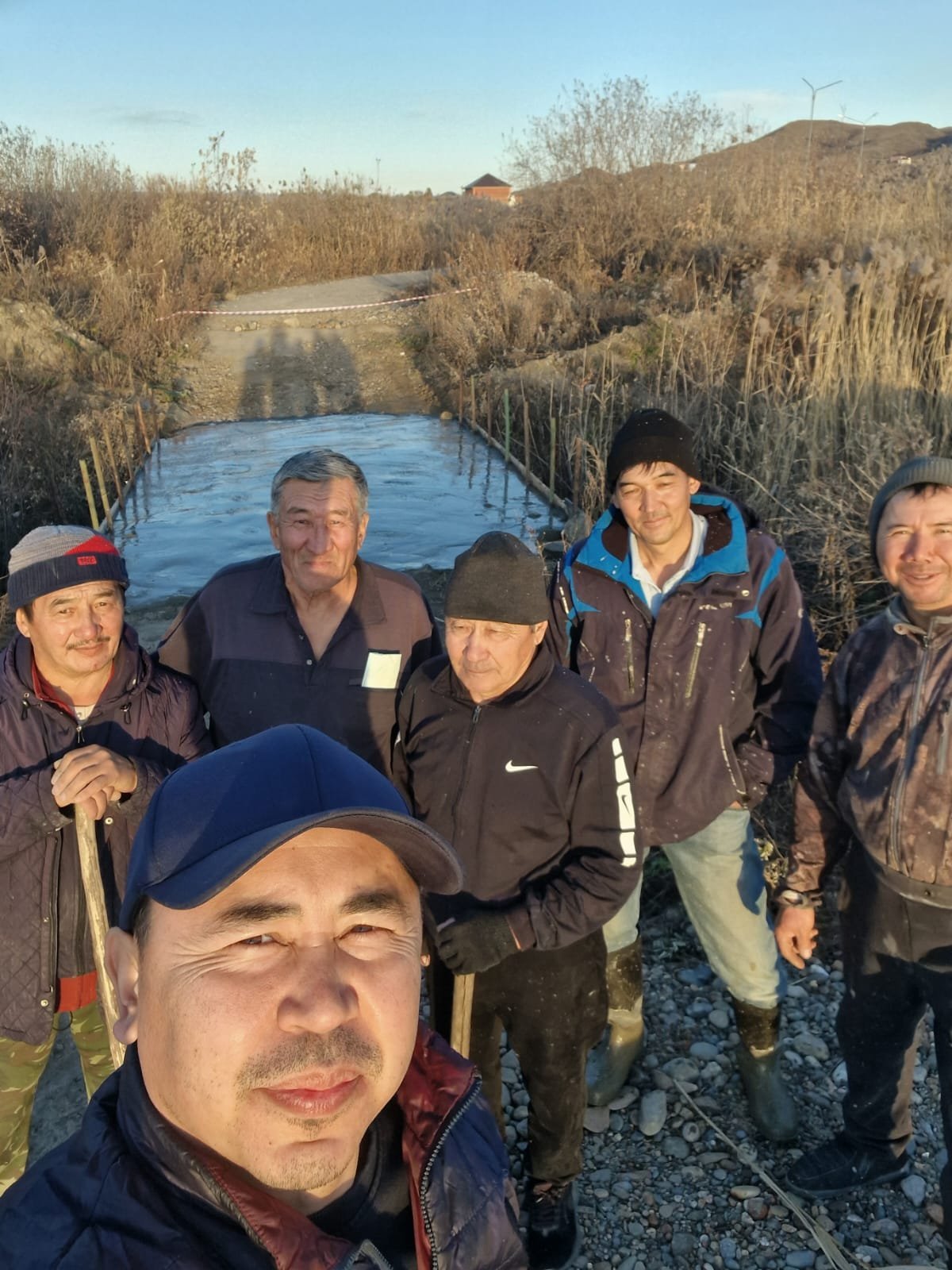
For several years, residents had asked the city administration to build a crossing in the 20th microdistrict but were always told the project was too expensive.
Meanwhile, people were forced to make a five-kilometer detour. The area is marshy, with a stream running through it, and without a bridge, commuting to work became difficult and costly, wasting time and fuel.
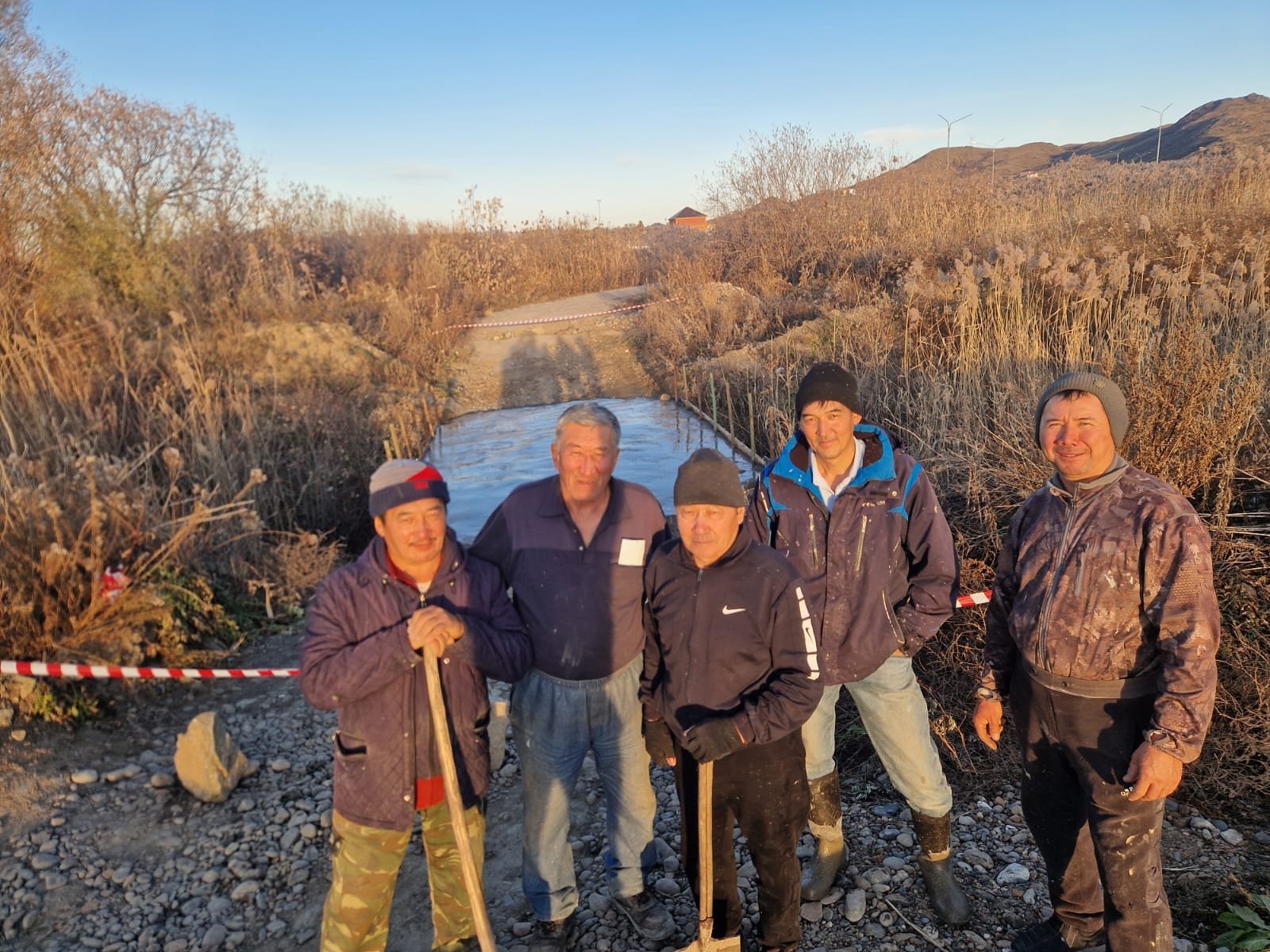
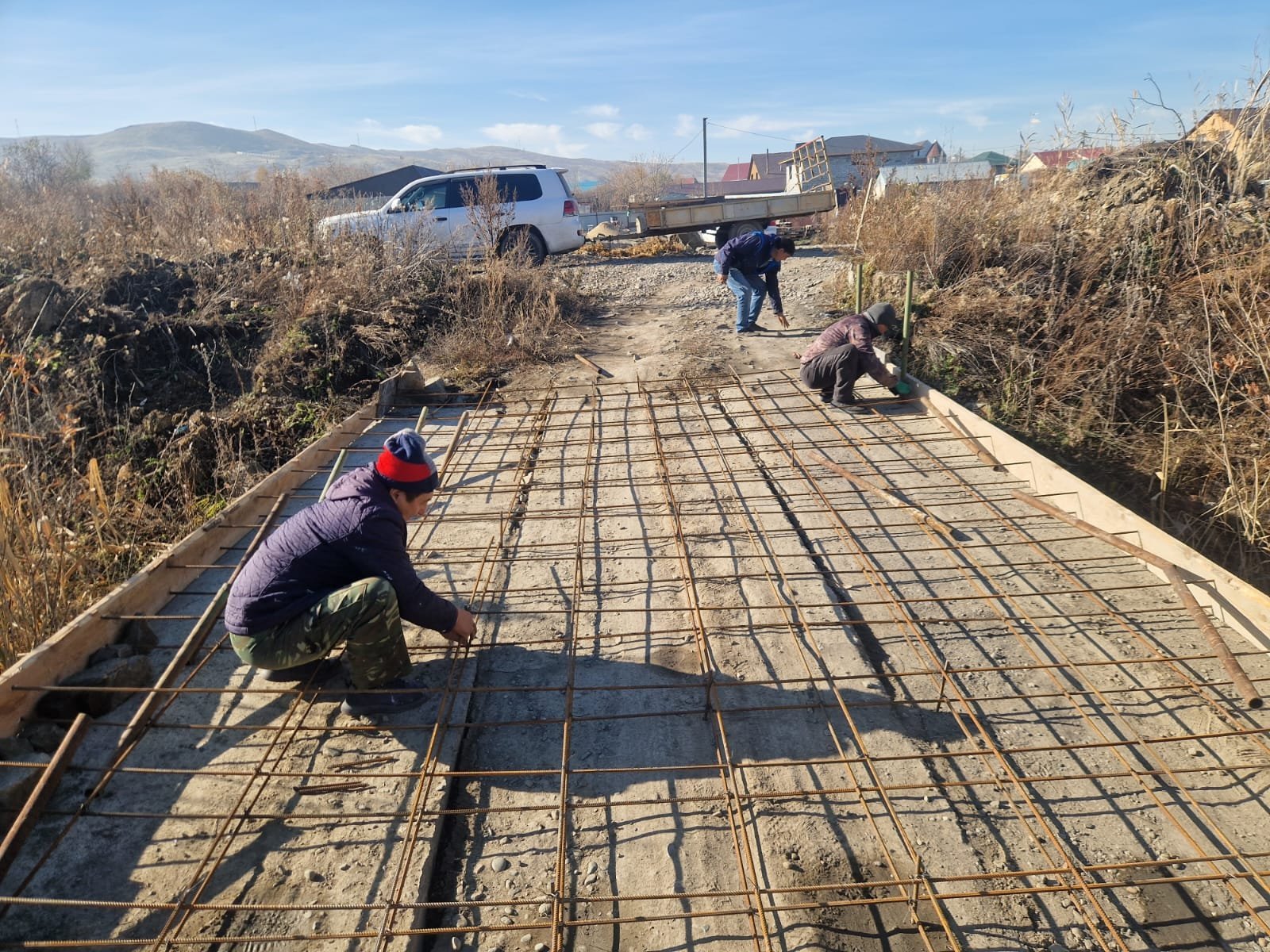
Baimuratov, who has lived in the neighborhood since 2014, built his own home and was elected by neighbors as their elder. He also serves on the city’s public council.
The community has faced numerous utility problems but has repeatedly solved them independently. For example, residents once built a natural spring at their own expense — digging a concrete trench and installing a pipe.
Now, people even come from downtown for clean water. The same approach was taken with the bridge.
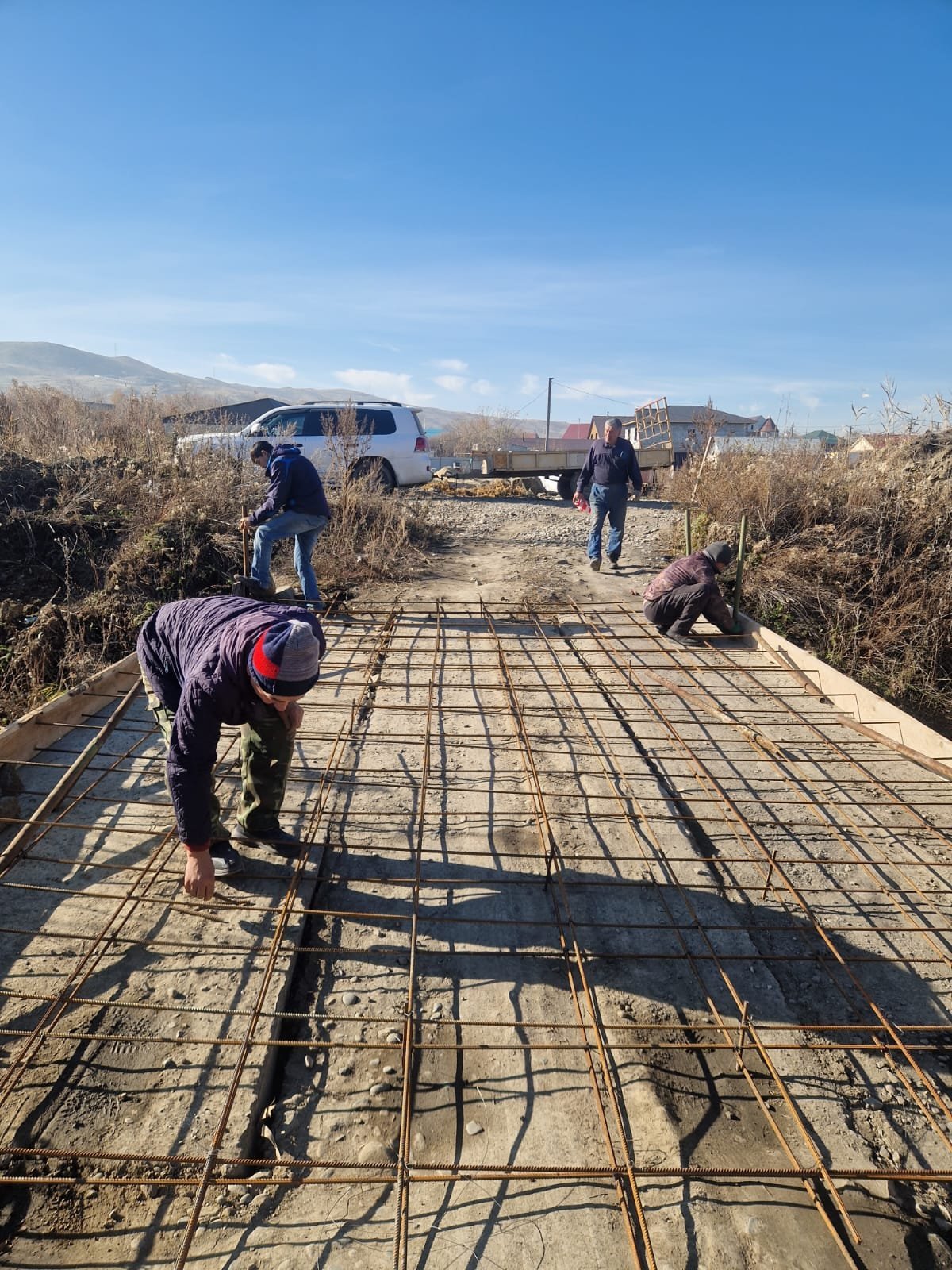
Last year, we got together as a group, chipped in, and purchased floor slabs and foundation blocks. We had our own equipment. So, we built a bridge for passenger vehicles. The cost was approximately 600,000 tenge,
said Kydyrgazy Baimuratov.
Over time, trucks carrying groceries to a nearby store began using the bridge, prompting residents to strengthen the structure.
They collected funds again, bought additional materials, and reinforced the bridge on Republic Day, once more using the Asar method. In total, the bridge cost residents around 880,000 tenge — a fraction of what a government project would have cost.
We’ve proven in practice that residents can unite, work together, and celebrate together — for example, by holding New Year and Nauryz events as a community,
Baimuratov added.
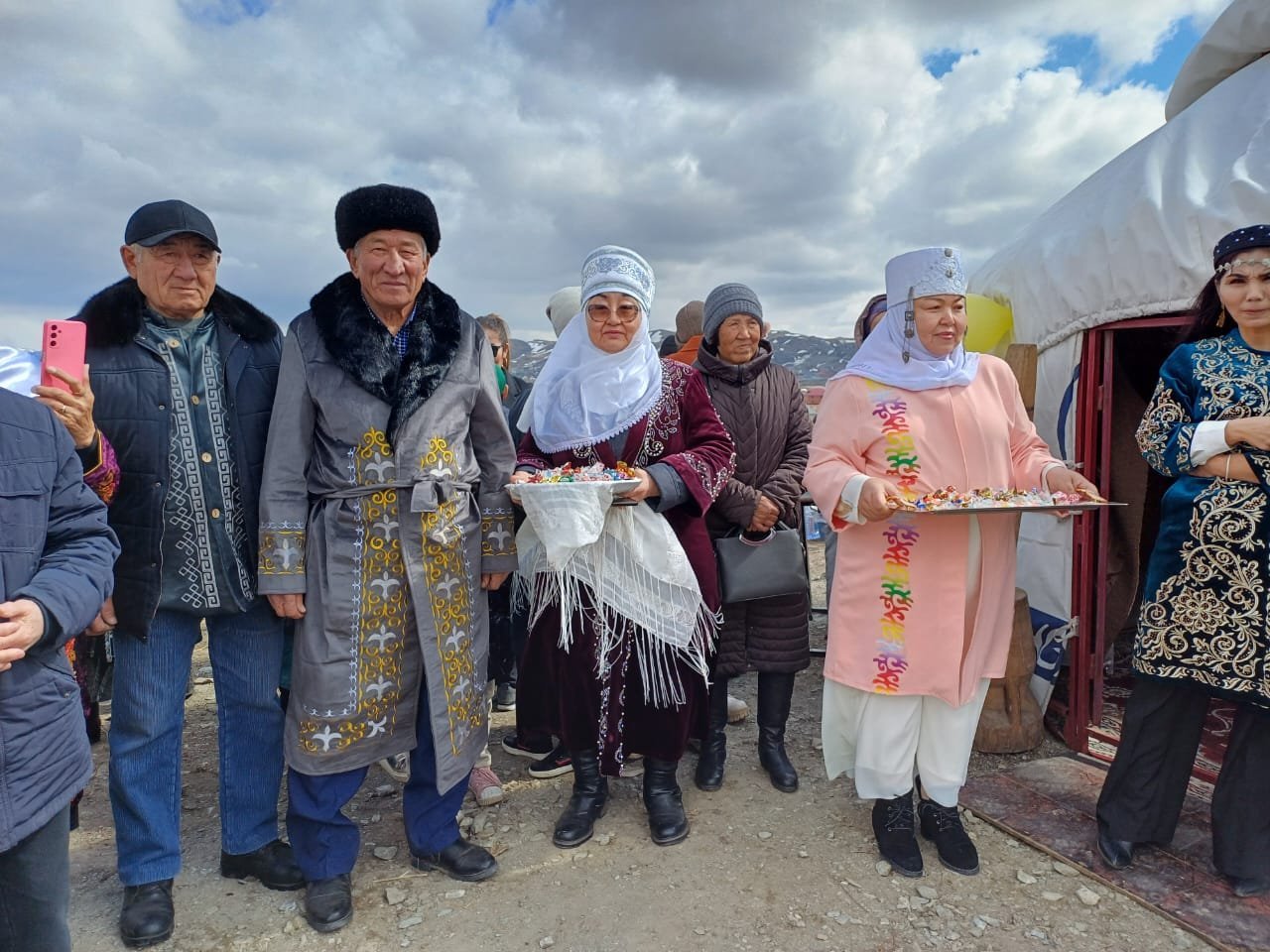
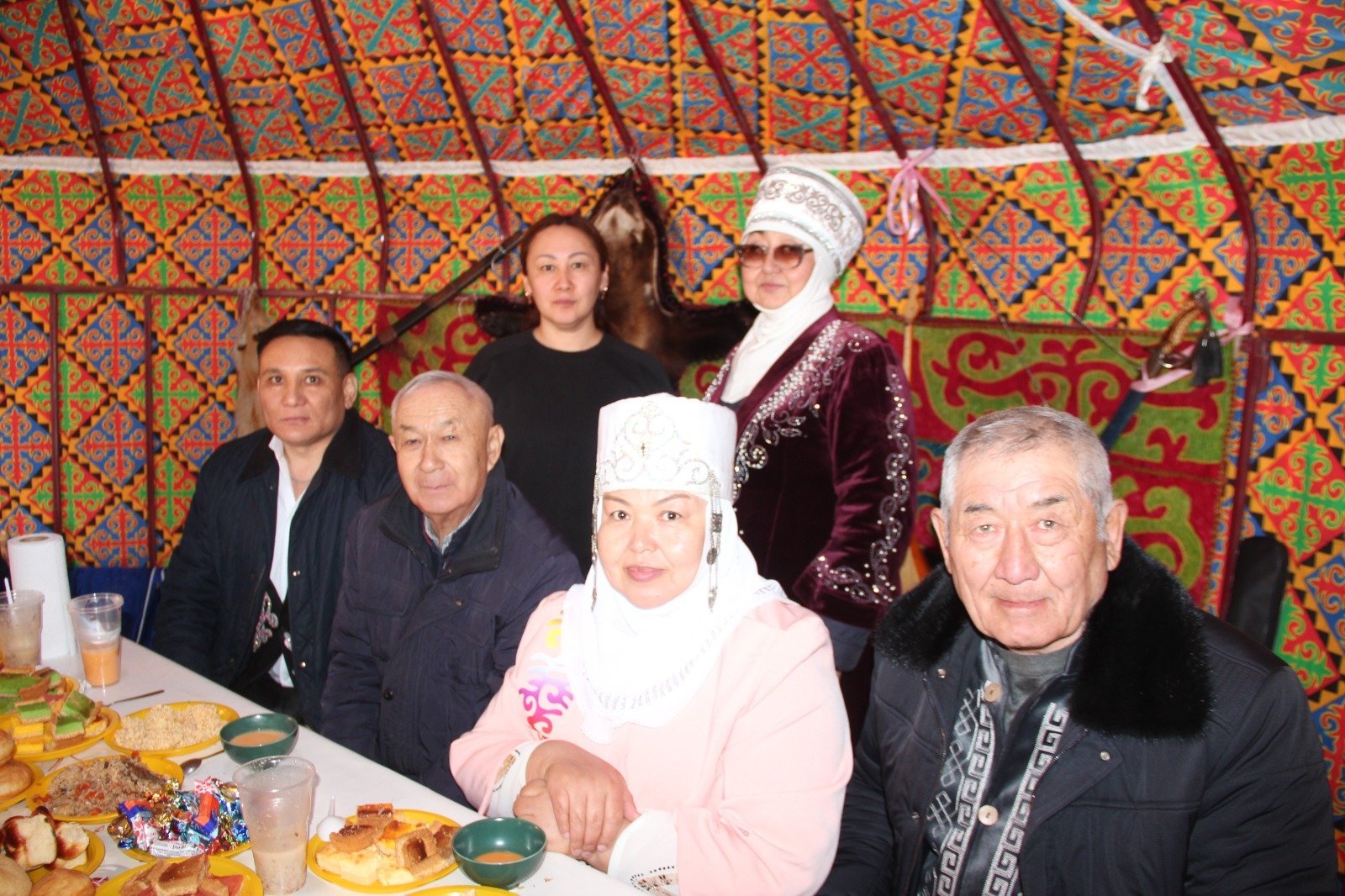
Residents not only built the bridge through the Asar tradition but also later oversaw a public inspection when city funds were allocated for local road repairs.
The road was built to a high standard and remains durable. Unlike many new roads that develop cracks and potholes within a year, this one has held up well thanks to community oversight.
Original Author: Elena Medvedeva
Latest news
- Orda.kz Editorial Team to Cease Operations on September 1
- The Price of a Degree: How Students in Kazakhstan Pay for University
- Second Przewalski’s Horse Foal Born as Species Returns to Kazakhstan
- Kazakh Mining Companies Can Recalculate Purchases if Tenge Weakens
- Kazakhstan Names First Vice President in Three Decades
- What Almaty’s Bus Shelters Are Missing
- 400-Truck Queue Builds at Kazakh–Kyrgyz Border
- Kazakhstan Ready to Help Feed and Rebuild Gaza
- Tokayev Establishes New Presidential Security Body
- Almaty Takes Back Its Nearly Century-Old Hippodrome
- No More Guesswork on Savings: Kazakhstan Tightens Energy Audits for Businesses
- Public Money Could Be Used to Rescue Failing Kazakh Banks
- Third Kazakh Woman Reported Missing in Nepal-China Flood Zone
- Falconer Convicted Over 35 Protected Birds, Spared Punishment Under Amnesty
- Kazakh Citizen Detained in Yakutia in Phone Fraud Case
- Yuan Instead of Dollars? KazMunayGas Draws Record Demand in Asia
- China Gains Oil-Market Influence as OPEC+ Weakens
- Kazakhstan to Divide Smartphones Into White, Gray and Black Lists
- Kazakhstan’s Government Formally Resigns as First Kurultai Session Opens
- Rare Lynx Sighting Recorded in Northern Kazakhstan
