

A Safe Haven for Money: Issues with Investment in Kazakhstan.
 bicc.co
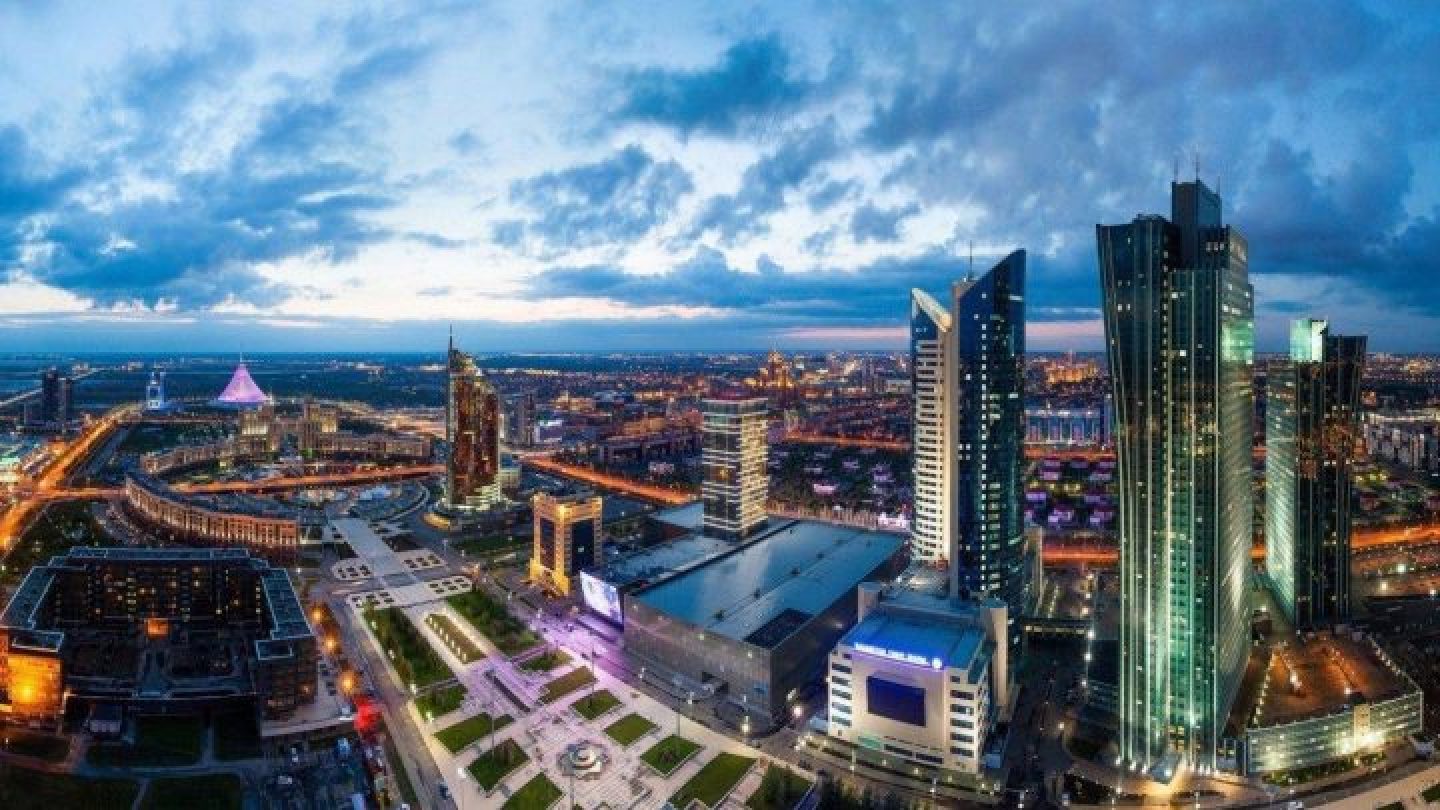
Is it possible to call the investment climate of Kazakhstan favourable after The January Events? To what extent does Kazakhstan create conditions for foreign business? Orda.kz looked into the matter.
According to the 2022 report of the well-known audit company Ernst & Young, Kazakhstan leads the list in Central Asia as the most attractive country for investment. Our country accounts for about 70% of foreign investment in the region.
On average, excluding the pandemic year, Kazakhstan annually attracts about 20-23 billion USD. But in 2022, the amount of foreign direct investment (FDI) is tentatively estimated at $27 billion. Financial analyst and expert of the international brokerage group Tickmill, Arman Beisembayev, ties this to the energy crisis, which led to an increase in oil prices.
"Naturally, against this backdrop, they started investing quite actively in the oil and gas industry,"
Beisembayev clarified.
Last year, after the outbreak of the war in Ukraine, most Western countries imposed sanctions against Russia and began to shun their oil and gas, which led to the energy crisis.
The January Events, on the other hand, did little to frighten foreign investors. According to Zhandos Temirgali, Deputy Chairman of the Board of KAZAKH INVEST National Company JSC, not a single investor left the country in 2022. The President of the country should be given credit: after the January events, Toqayev immediately began to send a positive signal to the world, announcing broad democratic reforms.
"Investors may also like it if we start building, or at least trying to build, an adequate country with functioning institutions, market mechanisms, courts where you can protect your rights,"
Arman Beisembayev says.
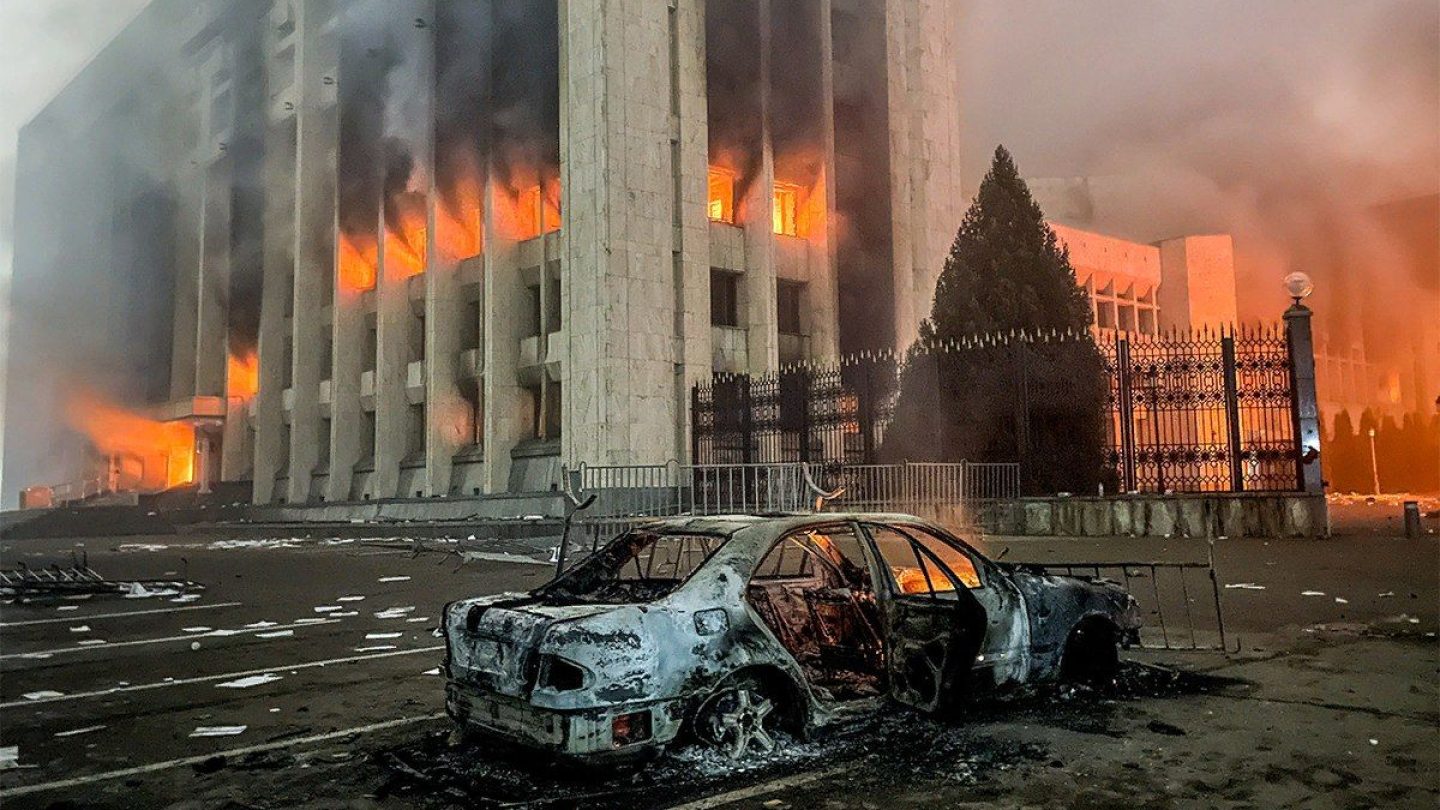
Toqayev stated with full confidence that "all conditions have been created in Kazakhstan to attract foreign direct investment." Problems have nonetheless gone nowhere. As Deputy Foreign Minister Almas Aidarov said, the judicial system, corruption and infrastructure are among the top problems that investors identify. According to the lawyer and partner of GRATA International, Yerzhan Yessimkhanov, foreign investors try to avoid dispute resolution in Kazakhstan's courts:
"This is due not only to corruption risks but also to the fact that the term of consideration of the case in the court of first instance is only two months, which in practice includes 3-4 sessions. It is not possible to effectively consider a complex investment dispute in such a short time."
Lawyer Bakhyt Tukulov in his practice notes a trend "when state courts support state bodies where the subject of dispute concerns payments to the state budget, for example, tax payments, payments for emissions into the environment, administrative fines and other disputes where the interests of the state are affected."
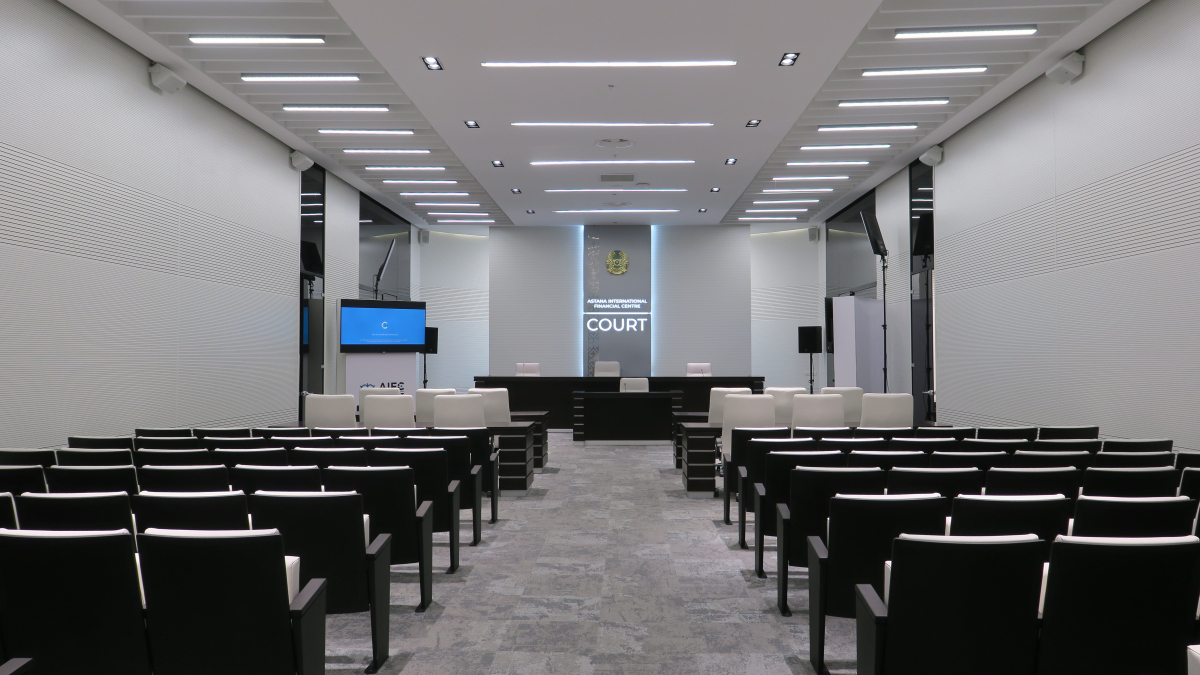
If Kazakhstan's courts do not suit them, then foreigners can apply to international courts. The court of the Astana International Financial Center, which is not part of the judicial system of the state, operates in the capital.
"But it still has a rather insignificant practice in investment disputes,"
says lawyer Yessimkhanov.
There is also international commercial arbitration, or ICSID, which is considered the most authoritative organization in the field of investment dispute resolution. However, there is also an obstacle: the Kazakhstani side does not agree with the choice of these institutions in large investment projects. Meanwhile, as Yessimkhanov recalls, Kazakhstan ratified the ICSID Convention back in 2000 precisely with the aim of increasing investment attractiveness.
"Kazakh government agencies often perceive ICSID as an institution that mainly supports the interests of investors, not the state. However, it always depends, first of all, on the circumstances of the case."
For example, when the Ministry of Energy negotiated with the Austrian company Borealis on the construction of a gas chemical complex in the Atyrau region, the consideration of disputes in the International Investment Court was one of the issues that caused controversy. The Austrian side wanted the cases to be decided in the international court and the Kazakh side did not.
Based on the judicial system, investors are not satisfied with the uncertainty and frequent variability of Kazakhstan's tax policy. According to Gulsara Ryskeldinova, Manager of the Tax and Law Department of Deloitte, the issue of taxation of payments to non-residents for various services is a source of serious concern for foreign investors. The legislation in the country is arranged in such a way that even due to an underpayment of a thousand tenge in tax, an administrative case can be initiated against the company.
For example, in February in Shymkent, Chinese investors said that due to debt, the tax committee invalidated the re-registration of their company. Meanwhile, according to a survey by Earnst Young, the degree of flexibility of tax authorities in emerging complex or controversial situations is an important factor determining the attractiveness of a country in terms of investment.
"Both industry and tax regulation in Kazakhstan often change. The practice of applying legislation by tax authorities and courts is not done in favour of the investor,"
Yerzhan Yessimkhanov said.
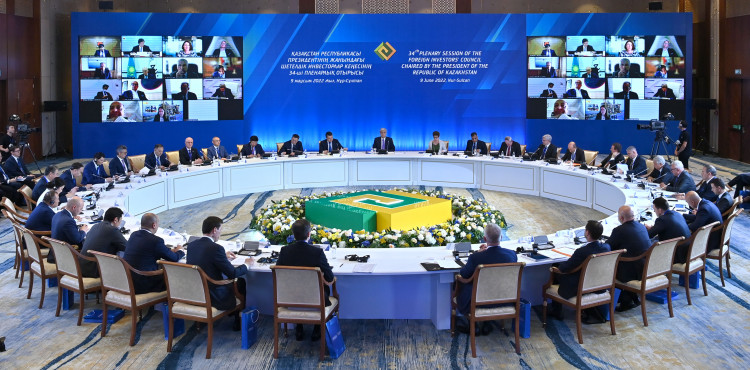
Back in 2014, former President Nursultan Nazarbayev, speaking at the 27th plenary session of the Council of Foreign Investors, noted that investors would be guaranteed the stability of legislation with respect to increasing the rates of all taxes and payments, except for value-added tax and excise taxes. But new amendments are constantly being introduced to the tax code. In February 2023, Prime Minister Alikhan Smailov, who is also an investment ombudsman, announced that a new tax code was being developed in Kazakhstan.
It is worth noting that foreign investors have tax preferences. A legal entity of the Republic of Kazakhstan implementing an investment project is exempt from customs duties for five years when importing technological equipment, components and spare parts for it, raw materials and other materials. In addition, there are 13 special economic zones and 36 industrial zones in Kazakhstan, which exempt investors from various types of taxes and customs duties.
The government is indeed trying to improve the investment climate. Now KAZAKH INVEST is actively working in the country as a tool to support investment projects and the Astana International Financial Center (AIFC) for the development of financial and capital markets in the region. But, according to Yessimkhanov, despite the fact that KAZAKH INVEST has regional offices, local executive bodies often work inefficiently in terms of investor support. Or they do not consider such support a priority. According to the lawyer, there is also inconsistency and lack of continuity within the state bodies themselves.
"In our practice, there is a project in which we represent the interests of a French company in negotiations with one of the Kazakh ministries. Since 2021, several responsible persons have been replaced by the Ministry. In fact, with the change of the responsible person, negotiations need to start all over."
At the same time, Kazakhstan does not cease to be attractive to foreign investors. Along with serious disadvantages, the country has many advantages. As the authors of Ernst & Young point out in the report, these advantages:
- Stable macroeconomic environment,
- Availability of business opportunities and strategic location of the market between Europe and Asia,
- An abundance of natural resources,
- Growing urbanization and modernization.
"In the long term, Kazakhstan may benefit from the fact that Russian companies will import goods through Kazakhstan to avoid trade blockades, and some multinational corporations will consider the possibility of establishing headquarters in Kazakhstan to continue doing business with Russia and Belarus,"
Ernst & Young experts believe.
According to economist Beisembayev, investors are well aware of the situation in the country:
"I must say, in most cases, investors are far from stupid people. They are well aware of the presence of any risks in a country to which billions are being transported. There should be no illusions about this."
Original Author: Zhansaya Aliyeva
DISCLAIMER: This is a translated piece. The text has been modified, the content is the same. Please refer to the original piece in Russian for accuracy.
Latest news
- Recruited Online And Accused Of Promoting Terrorism: KNB Reveals New Case Details
- China To Build New Gas Processing Plant At Kashagan
- Kazakhstan Plans Another 20 Million Tons Of Coal Consumption
- Tengizchevroil Says Production Has Recovered After May Failure
- Economy Ministry Sees No Mass Business Closures After Tax Reform
- Almaty Zoo Reports Another Act Of Vandalism
- State Cars In Kazakhstan Will Become Easier To Spot
- Will Almaty Get Brighter At Night?
- Ventilation Pipe Collapses In Departure Area At Almaty Airport
- Dangerous Pests Found In 40 Tons Of Chinese Peaches And Carrots Bound For Kazakhstan
- Triple Pay, UN Funds And New Rules For Kazakhstan’s Servicemen
- How Much Kazakhstan Got For Its Trump-Linked Tungsten Stake
- Kazakhstan’s Business Cannot Cope Without The State?
- Kazakhstan Army To Give Recruits Two Weeks For Psychological Adaptation
- Astana Tarot Reader Caught Growing Cannabis In Her Wardrobe
- Toilets, Dogs And Parking: What Kazakhstan’s New Urban Rules Will Change
- Almaty Hotels Lose Foreign Guests As Prices Rise
- Kazakhstan Ratifies Border Agreement With Uzbekistan
- Kazakhstan To Host UN Regional Center For Central Asia And Afghanistan
- Kazakhstan Explains Drop In Foreign Investment By Profit Withdrawals
