

Xi Jinping and Toqayev Address Regional Cooperation at Central Asia–China Summit in Astana
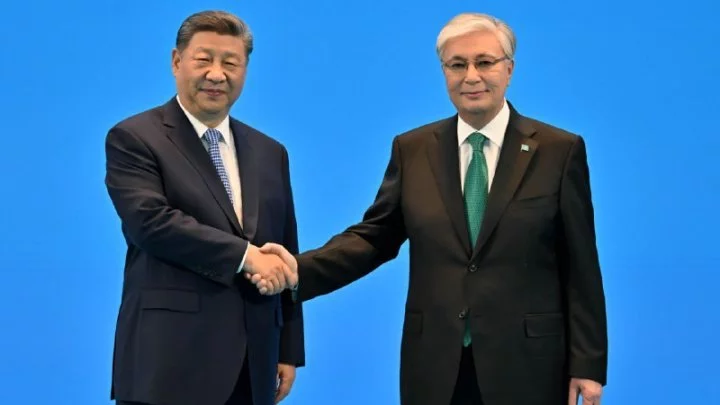 Photo: Aqorda
Chinese President Xi Jinping delivered a speech at the Central Asia–China summit in Astana, emphasizing the need for global unity amid ongoing geopolitical tensions, Orda.kz reports.
Xi is in Astana from June 16 to 18 and is expected to participate in the second meeting of the China–Central Asia Business Council. The leaders of Central Asia have also arrived.
The summit's key areas of focus:
- Strengthening regional cooperation on security and joint efforts to combat transnational threats
- Expanding trade, economic ties, and transport-transit integration
- Promoting collaboration in energy, innovation, and sustainable development
No Winners From Trade Wars
Xi described the current international landscape as a time of “unprecedented upheaval and transformation,” stating that only a consistent commitment to equality, justice, mutual benefit, and win-win cooperation can ensure peace and shared prosperity.
There will be no winners in the tariff and trade war. Supporters of protectionism and hegemonism will harm both others and themselves. I always emphasize that it is impossible to turn the wheel of history back, but it is important to move forward. We need a united world, not a divided one. Humanity must develop in the mainstream of a community of common destiny, and not under the rule of the law of the jungle,
Xi Jinping said.
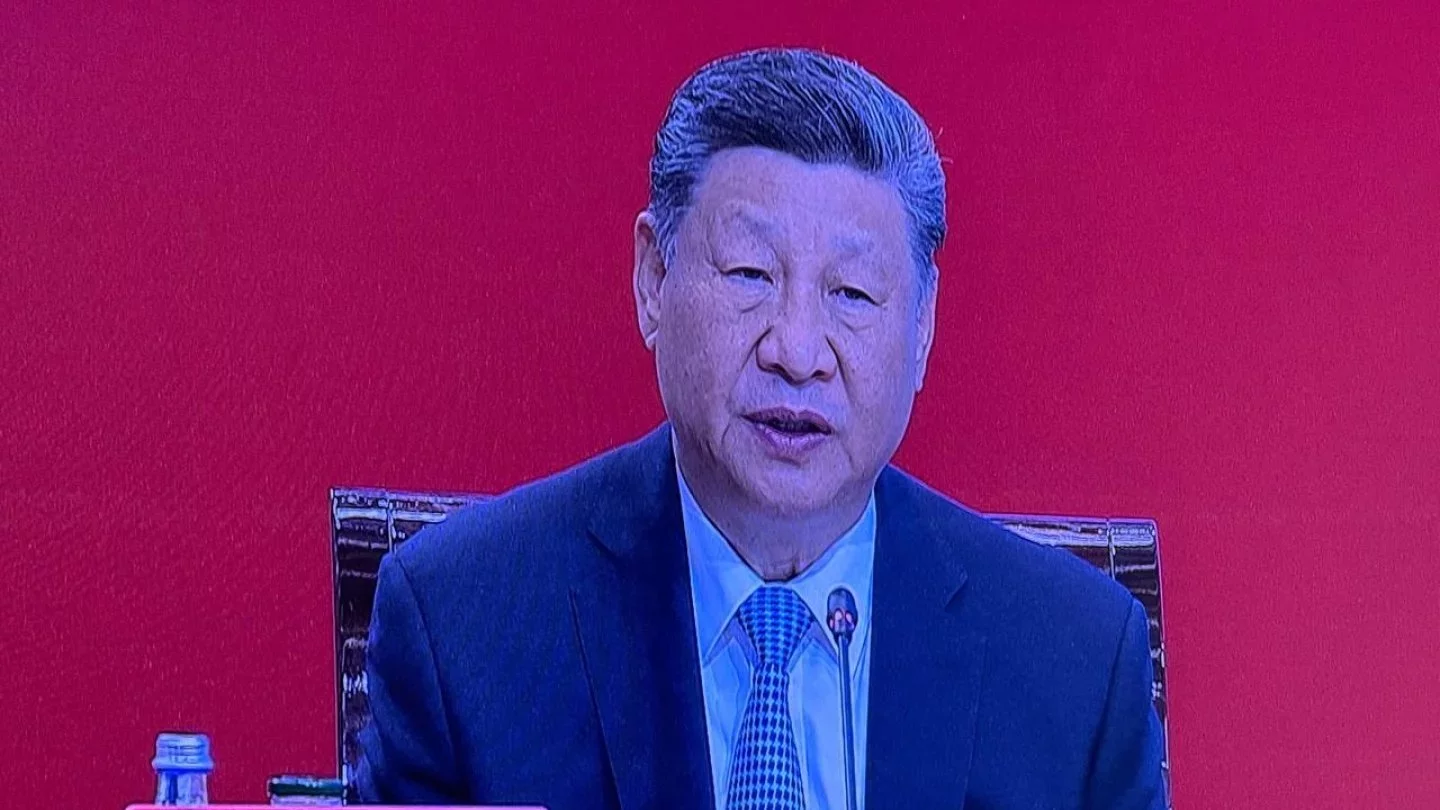
Xi Jinping also announced that China will provide a ¥1.5 billion (approx. 108 billion tenge) grant to Central Asian countries in 2025.
“We are ready to provide a ¥1.5 billion grant to Central Asian countries in 2025 to support key projects aimed at improving public well-being,” Xi said.
He added that the funding will also support initiatives related to sustainable development.
Year of Science and Education
Kazakh President Qasym-Jomart Toqayev also addressed the summit. He proposed designating 2026 as the Year of Education and Scientific Research within the China–Central Asia cooperation framework.
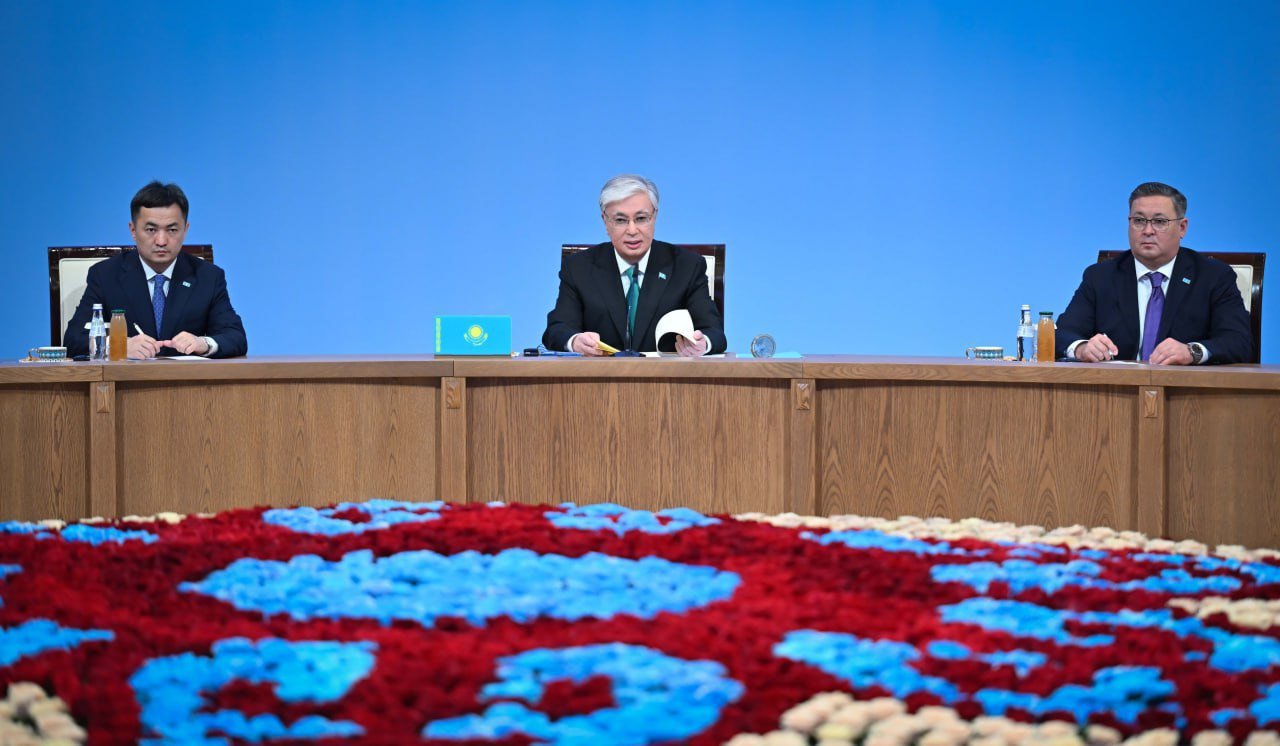
I propose declaring 2026 the year of education and scientific research. This will give new impetus to humanitarian cooperation between our countries. The path to a common high-tech future requires adequate staffing, and therefore strengthening human capital,
Toqayev said.
He added that Kazakhstan is actively building educational infrastructure and launching new technology parks.
We are looking forward to launching joint research labs and engineering academies, drawing on the experience of China's largest technology companies. I am confident that the new generation of professionals will be the main driving force.
“Eternal Friendship and Cooperation”
President Qasym-Jomart Toqayev opened the China–Central Asia summit with a speech emphasizing Kazakhstan’s close partnership with China.
At the start of his remarks, Tokayev thanked Chinese President Xi Jinping for strengthening bilateral cooperation.
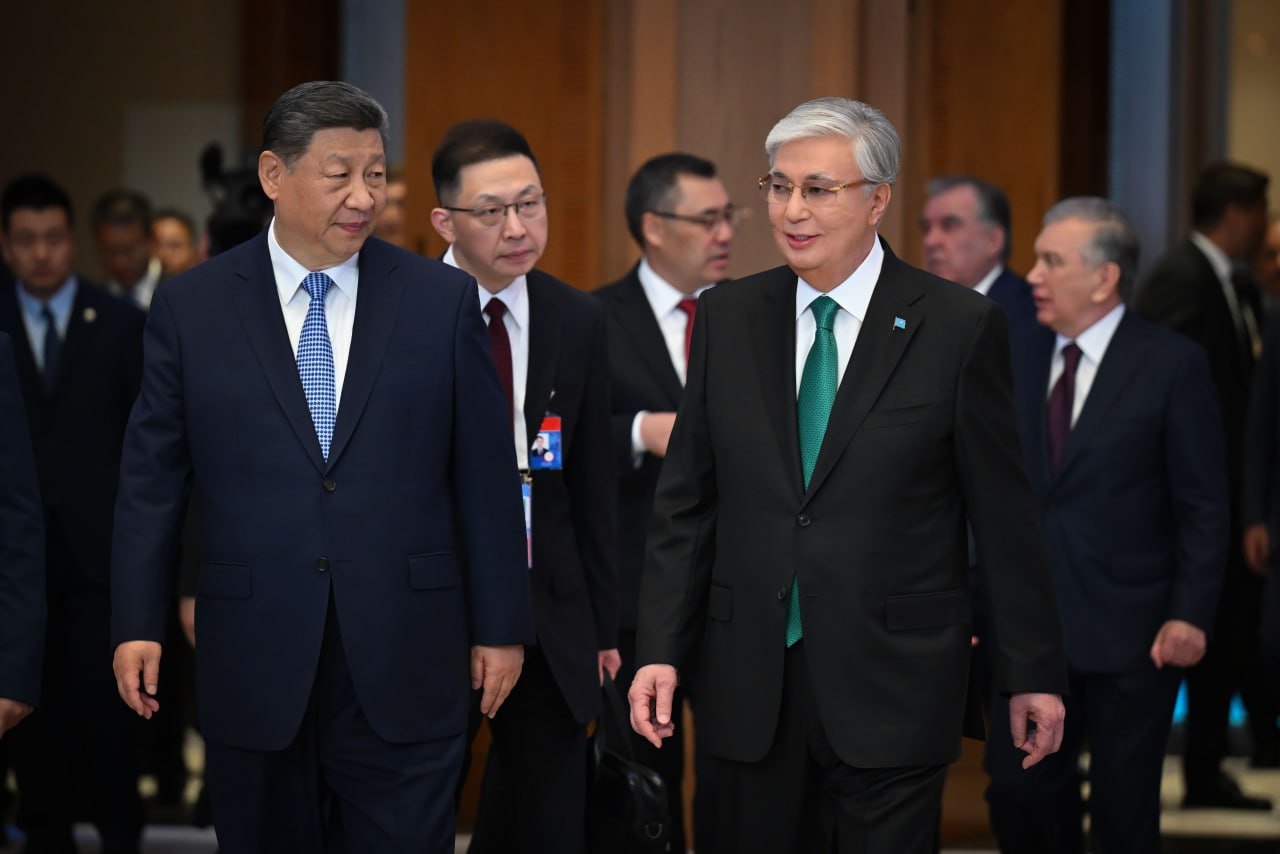
He highlighted the growth in regional trade over the past five years, noting that China now accounts for approximately 40% of Kazakhstan’s foreign trade.
Bilateral trade with China has reached $44 billion. Around 5,000 companies with Chinese capital are successfully operating in Kazakhstan. In 2024, the total volume of freight transported from China through Central Asian countries exceeded 211,000 containers — a 12% increase. Kazakhstan accounts for 85% of all overland shipments from China to Europe,
Toqayev stated.
The President underscored that economic development is key to the country’s progress, pointing to new joint ventures with China.
Toqayev also emphasized Central Asia’s strategic resource wealth, noting that the region holds 20% of the world’s uranium reserves, over 17% of global oil reserves, 7% of natural gas, and substantial deposits of rare earth metals.
He referenced the recent discovery of Kazakhstan’s largest rare earth deposit in the Qaraganda region.
At the conclusion of the summit, participants are expected to sign the Treaty of Eternal Good-Neighborliness, Friendship, and Cooperation.
Kazakhstan supports the vision of Central Asia as a center of peace and security. We will continue to combat religious extremism, terrorism, separatism, drug trafficking, illegal arms trade, migration, and human trafficking,
Toqayev said, commenting on the treaty’s objectives.
Original Authors: Zhadra Zhulmukhametova, second article
This article may be updated.
Latest news
- Orda.kz Editorial Team to Cease Operations on September 1
- The Price of a Degree: How Students in Kazakhstan Pay for University
- Second Przewalski’s Horse Foal Born as Species Returns to Kazakhstan
- Kazakh Mining Companies Can Recalculate Purchases if Tenge Weakens
- Kazakhstan Names First Vice President in Three Decades
- What Almaty’s Bus Shelters Are Missing
- 400-Truck Queue Builds at Kazakh–Kyrgyz Border
- Kazakhstan Ready to Help Feed and Rebuild Gaza
- Tokayev Establishes New Presidential Security Body
- Almaty Takes Back Its Nearly Century-Old Hippodrome
- No More Guesswork on Savings: Kazakhstan Tightens Energy Audits for Businesses
- Public Money Could Be Used to Rescue Failing Kazakh Banks
- Third Kazakh Woman Reported Missing in Nepal-China Flood Zone
- Falconer Convicted Over 35 Protected Birds, Spared Punishment Under Amnesty
- Kazakh Citizen Detained in Yakutia in Phone Fraud Case
- Yuan Instead of Dollars? KazMunayGas Draws Record Demand in Asia
- China Gains Oil-Market Influence as OPEC+ Weakens
- Kazakhstan to Divide Smartphones Into White, Gray and Black Lists
- Kazakhstan’s Government Formally Resigns as First Kurultai Session Opens
- Rare Lynx Sighting Recorded in Northern Kazakhstan
