

Kazakhstan Uncovers Major Rare Earth Metals Deposit
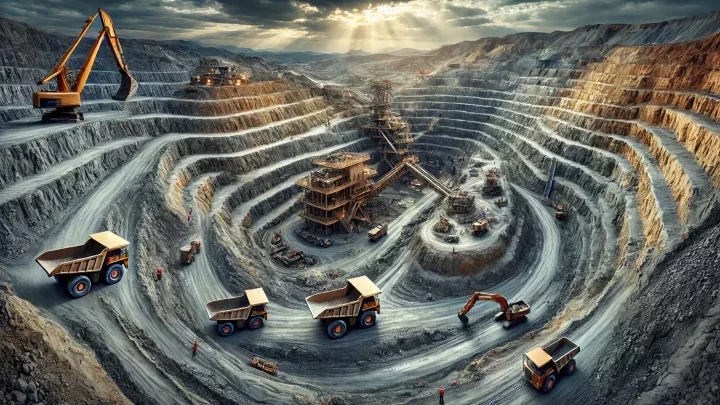 Photo: Dall-E, illustrative purposes
Kazakhstan could be on the verge of becoming a global leader in strategic raw materials following the discovery of a massive rare earth metals deposit in the Qaraganda region. However, without domestic processing capabilities, the country risks remaining a supplier of raw materials rather than moving up the value chain, Orda.kz reports.
Geologists from Tsentrgeolsyomka LLP recently identified a significant deposit in the Kuirektykol area. According to the Ministry of Industry and Trade, the site contains tens of millions of tons of rare earth elements, with concentrations high enough to support future industrial development.
Two highly promising zones—named Irgiz and Dos 2—were discovered between 2022 and 2024. Some areas showed concentrations of up to 0.25%, which is considered quite high in this field. The Irgiz zone, in particular, is estimated to hold up to 800,000 tons of rare earth metals.
The newly designated cluster, “Jana Kazakhstan,” is believed to be especially rich. Geologists estimate it could contain as much as 20 million tons of rare earth elements at depths reaching 300 meters. Experts say this is a new kind of industrial deposit — one without precedent in Kazakhstan.
The identified rare earth deposits and promising areas, if further confirmed, could position Kazakhstan as a global leader in rare earth element reserves and enable the rapid development of a high-tech rare earth metals industry,the Ministry of Industry and Construction stated.
Earlier, we wrote that fully realizing this potential will take years and require substantial investment.
Currently, Kazakhstan lacks the technology for deep processing of rare earth metals, making it reliant on foreign partners. As government officials have previously stated, the country is looking to cooperate with investors from the U.S., EU, South Korea, and Canada.
Kazakhstan has at least 15 known rare earth deposits, and its subsoil may hold resources valued at up to $46 trillion. Analysts believe the country has the potential to rival China, which currently dominates around 70% of global production.
However, to achieve this, Kazakhstan will need more than just investment — it will also require major reforms in subsoil use, access to cutting-edge technologies, and the development of its own processing infrastructure.
Original Author: Ruslan Loginov
Latest news
- Orda.kz Editorial Team to Cease Operations on September 1
- The Price of a Degree: How Students in Kazakhstan Pay for University
- Second Przewalski’s Horse Foal Born as Species Returns to Kazakhstan
- Kazakh Mining Companies Can Recalculate Purchases if Tenge Weakens
- Kazakhstan Names First Vice President in Three Decades
- What Almaty’s Bus Shelters Are Missing
- 400-Truck Queue Builds at Kazakh–Kyrgyz Border
- Kazakhstan Ready to Help Feed and Rebuild Gaza
- Tokayev Establishes New Presidential Security Body
- Almaty Takes Back Its Nearly Century-Old Hippodrome
- No More Guesswork on Savings: Kazakhstan Tightens Energy Audits for Businesses
- Public Money Could Be Used to Rescue Failing Kazakh Banks
- Third Kazakh Woman Reported Missing in Nepal-China Flood Zone
- Falconer Convicted Over 35 Protected Birds, Spared Punishment Under Amnesty
- Kazakh Citizen Detained in Yakutia in Phone Fraud Case
- Yuan Instead of Dollars? KazMunayGas Draws Record Demand in Asia
- China Gains Oil-Market Influence as OPEC+ Weakens
- Kazakhstan to Divide Smartphones Into White, Gray and Black Lists
- Kazakhstan’s Government Formally Resigns as First Kurultai Session Opens
- Rare Lynx Sighting Recorded in Northern Kazakhstan
