

Uzbekistan After Karimov: Reforms, Continuity, and the Search for Stability
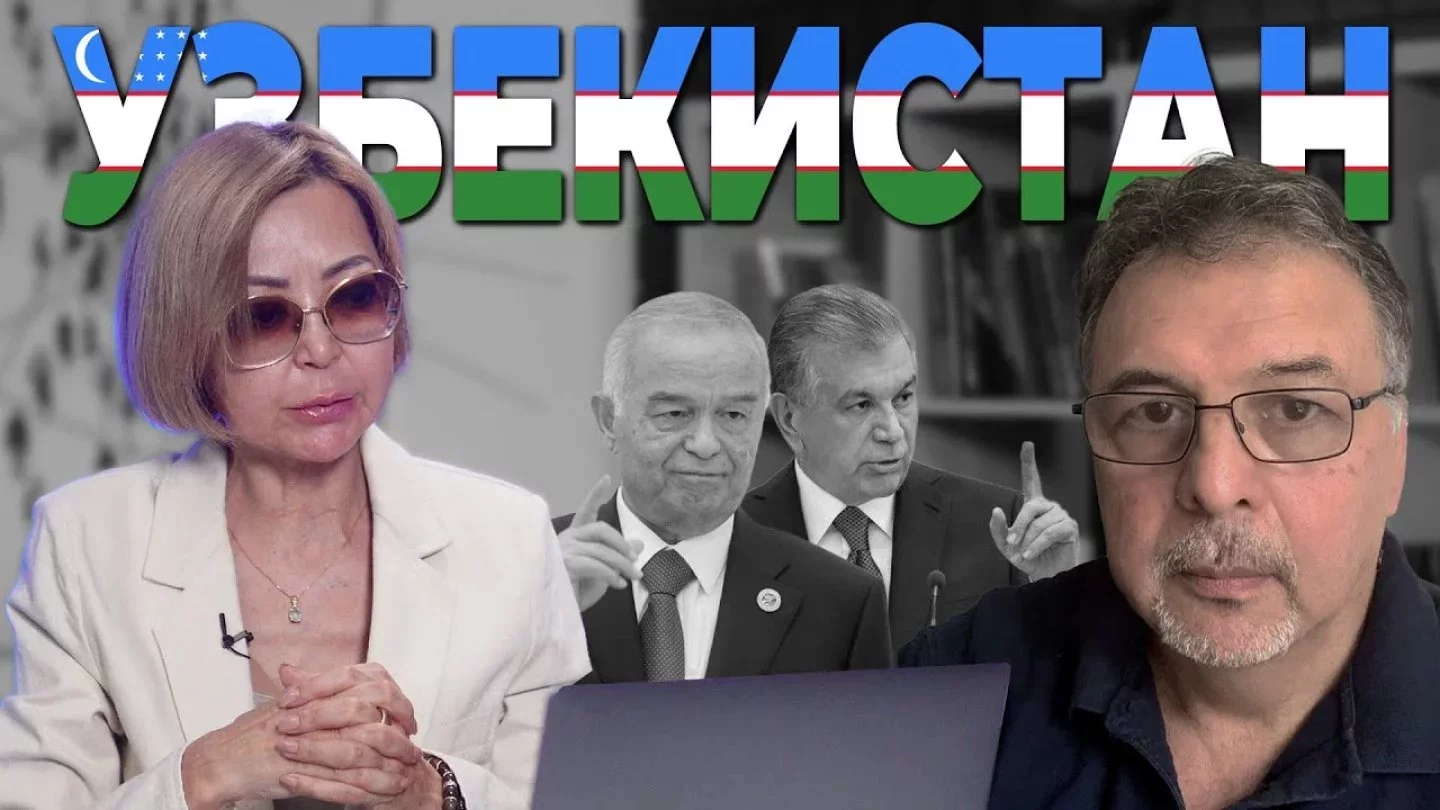 Photo: Orda.kz
After the death of Islam Karimov, his successor became a man from the same circle — Shavkat Mirziyoyev. He promised reforms and partially delivered: he lifted currency restrictions and allowed the IMF in.
But neither the judiciary nor the fight against corruption changed the core of the system in Uzbekistan, and continuity prevailed.
Gulnara Bazhkenova and well-known expert, sociologist Alisher Ilkhamov, discussed Uzbekistan's current situation. This is a text summary; the full interview can be viewed here.
A Soviet Holdover
The conversation began with the question: What changed after Karimov left and Mirziyoyev came to power? Ilkhamov starts with a look back. After all, Islam Karimov didn’t just rule Uzbekistan harshly — he did so using late Soviet models.
The authoritarian hierarchy, reliance on central planning, total control over society and the economy — all of it stemmed from his past as a Soviet technocrat. Even after the USSR collapsed, he remained mentally committed to directive-style governance.
Karimov’s system used forced labor. Farmers had no right to choose what to grow on their land. Every autumn, hundreds of thousands of people — schoolchildren, students, civil servants, even private sector workers — were forced to pick cotton. The country sold and exported cotton to the USSR, but there was no investment in processing or adding value. It all reflected the overall state of the economy, Ilkhamov says.
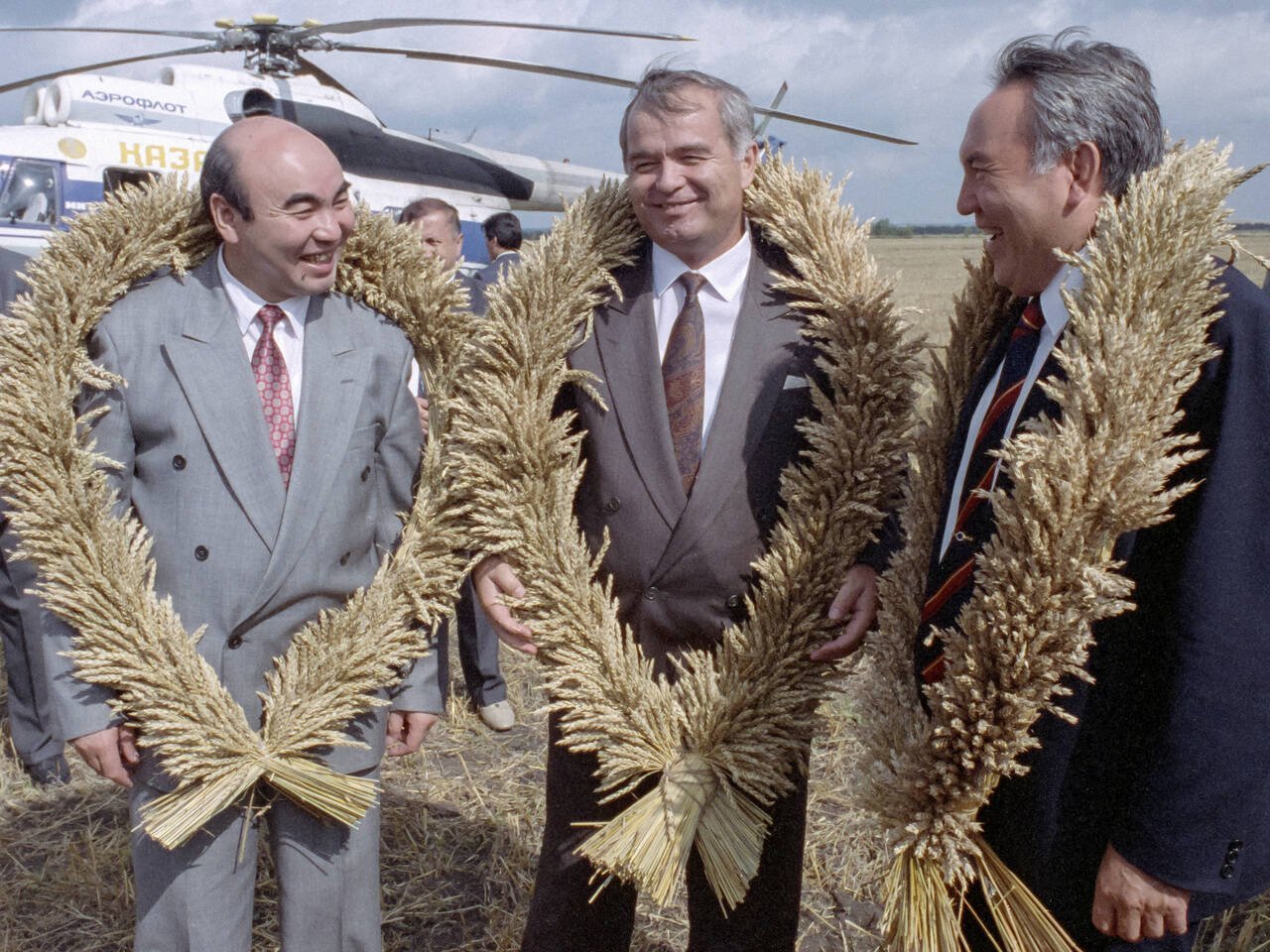
When Shavkat Mirziyoyev came to power, economic liberalization began. Ilkhamov points to the lifting of the centralized exchange rate as a key reform — a step that gave business a long-awaited boost and opened the country to investment.
The economy began to recover, but trust didn’t come easily. Systemic corruption remained a major obstacle, including at the very top, involving Islam Karimov’s daughter, Gulnara, who extorted multimillion-dollar bribes from foreign companies.
This history shaped Uzbekistan’s reputation as a risky jurisdiction for years.
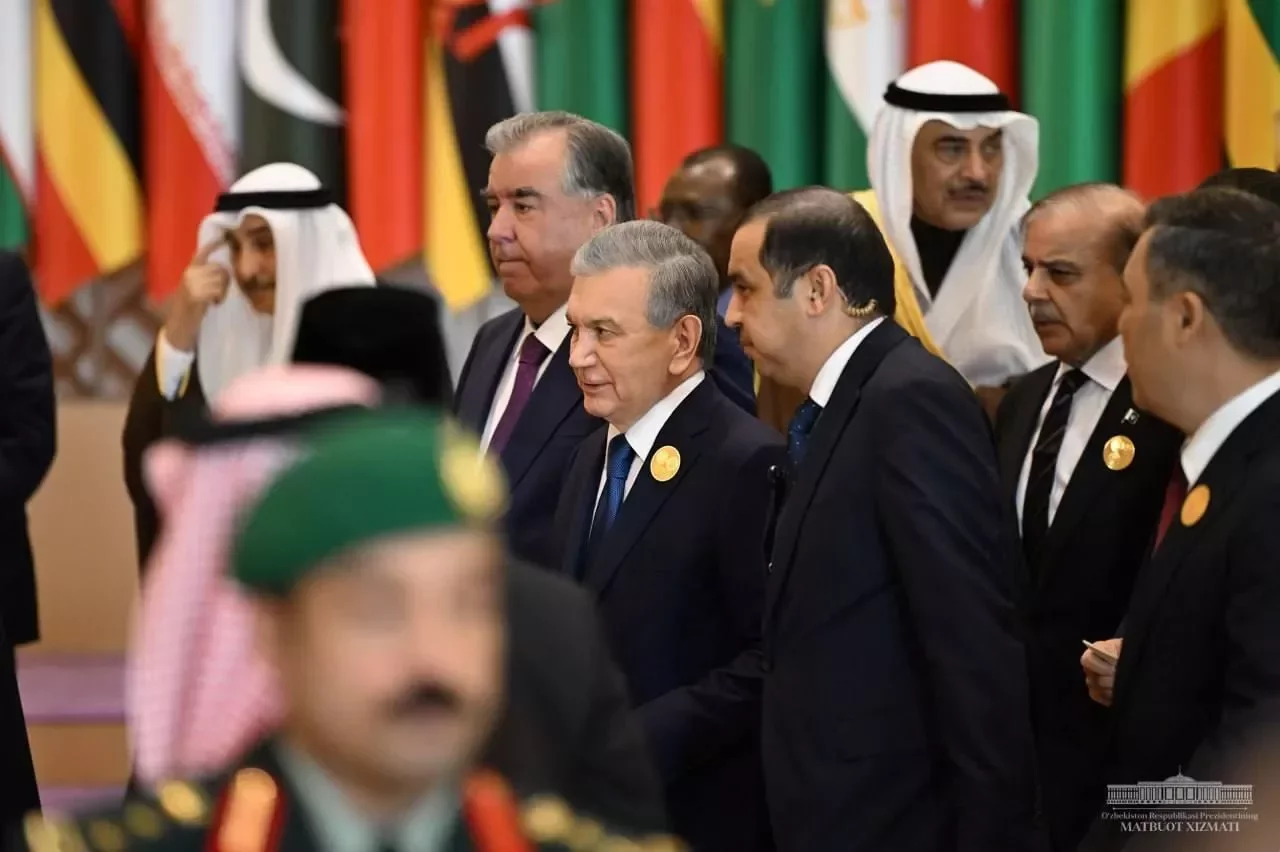
We must give credit: Mirziyoyev acknowledged the existence of forced labor and promised to end it. There was even an international campaign, the Cotton Campaign, aimed at ending forced labor in the cotton sector, which led to a boycott of Uzbek cotton and related products, the expert notes.
Exporting People Instead of Goods
By the time of Islam Karimov’s death, Uzbekistan had no external debt, but also no real prospects for its people. A closed economy, a weak private sector, and a near-total lack of paid employment at home were driving people to leave:
One sign of how dire things were was the scale of labor migration. People couldn’t find paid work at home, couldn’t provide for their families, and had to leave en masse — hundreds of thousands, primarily to Russia.
Ilkhamov notes that the reforms Mirziyoyev initiated have led to some improvements, but nothing radical. The population’s overall living conditions haven’t changed much:
Yes, private businesses now have slightly more opportunities, which has helped absorb some of the workforce. Some people have started earning money. But the root causes of mass emigration remain. The reforms haven’t yet delivered the results that were expected. Labor migration is still a major issue. The country still can’t provide reasonably paid work for its surplus labor force.
Personal Testimony
Gulnara Bazhkenova spoke about her trips to Uzbekistan between 2009 and 2015, with her last visit coinciding with the peak of the Karimov era. She saw what’s often hidden from the outside: behind a façade of prosperity was the raw nerve of the economy — families living in poverty. “They literally had nothing to put on the table. How could people be pushed this far?” So, how are people living in Uzbekistan today?
The expert confirmed her impression: outside the capital, little has changed.
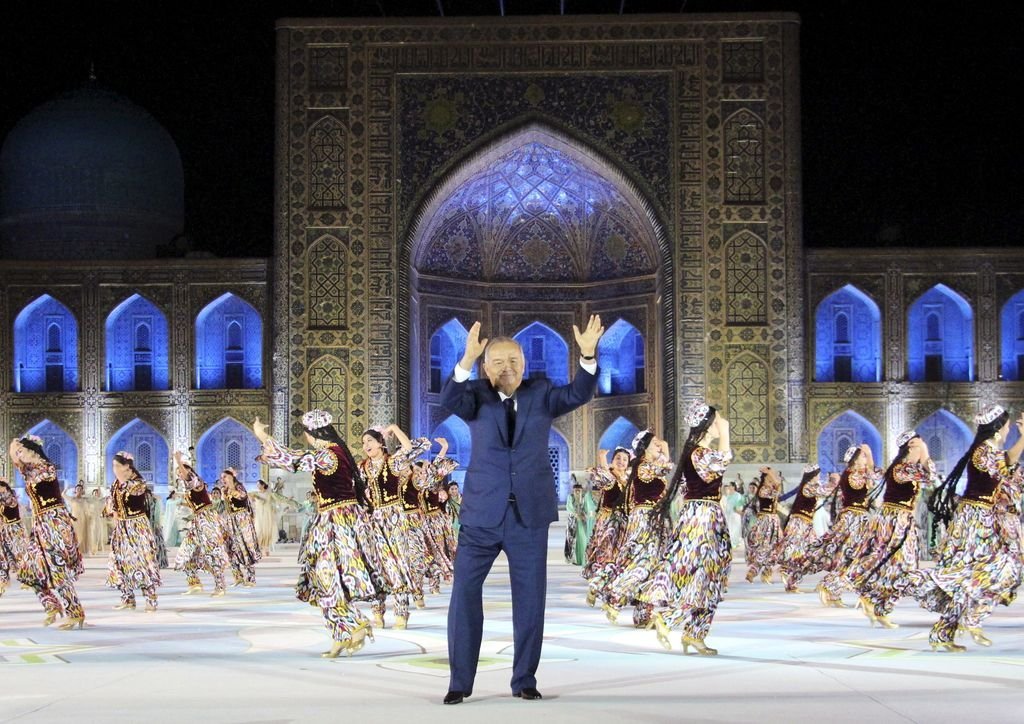
In Tashkent, you’ll see some signs of prosperity — services, restaurants, and plenty of cars. But in the provinces, in rural areas, in small towns, the poverty is striking. All of this is the result of reforms that Karimov never implemented in time, instead placing blind faith in the state. He siphoned resources from agriculture and other sectors, thinking he could manage them better himself. But because of corruption and poorly qualified leadership, the result was minimal. While Mirziyoyev has improved some areas, he still hasn’t brought about any transformative change, Ilkhamov said.
A Flawed System and a Long Divorce from the Past
Thus, patriarchal traditions, which once helped people survive, continue to weigh down the economy. Educated women stay home, while men leave to earn money, not only for everyday needs, but also to save for ritual expenses. High birth rates make this cycle continuous: many children, each with their own sunnat tuy (a traditional circumcision celebration – ed.) and wedding to fund.
But this is not the main reason. The main reason is that the government itself, through its economic policies, failed to create conditions for entrepreneurial initiative and did not provide sufficient economic freedoms. If it had, people would now be able to support themselves, even cover ritual expenses. Uzbekistan’s gross national product per capita is currently just 20–23% of Kazakhstan’s. Yet after the collapse of the USSR, the gap was minimal — both countries endured difficult transitions. Back then, Uzbekistan supported its population with household plots and subsidies. The same trend holds with foreign investment: 2023 data shows Uzbekistan attracted only about 40% of Kazakhstan’s inflow — $2.16 billion compared to $5.5 billion. While better than the Karimov era, when investments hovered around $1 billion, Ilkhamov says the current figure remains modest relative to the scale of reforms and stated goals
The legacy of corruption from the Karimov years — among other factors — still casts a heavy shadow over the economy:
Investors need assurance they can protect their businesses from extortion, kickbacks, and pressure from officials. True, there’s no longer the kind of abuse we saw with Gulnara Karimova, but grand corruption — systemic corruption at the highest levels —remains. And then there’s geographic isolation. Logistics routes through Russia are hampered by sanctions, while corridors through Afghanistan and the South Caucasus remain incomplete. The legal frameworks between countries are weak, infrastructure is lacking, and investment in logistics has been insufficient. These aren’t issues that can be solved in a year. It will take at least a decade.
Heirs Without a Throne
For years, Islam Karimov’s eldest daughter was seen as a possible successor, known for her global connections. A socialite, designer, and diplomat, Gulnara Karimova represented Uzbekistan at UNESCO and ran various media ventures.
She built a business empire. But when her behavior became too erratic and her independence too visible, the system struck back. The anti-corruption campaign was largely a pretext to strip her of real influence. Overnight, she went from regime poster child to pariah, exposing the poverty and fear hidden behind the glossy facade.
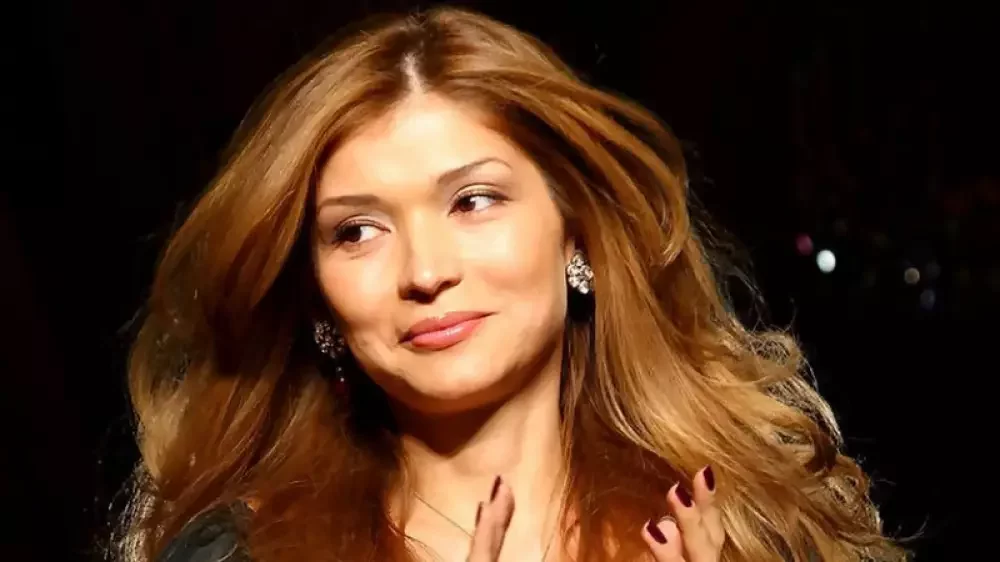
When a case was opened against her in Switzerland in 2012, that’s when the pressure began. She was deported and started leaking damaging information about top officials, especially from the National Security Service. That’s why Karimov initially cut off contact with her. She tried to meet with him, but was blocked. After these leaks and the Swiss case, he was forced to act. She was placed under house arrest. The trial took place literally in the kitchen, Ilkhamov recalls.
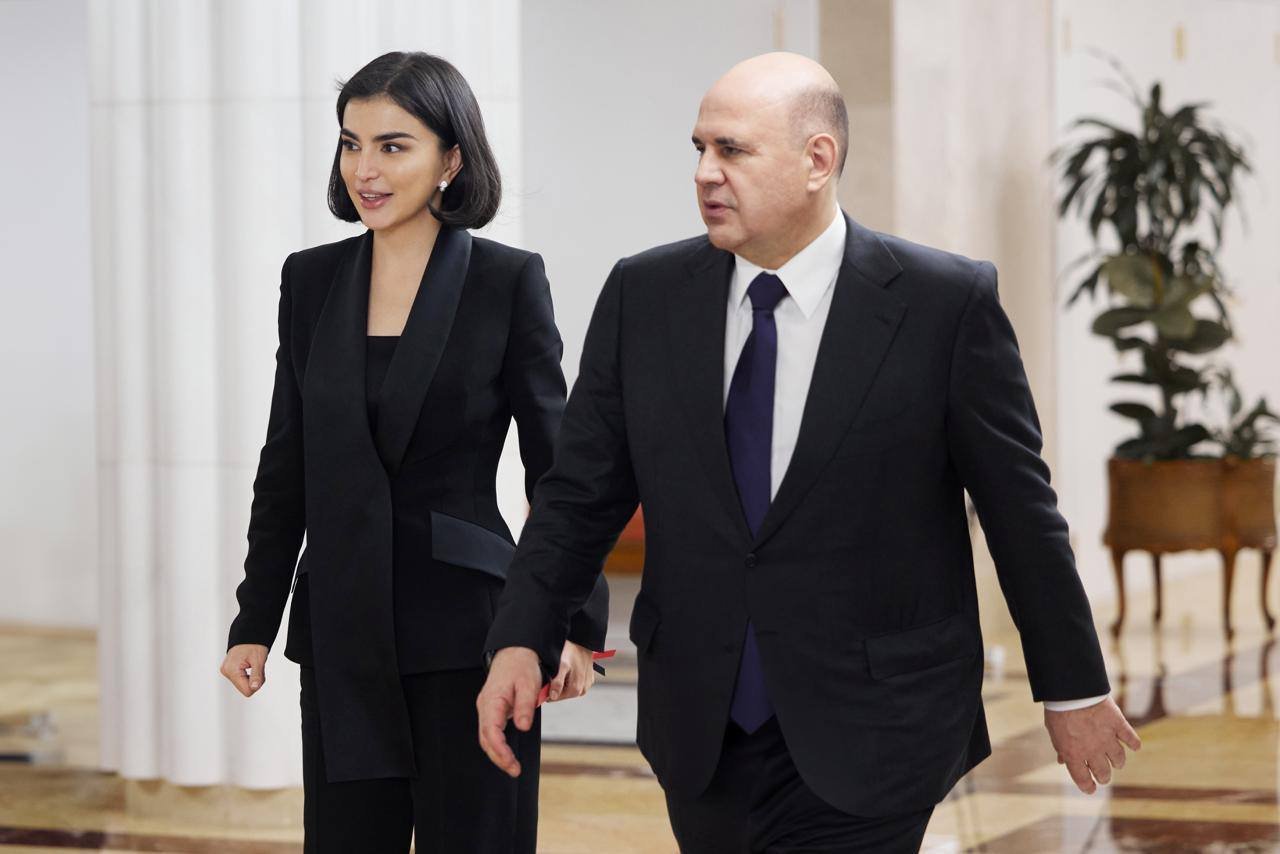
By contrast, Saida Mirziyoyeva is charting a different path. As First Assistant to the President, she holds the highest office in his administration after the head of state.
She presents herself as someone who respects Uzbek traditions. Her communication style is generally open and not abrasive. For example, she’s built relationships with foreign figures like Mikhail Mishustin. She projects a diplomatic persona that helps her advance. But Mirziyoyev’s goal is different: if she gains experience and stature, she’ll be someone he can rely on. This isn’t democratic competition — it’s about loyalty, especially family loyalty. In that sense, Mirziyoyev has gone further than Karimov, who operated more through simulated competition between structures. Mirziyoyev has a loyal inner circle. But not everyone meets expectations — so purges follow.
What if it were a son in her place? Gender remains a filter through which ambition must pass, even in a presidential family.
The expert doesn’t rule out that Saida Mirziyoyeva could one day become President, provided she builds enough administrative experience and consolidates power. For now, she serves as a patron of NGOs focused on gender equality. Under her influence, Uzbekistan passed a law prohibiting the belittling of women’s roles — a symbolic, yet telling, development.
History offers examples of women rising to power even in conservative societies, but the path was often long and dramatic:
In Pakistan, Benazir Bhutto became prime minister. In India, Indira Gandhi. And by the way, in Soviet Uzbekistan, there were also women in key positions. But still, in reality, it’s much harder for a woman.
Test of Faith
What set the stage for backing a secular path? Mirziyoyev freed religious prisoners and relaxed control over public discourse. Society took this as a sign of democratization, but soon, the pendulum began to swing back.
In terms of freedom of speech, of course, the situation has improved compared to what it was under Islam Karimov. But not to the extent we see, for example, in Kazakhstan. In Uzbekistan, there are still serious restrictions. Bloggers and journalists are occasionally imprisoned. Not as often as before, but still.
Initially, the authorities made overtures to the religious majority — freeing those convicted of Islamist activity, permitting more religious rituals, and allowing religious-leaning organizations to function.
But when this outreach seemed to go too far, the approach shifted:
When the Taliban returned to power, that clearly alarmed the regime. Mirziyoyev backed off from his earlier courting of political Islam. After that, new restrictions were introduced: bans on the hijab, limits on Islamic dress, not as harsh as under Karimov, but a clear trend. The orientation began shifting toward European models. In my view, the less repression of civil society, the less potential for radicalism. For now, Mirziyoyev’s regime has maintained a form of soft authoritarianism, where there’s still some space for civil society, a degree of activity, public expression, and access to social media. If those freedoms aren’t curtailed, the situation will remain relatively stable.
All signs suggest that the current regime will continue along this path, not democratic, but not total control either.
It’s a strategy of managed freedom within firm boundaries.
When Justice Is an Investment
Orda.kz’s editor-in-chief shared an anecdote that echoed a widely held view among experts and think tanks: without an independent judiciary and free press, there can be no real business security, nor systemic stability.
This remains true even in states without leadership change. The UAE is often cited as an example where courts are considered sacrosanct and help win investor trust. Mirziyoyev has yet to take such a step. As a result, businesses remain vulnerable to arbitrary official pressure.
At one point, it was suggested that Uzbekistan use English common law in economic disputes, similar to Kazakhstan’s AIFC model. What’s attractive isn’t just the law, but the fact that foreign judges — British, Australian — sit on arbitration panels. That gives businesses some hope that their rights will be upheld. It’s not a permanent solution, but it’s a transitional model. It builds precedent: that disputes, even with the state, can be resolved in court. In Kazakhstan, this system is still shaky, but even that first step matters. You can pass excellent laws, but they’ll just sit unused unless there’s a mechanism to apply them. That’s where Uzbekistan is now. It needs working mechanisms. Those come from both law and enforcement. says Ilkhamov.
You can watch the full conversation about Uzbekistan’s legal and social evolution on Orda’s YouTube channel.
Original Author: Kamila Yermakhanova
Latest news
- Kazakhstan Dismisses Reports of “Acid Clouds From Iran” Heading Toward Central Asia
- Kazakhstan Continues Middle East Evacuation, More Than 7,300 Brought Home
- Kazakhstan Recommended for U.S. Watch List as Vorontsov Case Draws New Attention
- Putin Bans Extradition of Foreign Nationals Who Served in the Russian Army
- Kazakh Researcher Reportedly Jailed in Xinjiang for “Misinterpreting” Abay
- Almaty Residents Warned of Elevated Air Pollution
- Over 6,000 Kazakhstanis Return Home From the Middle East
- The National Bank Invests $350 Million in Crypto-Related Assets
- Tokayev Congratulates Kazakhstani Women on International Women’s Day
- Building a House in Kazakhstan Has Become Cheaper
- Kazakhstan May Allow Crypto Payments for Goods and Services
- Kazakhstan Tightens Penalties for Violence Against Medical Workers
- Kazakhstan Urges Citizens Not to Travel to Middle East Amid Escalating Conflict
- Kazakhstan Joins the Opening of the Milano Cortina 2026 Paralympic Winter Games
- Statistics Show Where the Most Women Live and Work in Kazakhstan
- Kazakhstan Carries Out 12 Evacuation Flights From the Middle East
- Kazakhstan Labor Inspectors Find Wage Arrears at 102 Enterprises
- Police Raid in Shymkent Uncovers Widespread Violations Involving Foreign Nationals
- Tokayev Condemns Drone Strike on Nakhchivan Airport
- Eyewitnesses Share Photos of Kazakh Citizens’ Evacuation
