

UN Reviews Kazakhstan's Human Rights Record in Geneva
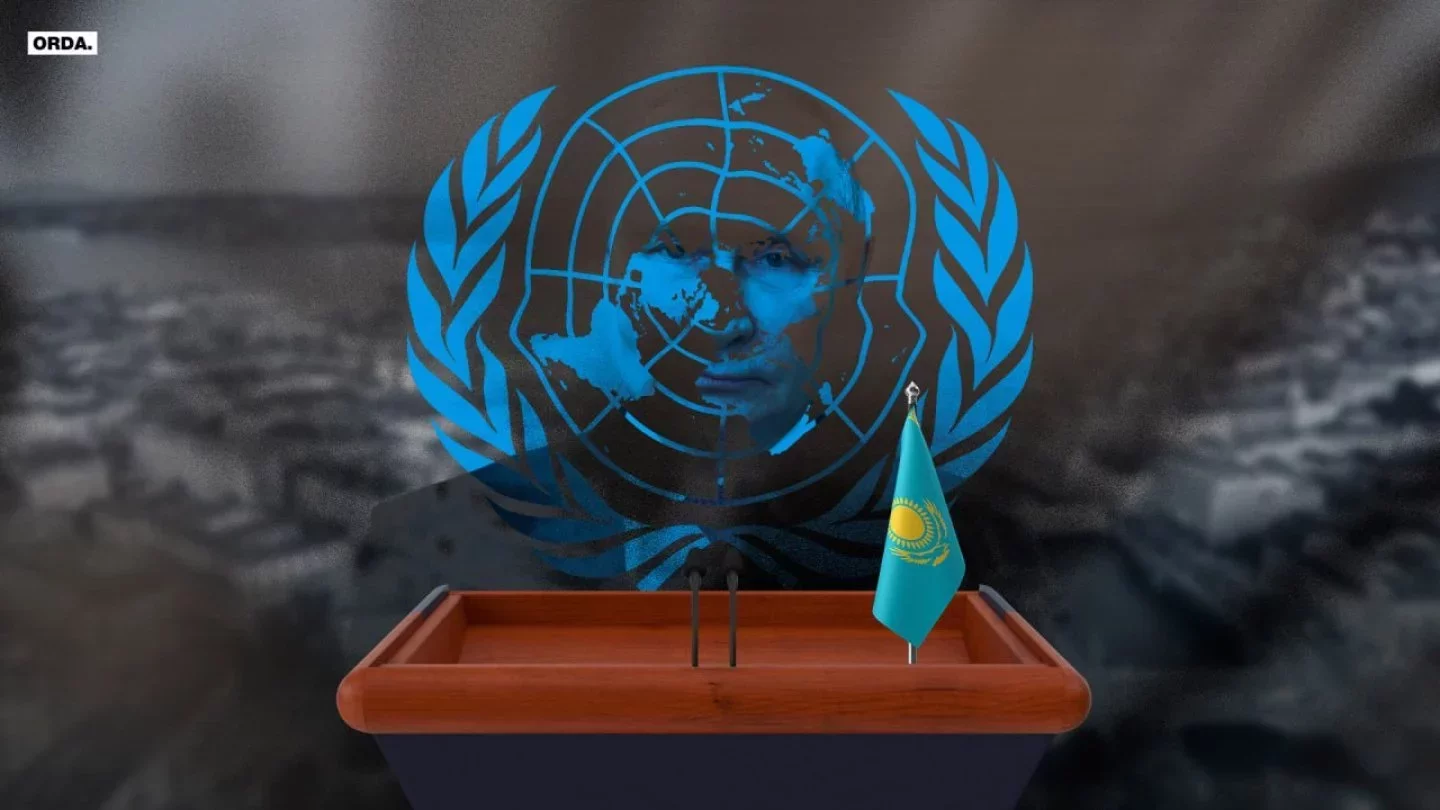 Photo: Orda
The UN Council's Working Group on Universal Periodic Review met in Geneva to examine Kazakhstan's human rights situation. This marks the fourth review since 2008, following previous sessions in 2010, 2014, and 2019.
The review drew from three key documents: Kazakhstan's National Report, UN information compilation, and the UN High Commissioner for Human Rights report.
Key Recommendations
The UN High Commissioner urged Kazakhstan to ratify the Rome Statute of the International Criminal Court - a move that would require Kazakhstan to arrest Vladimir Putin under the ICC's March 2023 warrant.
The report also recommended joining the Council of Europe Convention on Domestic Violence and ILO Convention 190 on workplace harassment.
Major concerns centered on investigations of rights violations, with the report noting victims lack access to prompt and impartial inquiries. Many alleged perpetrators go free, creating a culture of impunity.
The UN sees establishing an independent, impartial prosecutor's office as a solution.
The report highlighted ongoing issues with torture and mistreatment by law enforcement, calling for comprehensive legal reforms to address systematic investigation shortcomings.
Regarding the January 2022 events (Qantar), Kazakhstan was asked to permit an international independent investigation and pass legislation rehabilitating peaceful participants and victims.
The UN also touched on the judiciary's lack of independence from executive influence, compromising fair trials.
The report noted harassment of legal professionals impedes their ability to defend clients and uphold the law.
The report identified several at-risk groups facing rights violations:
- Media workers facing intimidation
- NGOs stigmatized for foreign funding
- Human rights defenders under pressure
- Homeless people detained without legal support
The UN proposed wide-ranging changes:
- Removing provisions allowing arbitrary Internet blocking
- Passing laws protecting conscientious objectors
- Implementing a national housing strategy
- Developing programs to end homelessness by 2030
Kazakhstan's Response
Justice Minister Yerlan Sarsembayev led Kazakhstan's delegation at the review.
The country's National Report painted a different picture, highlighting democratic reforms under the "Listening State" concept. It cited direct elections of local Akims, self-nominated candidates in legislative bodies, and the National Kurultay as evidence of progress.
The report mentioned the new peaceful assembly law's shift from permission to notification requirements, claiming it increased peaceful assemblies. It also detailed Kazakhstan's National Development Plan through 2029, focusing on economic reforms and resource optimization.
On torture prevention, Kazakhstan reported that courts handled 12 cases involving 39 law enforcement officers (26 police, 13 KNB) during the January 2022 events, with 31 convictions and 84 recognized victims.
The report also highlighted the amnesty for Qantar unrest participants.
Original Author: Dmitry Kim
Latest news
- Kazakhstan May Introduce Drug Testing, Mortgage Perks, And New Restrictions For Civil Servants
- Who Paid the Most Taxes in Kazakhstan’s Trade Sector
- Kazakhstan Plans School-to-Civil Service Pipeline to Boost Youth Recruitment
- School Textbooks To Be Rewritten Again In Kazakhstan
- Suspect In Serial Fraud Case Extradited To Kazakhstan From Russia
- The National Bank Will Be Less Likely To Inform Kazakhstanis About Inflation
- Kazakhstan Extends Toll Road Payment Deadline
- Kazakhstan’s Industry Fell 3.1% In January–February Despite February Growth
- From Utilities to Security, Kazakhstan Approves New Smart Cities Methodology
- Tokayev Announced A Criminal And Administrative Amnesty Following The Adoption Of The New Constitution
- Tokayev Signed A Decree On The Implementation Of The New Constitution
- Casinos for Foreigners Only to Open in Kazakhstan
- Analysts Record a Sharp Surge in Immigration From China to Kazakhstan
- Baikonur Prepares To Launch Progress MS-33 Cargo Mission To The ISS
- Kazakhstani Scientists Are Preparing a Cancer-Prevention Supplement From Tomatoes and Watermelons
- Garbage Fines Now Fall Under Akimats: What the Changes Mean and What Risks Citizens Face
- CEC Announces Final Results Of Constitution Referendum
- Applications Begin For Bolashak And Scientific Internships In Kazakhstan
- Road Construction Violations Worth Hundreds of Billions of Tenge Uncovered in Kazakhstan
- Winter Paralympics End In Italy As Cortina Hosts Closing Ceremony
